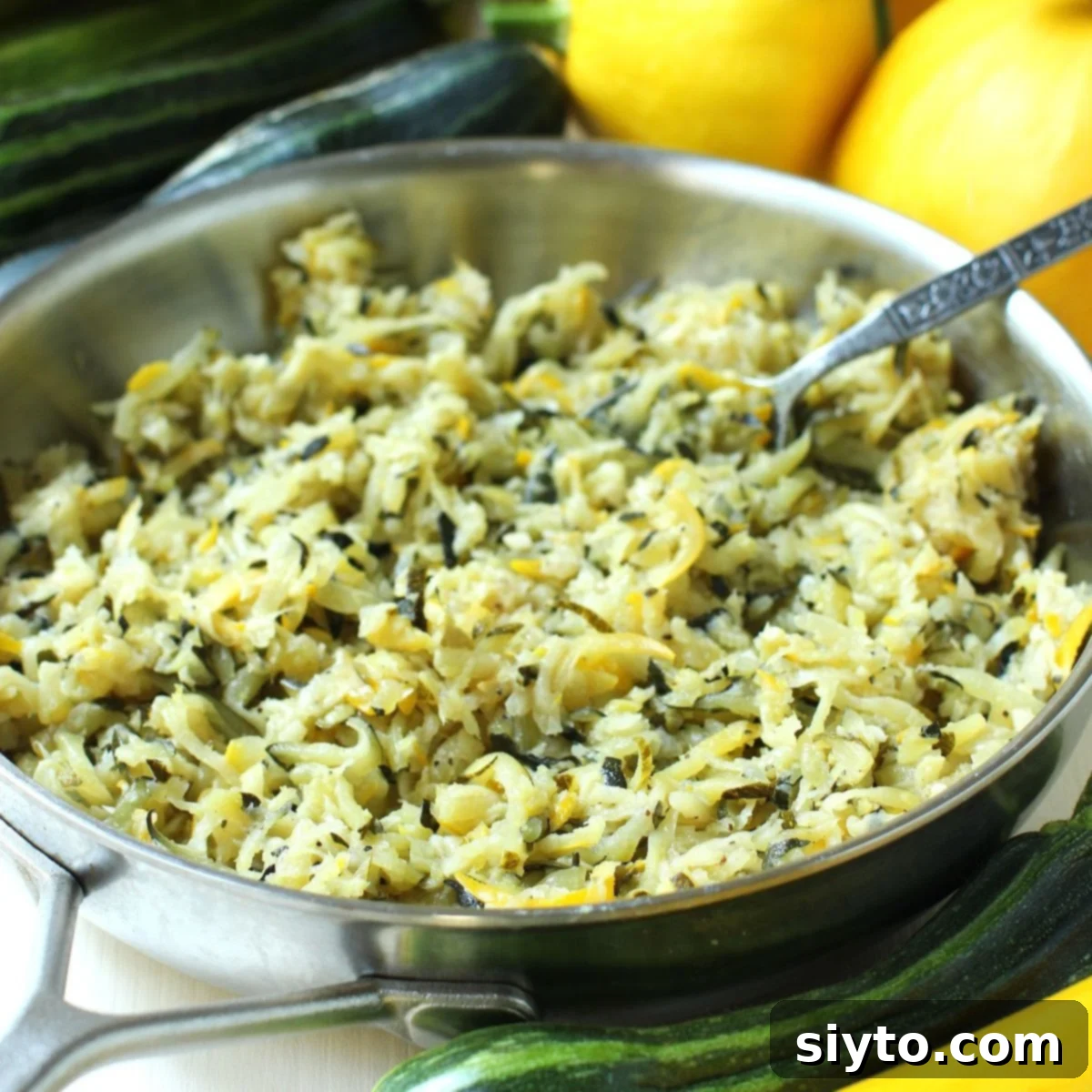
The Ultimate Zucchini Butter Recipe: Your Essential Guide to Preserving Summer’s Bounty
Are you facing a delightful dilemma of an abundant zucchini harvest? Transform that garden bounty into a rich, savory, and incredibly versatile zucchini butter. This delectable base of buttery, perfectly seasoned shredded zucchini will quickly become your secret weapon in the kitchen, simplifying weeknight meals and impressing guests. Imagine effortlessly whipping up quick pasta dishes, comforting soups, hearty stews, elegant appetizers, fluffy omelets, juicy burgers, and so much more. Best of all, you can stash bags or blocks of this culinary magic in your freezer, ready to pull out whenever you need to infuse a meal with gourmet flavor and summer freshness, even in the depths of winter.
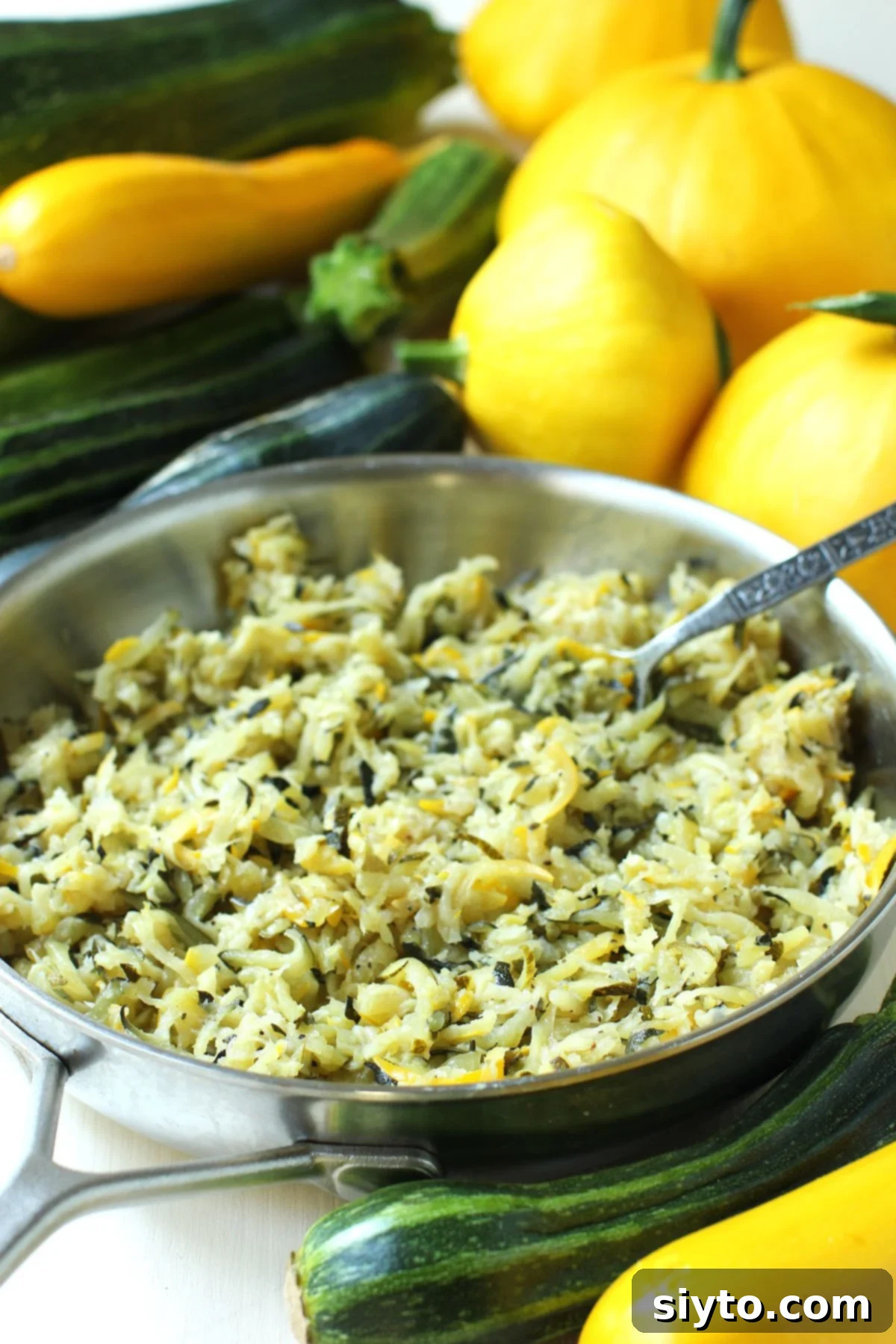
Ah, the joys of gardening! Once again, my garden has generously provided an almost overwhelming abundance of zucchini. It feels like overnight, those tiny blossoms transform into colossal gourds, seemingly multiplying when I’m not looking. It’s a sweet problem to have, of course, but one that demands creative solutions to prevent any delicious produce from going to waste.
I’ve been diligently working through the harvest, turning the vibrant green and yellow squash into a variety of dishes. From piquant zucchini salsa and tangy zucchini relish to comforting zucchini pie, creamy zucchini soup, savory zucchini frittata, and even indulgent zucchini chocolate cake, my kitchen has been a zucchini-processing hub. Yet, despite these culinary efforts, the pile of fresh zucchini hardly seems to diminish as quickly as it reproduces!

It’s at this point, when the zucchini bounty reaches epic proportions, that I turn to my ultimate preservation strategy: Zucchini Butter. This ingenious preparation isn’t just another dish; it’s a game-changer for anyone looking to maximize their harvest and infuse meals with rich, deep flavor.
What is Zucchini Butter?
Zucchini butter is a culinary marvel, a truly delicious transformation of humble shredded zucchini into a rich, meltingly soft, and highly flavorful spread. It starts with delicate strands of zucchini, slowly sautéed in a luxurious blend of olive oil and butter, then infused with aromatic onions, generous amounts of garlic, a splash of dry white wine, bright lemon zest, and a subtle pinch of nutmeg. This slow cooking process allows the zucchini to absorb all these wonderful flavors, developing an incredibly tender, almost jam-like texture. The result is a concentrated, savory base that elevates ordinary ingredients into absolutely mouthwatering meals. It’s more than just a side dish; it’s a secret-recipe foundation that lets you savor the taste of summer’s fresh bounty long after the growing season has ended, acting as a gourmet staple you’ll reach for again and again.

Why You Need Zucchini Butter This Season
Beyond being a fantastic way to handle an abundant harvest, zucchini butter offers incredible culinary value. It’s an essential tool for meal prep, allowing you to transform a large quantity of fresh produce into a convenient, freezer-friendly component. This means less food waste and more delicious, homemade meals ready in a flash. Its rich, umami-packed flavor profile adds depth and complexity to countless dishes, turning simple ingredients into something truly special. Whether you’re a seasoned home cook or just starting your culinary journey, zucchini butter simplifies cooking while maximizing taste, making it an indispensable addition to your kitchen repertoire.
Essential Ingredients for Your Zucchini Butter
Crafting the perfect zucchini butter requires a few key ingredients, each playing a vital role in building its rich and nuanced flavor:
- Zucchini: Naturally, this is the star of the show! Any type of summer squash will work beautifully, whether it’s green or yellow, small or large. For very large zucchini (typically over 10 inches or 25 cm), it’s advisable to remove the seeds and the fibrous center. These parts can become watery and mushy during cooking, detracting from the smooth, buttery texture we’re aiming for.
- Onion: Finely diced, onion provides a foundational aromatic sweetness and depth that complements the zucchini perfectly. Yellow or white onions are generally preferred for their balanced flavor.
- Garlic: This is a non-negotiable ingredient that truly makes the zucchini butter pop! A generous amount of grated or finely minced garlic infuses the mixture with its pungent, savory notes, creating a deeply satisfying flavor.
- Dry White Wine: While the alcohol cooks off completely during simmering, the wine contributes a rich, complex acidity and subtle fruitiness that elevates the overall flavor profile. If you prefer a non-alcoholic option, you can substitute it with an equal amount of chicken or vegetable broth, plus an additional teaspoon of fresh lemon juice to maintain that crucial bright tang.
- Lemon Zest and Lemon Juice: These two citrus elements are critical for making the zucchini butter sing! The zest provides aromatic oils for a vibrant, fresh flavor, while the juice adds a burst of acidity that brightens the entire dish and cuts through the richness of the butter and oil.
- Nutmeg, Salt, and Pepper: These seasonings are essential for a fully balanced and flavorful dish. A pinch of nutmeg might seem unexpected, but it harmonizes beautifully with zucchini, enhancing its natural sweetness and adding a warm, subtle spice. Fine sea salt is used both for seasoning and for drawing out excess moisture from the zucchini, while freshly ground black pepper adds a hint of mild heat and aromatic depth.
Step-by-Step Guide: How to Make Zucchini Butter
Creating this flavorful zucchini butter is a straightforward process, but a few key steps ensure the best possible texture and taste. Follow these instructions to transform your zucchini into a golden, rich spread:
1. Prepare Your Zucchini
The first crucial step is to prepare the zucchini. Begin by trimming off the ends. If you’re working with larger zucchini, typically those longer than about 10 inches (25 cm) or with mature seeds, it’s best to remove the seeds and the loose fibrous material from the center. Simply slice each zucchini in half lengthwise, then use a spoon to scoop out the seeds and any watery, pulpy bits. Discard these, as they tend to become mushy during cooking and can dilute the flavor of your zucchini butter. Once trimmed, shred the zucchini. I highly recommend using a rotary hand shredder for speed and ease, especially if you have a large batch. Alternatively, the large holes on the side of a box grater work perfectly well, or you can use a food processor with a shredding disk for even faster results.
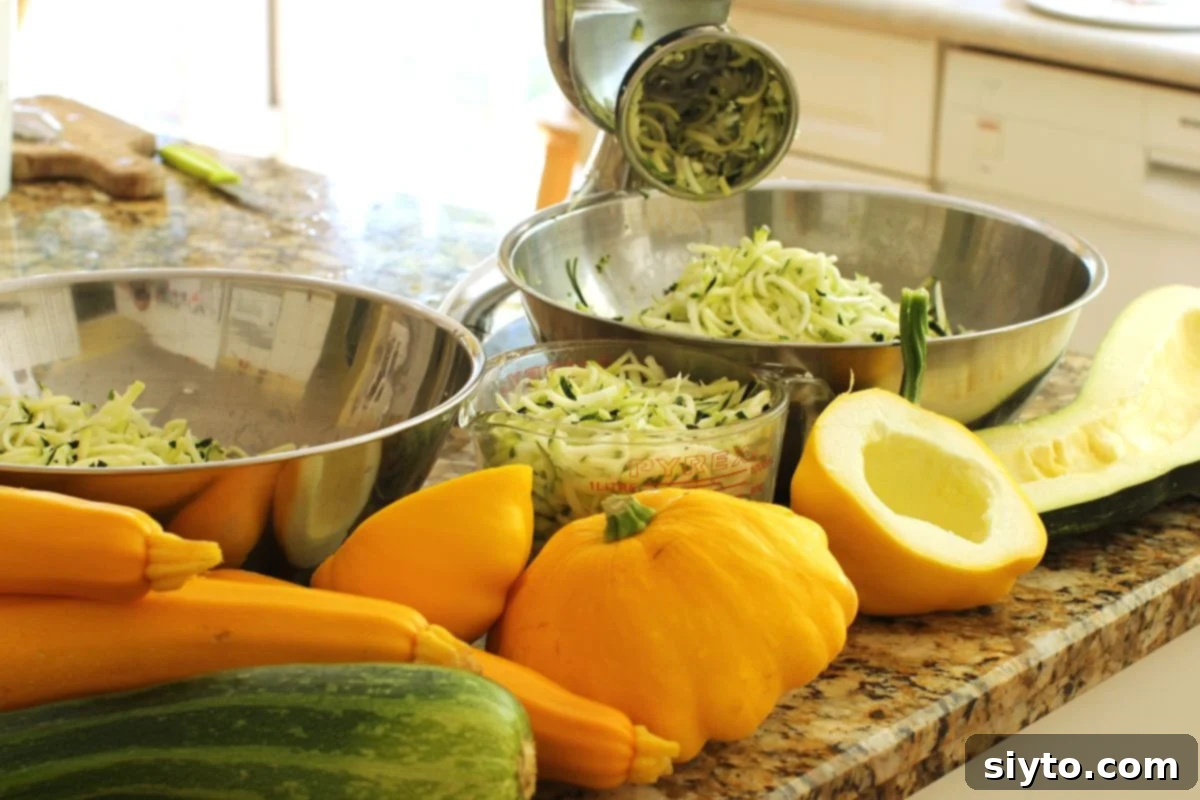

2. Drain the Excess Liquid
This is a critical step that significantly impacts the final texture and cooking time of your zucchini butter. Once shredded, place the zucchini in a large bowl and toss it thoroughly with salt. The salt helps draw out a substantial amount of water through osmosis. Let the salted zucchini sit for about 30 minutes, tossing it every 10 minutes to ensure even distribution and maximum water release. You’ll notice a considerable pool of liquid at the bottom of the bowl. Next, transfer the zucchini to a colander set over another bowl (or directly in the sink) and allow it to drain for 3 to 4 hours. This passive draining removes a significant amount of moisture, preventing the zucchini butter from becoming watery or requiring excessively long cooking times. Most of the salt used for draining will be carried away with the discarded liquid, so it won’t make your final product too salty. If you’re pressed for time, you can expedite this step by wrapping the shredded zucchini in a clean dish towel and vigorously squeezing out the excess liquid.

3. Sauté and Simmer to Perfection
With your zucchini prepped and drained, it’s time to build the flavor. Heat the olive oil and butter in a large Dutch oven or a heavy-bottomed soup pot over medium-high heat. Once the butter is melted and shimmering, add the finely chopped onion and minced garlic. Sauté, stirring frequently, for 3-4 minutes until the aromatics are softened and fragrant but not browned. Next, add the well-drained zucchini along with the dry white wine, lemon zest, lemon juice, nutmeg, and the initial seasonings of salt and pepper. Increase the heat slightly and cook, uncovered, stirring every few minutes. The goal here is to evaporate most of the liquid released by the zucchini and the added wine. Once the mixture begins to thicken, reduce the heat to medium-low and continue to cook, stirring more frequently, until all the liquid has completely evaporated and the zucchini is meltingly tender, buttery, and incredibly aromatic. This entire cooking process will take approximately 30 minutes, resulting in a rich, concentrated “butter.” Taste the mixture and adjust seasonings as needed; it should be robustly flavored. You can use the zucchini butter as is, retaining its delightful shredded texture, or for a smoother, paste-like consistency, transfer it to a food processor and pulse until it reaches your desired chunkiness. I personally prefer it a bit coarser, as the texture adds character to dishes, but feel free to tailor it to your preference.
Preserving Your Delicious Zucchini Butter
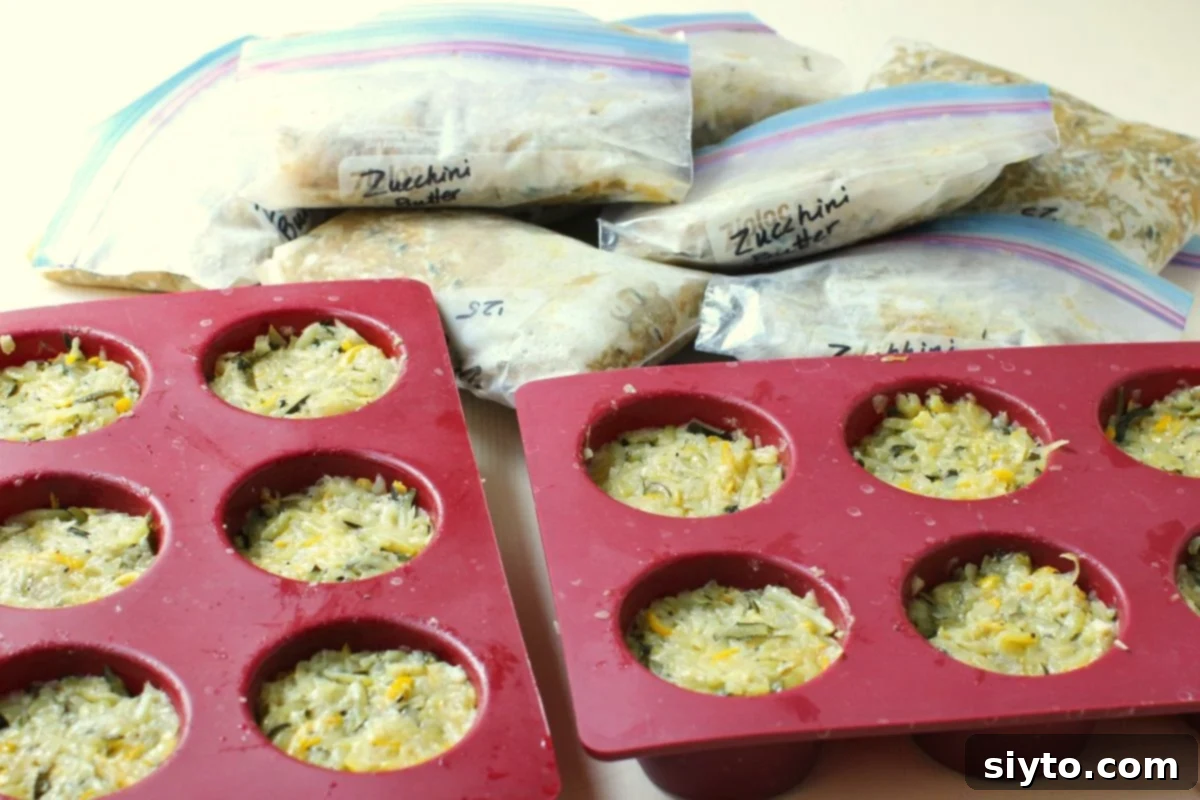
One of the best features of zucchini butter is how easily it can be preserved, allowing you to enjoy summer’s flavors all year round. Once cooked, let the zucchini butter cool completely to room temperature. This is essential for preventing ice crystals and freezer burn. For easy portioning, measure out the amounts you wish to freeze. I find packing 2-cup portions into heavy-duty freezer bags ideal for pasta dishes (serving 4), while ½-cup portions are perfect for individual servings or adding to smaller meals. When using freezer bags, flatten the zucchini butter into a thin, even layer – this speeds up both freezing and thawing. Squeeze out as much air as possible before sealing, then label each bag with the date and amount. It will keep beautifully in airtight bags for up to a year. Alternatively, for even more convenience, pack ½-cup portions into silicone muffin cups. Freeze them until solid, then pop out the frozen pucks and transfer them to a large gallon-sized freezer bag. These frozen “pucks” are incredibly handy; simply remove one or more as needed, and they can be stored for up to 6 months.
Endless Culinary Possibilities: How to Use Zucchini Butter
The true magic of zucchini butter lies in its incredible versatility. Once you have a batch (or several frozen portions) on hand, a world of quick, delicious meals opens up. It’s a flavor booster that can transform almost any dish, adding richness, depth, and a vibrant taste of summer. Here are a couple of detailed ideas, followed by a plethora of other creative ways to incorporate this culinary gem into your everyday cooking:
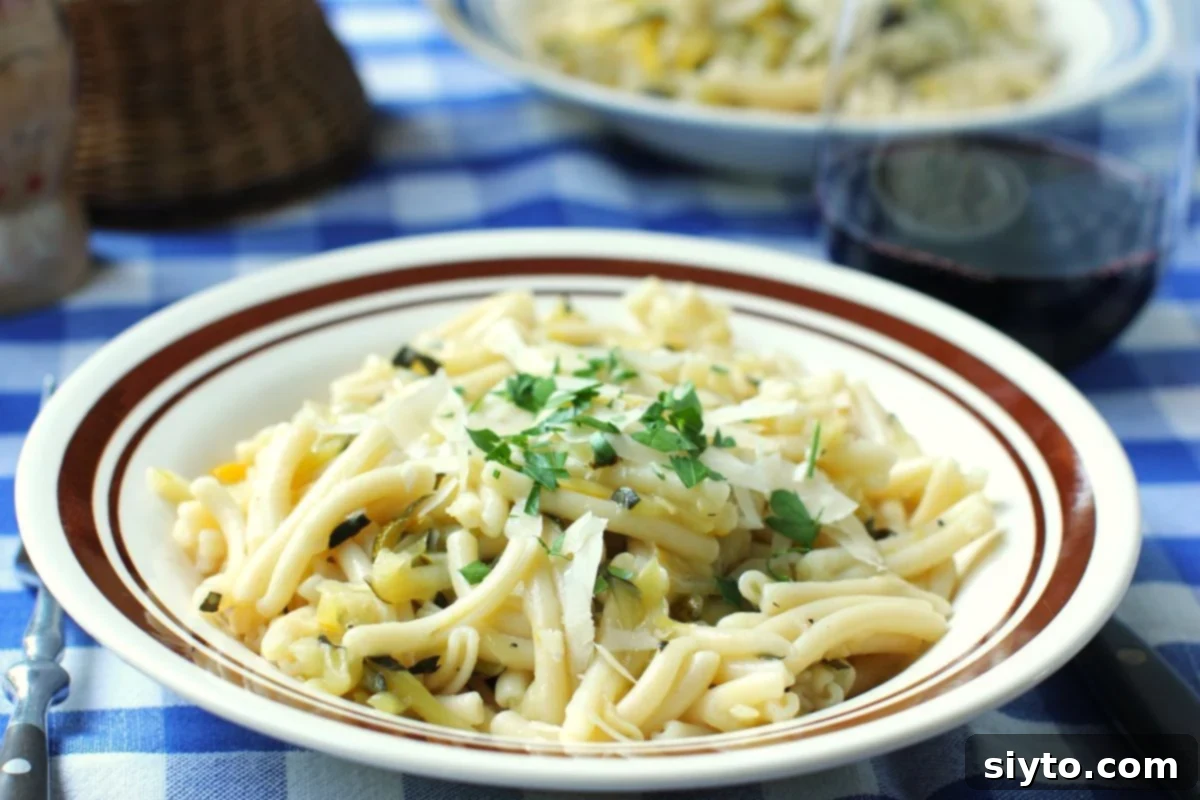
1. Quick & Creamy Zucchini Butter Pasta
This is arguably one of the most delightful and easiest ways to enjoy zucchini butter. For two generous servings, bring a pot of salted water to a rolling boil and cook 8 ounces (225 g) of your favorite pasta (gluten-free options work wonderfully too) until al dente. Before draining, reserve about 1 cup of the starchy pasta water. In a large skillet, heat approximately 1 cup (or more, depending on your preference) of the zucchini butter with about half a cup of the reserved pasta water. The pasta water helps loosen the zucchini butter into a luscious sauce. Add the drained, cooked pasta to the skillet, tossing vigorously to coat every strand. If the sauce seems too thick, add more pasta water, a tablespoon at a time, until it reaches your desired consistency. Serve immediately with a generous sprinkle of shaved Parmesan cheese, a scattering of fresh parsley or basil, and a final drizzle of high-quality olive oil. The result is a simple yet sensational meal that tastes wonderfully rich and fresh.
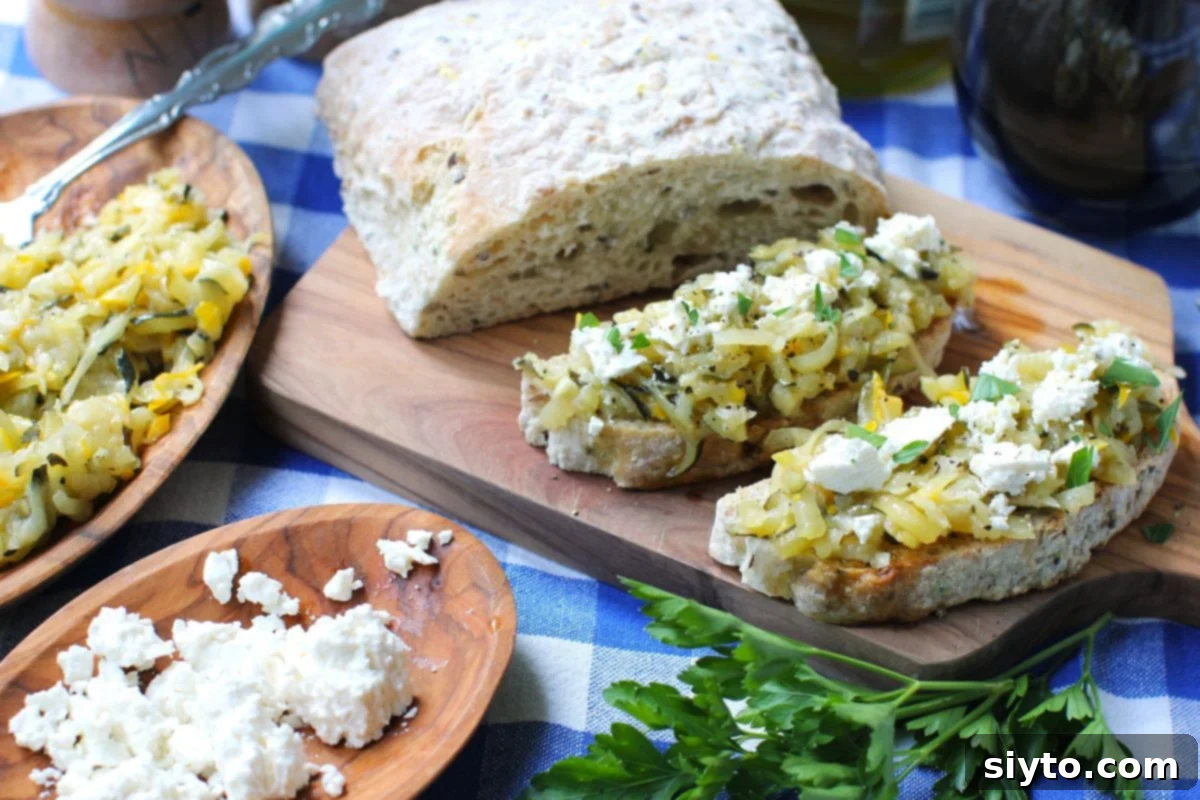
2. Elegant Zucchini Butter Crostini
For a sophisticated appetizer or a light snack, Zucchini Butter Crostini is an absolute winner. Begin by toasting slices of crusty baguette or your favorite artisanal bread until golden. While still warm, gently rub each slice with a cut clove of garlic to infuse it with a subtle aromatic kick, then drizzle lightly with olive oil. Top each crostini with a generous dollop or “tangle” of zucchini butter. For an extra layer of flavor and texture, crumble some salty feta cheese over the top. You can further enhance this by adding a sprinkle of freshly chopped parsley or dill for herbaceous notes, or a pinch of dried red pepper flakes if you enjoy a touch of heat. A final drizzle of olive oil before serving adds a luxurious finish. These crostini are not only beautiful but burst with fresh, savory flavors.
More Creative Uses for Zucchini Butter
Beyond these featured recipes, your versatile stash of zucchini butter can be utilized in countless other ways:
- Soup Base: Use it as a rich base for vegetable soups or stir it into an existing soup for added texture, depth, and a fresh garden flavor.
- Casserole Enhancer: Mix it into any casserole recipe to boost moisture and introduce a subtle, savory vegetable note.
- Pasta Sauce Booster: Stir it into classic pasta sauces like marinara or bolognese to add complexity and a hint of Mediterranean flair.
- Omelet or Crepe Filling: It makes a wonderfully flavorful and satisfying filling for omelets, scrambled eggs, or savory crepes, optionally paired with cheese or a protein.
- Under Roasted Meats: Spread it as a bed under roasted chicken, fish (especially salmon!), or pork to keep the meat moist and infuse it with rich flavor.
- Mashed Potato Variation: Fold it into mashed potatoes for a unique twist, similar to Irish colcannon, adding a savory vegetable dimension.
- Sandwich Spread: Use it as a gourmet spread in sandwiches, to top off a juicy burger, or stuffed into a pita with other fresh fillings.
- Quiche or Frittata Ingredient: Incorporate it into your quiche or frittata mixtures for added flavor and a tender texture.
- Caramelized Onion Alternative: Use it in place of caramelized onions in recipes that call for a sweet, savory, and slow-cooked aromatic.
- Meatloaf Stuffing: Mix it into meatloaf mixtures for added moisture, flavor, and vegetable goodness, or use it as a flavorful layer within.
- Empanada or Dumpling Filling: Combine it with other ingredients to create a delicious, savory filling for empanadas, dumplings, or hand pies.
- Ravioli Filling: Blend it with ricotta cheese and extra seasonings for a unique and flavorful ravioli or tortellini filling.
- Simple Side Dish: Serve it warm as an elegant and easy vegetable side dish alongside any main course.
- Pizza Base: Use it as a flavorful base sauce on a pizza instead of traditional tomato sauce, topping with mozzarella and fresh herbs.
- Stir-Fry Addition: Stir a spoonful into your favorite stir-fry towards the end of cooking for an instant flavor boost.
Want to receive new Kitchen Frau recipes directly to your email as soon as they’re posted? Sign up here and you’ll get bits of news updates on what’s happening in my kitchen and garden, plus a handy and useful kitchen tip along with each recipe, too. (No spam ever.)
If you like my recipes, follow me on Instagram, Pinterest, X, and Facebook. You’d make my day. 😊
Guten Appetit!
Zucchini Butter Recipe

By Margaret Bose Johnson
Zucchini butter is a savory base of buttery, seasoned, sautéed shredded zucchini, cooked until meltingly soft. Freeze it for later use in making a delicious pasta, on crostini, in soups, omelets, casseroles, sandwiches, burgers, or as a veggie side dish.
Prep Time: 15 mins
Cook Time: 30 mins
Draining Time: 4 hrs
Total Time: 4 hrs 45 mins
Course: Meal Prep, Preserving
Cuisine: American, Canadian
Servings: 7 (½-cup each)
Calories: 129 kcal
Ingredients
- 8 cups (1200 g) shredded zucchini, lightly packed to measure
- 1 teaspoon fine sea salt, for salting the zucchini to remove excess liquid
- 2 tablespoons olive oil
- 2 tablespoons butter
- ½ cup finely chopped onion (1 medium onion)
- 3 cloves garlic, grated or finely minced (1 tablespoon)
- ½ cup (120 ml) dry white wine
- Zest of half a lemon, finely grated (1½ teaspoons)
- 2 teaspoons lemon juice
- ⅛ teaspoon nutmeg
- ½ teaspoon fine sea salt, plus more to taste
- ½ teaspoon pepper
Instructions
- Trim the ends from the zucchini. If they are larger than about 8 inches (20 cm), cut the zucchini in half lengthwise and remove the seeds and loose fibrous material in the center by scraping it out with a spoon. Shred the zucchini on the large holes of a box grater and pack it lightly to measure out 8 cups (1200 g).
- Put the shredded zucchini into a large bowl and toss it with the 1 teaspoon of salt. Let it sit for 30 minutes, tossing it every 10 minutes, to allow the salt to draw the liquid out of the zucchini. A lot of water will accumulate in the bottom of the bowl.
- Transfer the zucchini to a colander set over a larger bowl to catch the liquid (or set it into the sink to drain) for 3 – 4 hours. Discard the liquid. Alternatively, if you’re in a rush, you can squeeze out the excess liquid by wringing the zucchini out in a clean tea towel.
- Heat the oil and butter over medium-high heat in a large dutch oven or heavy-bottomed soup pot. Add the onion and garlic and cook, stirring often, for 3-4 minutes or until it is cooked and softened.
- Add the drained zucchini, wine, lemon zest, lemon juice, nutmeg, salt, and pepper.
- Cook over medium-high heat, uncovered, and stirring every few minutes, until most of the liquid has cooked off. Lower the heat to medium and continue cooking the zucchini, stirring often, until all the liquid has evaporated and the mixture is just starting to ‘stick’ to the bottom of the pan (but don’t let it burn). This whole process will take about 30 minutes.
- Taste and add more salt if needed. The mixture should be well seasoned.
- Allow the zucchini butter to cool completely, then use it in your dish of choice or freeze portions in heavy-duty freezer bags – squeeze out all the air, seal, label, and freeze. Or pack portions into silicone muffin cups and freeze solid, then pop out of the muffin cups and store the frozen zucchini pucks in a large heavy-duty freezer bag. It will keep in the airtight bags for up to a year in the freezer and in the frozen ‘pucks’ for up to 6 months.
- Makes about 3½ cups of zucchini butter.
Notes
- Chop the onion and garlic finely in a mini chopper or food processor to save time.
- Don’t forget to allow for draining time – prepare and salt and drain the zucchini 4 hours before you plan to cook it.
- You can also grind the finished, cooked zucchini butter in the food processor if you prefer more of a paste than the loose shreds of zucchini.
Nutrition Facts
- Serving: 0.5 cup
- Calories: 129 kcal
- Carbohydrates: 10 g
- Protein: 4 g
- Fat: 8 g
- Saturated Fat: 3 g
- Polyunsaturated Fat: 1 g
- Monounsaturated Fat: 4 g
- Trans Fat: 0.1 g
- Cholesterol: 9 mg
- Sodium: 548 mg
- Potassium: 747 mg
- Fiber: 3 g
- Sugar: 7 g
- Vitamin A: 713 IU
- Vitamin C: 51 mg
- Calcium: 54 mg
- Iron: 1 mg
Tried this recipe? Let us know how it was!