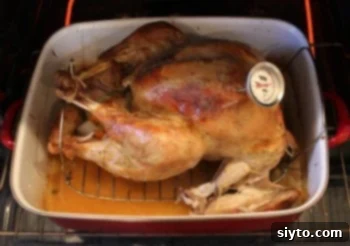
Mastering the Perfect Holiday Turkey: Maple Mustard Glaze & Killer Gluten-Free Gravy
The holiday season brings with it the cherished tradition of a festive feast, and at its heart often lies a beautifully roasted turkey. If the thought of roasting a turkey feels daunting, fear not! This comprehensive guide will walk you through every step, ensuring you achieve a magnificent, golden-brown bird with minimal stress. We’ll elevate your holiday table with a delectable Maple Mustard Glaze that guarantees a moist and flavorful turkey, and a truly extraordinary, gluten-free gravy that will have everyone asking for your secret. Prepare to become the star of your holiday gathering! (Jump to the full recipe details.)
Imagine the scene: the grand holiday bird, perfectly roasted to a shimmering golden bronze, taking center stage on your table. Its enticing aroma fills the air, signaling that a memorable feast is about to begin. This iconic image, often associated with holiday celebrations, is more achievable than you might think. With a few smart techniques and a touch of culinary creativity, you can transform a simple turkey into a show-stopping masterpiece.
Don’t let the size of a turkey intimidate you. Many home cooks feel overwhelmed by the prospect of roasting such a large bird, but with the right approach, the process becomes surprisingly straightforward and enjoyable. The key lies in understanding a few fundamental principles that guarantee a juicy, flavorful turkey every time. Once you master these tricks, you’ll confidently claim your title as the Gobbler-Roasting guru, ready to impress family and friends alike.
One of the most common challenges in turkey roasting is achieving a beautifully basted breast without the mess of constantly brushing butter. After much contemplation, a “Eureka!” moment led to a brilliant technique: a flavorful butter log tucked beneath the skin. This method ensures that the butter slowly melts, continuously basting the breast meat from the inside out, resulting in unparalleled moistness and a gorgeously browned skin. The genius of this approach is that the maple and mustard in the butter mixture prevent it from freezing too hard, making it easy to slice and tuck into place in mere seconds. While others may have discovered this technique independently, it revolutionized my own turkey roasting, proving to be a true game-changer. Beyond its practical benefits, the sweet and tangy maple mustard flavor wonderfully complements the turkey, infusing it with a rich depth that also enhances the finished gravy.
And speaking of gravy, a truly exceptional gravy can elevate any holiday meal from great to unforgettable. Our “killer gravy” recipe incorporates a few culinary secrets passed down through generations. Using aromatic vegetables to build a robust broth base is a trick I learned from a German friend, adding layers of savory flavor. My mother’s secret ingredient, star anise, provides a subtle, warm, and intriguing hint that will have your guests wondering, “What is that delicious flavor?” This unique spice, a staple in her chicken soup, naturally adds an extraordinary dimension to turkey gravy. For the perfect texture, consider using sweet rice flour (often labeled mochiko or glutinous rice flour). This ingredient is your secret weapon for a silky-smooth, lump-free, and naturally gluten-free gravy. It’s well worth keeping in your pantry for all your gravy needs, delivering consistent, impeccable results every time.
Recipe: How to Roast a Turkey with a Maple and Mustard Glaze and a Killer Gravy
Ingredients for the Flavored Basting Butter:
- ½ cup (115gm) salted butter, very soft
- 2 tablespoons (30ml) maple syrup
- 2 tablespoons (30ml) Dijon mustard
- 1 teaspoon (5ml) poultry seasoning
Ingredients for the Turkey and Gravy:
- 1 turkey, 16 pounds (7 kg) or larger
- 6 cups water
- 2 carrots
- 2 stalks celery
- 1 onion
- 3 bay leaves
- 1 star anise pod
- ½ teaspoon (2.5ml) whole black peppercorns
- Neck and giblets from turkey (excluding liver for gravy, see instructions)
- 1 teaspoon salt plus more to taste
- Pepper, to taste
- ¼ cup to ½ cup (60-120ml) sweet rice flour* or regular all-purpose flour
Step-by-Step Guide: Roasting Your Perfect Turkey
Day Before Roasting: Prepare the Glazing Butter
Start your preparations a day before you plan to roast the turkey. This step can conveniently be done when you take the turkey out to thaw, ensuring you don’t forget it amidst other holiday preparations. In the bowl of a stand mixer, or using a hand mixer, combine the very soft salted butter, maple syrup, Dijon mustard, and poultry seasoning. Beat until the mixture is completely smooth and well-incorporated. (While you can do this by hand, a mixer will achieve a smoother consistency much faster). This flavored butter is key to our fantastic turkey.
Divide the prepared butter mixture into two equal portions. Place one portion into a small, covered container and leave it at room temperature. This will be used for exterior basting later. The second half is for our ingenious under-the-skin basting technique. Spoon this half onto a square of plastic food wrap or wax paper. Using a spatula or spoon, shape it into a neat log, approximately 3 inches (7.5 cm) in length. Ensure the ends are flattened and the log is well-wrapped to maintain its shape.
Place the wrapped butter log on a flat surface in your freezer. It needs to freeze until completely solid. This freezing step is crucial as it allows us to slice the butter thinly and neatly, making it incredibly easy to tuck under the turkey skin without any mess.
Several Hours Before Roasting: Turkey Preparation
On the day of roasting, several hours before you plan to put the turkey in the oven, remove it from the refrigerator. Allow it to come to room temperature. This helps the turkey cook more evenly and prevents the outer layers from drying out while the center catches up. This step is often overlooked but significantly contributes to a perfectly roasted bird.
Carefully remove the neck and any giblets (often found in a small paper packet) from both cavities of the bird. Reserve these for the gravy. Rinse the turkey thoroughly inside and out with cold water. Pat the turkey completely dry with paper towels. A dry skin is essential for achieving that desirable crispy, golden-brown finish.
Preheat your oven to 325°F (160°C). Make sure to remove any oven racks that might obstruct the turkey, especially if you have a large bird and roasting pan.
Applying the Secret Glazing Butter
Retrieve your frozen butter log from the freezer. Using a sharp knife, slice the solid butter log into thin, coin-like slices. These precise slices are what make this technique so effortless and effective.
Now for the magical part: gently slide your fingers underneath the skin on the turkey breast, working slowly and carefully to separate the skin from the meat. Create a pocket large enough to accommodate the butter slices. Take the thin butter slices, one at a time, and tuck them evenly under the skin, spreading them out over the entire breast area. Don’t worry if the turkey breast looks a bit lumpy at this stage; as the butter melts during roasting, it will baste the meat beautifully, and the skin will smooth out, becoming wonderfully taut and golden.
Stuffing with Aromatics & Trussing
Peel and chop the carrots, onions, and celery into large, rustic dices. Place two of the bay leaves into the main cavity of the turkey, then add the diced vegetables. These aromatics will infuse the turkey with subtle flavor from the inside as it roasts, contributing to a richer final taste.
Trussing helps the turkey cook more evenly and maintain a compact, attractive shape. You can do this by tying the legs together with kitchen twine. If your turkey comes with a flap of skin at the tail end, you can often tuck the ends of the legs underneath it. Also, tuck the wing tips under the back of the turkey to prevent them from burning. If the legs come loose during roasting, simply re-tie them with twine.
Setting Up for Roasting
Place the turkey, breast side up, on a sturdy roasting rack inside a large roasting pan. Using your fingers, rub a thin layer (about one tablespoon) of the reserved soft glazing butter all over the exterior skin of the turkey. This initial layer will help kickstart the browning process and add another dimension of flavor.
Pour 2 cups of water into the bottom of the roasting pan, around the turkey. This water serves multiple purposes: it prevents drippings from burning, creates a moist environment for the turkey (which helps prevent drying out), and forms the initial base for your incredible gravy. If your roaster has a lid, cover it. Otherwise, create a tight tent over the turkey with heavy-duty aluminum foil, sealing it firmly around the lip of the roasting pan. This ensures the turkey steams gently in the moist heat.
Carefully place the turkey into your preheated oven.
Preparing the Gravy Base: The Simmering Broth
While your turkey begins its roasting journey, turn your attention to the gravy base. Place the reserved turkey neck and giblets (excluding the liver, see note below) into a saucepan. Add the remaining 4 cups of water, along with one bay leaf, the star anise pod, and the whole black peppercorns. This combination of ingredients will create a deeply flavorful broth.
Bring the contents of the saucepan to a boil. Once boiling, reduce the heat to low, cover the saucepan, and allow it to simmer gently for the entire duration the turkey is roasting. This slow simmering extracts maximum flavor from the neck and giblets, forming the rich foundation for your gravy. The heart and gizzard contribute excellent savory notes. However, if your giblet packet contains the liver, it’s crucial to remove it as soon as the water comes to a boil. Prolonged simmering of liver can impart a bitter taste to your gravy. You can reserve the liver for another purpose (some pets enjoy it cooked) or simply discard it.
Roasting Time and Basting
Allow the turkey to roast for approximately 15 minutes per pound, or slightly less, using guidelines for ‘unstuffed’ turkeys. The cut-up vegetables inside are much less dense than traditional bread stuffing and allow warm air to circulate freely. During the final hour of baking, periodically baste the bird with the remainder of the soft maple-mustard butter, brushing it generously over the skin using a pastry brush. This final basting helps create a beautifully golden and flavorful crust.
To ensure perfect doneness, insert a meat thermometer into the thickest part of the turkey breast, making sure it doesn’t touch any bone. Begin checking the temperature after about 3 hours of roasting. I’ve found that roasting the turkey in a covered pan with water in the bottom tends to cook it faster than traditional methods due to the moist heat environment. The turkey should brown beautifully if your roaster is large enough and has a lid. However, if you desire a deeper golden-brown skin, remove the lid (or foil) during the last 30 to 60 minutes of the roasting time.
The turkey is done when the internal temperature of the breast meat reaches 170°F (77°C). Once it reaches this temperature, carefully remove the turkey from the oven. Transfer it to a large rimmed cookie sheet or a sturdy cutting board. Using a large spoon, remove the roasted vegetables from the cavity and reserve them. Tent the entire turkey loosely with aluminum foil and let it rest for at least 30 minutes. This resting period is absolutely crucial; it allows the juices to redistribute evenly throughout the meat, ensuring maximum moistness and tenderness when carved. Do not skip this step!
While the Turkey is Resting, Make the Gravy:
This is where your “killer gravy” comes to life! Carefully pour all the accumulated juices and drippings from the roasting pan through a fine-mesh strainer into a large saucepan. Also, strain the rich liquid from the simmering neck and giblets into the same saucepan, discarding the solids. Using a large spoon, skim off as much fat as you can from the top of the broth, leaving behind only a few tablespoons to contribute flavor and richness to the gravy. (Kitchen Frau Tip: Don’t discard this delicious combination of melted basting butter and turkey fat! It’s fantastic for adding incredible flavor to mashed potatoes, or you can refrigerate the rest to use for frying or sautéing later.)
Add the reserved diced roasted vegetables from the turkey cavity to the broth in the saucepan. Bring the mixture to a boil and let it simmer vigorously for about 5 minutes. This brief boil helps extract any remaining delicious flavors from the vegetables and intensifies the broth. Using a slotted spoon, remove the softened vegetables from the broth and transfer them to a small serving bowl. Keep them warm; tossed with a bit of butter, salt, and pepper, they make a wonderful accompaniment to the turkey.
Now, add the initial teaspoon of salt to the broth. For thickening, we’ll create a smooth slurry. In a small jar with a tight-fitting lid, combine ¼ cup of sweet rice flour with about ½ cup (120ml) of cold water. Secure the lid and shake vigorously until there are absolutely no lumps remaining. This method prevents lumps in your gravy.
Bring the broth back to a boil. While constantly whisking the broth with one hand, slowly pour the flour slurry into the saucepan in a steady, thin stream with your other hand. Continue whisking until the gravy thickens to your desired consistency. If it’s not quite as thick as you prefer, prepare a little more flour and water slurry and whisk it in small amounts until perfect. Taste the gravy and season it generously with pepper. Adjust the salt as needed; gravies often require more salt than you might expect, sometimes up to an additional teaspoon, as their saltiness can be diminished when served with mashed potatoes or other unseasoned dishes. This gravy should be rich, savory, and perfectly balanced. The result is truly one killer gravy, yielding about 5 cups (1.25 liters) of liquid gold.
Keep the gravy warm over low heat while you turn your attention to carving the magnificent turkey. Or, even better, delegate the carving task to a willing volunteer so you can relax and admire your culinary triumph!
Kitchen Frau Tip: Easy Turkey Breast Carving
For an effortlessly carved turkey breast, try this technique: gently pry each breast-half loose from the breastbone with your fingers. The meat should separate fairly easily after resting. Once you have each breast-half in one piece, place it on your cutting board and slice it crosswise into elegant, even portions. This method ensures uniform slices and keeps the meat incredibly moist.
Kitchen Frau Note: The Magic of Sweet Rice Flour
*I enthusiastically recommend sweet rice flour for gravy for a reason: it creates a foolproof, beautifully silky, and lump-free gravy every single time. Any tiny lumps that might form easily whisk out, and the texture never becomes gummy or gluey, unlike some other thickeners. You can typically find sweet rice flour at health food stores, Asian import markets, and sometimes in the gluten-free section of larger supermarkets. In Asian markets, it’s often labeled ‘mochiko’ sweet rice flour or ‘glutinous rice flour.’ Despite the name “glutinous,” it contains absolutely no gluten, making it a fantastic option for those with gluten sensitivities. It’s also not sweet. Its unique properties simply allow it to bind gravies much more effectively than regular rice flour and provide a lighter consistency than traditional wheat flour, yielding a superior gravy.
Guten Appetit! Enjoy your magnificent holiday feast!
Want to receive new Kitchen Frau recipes directly to your email? Sign up here and you’ll get a handy and useful kitchen tip along with each recipe, too. (No spam ever.)
If you like my recipes, follow me on Instagram, Pinterest, Twitter, and Facebook. You’d make my day!
Serve your turkey with:
Spiced Pear Cranberry Sauce with Red Wine and Honey
Hot Curried Peaches
Classic Mashed Potatoes
Use your leftover turkey to make:
White Turkey Chili
Turkey and Potato Puff
Turkey Soup or Stock
Turkey Fricassée