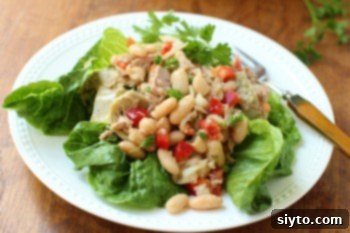
Delicious & Easy Tuna & Cannellini Bean Salad: Your Go-To Meal for Busy Days
Imagine a vibrant, flavorful bean salad, generously packed with wholesome ingredients like flaky tuna, crisp red pepper, and tender artichoke hearts. This isn’t just a side dish; it’s a complete, satisfying meal in itself! What makes it even better? Its incredible convenience. This zesty tuna and cannellini bean salad is a dream for meal prep, easily made ahead for lively picnics, bustling potlucks, or those essential packed lunches. It’s the perfect solution that allows you to spend less time in the kitchen and more time enjoying the great outdoors – perhaps even nurturing your garden!
For those of us cultivating gardens in northern climates, the endeavor is far from a leisurely pastime. It’s a relentless dance with nature, often feeling like a principle of ‘two steps forward and one step back’ – a continuous battle against forces largely beyond our control. Our deeply cold winters, where temperatures routinely plummet to an astonishing -40°C (though a “mild” year might only dip to -30°C), are just the beginning. These extreme conditions combine with unpredictable late spring blizzards and an early arrival of fall frosts, collectively ravaging our hardy zone 3 gardens year after year. Every season brings new challenges, demanding resilience and a deep understanding of our unique environment.
These severe winter conditions impose significant restrictions on the types of trees and shrubs that can genuinely thrive and survive in our region. As intrepid northern gardeners, we dedicate immense care and effort to nurturing our trees, shrubs, and perennials. Each plant receives loads of tender loving care, from careful planting to strategic protection. Then, every spring, we hold our breath, anxiously awaiting to see which of our beloved specimens have bravely endured the harsh winter months. It’s a bittersweet moment when a tree that has miraculously survived for a decade or more inexplicably fails to revive in the spring, leaving us with the arduous task of digging it out and starting the journey all over again. Compounding these natural challenges, we often lose precious trees and shrubs to the appetites of local wildlife predators. Majestic moose, standing an impressive 6 feet (2 meters) high at the shoulder, effortlessly reach and chomp off all the tender new branches they can access (just like this moose visiting our acreage, and this one at my mom’s). Herds of deer also frequent our yards, meticulously pruning and pawing at plants, shaping them to their liking. And, at ground level, mice can silently strip the bark off young trees right at snow level, a devastating act that effectively kills the entire tree down to its roots. These ongoing battles make every successful growing season feel like a hard-won victory.
And then, there are porcupines.
Initially, one might describe them as cute, with their velvety noses, slow, waddling gait. However, for a gardener, a different picture emerges: menacing, bark-chomping, tree-disfiguring, utterly dastardly porcupines. Their seemingly innocent presence can lead to significant destruction.
Please forgive my momentary, albeit passionate, rant against what are typically considered “cute” animals. But consider this little critter with the big brown eyes that visited our apple trees last fall (I know, I know, he is undeniably cute):
This “charming” visitor returned to our property during the winter months and wreaked absolute havoc, leaving this devastating damage to our cherished trees:
Observe closely where that seemingly harmless rodent meticulously chewed the bark clean off the branches. This extensive damage means we now face the unfortunate necessity of pruning off those branches below the stripped areas. Without their bark, the upper sections are deprived of essential nutrients and will inevitably die. After years of dedicated care – building protective cages around young trees to deter deer, diligently watering, fertilizing, and hoping – our trees will now be disfigured and lopsided. What little remains might not even survive the heavy pruning. We will face another long wait for new growth, and it’s highly likely the trees will never regain their natural, healthy appearance. This devastation doesn’t even account for the significant loss of fruit production from our favorite apple tree, three cherry trees, and one ornamental crabapple tree – all of which the porcupine treated as his personal, all-you-can-eat buffet dinner.
And that dear little porcupine (please forgive my sarcasm; I know animal lovers will undoubtedly gasp) inflicted even more grief upon us! Not only did it ruin five beautiful trees, but towards the end of last summer, our beloved dog, Pippa, had an unfortunate run-in with his charming prickles. Canine curiosity, as it often does, got the better of Pippa. The result was a mouth full of quills and a frantic late-night dash to the veterinary emergency clinic, located an hour’s drive away. There, the vet had to sedate her to meticulously remove over 200 quills from her mouth – a traumatic experience for everyone involved. The resulting bill was a choke-inducing $700, a painful reminder of the encounter.
Let me assure you, I no longer perceive that porcupine as cute in the slightest. At. All. My patience has worn thin, and my opinion has drastically shifted.
Should he ever dare to show his velvety nose in our yard again, rest assured, I will be out there, jumping up and down, determined to chase him away as swiftly as his clumsy little body can lumber. You have been warned, Mr. Porcupine! This gardener has had enough.
So, you might be asking, what does this entire saga of northern gardening, persistent wildlife, and expensive vet bills have to do with a simple Tuna and Cannellini Bean Salad?
Well, it’s a wonderfully convoluted story, but gazing at those porcupine-damaged trees, I’m still filled with the undeniable realization that spring is vigorously poking its verdant green nose into every corner of our yard and garden. Despite the setbacks, life persists and thrives. Our magnificent pear tree, for instance, is currently in full, glorious bloom, a breathtaking spectacle of white blossoms against the emerging green.
Along the garden path, patches of azure blue squills create delicate waves of color, a vibrant carpet against the awakening earth.
Even our motley crew of chickens is visibly happier, eagerly escaping the confines of their coop to scratch around freely in the rich, thawing dirt, enjoying the fresh air and space.
Witnessing all these delightful signs of our unseasonably early spring here in northern Alberta (in many years, we can still have snow on the ground well into April) fills me with an irrepressible itch to get out into the garden. There’s a magnetic pull towards the soil, a desire to dig, plant, and nurture. Knowing that I’ll be spending hours immersed in gardening pleasures makes me think ahead, particularly about preparing nourishing meals before I even step outside. If I become completely lost in the satisfying rhythm of gardening and happen to forget to come inside in time to prepare a warm meal, there’s absolutely no need to worry. I can simply anticipate a delightful bowl of this hearty bean salad, perfectly chilled and waiting for me in the fridge. This foresight is a game-changer. I can shed my dusty boots, wipe my grubby hands on my well-worn jeans, and then effortlessly assemble a quick platter of crackers and cheese, accompanied by a few refreshing veggie sticks. In mere moments, I’ve got a delicious, wholesome meal on the table, requiring minimal effort and attention. An added bonus? There are very few dishes to contend with afterward, which means I can head back out more quickly after dinner to enjoy a little more digging in the dirt. This allows me to savor those precious evening hours before it’s truly time to come in, transform into an exhausted couch potato, and inevitably doze off, snoring inelegantly in front of the evening news on television. This simple salad grants me the freedom to maximize my outdoor time and still enjoy a fulfilling meal, even on the busiest of gardening days.
So now you see the intricate, yet perfectly logical, connection: porcupines cause tree damage, which signifies spring’s arrival, which ignites the urge for extensive gardening, which in turn necessitates quick, easy, and satisfying meals, leading directly to the creation and appreciation of this wonderful bean salad. It all makes perfect sense, doesn’t it? Life’s challenges often inspire the most practical and delicious solutions!
* * * * *
Expert Tips for Your Perfect Tuna and Cannellini Bean Salad
Kitchen Frau Notes: Cannellini beans are celebrated for their wonderfully buttery, mild, and delightfully soft texture, which makes them an ideal choice for salads. However, if cannellini beans are not readily available in your local store, don’t fret! Any other variety of white beans will serve as an excellent substitute, or you could even opt for chickpeas (garbanzo beans) for a slightly different, yet equally delicious, texture. One of the best qualities of this particular salad is that its flavors meld and deepen over time; it actually tastes even better the next day! This makes it a fantastic make-ahead option, as it will keep beautifully for several days when stored properly in the refrigerator.
I absolutely adore incorporating my mother’s ingenious trick for preparing onions in a salad. It’s a simple yet incredibly effective method that completely transforms the onion’s flavor profile. She always begins by finely chopping the onions, then places them in a bowl and adds enough vinegar to just cover them. She then sets them aside to ‘pickle’ while she’s busy cooking dinner or assembling the rest of the salad components. By the time the onions have had a good 15 minutes or more to pickle, they miraculously lose all their sharp, pungent “attitude” and unpleasant raw onion “stink.” Instead, they develop a deliciously piquant and mellow punch, adding a sophisticated layer of flavor to the salad rather than an overwhelming, sledgehammer-like bite. My mom typically drains the vinegar before adding the onions to her salads, but I’ve found it beneficial to leave a bit of that flavorful vinegar in, allowing it to contribute as a key component of the overall dressing, enhancing the salad’s brightness and tang.
I find it incredibly convenient to always keep a jar of marinated artichoke hearts stashed in my fridge. At my local Superstore, I can often find large 1.8-liter jars of marinated, quartered artichokes for under $10, which is an excellent value. These tender, tangy pieces are incredibly handy to have on hand, ready to be added to all sorts of dishes and salads, served as part of an appetizer platter, or simply enjoyed straight out of the jar as a quick snack. Their briny, earthy flavor adds a gourmet touch to almost anything. For instance, try them in this delicious Mediterranean Fried Rice dish – it’s another fantastic example of a complete, one-dish meal that benefits greatly from their inclusion. If you’re unable to find the larger jars of marinated artichokes, a perfectly acceptable alternative is to use the drained contents of one of the smaller-sized jars. Even regular canned artichoke hearts, thoroughly drained, will work beautifully to provide that essential texture and flavor to the salad.
*A quick note about the batch of tuna bean salad I photographed for this article: I inadvertently forgot to add the dried oregano, which is an ingredient I usually include and highly recommend for its aromatic contribution. (I did stir it in after taking the photos, but by then, it was getting quite late, and everyone was getting quite “hangry”—er, hungry—so I wisely decided it was best not to attempt any more photos, especially in the interest of maintaining my family’s much-needed support for this food blogging endeavor!) Rest assured, the recipe below includes the oregano, as it truly enhances the overall flavor profile.
Tuna and Cannellini Bean Salad Recipe
This recipe provides a simple, yet incredibly flavorful and satisfying meal that comes together quickly, perfect for those busy days.
Ingredients:
- ½ cup finely diced onion (½ of a medium onion)
- 3 tablespoons apple cider vinegar
- 1 large can (798ml/28oz) cannellini beans (or two 400ml/14oz cans or 3½ cups cooked beans)
- 2 cans (170-200gms/6-7 oz each) solid or chunk tuna, packed in water or oil
- 1 sweet red bell pepper, finely diced
- 1 cup (240ml) marinated quartered artichoke hearts, thoroughly drained (approximately 14 pieces)
- ½ teaspoon salt
- ½ teaspoon black pepper, freshly ground if possible
- 1 teaspoon dried oregano
- A pinch of dried red pepper flakes (optional, for a subtle kick)
- Juice of half a lemon (about 1½ tablespoons – or use a little more vinegar for extra tang)
- ¼ cup (60ml) good quality olive oil
- ¼ cup (60ml) fresh parsley, finely chopped
Instructions:
- Prepare the Onions: Finely dice the onion and place it in the bottom of a large mixing bowl. Pour the apple cider vinegar over the diced onion and stir gently to ensure all the onion pieces are moistened. Set this mixture aside to ‘pickle’ while you prepare the remaining ingredients. Allow them to marinate for at least 15 minutes to mellow their flavor.
- Rinse the Beans: Drain the cannellini beans from their liquid. Transfer them to a fine-mesh sieve and rinse them thoroughly under cold running water. Set them aside to drain completely.
- Drain the Tuna: Open the cans of tuna and drain off any excess water or oil.
- Dice the Pepper: Cut the sweet red bell pepper into small, uniform dice (approximately ¼ inch / 0.5 cm).
- Slice Artichoke Hearts: If using quartered artichoke hearts, cut each piece in half lengthwise for easier incorporation into the salad.
- Combine & Dress: After the onions have marinated for the minimum 15 minutes, stir the salt, black pepper, dried oregano, red pepper flakes (if using), lemon juice, and olive oil directly into the onion-vinegar mixture in the large bowl. This forms the base of your dressing.
- Add Remaining Ingredients: To the bowl with the dressing, add the thoroughly drained beans, the drained tuna, the diced red pepper, the sliced artichoke hearts, and the fresh chopped parsley.
- Gently Toss: Using a spatula or large spoon, gently toss all the ingredients together to combine them thoroughly. Be careful not to overmix; you want to break up any large chunks of tuna, but still maintain some discernible tuna flakes and pieces throughout the salad, rather than turning it into a mush.
- Serve & Enjoy: Your Tuna and Cannellini Bean Salad is ready to be served! You can enjoy it as is, or serve it attractively over a bed of crisp lettuce leaves for added freshness.
This recipe yields approximately 7 cups (1.7 liters) of salad, making it a generous dish. It serves 4 to 6 people as a satisfying main course or 8 or more as a delightful side salad. The flavors develop beautifully over time, and the salad will keep well for up to 5 days when stored properly in an airtight container in the refrigerator, making it an excellent option for meal prep throughout the week.
Guten Appetit!
If you enjoy my recipes and find them inspiring, I would be absolutely thrilled if you would follow me on Instagram, Pinterest, Twitter, and Facebook. Your support would truly make my day and help me continue sharing delicious ideas!
You might also enjoy these other convenient and flavorful recipes:
Mediterranean Fried Rice
Simple Tuna Salad
Ham ‘n Egg Salad with Hazelnut Flax Crackers
Curried Chicken Salad