Embrace the Exotic Crunch: Discovering the Delicious World of Mexican Grasshoppers (Chapulines) in Cheesy Quesadillas
Crispy, salty, and wonderfully toasted grasshoppers—yes, you read that right—add an unexpectedly delightful crunch and a unique depth of flavor to a warm, cheesy quesadilla. It’s a culinary adventure I never anticipated, yet one I’m thrilled to have embarked upon. Have you ever considered venturing into the world of edible insects? [Skip to recipe.]
Indeed, I did, and to my pleasant surprise, they were actually quite tasty. The journey from initial trepidation to genuine enjoyment was a fascinating one, revealing a new frontier in my gastronomic explorations.
The Invitation: A Leap of Faith into Entomophagy
The culinary world is vast and ever-evolving, and as someone who proudly identifies as a ‘foodie,’ I’ve always striven to keep an open mind, embracing new flavors and textures from across the globe. However, when my dear friend Christine casually mentioned that she and her husband Gilbert had brought back some authentic Mexican grasshoppers, known as chapulines, from their trip to Mexico, and were inviting us over for dinner to try them, I confess, I gulped. Insects? My immediate thought was a mixture of intrigue and outright squeamishness.
My reputation as an adventurous eater was on the line. Could I really turn down such a unique opportunity? I certainly couldn’t appear to be a ‘wuss.’ So, with a brave (albeit slightly shaky) smile, I gamely responded, “Sure, I’m absolutely into eating grasshoppers!” Yet, for the entire week leading up to the dinner, my husband Raymond and I found ourselves in a constant internal debate. Whispers of “Maybe we should invent an excuse not to go” battled with “Well, how bad could they really be?” and the reassuring thought, “I mean, they’re considered a delicacy in Mexico, right?” The anticipation was both thrilling and nerve-wracking.
Discovering Chapulines: A Glimpse into Mexican Culinary Traditions
As the evening arrived, I wasn’t entirely sure what to expect. My imagination had conjured various images, but nothing quite prepared me for the sight of a generous tray filled with crunchy, mahogany-hued critters. There they were, undeniably and unmistakably… ‘grasshoppery’ in appearance. It was a moment of truth.
These fascinating edibles are called chapulines, and they hold a cherished place as a popular snack in certain regions of Mexico, particularly Oaxaca. During the summer and early autumn months, markets come alive with vendors proudly displaying large piles of these savory treats. The preparation process for chapulines is meticulous: the grasshoppers are thoroughly cleaned, then toasted to perfection on a traditional comal (a flat clay cooking griddle). They are typically seasoned with salt and an array of vibrant spices, which often include garlic, zesty lime juice, or smoky guajillo chilis, imparting a complex flavor profile that is both earthy and bright.
The end result is an extra crispy, intensely flavorful little snack that boasts an impressive nutritional profile. Chapulines are remarkably high in protein and surprisingly low in fat, making them a healthier alternative to many conventional snacks, easily outclassing potato chips in the nutrition department. In Mexico, these roasted or fried grasshoppers are commonly enjoyed as a bar snack, often paired with an ice-cold beer. They are also sold at sporting events in areas like Oaxaca and simply munched on as a satisfying, crunchy treat throughout the day. Their deep connection to regional cuisine speaks volumes about the rich culinary heritage of Mexico and the adventurous spirit of its food.
The First Bite: A Revelation in Texture and Flavor
My first foray into eating grasshoppers involved trying a couple simply on their own. I braced myself, took a deep breath, and crunched down. And guess what? They weren’t bad at all! The initial taste was distinctly salty, followed by a subtle earthiness, almost yeasty, punctuated by the vibrant notes of the seasonings – a hint of spice, perhaps some garlic and lime. The texture was undeniably crispy, providing a satisfying snap with each bite.
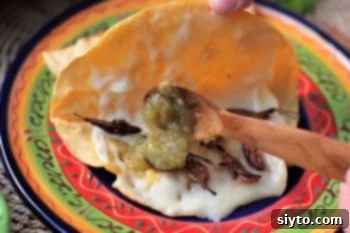
But the true magic happened when Christine incorporated them into warm, crusty quesadillas. These weren’t just any quesadillas; they were generously filled with oozing, melted cheese and a dollop of zippy salsa. Nestled within this comforting embrace, the humble grasshoppers were utterly transformed. They ceased being mere “bugs” and truly became stars of the dish. Their incredible crunch provided a delightful textural contrast to the soft tortilla and gooey cheese, while their earthy, salty, and spicy notes added an entirely new, subtle layer of flavor that elevated the quesadilla to something extraordinary. The verdict was unanimous: Delicious! The preconceived notions crumbled, replaced by a genuine appreciation for this unconventional ingredient.
Why Consider Edible Insects? The Nutritional and Environmental Case for Entomophagy
Beyond the novelty and delicious taste, there’s a compelling case for incorporating insects like grasshoppers into our diets. Entomophagy, the practice of eating insects, is not new; it has been a part of human diets for millennia in cultures around the world. Today, it’s gaining traction as a sustainable and nutritious food source for the future.
From a nutritional standpoint, chapulines are powerhouses. They are packed with high-quality protein, essential amino acids, and vital minerals like iron, zinc, and calcium. Compared to traditional livestock, insects generally require significantly less land, water, and feed to produce the same amount of protein. They also emit far fewer greenhouse gases, making them an incredibly eco-friendly protein source. As global populations continue to grow and concerns about food security and environmental impact intensify, edible insects offer a viable, sustainable, and surprisingly delicious solution. Embracing entomophagy can be a step towards a more diverse, resilient, and environmentally conscious food system.
Beyond Grasshoppers: A Delicious and Accessible Alternative
While the experience of eating chapulines was undeniably positive and eye-opening, I understand that not everyone might be ready to source or try actual grasshoppers. Or perhaps, like me, you don’t have direct connections to the bustling Mexican insect-importing market! For those who want to replicate the delightful crunch and nutty flavor profile in a quesadilla without the insects, there’s an excellent substitute: crunchy, roasted, and salted pepitas (pumpkin seeds). These offer a similar textural contrast and a pleasant, earthy flavor that complements the cheese and salsa beautifully, making for a fantastic quesadilla variation.
(If you’re truly adventurous and “into grasshoppers,” you can certainly pile them up much more thickly than pictured here for an even bolder experience!)
I am genuinely glad I embraced the opportunity to try eating grasshoppers. It was a true new frontier for me, challenging my preconceived notions about food and opening my mind to the vast possibilities of gastronomy. While my friends tease me with tales of ant larvae being another Mexican delicacy (that’s a whole different story, and perhaps a step too far for me at this moment!), I’m content with my chapulines journey for now.
But, shhhhh, I’ll let you in on a little secret: Christine kindly sent me home with a bag of roasted grasshoppers. My mom, sister, and her family are coming to spend some of the Christmas holidays with us, and guess what’s on the menu? Grasshopper quesadillas! We’ll see if they’re as brave and open-minded as I turned out to be. 😉
* * * * *
Grasshopper (or Pepita) Quesadillas Recipe
This simple recipe highlights the unique texture and flavor of chapulines, or offers a delicious alternative with pumpkin seeds, all nestled within a warm, cheesy tortilla.
- Small corn tortillas (or flour tortillas for a softer texture)
- Slices of a good melting cheese – like Friulano or sharp cheddar
- Roasted, salted grasshoppers (chapulines) OR roasted, salted pumpkin seeds (pepitas)
- Green tomatillo salsa or red tomato salsa, for serving
- Sour cream, for serving (optional, but highly recommended)
Instructions:
- Prepare the Tortillas: Heat a dry skillet or comal over medium-high heat. Briefly dip each tortilla into water, wetting both sides, or lightly moisten them under a running faucet. This step helps keep them pliable. Heat the tortillas in the skillet until light brown spots begin to appear, flipping them once to cook both sides evenly.
- Add Cheese and Fold: Once the tortillas are warmed, lay a thick slice of melting cheese onto one half of each tortilla in the skillet. Fold the other side of the tortilla over the cheese, like closing a book cover.
- Cook to Perfection: Continue to cook the folded tortilla until its bottom is crispy and the cheese inside has started to melt into a gooey consistency. Carefully flip the folded tortilla over to cook the other side until it also becomes golden and crispy.
- Fill and Serve: Remove the cooked quesadillas to a plate. Gently open each one up and sprinkle a small handful of your roasted grasshoppers or pumpkin seeds generously over the melted cheese. Add a delightful drizzle of red or green salsa down the center of the filling, then close the tortilla back up.
- Enjoy! Serve immediately with a side of sour cream and additional salsa for dipping, allowing everyone to customize their perfect bite.
Guten Appetit!
Want to receive new Kitchen Frau recipes directly to your email? Sign up here and you’ll get a handy and useful kitchen tip along with each recipe, too. (No spam ever.)
If you like my recipes, follow me on Instagram, Pinterest, Twitter, and Facebook. You’d make my day!
You might also like these Mexican-inspired delights:
Queso Fundido and a Mexican Cooking Class
Tortilla Soup, Hola from the Mexican Sun
Pico de Gallo Three Ways
Paella Party! Olé!