
Authentic Nasi Goreng Recipe: Crafting the Perfect Indonesian Fried Rice at Home
Discover the magic of Nasi Goreng, a beloved Indonesian fried rice dish that promises an explosion of sweet and savory flavors in every bite. Renowned for its quick preparation and incredible versatility, Nasi Goreng is more than just a meal; it’s a culinary journey. Whether you prefer it packed with vegetables, various meats like chicken, pork, or shrimp, or even as a simple vegetarian delight, this recipe adapts to your preferences. Unlock its signature taste with traditional Indonesian sweet soy sauce, or easily create a gluten-free version right in your kitchen for an inclusive dining experience that will leave you craving more.
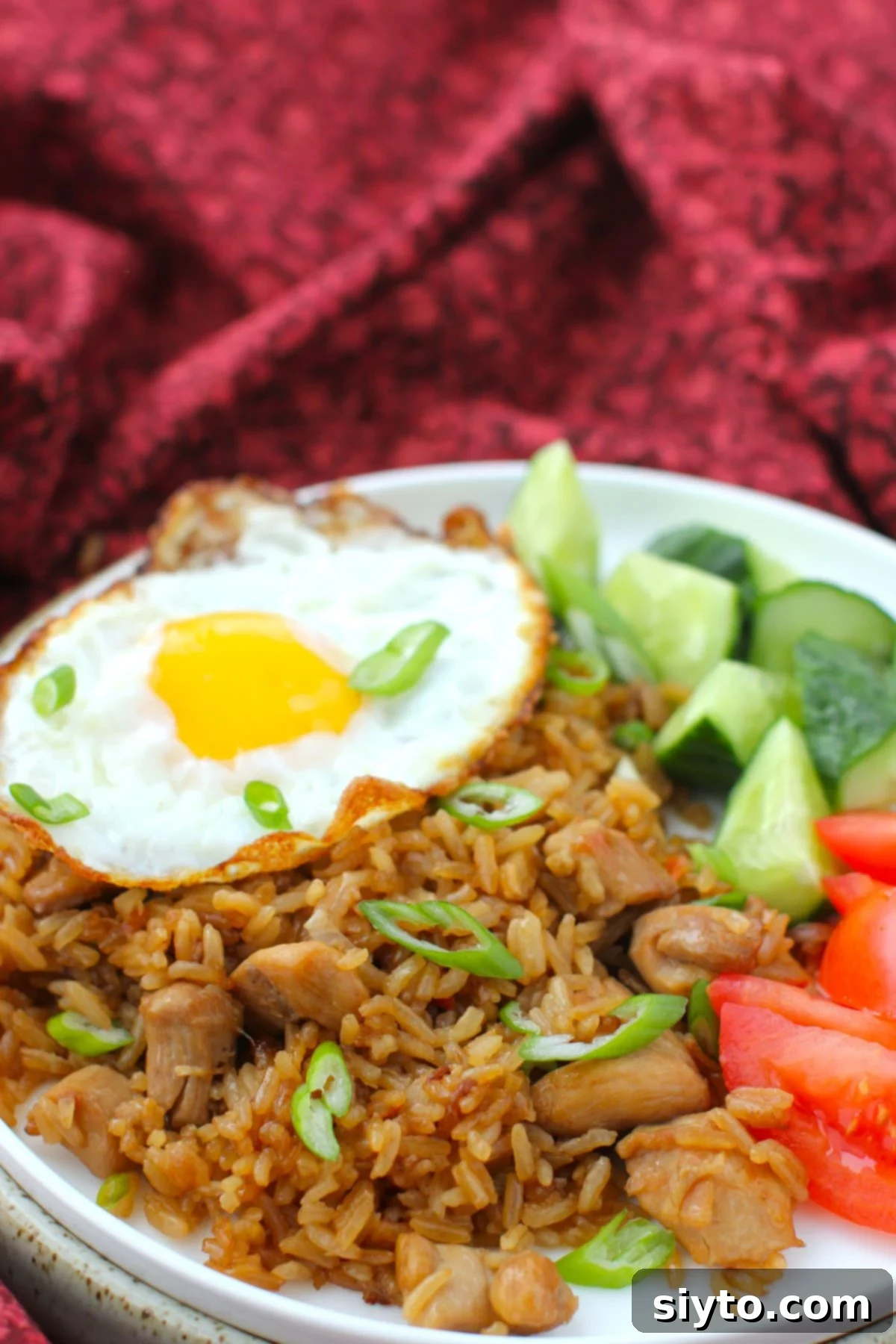
This month, our culinary adventure with the Eat the World recipe challenge transports us to the enchanting archipelago of Indonesia. While many might picture the serene beauty of Bali, perhaps inspired by Elizabeth Gilbert’s ‘Eat, Pray, Love’ or its film adaptation starring Julia Roberts, this iconic island is merely one sparkling gem among the nation’s vast collection. Indonesia proudly stands as the world’s largest archipelagic nation, boasting over 17,000 islands, each contributing to its rich tapestry of culture, tradition, and, of course, unparalleled cuisine.
Indonesian cuisine is a vibrant mosaic, reflecting a long and storied history of trade and cultural exchange. Over centuries, influences from Indian, Chinese, Middle Eastern, Polynesian, and Melanesian culinary traditions have intertwined with local flavors, further enriched by the legacies of Spanish, European, and Dutch cultures. The archipelago itself is home to the legendary ‘Spice Islands,’ which historically played a pivotal role in global spice trade, imbuing Indonesian dishes with an incredible depth and aromatic complexity. This fascinating fusion has given birth to a culinary landscape as diverse and captivating as the country’s geography.
Among Indonesia’s myriad culinary treasures, one dish stands out as a true national icon: Nasi Goreng. Declared one of the country’s five national dishes by the Indonesian government in 2018, its name literally translates to ‘fried rice’ (nasi meaning ‘rice’ and goreng meaning ‘fried’). Its origins speak to resourcefulness and practicality: Nasi Goreng was traditionally prepared for breakfast, ingeniously repurposing leftover rice from the previous night’s dinner. Bits of meat, an assortment of vegetables, aromatic spices, and a fried egg were added, transforming simple leftovers into a hearty, flavorful, and complete meal.
Today, Nasi Goreng continues to be a cherished breakfast staple for locals across the country. However, its irresistible appeal has transcended morning meals, making it a popular choice for lunch, dinner, or any time a satisfying, flavorful dish is desired. From bustling street food stalls to elegant restaurant tables and cozy family homes, Nasi Goreng is a ubiquitous presence, offering a taste of Indonesian comfort and culinary heritage to everyone. Its unique blend of sweet, savory, and umami flavors, often accompanied by a hint of spice, makes it a universally beloved dish that truly embodies the spirit of Indonesian cooking.
Essential Ingredients for Authentic Nasi Goreng
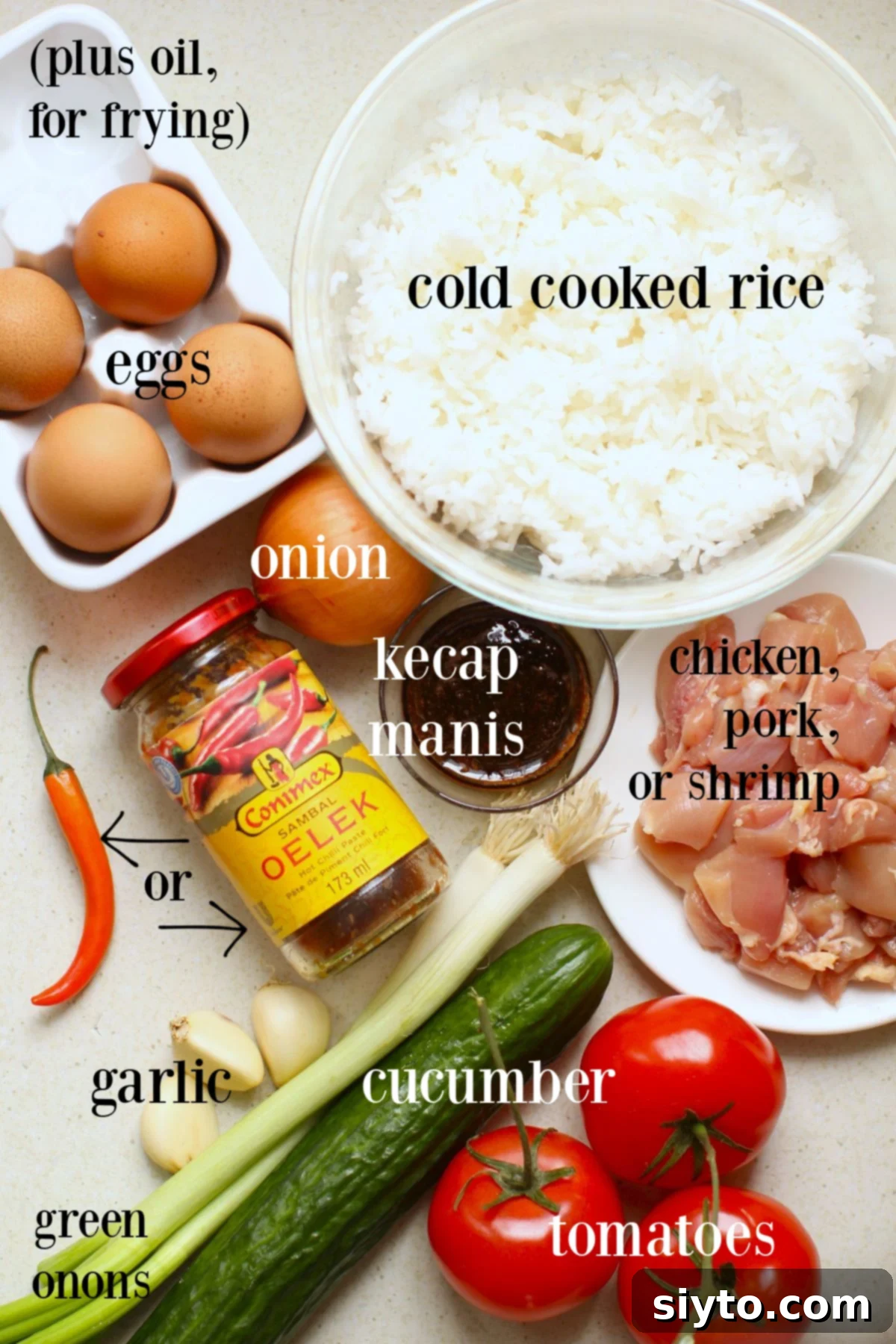
Crafting a truly authentic Nasi Goreng begins with understanding and appreciating its core ingredients. While flexible, certain components are non-negotiable for achieving that distinct Indonesian flavor profile:
- Chilled Cooked Rice: This is arguably the most critical ingredient. For perfect Nasi Goreng, your rice must be cooked and thoroughly chilled, ideally overnight. Using freshly cooked, warm rice will result in a soft, moist, and clumpy texture when stir-fried, transforming your dish into a mushy mess. Chilled rice, however, loses excess moisture and its grains become firm and separate, allowing them to absorb the flavors beautifully without sticking together. Jasmine rice is a popular choice for its fragrant aroma and ideal texture.
- Kecap Manis (Sweet Soy Sauce): The heart and soul of Nasi Goreng’s unique flavor profile lies in kecap manis (also spelled ketjap manis). This thick, syrupy Indonesian sweet soy sauce delivers a complex balance of salty, savory umami notes with a delightful sweetness. It’s usually available in the Asian section of most well-stocked grocery stores. For those seeking a gluten-free option, you can easily make your own: simply boil equal amounts of brown sugar and gluten-free soy sauce or tamari until it reduces to a slightly syrupy consistency. For an extra layer of authentic flavor, consider adding a tiny pinch of ground star anise to your homemade gluten-free kecap manis.
- Indonesian Shrimp Paste (Belacan/Terasi): Often included for an intense depth of umami, belacan (or terasi) is a fermented shrimp paste that adds a pungent, savory kick. While not essential for all palates, it contributes significantly to the traditional flavor. If you choose to omit it, or if it’s unavailable, a tablespoon of fish sauce can be used as a substitute to provide a similar savory depth.
- Chili Pepper: To introduce a mild to moderate spice, fresh chili peppers (such as a long red chili or even a jalapeño, with seeds removed for less heat) are commonly used. Alternatively, Indonesian chili paste, sambal oelek, offers a convenient and consistent level of heat. For a quick and easy option, a pinch of dried chili flakes will suffice. Feel free to adjust the amount or omit entirely if you prefer a completely mild version.
- Aromatics: Onion and garlic form the foundational aromatic base, creating a fragrant start to the stir-fry. They are sautéed until translucent and fragrant, setting the stage for the other flavors.
- Vegetables (Optional but Recommended): Nasi Goreng is incredibly flexible when it comes to vegetables. Popular additions include chopped fresh green beans, peas, diced bell peppers, shredded carrots, or even bok choy. These add texture, color, and additional nutrients. Harder vegetables should be added earlier in the cooking process, while softer or frozen ones like peas can be added later to maintain their vibrant color and texture.
- Protein (Optional but Recommended): Customize your Nasi Goreng with your choice of protein. Diced boneless, skinless chicken breast or thighs are popular, as are diced pork, shelled and deveined shrimp, or even cubes of firm tofu for a vegetarian option. The protein is typically cooked until partially done before the other ingredients are added, ensuring it’s fully cooked and nicely caramelized by the end.
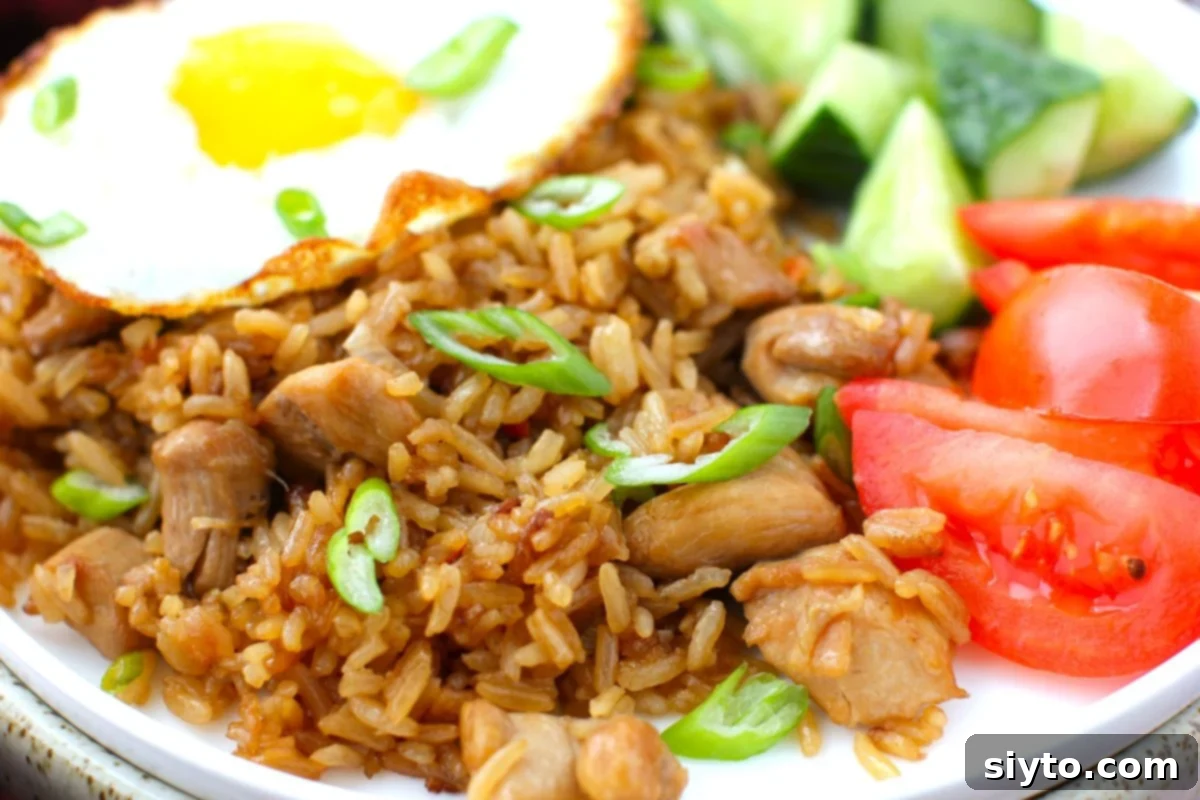
How to Make Nasi Goreng: A Quick & Easy Guide
Preparing Nasi Goreng is surprisingly straightforward and incredibly rewarding, especially with its inherent flexibility. Here’s a step-by-step guide to creating a delicious Indonesian fried rice dish that suits your taste and available ingredients:
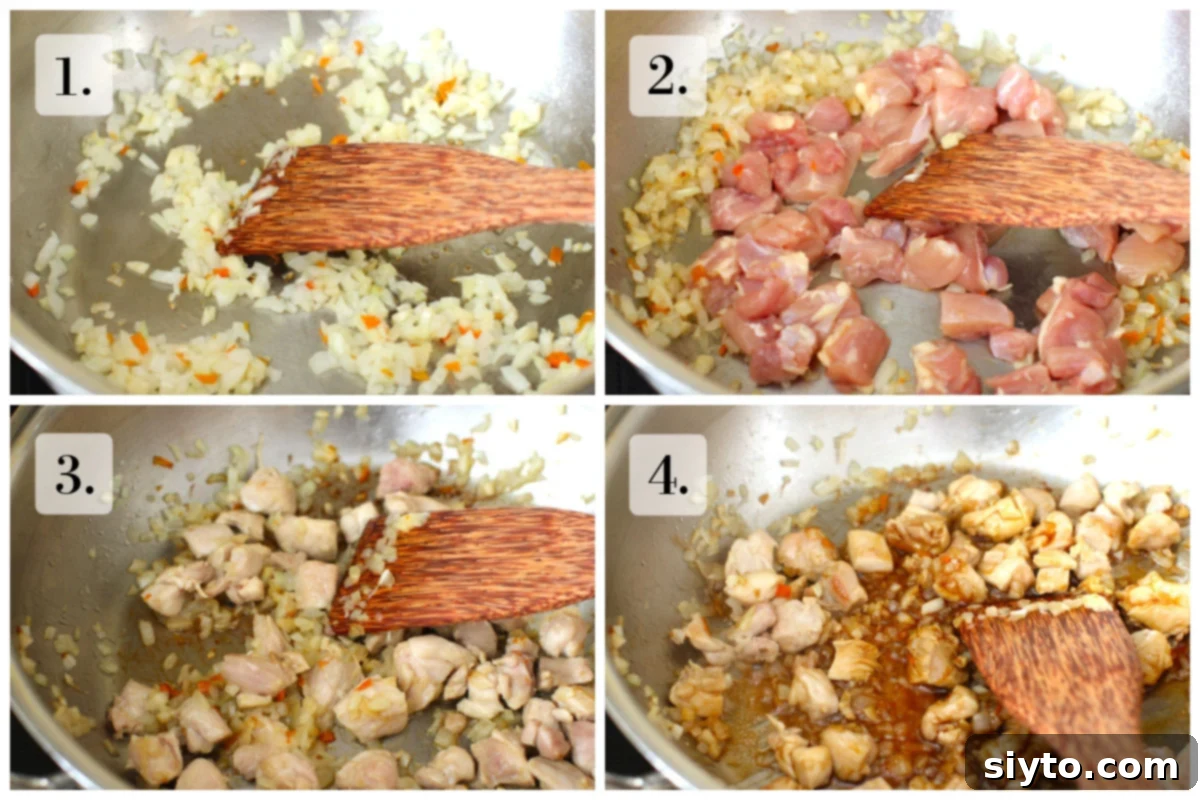
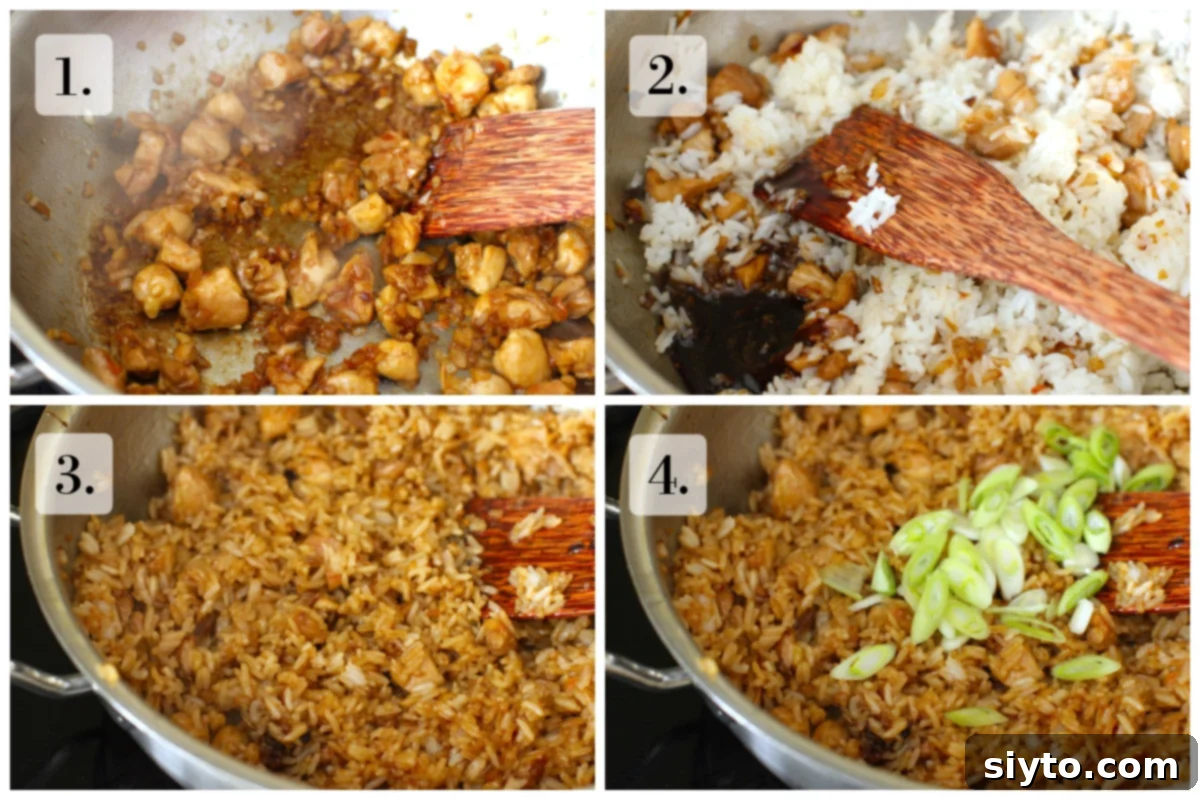
Begin by heating one tablespoon of oil in a large Dutch oven or a heavy-bottomed skillet over medium-high heat. Add your finely chopped onion, minced garlic, and chili (whether fresh, sambal oelek, or chili flakes). Sauté these aromatics for about two minutes until they become fragrant and translucent. This crucial first step lays down the foundational flavor for your fried rice.
Next, if you’re incorporating meat or tougher vegetables like green beans or carrots, add them to the skillet. Cook for two to three minutes until the meat is partially cooked through or the vegetables begin to soften. At this point, add one tablespoon of kecap manis (or your homemade gluten-free alternative) and the optional shrimp paste or fish sauce. Continue cooking for another two to three minutes, stirring occasionally, allowing the sauce to caramelize and coat the ingredients, developing a rich, sticky glaze. This caramelization is key to Nasi Goreng’s deep, savory-sweet flavor.
Now, it’s time for the star ingredient: the cold, cooked rice. Add it to the skillet along with the remaining two tablespoons of kecap manis. Stir and toss vigorously, breaking up any rice clumps, ensuring every grain is thoroughly coated in that irresistible sweet and salty sauce. Continue to cook and stir until the rice is heated through and slightly toasted. If using frozen peas or other quick-cooking vegetables, add them now to simply warm through and retain their bright color. Finally, stir in the sliced white and light green parts of your green onions, adding a fresh, subtle crunch and aromatic finish.
No Nasi Goreng is complete without its traditional accompaniments. While your fried rice is finishing, prepare the fried eggs. Heat a generous amount of oil in a separate skillet until very hot. Fry the eggs to your preference; for delightfully crispy edges and gorgeously runny yolks, ensure the oil is hot and cook quickly. If you prefer a more set yolk, simply cook for a little longer. Alongside the eggs, slice fresh, thin-skinned cucumbers and ripe tomatoes into chunky pieces. These provide a refreshing contrast to the rich, savory fried rice. Plate your Nasi Goreng generously, topping each serving with a freshly fried egg, and arranging the vibrant cucumber and tomato slices on the side. For an extra touch of freshness and a subtle onion flavor, thinly slice the green tops of the remaining green onions and sprinkle them over your masterpiece. An optional dash of additional sambal oelek can be offered on the side for those who desire extra heat. A truly tantalizing and authentic plate of Nasi Goreng is now ready to be savored.

Join us on our global culinary adventure! Explore more delicious dishes prepared by fellow ‘Eat the World’ members and share your own creations using #eattheworld. Find out how to join Eat the World here and embark on a fun journey exploring a new country’s cuisine each month from your own kitchen!
Here are some other wonderful Indonesian dishes from our ‘Eat the World’ group:
- Amy’s Cooking Adventures: Nasi Goreng with Chicken
- Pandemonium Noshery: Sop Buntut – Indonesian Beef Soup
- Culinary Cam: Rijsttafel, An Indonesian Feast with a Colonial Twist
- A Day in the Life on the Farm: Gado Gado
- Sneha’s Recipe: Nasi Goreng – Vegetarian
- Kitchen Frau: Nasi Goreng (Indonesian Fried Rice)
- Sugarlovespices: Slow Cooked Beef Rendang, Indonesian Beef Stew
Want to receive new Kitchen Frau recipes directly to your email as soon as they’re posted? Sign up here and you’ll get bits of news updates on what’s happening in my kitchen and garden, plus a handy and useful kitchen tip along with each recipe, too. (No spam ever.)
If you like my recipes, follow me on Instagram, Pinterest, X, and Facebook. You’d make my day. 😊
Guten Appetit!

Nasi Goreng (Indonesian Fried Rice)
Margaret Bose Johnson
Save to Pinterest
Ingredients
- 3 tablespoons oil, divided
- 1 small onion, finely chopped
- 3 cloves garlic, minced
- 1 long red chili pepper (or jalapeño pepper), seeds removed and finely chopped or 1 teaspoon sambal oelek chili paste, or a pinch of dried red chili flakes optional
- 8 oz. (225 g) diced boneless, skinless chicken breast (1 medium) or thighs, or diced pork, shelled & deveined shrimp, or tofu cubes optional
- 1 teaspoon Indonesian shrimp paste (belacan) or 1 tablespoon fish sauce, optional
- ½ cup chopped fresh green beans or frozen peas or other diced vegetables of choice optional
- 3 tablespoons kecap manis (ketjap manis) or sweet soy sauce or for gluten-free: 3 tablespoons tamari or gluten-free soy sauce boiled with 3 tablespoons brown sugar (see Notes, below)
- 4 cups cooked and chilled jasmine rice see Notes below
- 2 green onions
to serve:
- 1 small English cucumber or 2 Lebanese cucumbers
- 2 fresh tomatoes
- 4 eggs, fried to taste
- additional sambal oelek, for spiciness if desired
Instructions
- In a Dutch oven or large heavy-bottomed skillet, heat 1 tablespoon of the oil over medium-high heat. Add the finely chopped onion, minced garlic, and chili (fresh, sambal oelek, or chili flakes). Sauté for 2 minutes until the aromatics are translucent and fragrant.
- If using meat or tougher fresh vegetables (like green beans), add them now. Cook for 2 to 3 minutes until the meat is partially cooked. Stir in 1 tablespoon of kecap manis (or the gluten-free replacement) and the optional Indonesian shrimp paste (belacan) or fish sauce. Continue cooking for another 2 to 3 minutes, stirring, until the sauce becomes sticky and caramelizes in spots, coating the ingredients beautifully.
- Add the cold, cooked rice to the skillet along with the remaining 2 tablespoons of kecap manis. Stir and toss vigorously, ensuring all rice grains are evenly coated with the rich sauce. Cook until the rice is thoroughly warmed through and slightly toasted. If using frozen peas, add them at this stage to heat gently.
- Slice the white and light green parts of the green onions and fold them through the hot Nasi Goreng. This adds a fresh crunch and aromatic lift to the dish.
- In a separate skillet, heat a good amount of the remaining oil until very hot. Fry the eggs to your taste. For crispy bottoms and runny yolks, ensure the oil is hot and cook quickly. For a more set yolk, cook for a longer duration.
- To serve, portion the Nasi Goreng onto plates. Top each serving with a freshly fried egg. Arrange fresh slices or chunks of cucumbers and tomatoes on the side for a refreshing counterpoint. Garnish with thinly sliced green tops of the green onions for color and extra flavor. Offer additional sambal oelek on the side for those who prefer extra spice.
Notes
To make gluten-free kecap manis (sweet soy sauce): In a small saucepan, combine equal amounts of gluten-free soy sauce (or tamari) and brown sugar. For example, for this recipe, you’ll need 3 tablespoons of each. Bring the mixture to a boil, then reduce the heat to a simmer and cook for 1-2 minutes, stirring occasionally, until it slightly thickens to a syrupy consistency, similar to maple syrup. The sauce will continue to thicken as it cools. For an enhanced authentic flavor, a tiny pinch of ground star anise can be added during cooking, though it’s optional. You can easily prepare a larger batch and store it in an airtight jar in the refrigerator for several months, ready for future Nasi Goreng or other stir-fries.
The success of Nasi Goreng heavily relies on using cooked and chilled rice. This is crucial because fresh, warm rice tends to become mushy and clumpy when stir-fried. Preparing the rice the night before, or at least several hours ahead and chilling it thoroughly in the refrigerator, ensures separate, firm grains that absorb the sauce beautifully. For this recipe, to yield approximately 4 cups of cooked rice, you can cook 1⅓ cups (265 g) of jasmine rice with 2 cups of water. Remember to rinse the rice thoroughly before cooking to remove excess starch.
Explore More ‘Eat the World’ Recipe Challenge Posts:
Dive into a world of flavors with these recipes from our past culinary adventures (in alphabetical order):
- Afghanistan: Aush (Afghan Noodle Soup)
- Argentina: Red Chimichurri Sauce
- Australia: Anzac Biscuits (Crispy Oatmeal Cookies)
- Bangladesh: Chingri Masala (Shrimp Curry)
- Bermuda: Fish Chowder
- Bulgaria: Patatnik (Savoury Potato and Cheese Pie)
- Cambodia: Noum Kong (Cambodian Rice Flour Doughnuts)
- China: Kung Pao Chicken
- Colombia: Pan de Yuca (Warm Cheese Buns)
- Dominican Republic: Empanaditas de Yuca (Cassava Empanadas)
- Ecuador: Pescado Encocado (Fish in Coconut Sauce)
- Egypt: Fava Beans and Feta
- England: Gluten Free Fish and Chips and Mushy Peas
- Ethiopia: Four Ethiopian Recipes for a Fantastic Feast
- Fiji: Spiced Sweet Potato and Banana Salad
- Finland: Lohikeitto (Creamy Salmon, Potato, and Dill Soup)
- France: Axoa d’Espelette (A Simple Stew from the Basque Country)
- Georgia: Charkhlis Chogi (Beets with Sour Cherry Sauce)
- Greece: Moussaka
- Guyana: Fried Tilapia in Oil & Vinegar Sauce (fish dish)
- Hungary: Túrós Csusza (Pasta Scraps with Cottage Cheese)
- India: Kerala Upma (Fluffy, Kerala Style Breakfast Upma Recipe)
- Iraq: Tepsi Baytinijan (Eggplant & Meatball Casserole)
- Ireland: Dublin Coddle (A tasty Sausage and Potato Stew)
- Israel: Cucumber, Feta, and Watermelon Salad
- Jamaica: Rice and Peas (Coconut Rice and Red Beans)
- Japan: Chawanmushi (Steamed Savoury Egg Custard)
- Kenya:Maharagwe with Ugali (Red Beans with Cornmeal Slice)
- Laos: Ping Gai (Lao Grilled Chicken Wings)
- Lesotho: Chakalaka & Pap (Veggie & Bean Stew with Cornmeal Polenta)
- Libya: Kufta bil Batinjal (Eggplant & Meat Rolls in Tomato Sauce)
- Luxembourg: Stäerzelen (Buckwheat Dumplings)
- Malta: Ross il Forn (Baked Tomato Rice)
- Mexico: Cochinita Pibil Tacos (Pit Barbecued Pig to Make in Your Oven)
- Morocco: Moroccan Shredded Carrot Salad with Oranges
- Netherlands: Boerenkool Stamppot (Kale-Potato Mash with Sausages & Pears)
- New Zealand: Classic Pavlova
- Poland: Polish Honey Cake
- Portugal: Tuna and Sardine Pâtés
- Puerto Rico: Piña Colada Cocktail
- Scotland: Cranachan (Raspberry, Whisky & Oat Cream Parfaits)
- Senegal: Mafé (Beef and Peanut Stew)
- Slovakia: Bryndzové Halušky (Potato Dumplings with Cheese & Bacon)
- Spain: Tortilla de Patatas (Potato Tortilla/Frittata)
- Sudan: Peanut Butter Creamed Spinach & Peanut Meringue Cookies
- Sweden: Swedish Meatballs with Cream Gravy
- Switzerland (Christmas): Basler Leckerli Cookies
- Thailand: Shrimp Laksa (Khung)
- Trinidad & Tobago: Peanut Butter Prunes
- Turkey: Çilbir (Scrambled Eggs with Garlic Yogurt)
- Ukraine: Buckwheat Kasha with Beef
- United States (Soul Food): Smothered Pork Chops
- Uruguay: Torta de Fiambre (Baked Ham & Cheese Sandwiches)
- Vietnam: Caramelized Pork Rice Bowls
- Wales: Welsh Cakes (Skillet Cookies with Nutmeg & Currants)