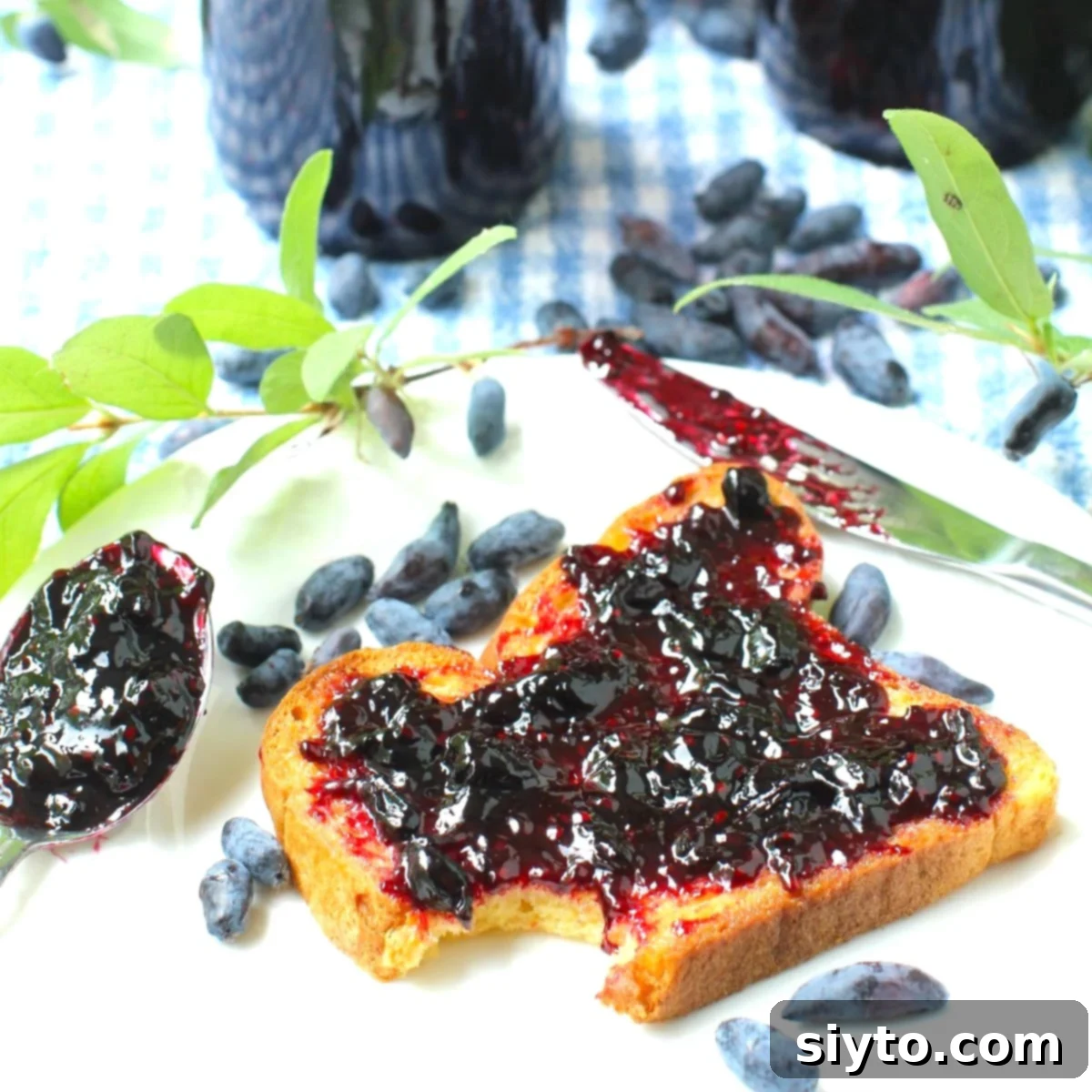
Effortless Haskap (Honeyberry) Jam: A 2-Ingredient, No-Pectin Northern Delight
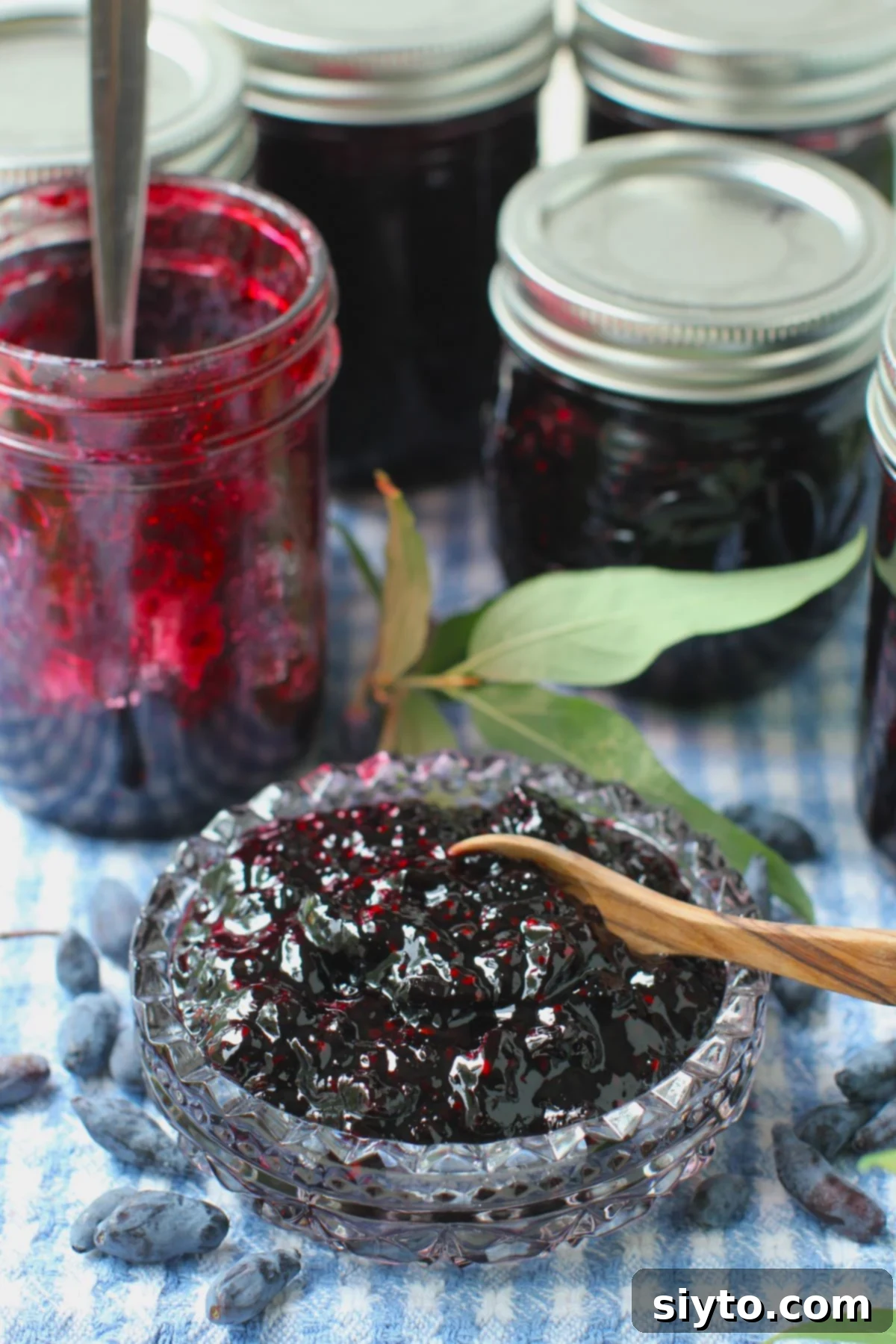
Haskap Jam offers a truly exquisite way to capture the intensely vibrant, fruity essence of these unique northern berries, often known as honeyberries. This recipe delivers a thick, lusciously tangy, and utterly delicious jam, requiring just two simple ingredients and absolutely no added pectin. You’ll be amazed by how straightforward it is to create this homemade preserve.
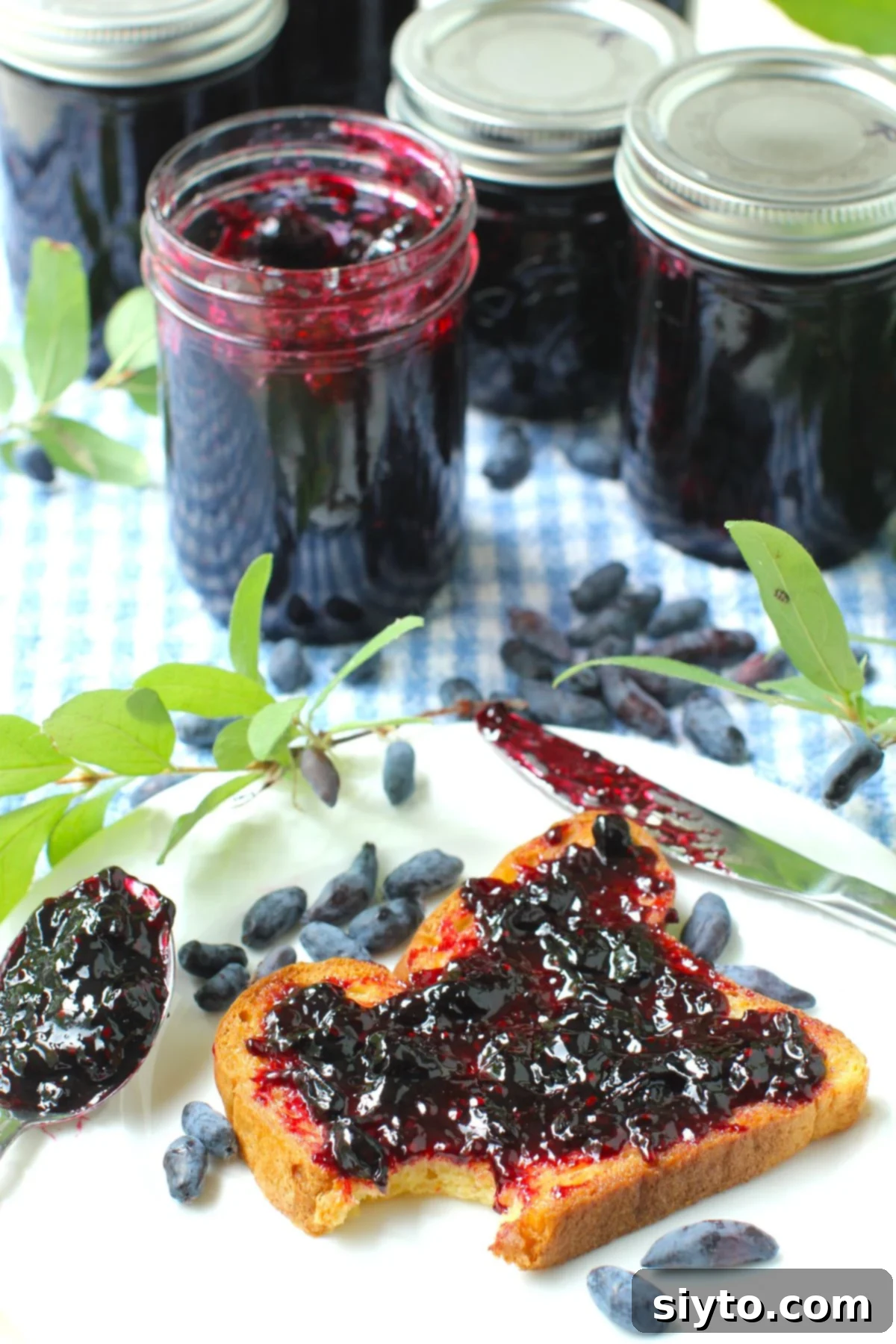
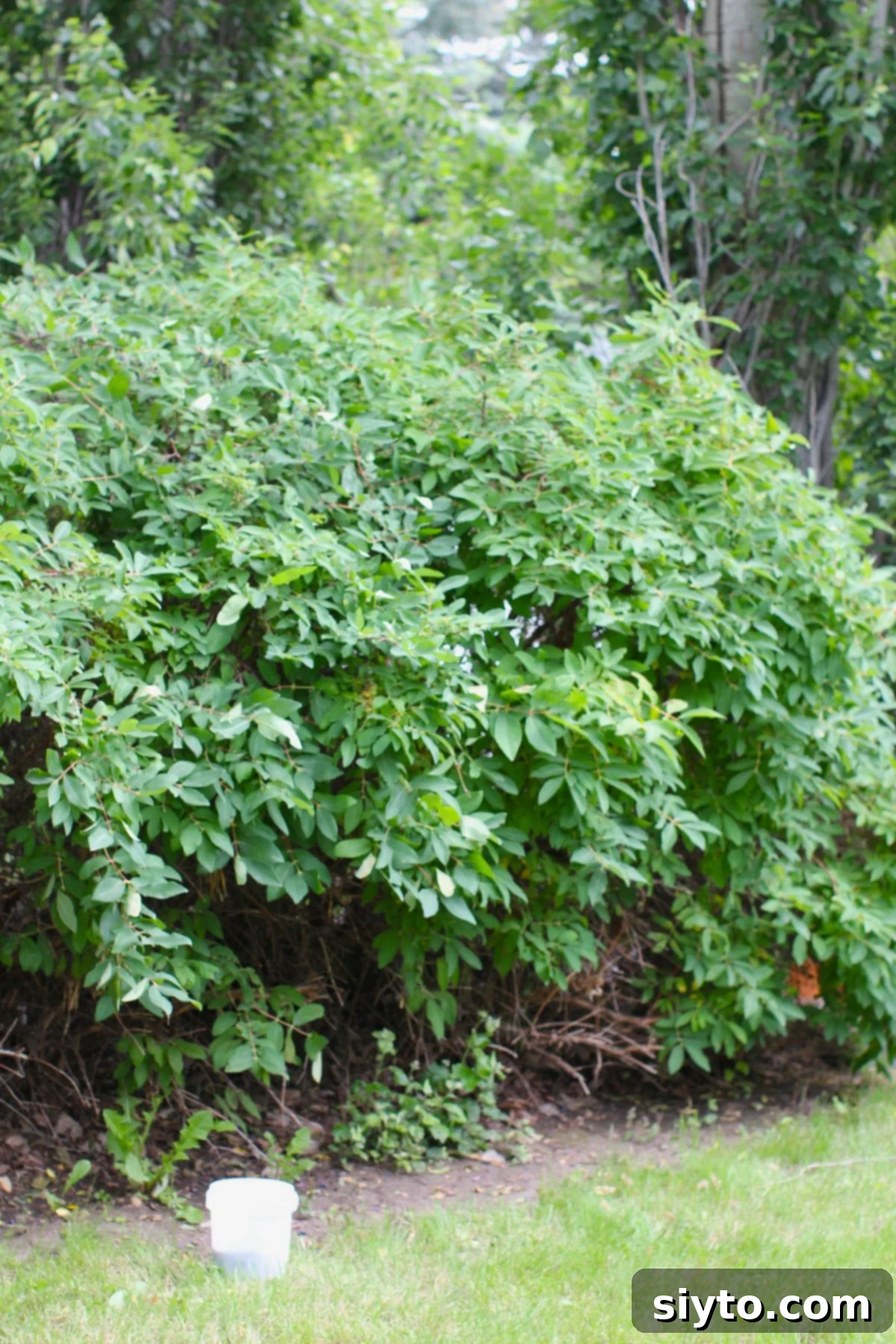
The arrival of haskap berries always signals the early bounty of summer in our garden, ripening just as the rhubarb and asparagus emerge. It’s easy to overlook these precious northern gems, as they tend to nestle discreetly beneath the lush leaves of their bushes, almost playing hide-and-seek.
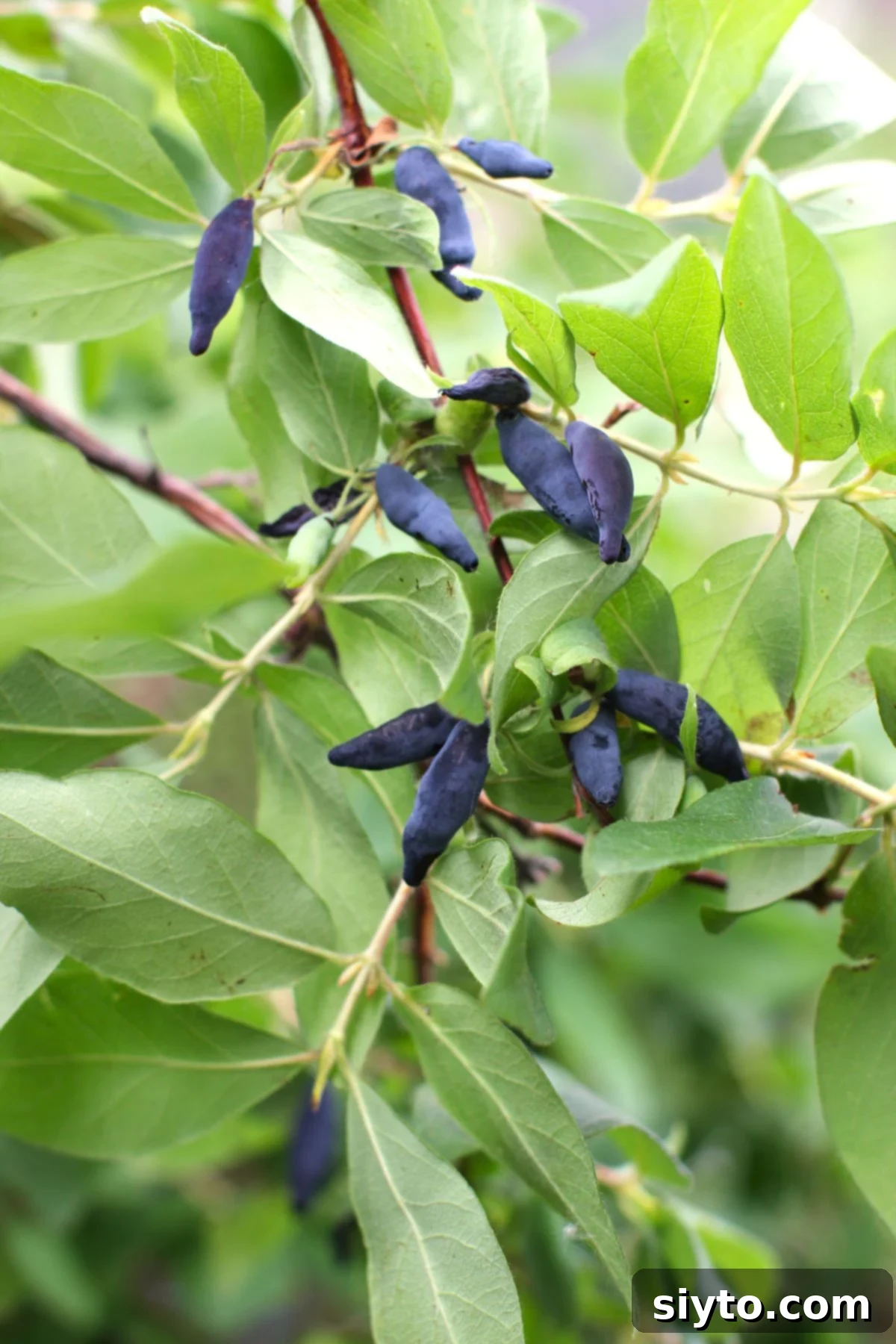
Haskap berries (also known as honeyberries) boast a truly distinctive and delicious flavor profile. Imagine a delightful cross between the tartness of a raspberry, the subtle sweetness of a blueberry, and the deep complexity of a black currant, all with a unique tangy zing. Visually, they are elongated, with some varieties ending in a point and others being blunt. Their skins are a beautiful dusky blue-purple, while their interiors are a rich, dark, and incredibly juicy red. While fresh haskaps can have a pleasingly slight bitterness and astringency, these characteristics gracefully mellow and vanish once the berries are cooked, transforming into a harmonious fruity sweetness.
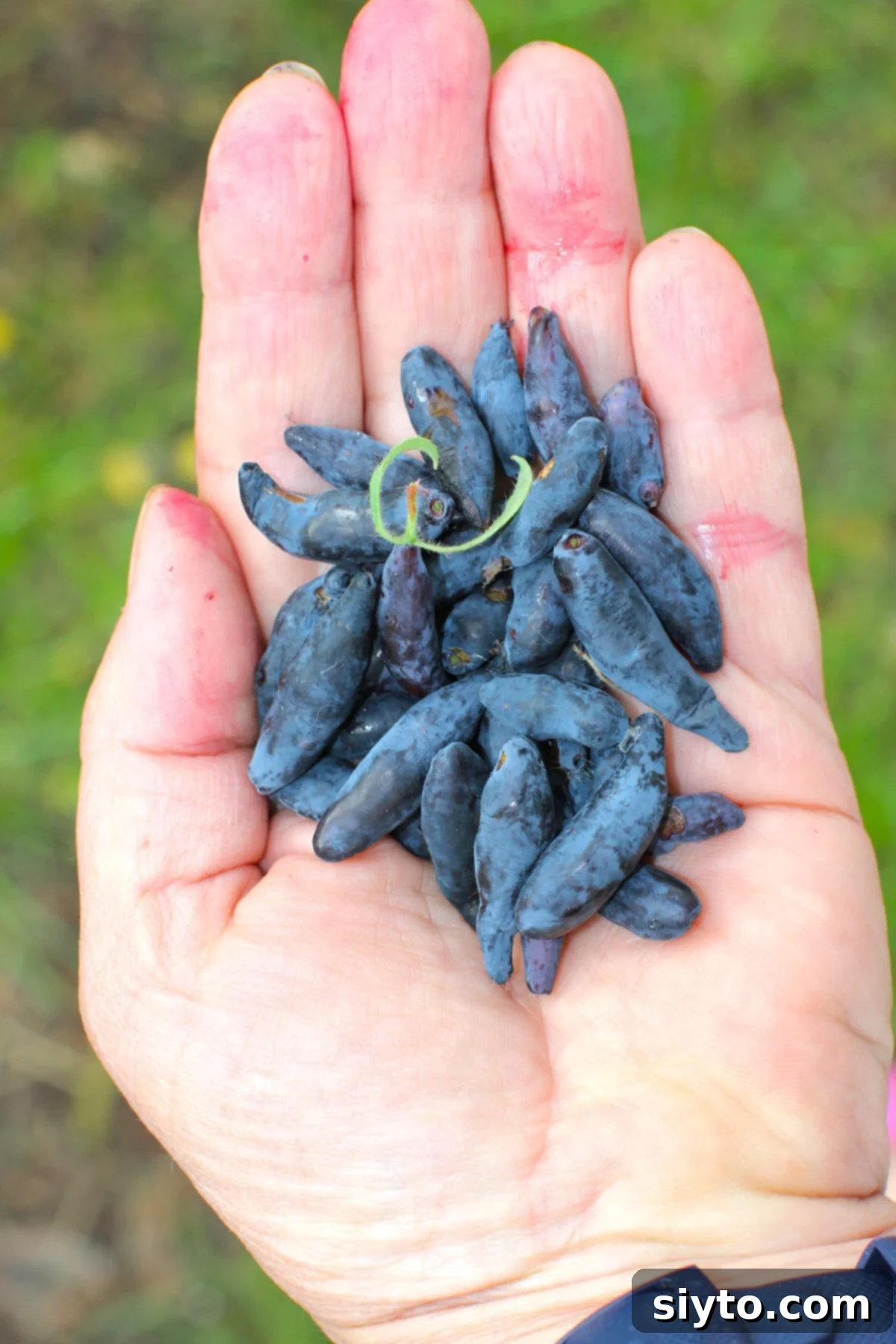
Super Healthy Berries: The Nutritional Power of Haskaps
Haskaps, scientifically known as Lonicera caerulea, are celebrated under many names, including honeyberries, mayberries, Siberian blueberries, and blue honeysuckle. These resilient berries are native to several northern hemisphere regions, stretching across Canada, Japan, and Russia. Their exceptional hardiness allows them to endure extremely harsh winter temperatures, making them one of the very first berries to yield fruit in northern climates. The name ‘haskap’ itself is derived from a Japanese term meaning ‘many fruits on branches,’ a fitting description for their abundant harvest. The indigenous Ainu people of northern Japan revere them as the ‘berry of long life and good vision,’ a testament to their profound health benefits. Indeed, haskaps are true superfoods, boasting an incredible nutritional profile: they contain three times more antioxidants and four times more vitamin C and anthocyanins than blueberries. These tiny powerhouses are also rich in manganese, vitamin A, and dietary fiber, contributing significantly to overall well-being. Incorporating haskaps into your diet, whether fresh, frozen, or as jam, is an excellent way to boost your nutrient intake.
Why Haskaps Make Great Jam: A Natural Choice for Preserves
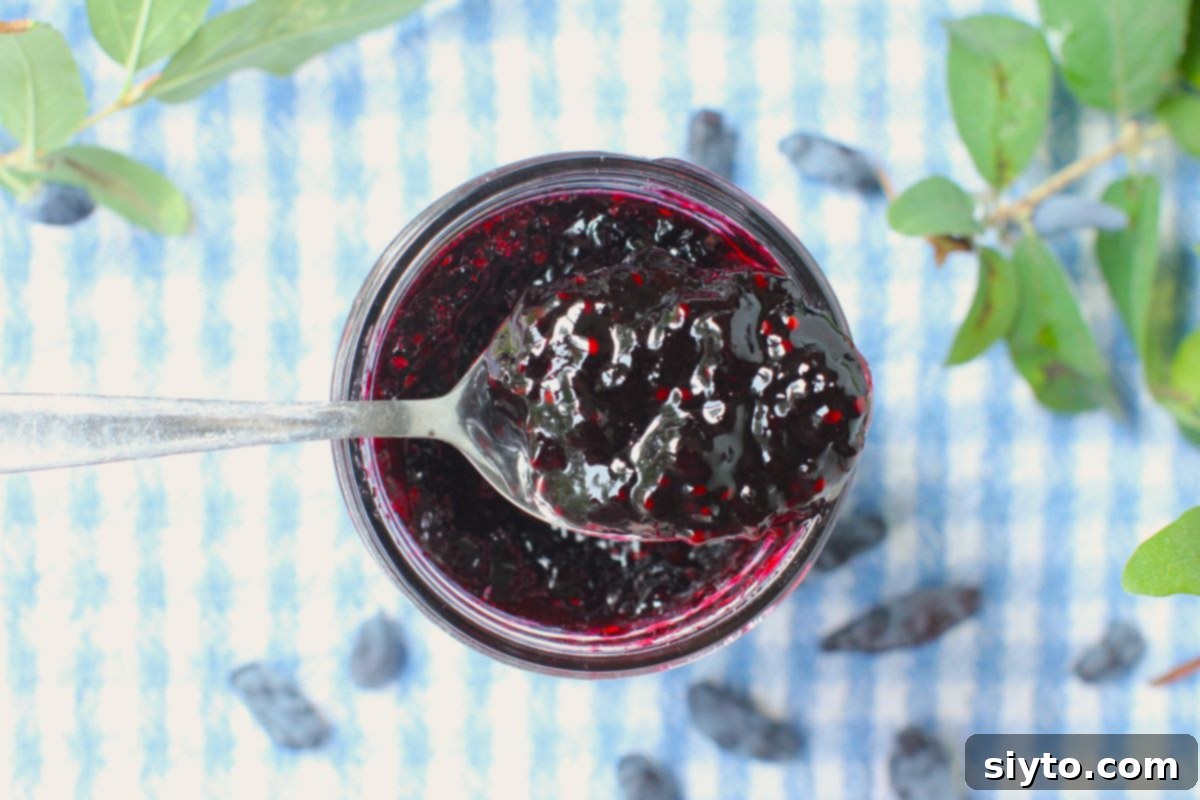
Beyond their health benefits and unique flavor, haskap berries are inherently perfect for making jam. In fact, they create what many consider to be one of the most amazing jams available – dark, intensely fruity, and beautifully balanced between tanginess and sweetness. This perfection stems from a key characteristic: haskap berries contain a naturally high amount of pectin. This natural pectin acts as a gelling agent, simplifying the jam-making process immensely by eliminating the need for any commercial pectin additives. As a result, you can create a truly pure berry jam using just two primary ingredients: haskaps and sugar. The process is remarkably straightforward, requiring only about 20 to 25 minutes of cooking time for the berries to break down and reach the ideal gelling stage. In no time, you’ll have jars of this fantastic preserve, ready to be spread generously on toast, stirred into yogurt, or even enjoyed straight from the spoon! This method works equally well with fresh or frozen haskaps, making it accessible year-round.
How to Freeze Haskaps: Preserving Your Berry Bounty
Freezing haskaps is an excellent way to extend their shelf life and enjoy their unique flavor throughout the year, especially for making jam or adding to smoothies and baked goods. To prepare haskaps for freezing, first carefully sort through them to remove any stray leaves, stems, or other debris. While some prefer to wash berries before freezing, I often skip this step if they are unsprayed and picked with clean hands into a clean pail. However, if you choose to rinse them, do so very gently in a colander, as haskaps are delicate berries. After rinsing, spread them in a single layer on a paper-towel-lined cookie sheet to drain thoroughly. Once dry, line a rimmed cookie sheet with parchment paper and arrange the haskaps in a single layer, ensuring they don’t touch too much. This prevents them from clumping together. Freeze the berries until they are completely firm – typically a few hours or overnight. Once frozen, transfer the individual berries into a large, heavy-duty freezer bag or an airtight freezer-safe container. Label clearly with the date and contents, then store in the freezer for up to one year. Frozen haskaps are wonderfully versatile and can be used directly from the freezer in smoothies, or baked into pies, crumbles, and cobblers. They make a fantastic substitute for blueberries in almost any recipe, bringing their distinctive tangy flavor to your culinary creations.
Making Pectin-Free Haskap Jam is Easy: Tips for Success
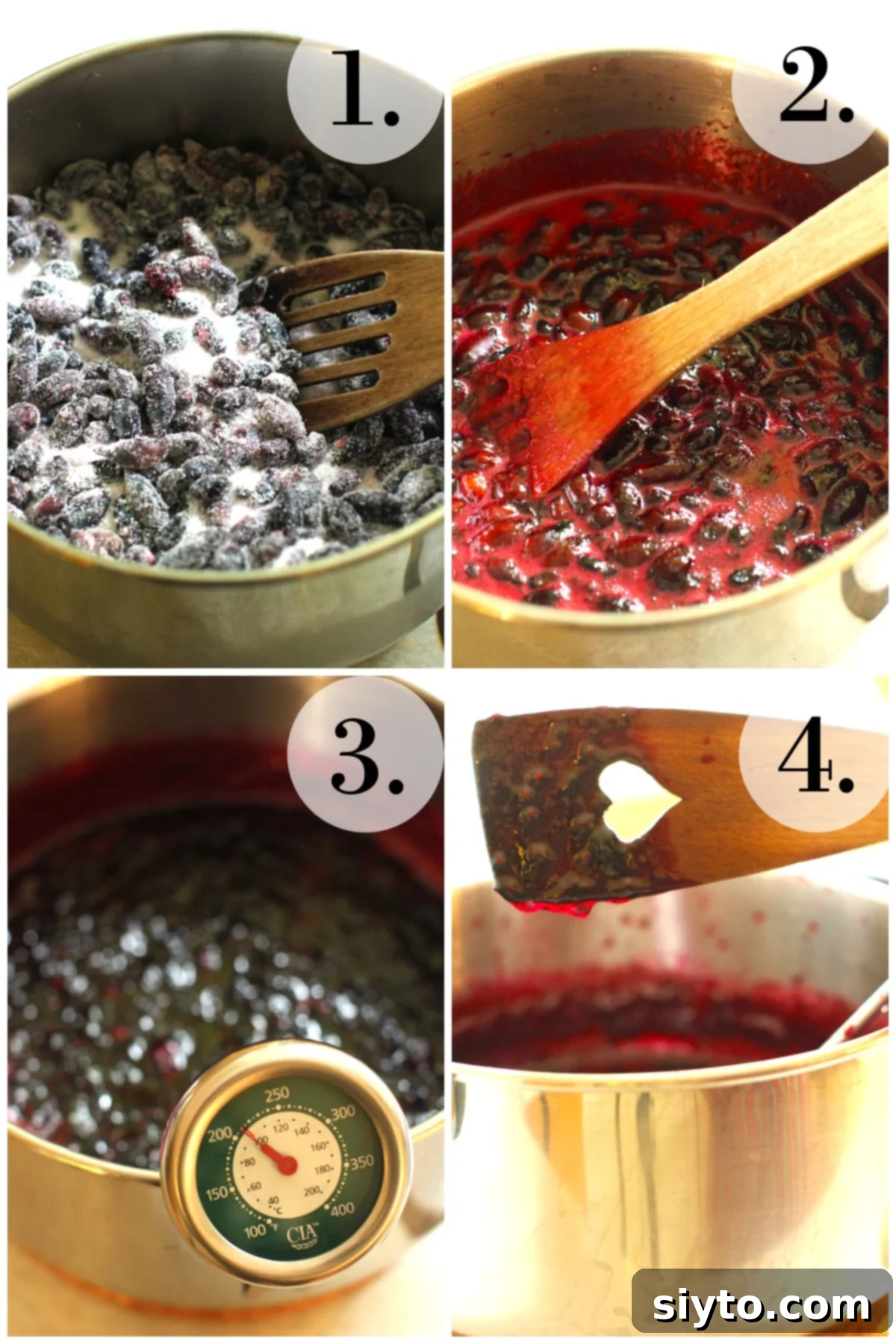
Crafting a delicious haskap jam without added pectin is remarkably simple, but there’s one crucial aspect to master: avoiding overcooking. It’s a common temptation to continue cooking the jam if it doesn’t appear thick enough, but remember that jam thickens considerably as it cools. Overcooking can result in a jam that’s overly stiff, almost candy-like, once it has cooled completely. With practice, you’ll develop an intuitive sense for when the jam has reached the perfect consistency. However, for beginners or those who prefer precision, using a candy thermometer is highly recommended. It eliminates guesswork and ensures a consistent, perfectly set jam every time. To begin, simply combine your fresh or frozen haskap berries and granulated sugar in a large, heavy-bottomed saucepan. Heat the mixture over medium-high heat, stirring continuously until the sugar fully dissolves and the berries begin to release their plentiful juices. Once the mixture reaches a full boil, reduce the heat to maintain a steady, gentle boil. Allow it to cook until it reaches the jell stage. This typically occurs when the jam liquid transitions from a watery consistency to a slightly syrupy texture, usually around 220°F (104.4°C). If you live at a higher altitude, this temperature might be slightly lower, so be sure to adjust accordingly. For haskap berries, this gelling process typically takes about 20 to 25 minutes of steady boiling. For an optional subtle enhancement, a teaspoon of rosewater can be added near the end of the cooking process. It beautifully complements the haskaps’ fruitiness, but rest assured, the jam is still fantastic with just berries and sugar if you don’t have rosewater on hand.
How to Know When Your Jam is Ready: Testing for the Perfect Set
Determining the precise moment your jam has reached its ideal jell stage is key to a successful preserve. While experience certainly helps, there are several reliable methods to ensure a perfect set every time. The easiest and most consistently accurate approach is using a thermometer, but other subjective tests also prove effective with a bit of practice:
- The Candy Thermometer Test: This is by far the most accurate and recommended method, especially for those new to making pectin-free jams. A candy thermometer is a small, inexpensive investment that will pay dividends in consistent results. Clip the thermometer securely to the side of your saucepan, ensuring the tip is submerged in the jam but not touching the bottom of the pot. The target gelling temperature for most jams is 220°F (104.4°C), though this can be slightly lower at higher altitudes. During cooking, the temperature will typically linger around 210°F (99°C) for a good while, usually the first 15 minutes, before it begins to rapidly climb the final few degrees. If you prefer a slightly softer, more spreadable jam, you can remove it from the heat at around 218-219°F (103.3-103.9°C).
- The Freezer Test Method: Before you even start cooking your jam, place several small glass saucers or plates into your freezer to get them thoroughly chilled. Once you suspect your jam is nearing the jell stage – typically after about 18-20 minutes of boiling, or when you observe the juices starting to thicken into a slightly syrupy consistency – carefully drop about a teaspoon of the hot jam onto one of the chilled saucers. Return the saucer to the freezer for exactly 2 minutes. After chilling, remove the saucer and gently push your finger through the jam. If it wrinkles and leaves a clear trail without the jam immediately flowing back to fill the gap, it’s ready! If not, continue cooking for another few minutes and repeat the test with a fresh chilled saucer.
- The Wrinkle Test: Similar to the freezer test, spoon a small amount of jam onto a chilled plate and place it in the freezer for 2 minutes. Remove it and gently push the jam from one side with the back of a spoon or your fingertip. If the surface of the jam wrinkles and holds its shape, indicating a skin has formed, your jam has reached the jell stage.
- The Drip Test (or Sheet Test): This method relies on observing how the jam falls from your stirring spoon. As you lift your spoon from the pot and hold it horizontally over the jam, watch the droplets. Initially, individual drops will fall quickly and separately. As the jam approaches its jell stage, the droplets will fall more slowly, and you’ll notice that two or more drops will merge together at the bottom edge of the spoon and fall as one thick, sheet-like drop. This “sheeting” indicates that the jam has enough pectin (or has cooked down sufficiently) to set.
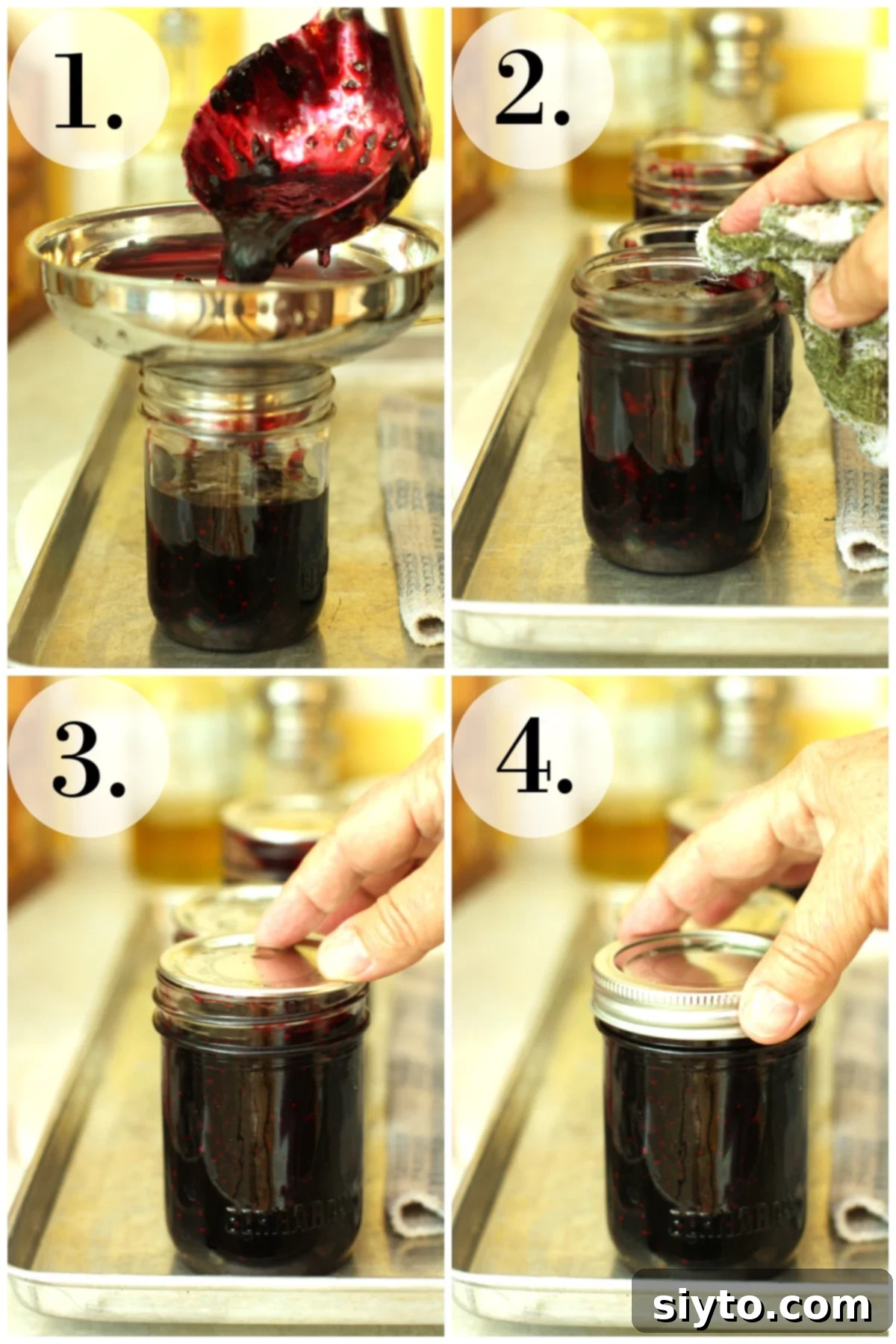
How to Can Your Haskap Jam: For Long-Term Storage
Canning your homemade haskap jam is a simple yet essential process for long-term, shelf-stable storage. Once your jam has reached the perfect jell stage, pour the boiling hot jam into your pre-sterilized jars, making sure to leave about ¼-inch headspace. Carefully wipe the rims of each jar with a clean, damp cloth to ensure a perfect seal, then place a hot snap lid on top, followed by a screw band tightened to just finger-tight. If you fill your jars with boiling hot jam and work quickly, you can simply set the jars on a towel on the counter to cool undisturbed. Many will seal this way, creating a vacuum seal that keeps the jam fresh for 6-12 months. However, for maximum safety, consistent sealing, and longer storage duration (up to 2 years or more), water bath processing is highly recommended.
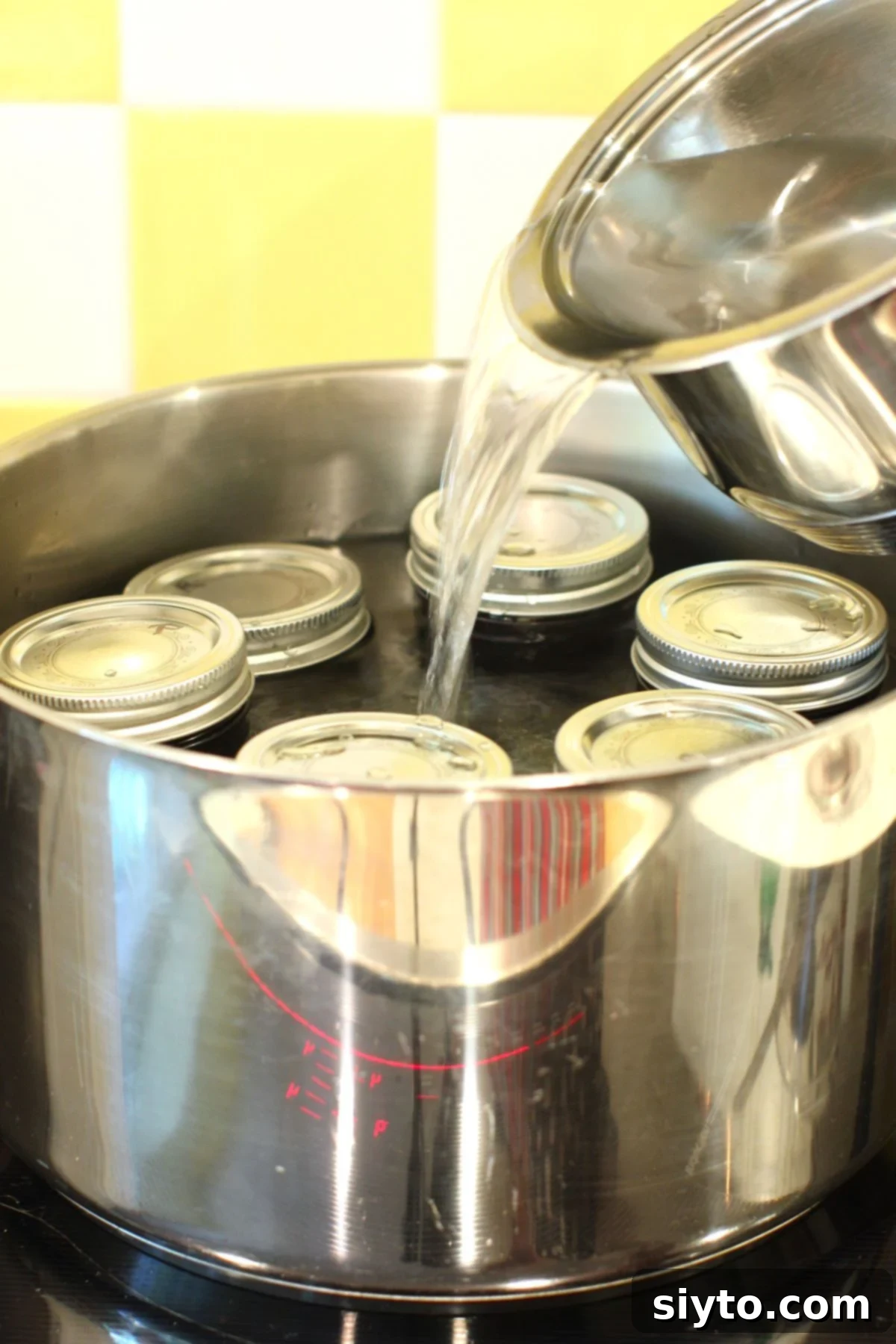
To water-bath process your jam, prepare a large stockpot, canning pot, or any cooking pot spacious enough to hold your jars and cover them with water. Line the bottom of the pot with a clean dishcloth or a dedicated canning rack. This prevents the jars from directly touching the bottom, which could cause them to crack, and keeps them from clanking together during boiling. Carefully place your filled and sealed jam jars into the pot. Pour hot water over the jars, ensuring they are covered by at least one inch. If the water level drops during processing, add more hot water as needed.
Cover the pot with a lid and bring the water to a rolling boil. Once boiling, adjust the heat to maintain a steady, vigorous boil without it boiling over. Process the jam jars for 10 minutes (adjust time for higher altitudes if necessary). After the processing time, carefully use canning tongs to remove the hot jars from the pot. Place them upright on a clean towel on your kitchen counter, ensuring they are not touching each other. Leave them undisturbed for 12-24 hours to cool completely and allow the seals to fully set. As the jars cool, you should hear satisfying “ping” sounds as the lids seal. Once cooled, check the seals: the snap lid should be concave (sucked down) and should not flex or pop when you press on its center. Any jars that have successfully sealed can be stored at room temperature in a cool, dark place for up to a year, and often longer. Jars that haven’t sealed properly should be refrigerated and consumed within three months.
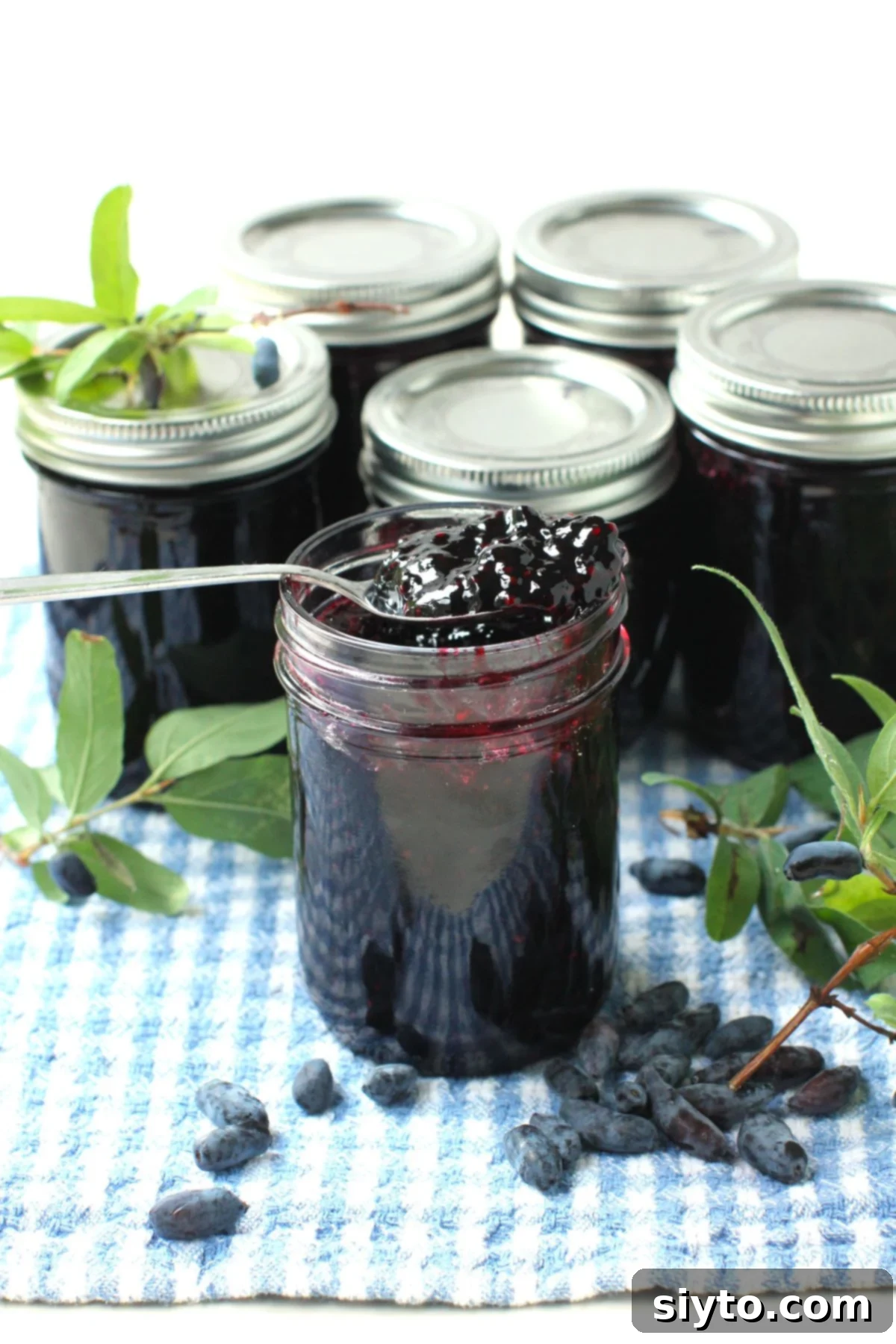
Serving Suggestions for Your Haskap Jam
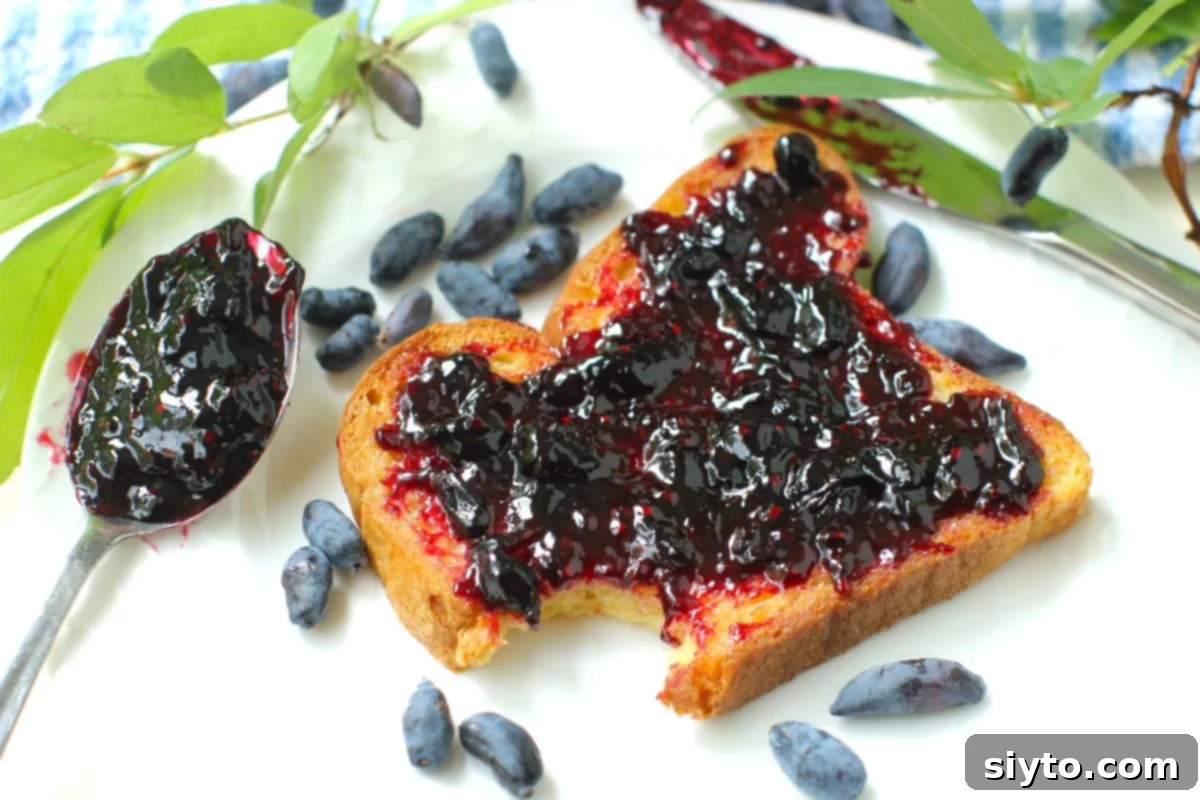
This luscious haskap jam is incredibly versatile and can elevate a variety of dishes. Of course, it’s fantastic on classic breakfast items like toast, bagels, English muffins, or fresh scones. Beyond that, try swirling it into your morning yogurt or oatmeal for a burst of vibrant flavor. It also pairs beautifully with cheese boards, especially with creamy cheeses like brie or goat cheese. Use it as a filling for tarts, thumbprint cookies, or even as a glaze for roast pork or chicken. For a simple dessert, spoon it over vanilla ice cream or panna cotta. Its unique tart-sweet profile makes it a standout ingredient in both sweet and savory applications.
Want to receive new Kitchen Frau recipes directly to your email as soon as they’re posted? Sign up here and you’ll get bits of news updates on what’s happening in my kitchen and garden, plus a handy and useful kitchen tip along with each recipe, too. (No spam ever.)
If you like my recipes, follow me on Instagram, Pinterest, X, and Facebook. You’d make my day. 😊
Guten Appetit!
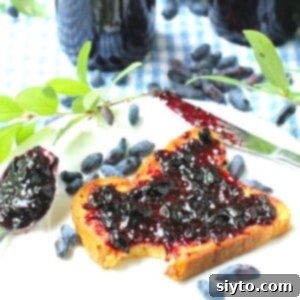
Easy Haskap (Honeyberry) Jam, No Pectin Needed
Margaret Bose Johnson
Save to Pinterest
Ingredients
- 4 cups (600g) fresh haskap berries (honeyberries) or 4½ cups (600g) frozen haskap berries
- 3 cups (600g) granulated sugar
- optional: 1 teaspoon rosewater
Instructions
- Sterilize 3 half-pint (250ml) canning jars and place 3 snap lids in a small saucepan with water, warming over low heat to keep them hot and ready for use.
- In a large, heavy-bottomed saucepan, combine the haskap berries and granulated sugar. Bring the mixture to a boil over medium-high heat, stirring continuously with a flat-bottomed wooden spoon. Initially, the mixture might appear dry, but within a few minutes, the berries will begin to release their juices. Constant stirring is crucial at this stage to prevent the sugar from sticking and burning before the fruit juices start flowing.
- Continue to cook and stir until the mixture reaches a vigorous rolling boil and all the sugar has completely dissolved, ensuring a smooth jam base.
- Adjust the heat to maintain a steady, gentle boil, ensuring the fruit mixture continues to bubble consistently. Begin timing the cooking process from this point. The jam will typically take approximately 20 to 25 minutes of boiling to cook to the desired consistency, though this can vary slightly depending on your stove’s heat and the diameter of your saucepan.
- Affix a candy thermometer to the side of your pot. Ensure the tip of the thermometer is submerged in the jam but not touching the bottom of the pan, positioned about halfway into the jam’s depth. This allows for accurate temperature readings.
- Cook the jam until it registers 220℉ (104.4℃) on the candy thermometer, which indicates the jell stage. During the initial 15 minutes, the jam’s temperature will likely hover around 210℉ (99℃). After this, it will gradually and then more quickly increase towards the target 220℉. As it approaches temperature, you’ll notice the foam subsiding and the jam’s texture changing – it will become more syrupy and begin to splatter or “plop” with thicker droplets.
- If you are not using a thermometer, you can test for the jell stage by placing a small dollop of hot jam onto a pre-chilled plate and observing its firmness as it cools. (Refer to the main article for detailed descriptions of the freezer, wrinkle, and drip tests.)
- Once the jam reaches the optimal jell stage, remove it immediately from the heat. Carefully pour the hot jam into your sterilized canning jars, filling them to within ¼-inch from the top (this is called headspace). Use a clean, damp cloth to wipe the rims thoroughly, then promptly place a hot snap lid on each jar, followed by a screw band. Tighten the screw bands to just finger-tight, avoiding overtightening.
- Set the filled jars onto a towel on your counter to cool undisturbed. Alternatively, for enhanced safety and extended shelf life, you can process the jars in a boiling water bath for 10 minutes (refer to the main article for detailed instructions on water bath canning).
- After the jars have cooled completely (which can take 12-24 hours), check to confirm they are sealed. A properly sealed snap lid will be concave (sucked inwards) and will not move or “pop” when you press firmly on its center.
Notes
Store any jars that do not seal in the refrigerator and consume them within 3 months.
Unopened, properly sealed jars can be stored in a cool, dark place without refrigeration for up to 2 years, or even longer under ideal conditions.