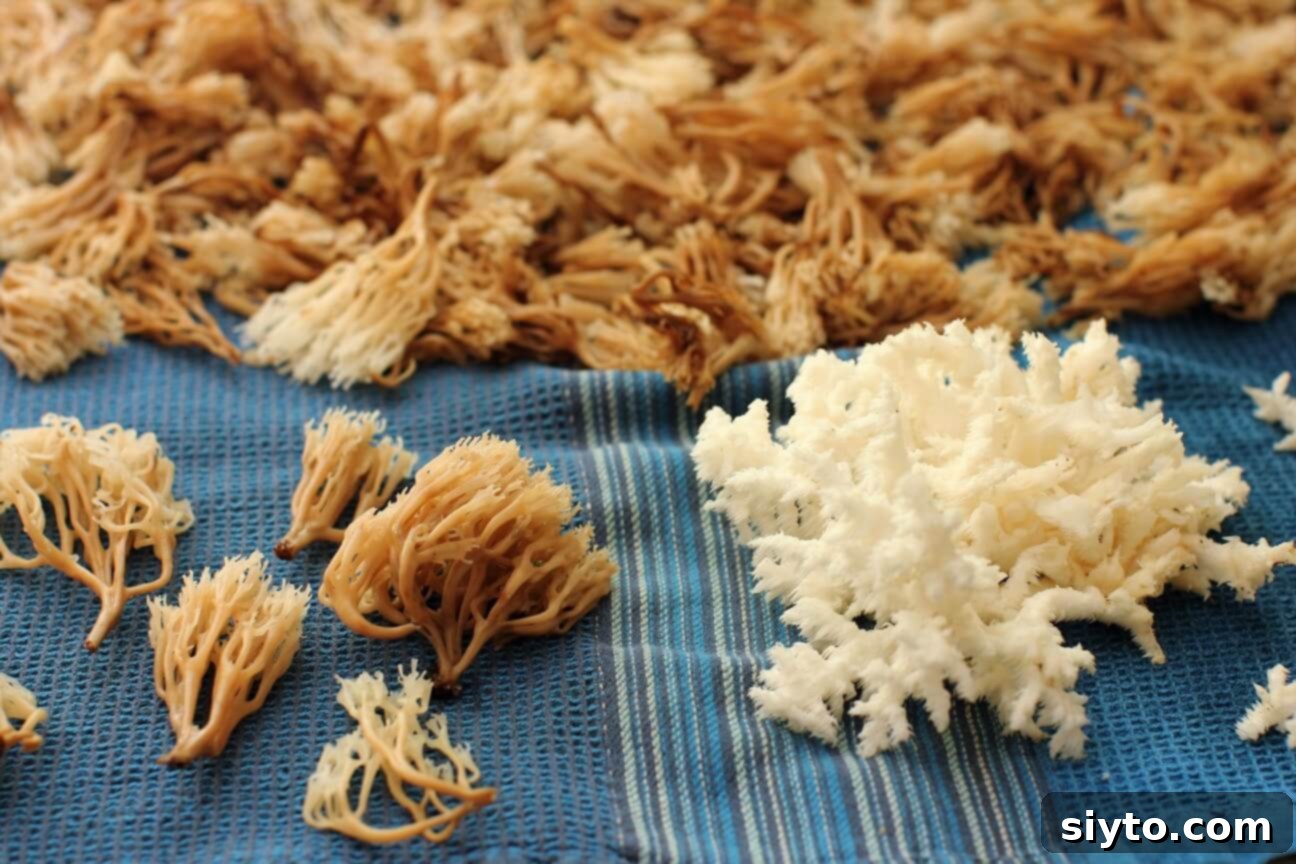
Foraging for Coral Mushrooms: Your Ultimate Guide to Identification, Cleaning, and Delicious Recipes
Embark on a captivating forest adventure to discover the delicate beauty of coral mushrooms, a true woodland delicacy. Join me as I recount my exciting first experience picking these unique fungi and explore a collection of mouth-watering coral mushroom recipes: a vibrant Asian-style coral mushroom and egg dice soup, ingenious preserved coral mushrooms, and simple yet elegant sautéed coral mushrooms. Whether you’re a seasoned forager or curious beginner, this guide will inspire you to explore the wonders of wild mushrooms. (Skip to recipes.)
The familiar ring of my phone announced another invitation to the wild. It was Alex, my trusted friend and an experienced mushroom picker, with an intriguing proposition. “Wanna come and pick some coral mushrooms with me?” she asked, her voice brimming with the promise of adventure.
My mind immediately raced. What exactly were coral mushrooms? I’d never encountered them, nor had I heard them mentioned in any foraging circles. The name itself painted a vivid, albeit perhaps inaccurate, picture: something large, intricate, and reminiscent of the deep-sea wonders, perhaps even with a brain-like, convoluted texture. My curiosity was not just piqued; it was ignited. I knew I had to join her and uncover the mystery of these new (to me) fungi. Donning my well-worn, forest-ready clothes, we set off into the serene embrace of the woods, ready for whatever discoveries awaited us.
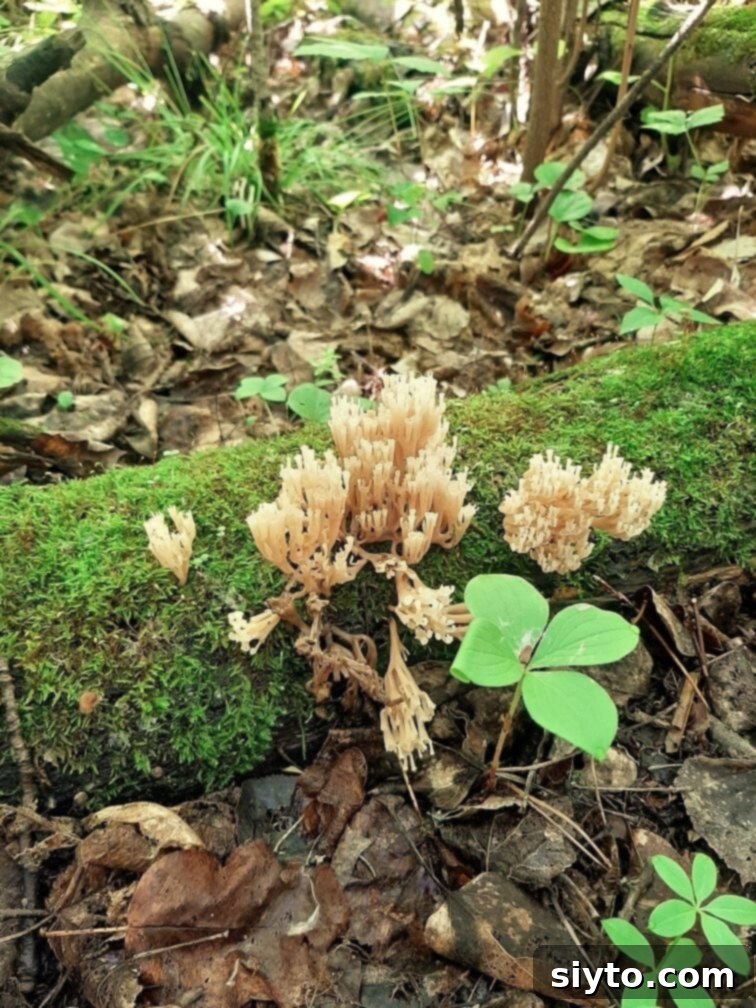
Our quarry, the elusive coral mushrooms, thrives in very specific conditions. They are typically found emerging from the dead logs of deciduous trees, particularly poplar in our region. Their season is brief, making them a special find, appearing in the gentle warmth of spring and early summer. These delicate fungi prefer the deep, cool shade of overgrown areas, often nestled far within the forest where sunlight barely penetrates. Reaching them usually involves a delightful scramble through dense undergrowth, ducking under branches, and occasionally untangling hair from errant twigs. It’s not just a mushroom hunt; it’s a full-fledged expedition, an immersive experience that connects you intimately with the natural world.
And let me tell you, I absolutely live for these kinds of adventures.



When we finally found them, those funny little coral mushrooms looked nothing like the “brains” I had initially imagined. Instead, they were far more enchanting – like delicate, intricately branched clumps of tiny, porcelain-white twigs, clustered together with the texture and appearance of miniature sea sponges. Their ethereal beauty made them seem almost otherworldly, blending seamlessly with the moss and decaying wood. I realized then that I could have walked past these subtle wonders a million times in the forest without ever suspecting they were not only edible but a sought-after delicacy. It’s a testament to the hidden treasures nature holds, waiting to be discovered by a keen eye and an open mind.
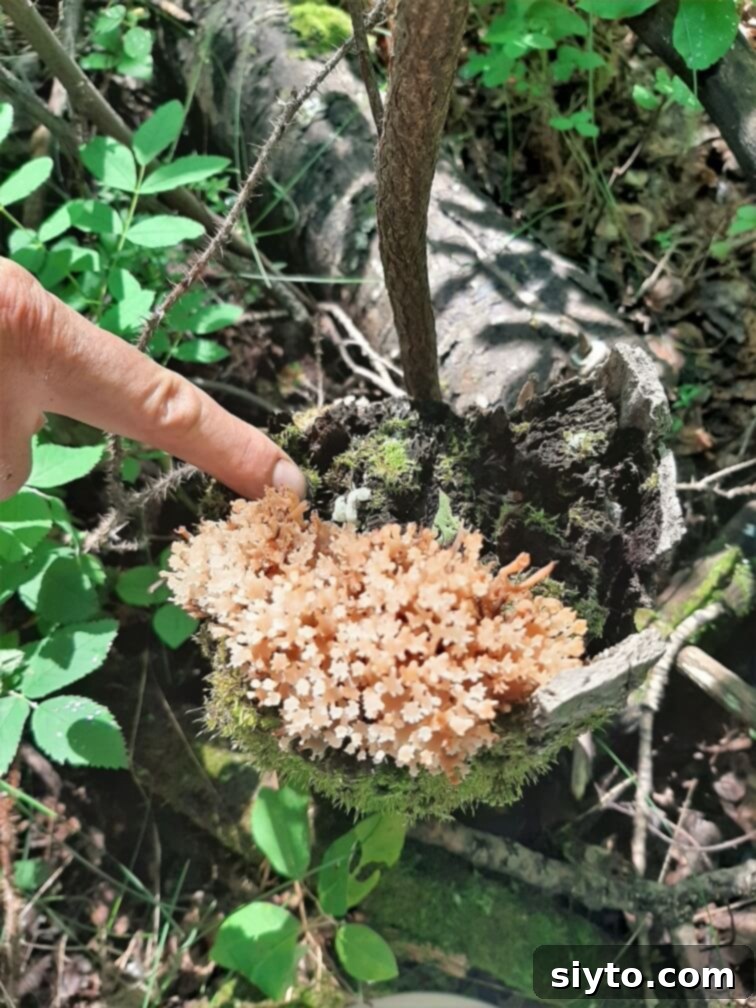
The particular variety we predominantly discovered on this outing is aptly named Crown Tipped Coral Mushrooms (Artomyces pyxidatus). This name perfectly describes their enchanting appearance, as the very tips of each tiny, branching stem are adorned with minute, jagged prongs, reminiscent of miniature, delicate crowns. This distinctive feature helps differentiate them from other coral mushroom species and adds to their unique charm.
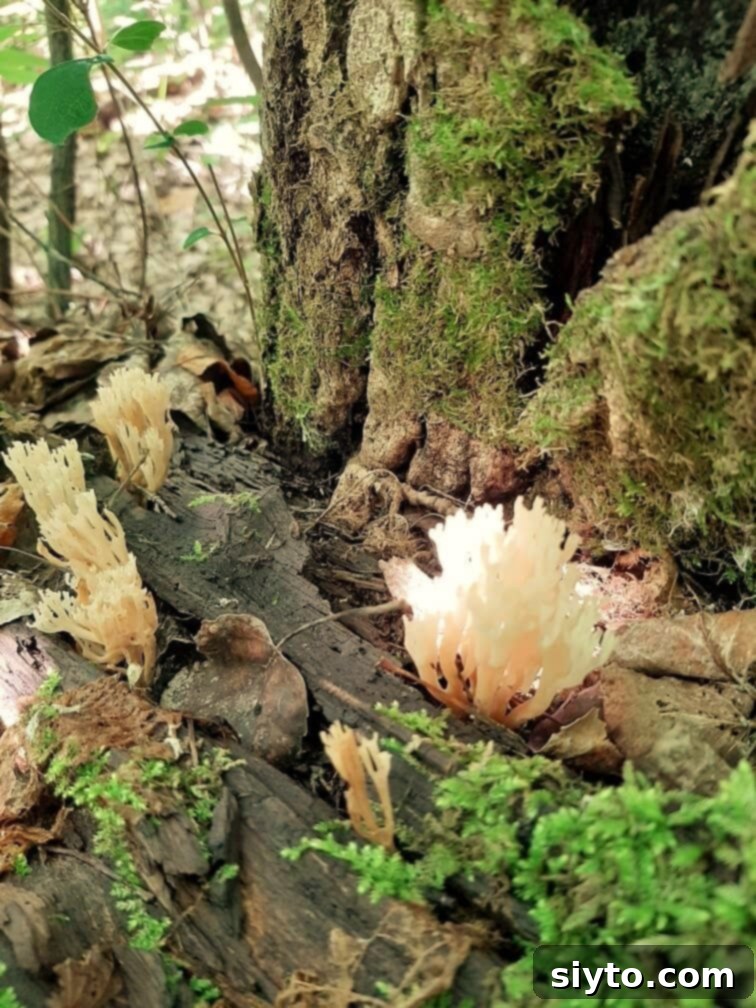
Our foraging adventure took an even more exciting turn when we stumbled upon two rare and special varieties of coral mushrooms – the magnificent Hericium species. These are truly renowned as a gourmet delicacy in the culinary world. Our excitement was so overwhelming that we immediately swooped in to carefully harvest them, forgetting all about taking a preliminary photo in their natural habitat until they were safely nestled in our collection pail. The thrill of such a find often takes precedence over photographic documentation in the heat of the moment!
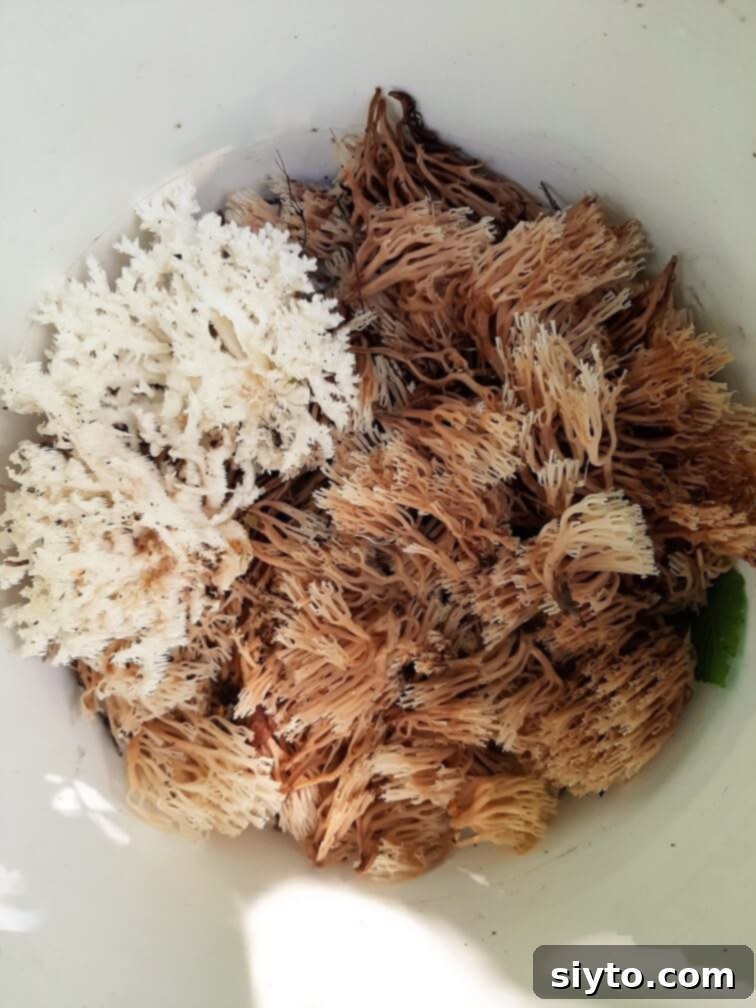
As a novice to mushroom foraging, I always place my complete trust in Alex’s extensive knowledge and experience. She was already familiar with these particular coral mushrooms and had successfully picked them on previous occasions, giving me confidence in our endeavor. Upon consulting her comprehensive mushroom identification guide, we confirmed a crucial detail: most general coral mushroom varieties do not have poisonous look-alikes, making them a relatively safer option for beginners, though caution and expert verification are always paramount. This discovery filled me with excitement, inspiring me to confidently seek out these fascinating fungi in the forests closer to my own home, armed with newfound knowledge and the memory of their distinctive features. It’s a journey of learning, where every foray into the woods deepens your understanding of nature’s bounty.
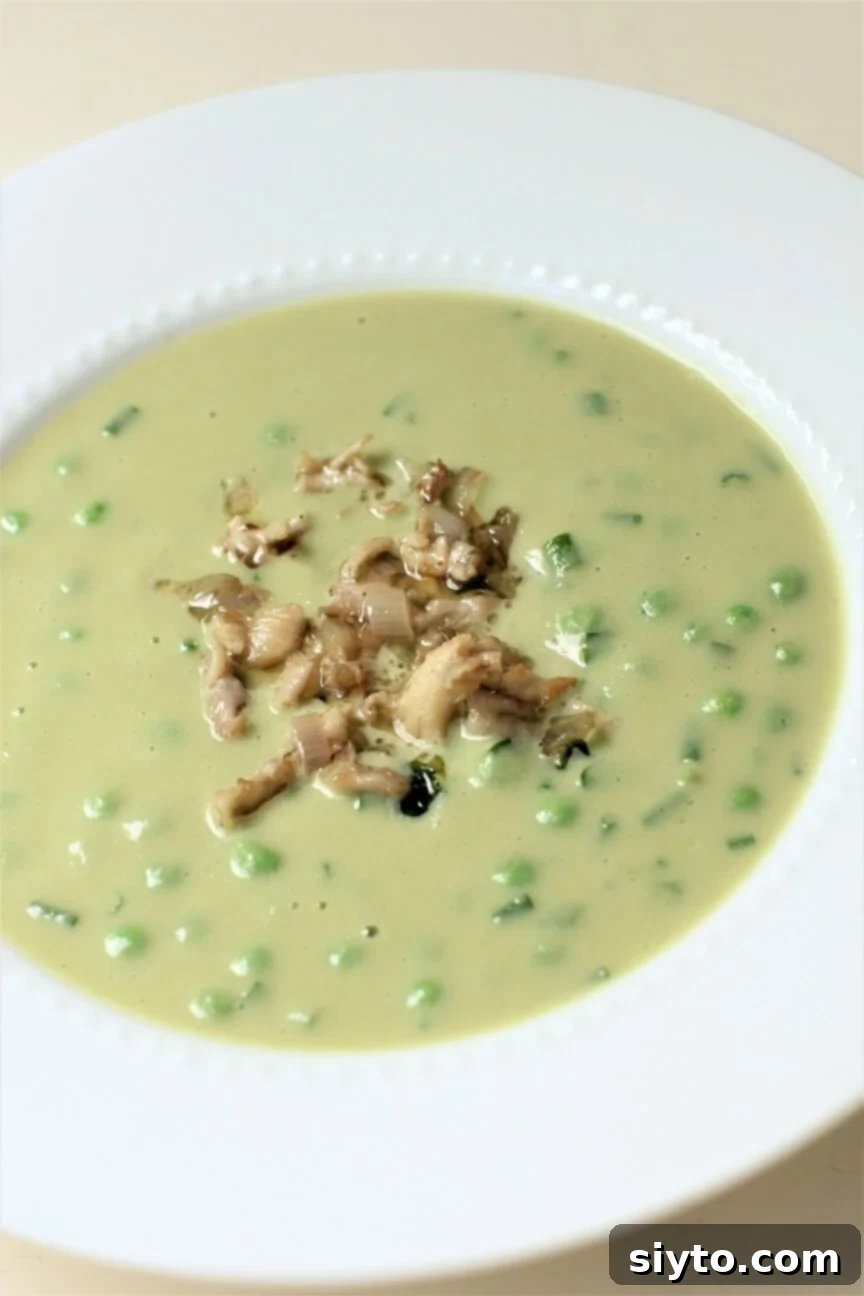
The Hericium, often known as Lion’s Mane or Bear’s Head Tooth mushroom, is a truly remarkable and distinctive fungus. It’s large, strikingly white, and boasts a unique, shaggy appearance that undeniably resembles a piece of delicate marine coral, perfectly justifying its “coral mushroom” classification. This particular mushroom is widely regarded as a gourmet delicacy, prized for its sweet, tender texture and a flavor profile that delicately hints at seafood, often compared to crab or lobster. My experience with it certainly confirmed its amazing reputation. I meticulously sautéed our two Hericium finds in rich butter with finely diced shallots and fragrant fresh thyme. The resulting morsels were so exquisite that we treated them like precious jewels, carefully doling them out as a luxurious garnish atop a bowl of creamy soup. I can only imagine how spectacular it would be perched on an omelet, elegantly garnishing a pasta dish, or simply enjoyed on a piece of rustic toast – truly a versatile and unforgettable taste experience.
To collect the coral mushrooms without damaging the underlying mycelial network and ensuring future growth, we carefully snipped them off near their base using a pair of sharp scissors. This method allowed us to leave the roots still attached to the dead logs, promoting regeneration and sustainable harvesting. Proper cleaning is a critical step after harvesting, and coral mushrooms can be a bit fiddly due to their intricate, branched structure. It’s essential to meticulously remove any tiny bits of forest debris, such as leaves, pine needles, or dirt, that might have become lodged within their delicate branches. Additionally, trim off any tough or discolored bottoms that might still have remnants of moss or wood from the log attached. This ensures only the tender, edible portions are prepared for cooking.
Once trimmed, give the mushrooms several gentle swishes in changes of clean, cool water to thoroughly rinse out any lingering sandy bits. After rinsing, lay them in a single layer on a clean kitchen towel to air dry, gently dabbing them from the top with another towel to absorb any excess moisture. For the Hericium varieties, special attention is required as sandy particles can easily become trapped in their dense, shaggy branches. A soft mushroom brush or even a clean, soft toothbrush can be incredibly helpful in dislodging these stubborn bits, ensuring a perfectly clean and grit-free culinary experience.
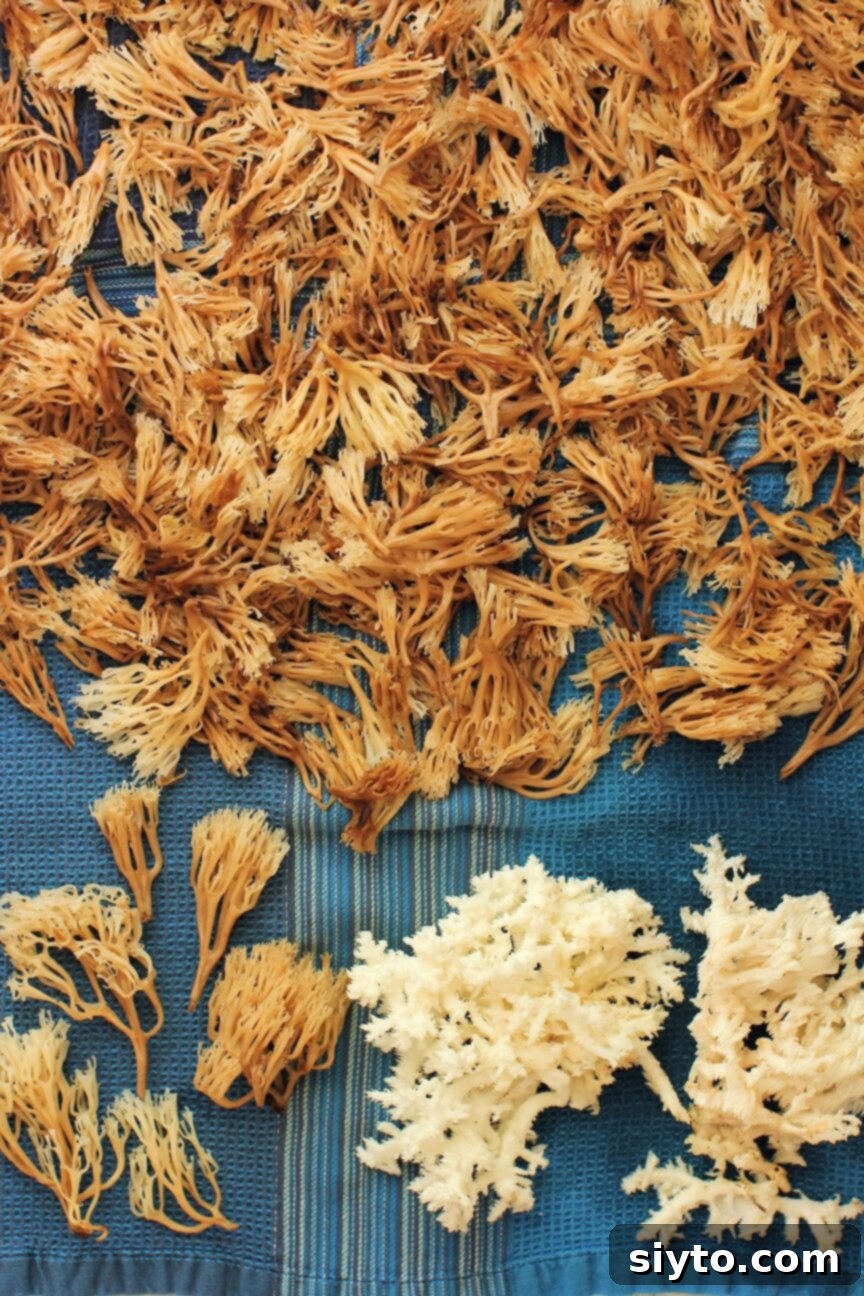
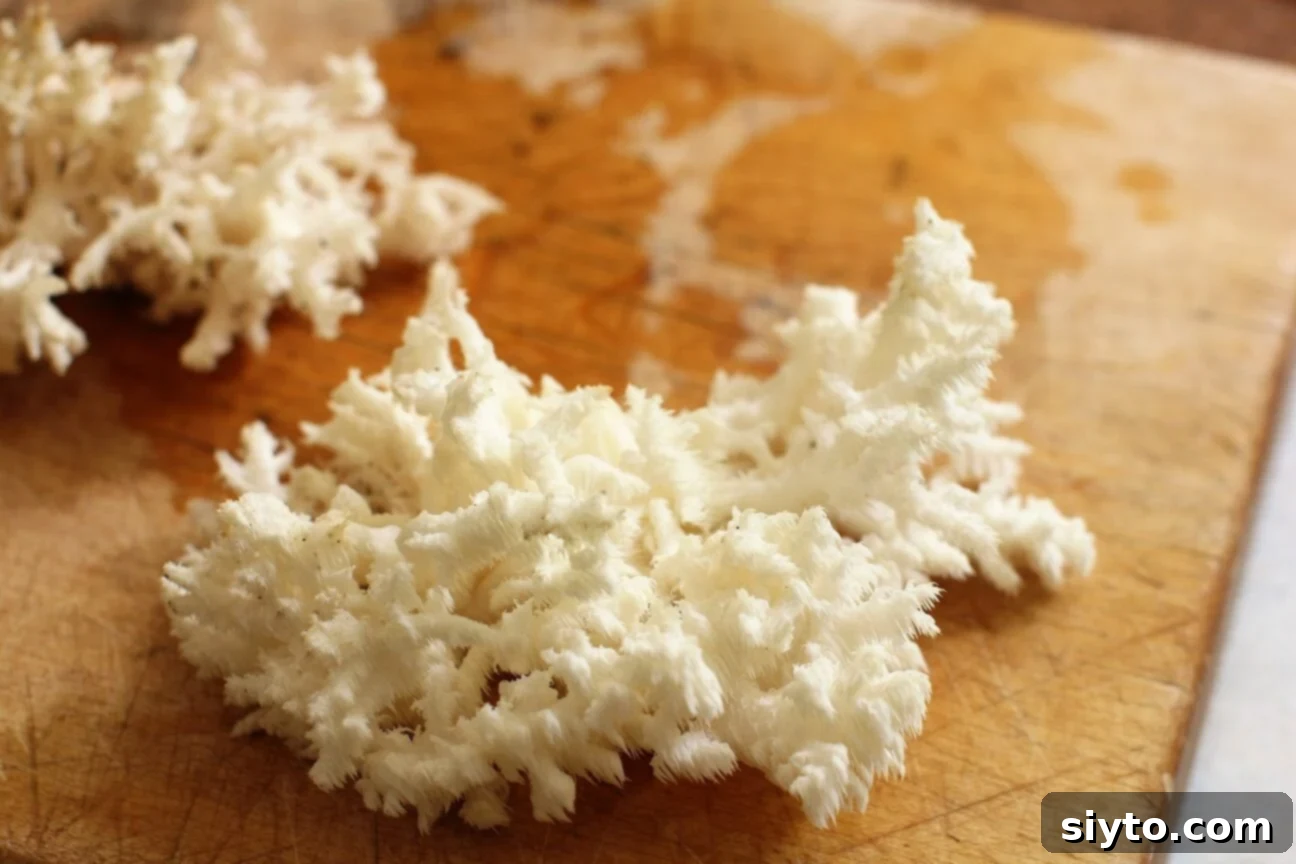
Once our precious coral mushrooms were meticulously cleaned and prepared, I was filled with an eager anticipation to experiment in the kitchen. Creating a few unique and enticing coral mushroom recipes became my next delightful project. It proved to be not only a fun culinary journey but also a remarkably delicious experiment, showcasing the versatility and exquisite flavors of these forest treasures.
A Few Tasty Coral Mushroom Recipes
The Asian-style soup I created was an instant and resounding success in our household. My primary goal was to truly highlight the beautiful and distinctive shapes of the coral mushrooms, so I made sure to keep them whole. I added them into the soup at the very last minute, as they require minimal cooking time to tenderize and retain their delicate form. This incredibly flavorful soup is wonderfully adaptable and can be made with any other mushrooms you might have on hand – a thoughtful consideration, as I understand coral mushrooms are a unique and often hard-to-find treat. You could even thinly slice regular button mushrooms to float elegantly in the broth. The soup itself is a symphony of flavors and textures: a savory, crystal-clear broth studded with glistening black rice beads (brown rice makes an excellent substitute), tender cubes of silken egg, and vibrant pops of bright green onion. It’s a fantastically delicate and intensely flavorful dish, a true testament to the subtle elegance of simple ingredients.

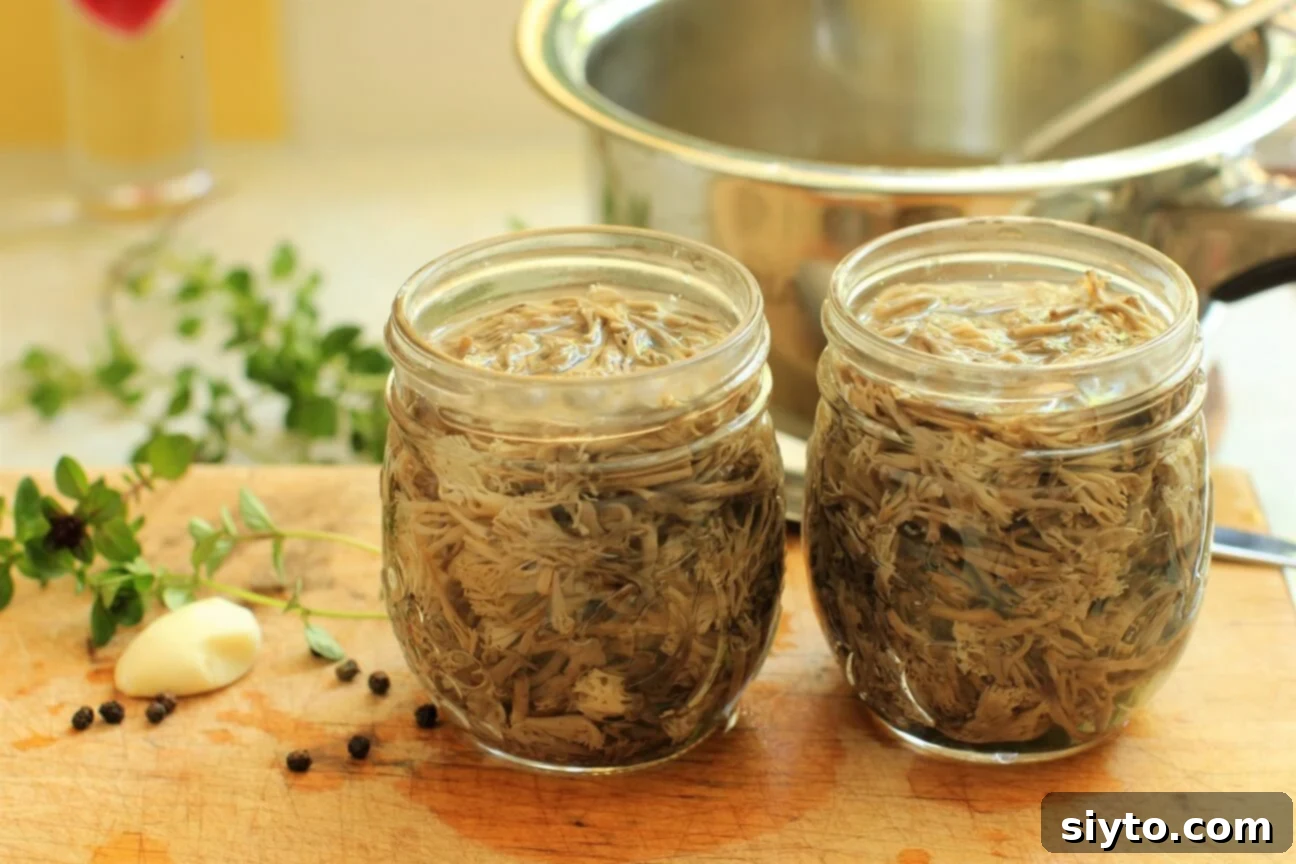
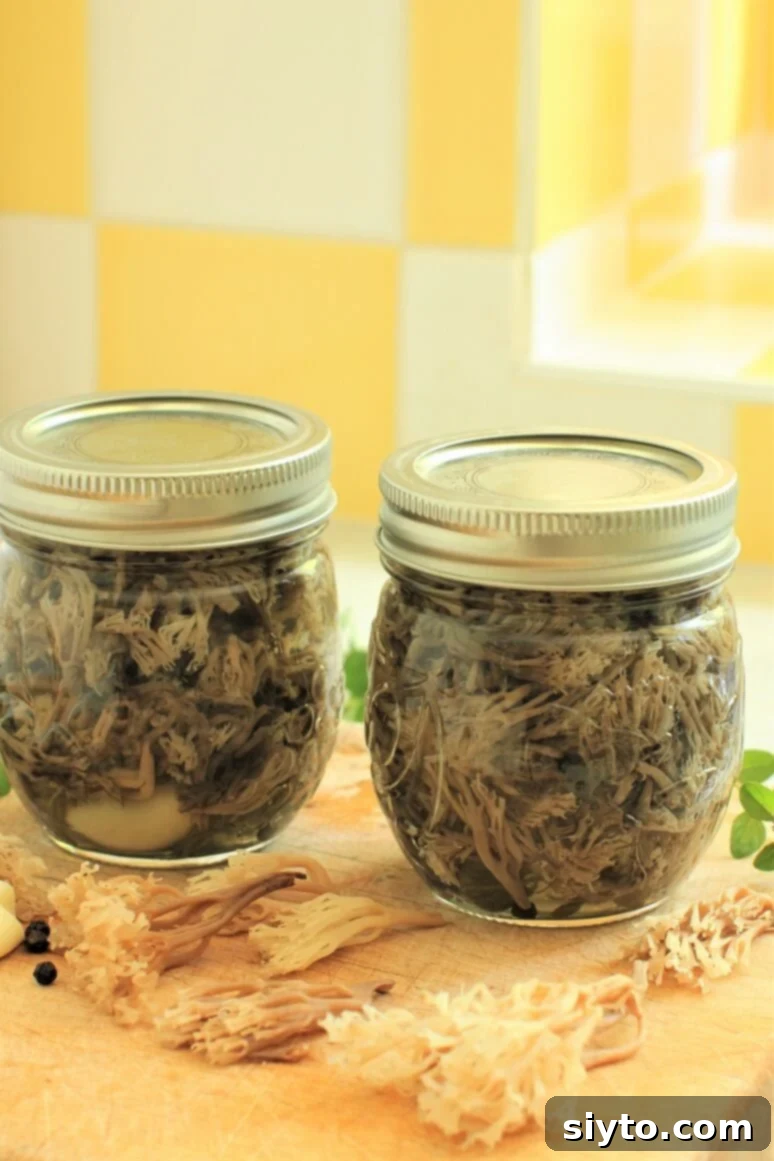
Given the generous quantity of coral mushrooms we had gathered, I knew I couldn’t possibly use them all fresh. My next culinary challenge was to find a way to preserve these unique and ephemeral mushrooms for future enjoyment. My solution was to can them in a carefully balanced, mild pickling brine. The brine was formulated to be strong enough to safely raise the pH for canning, ensuring their longevity, yet gentle enough that the mushrooms wouldn’t become overly acidic or take on a distinct “pickled” flavor. My aim was to keep their mild essence intact, allowing them to be versatile additions to various recipes later on – perhaps for recreating that delicious soup or experimenting with entirely new culinary ideas. These preserved gems would also make an excellent, elegant garnish for a wide array of dishes, adding a touch of sophisticated flavor and texture.
 Then, with those two magnificent Hericium mushrooms, the preparation was wonderfully straightforward. After a thorough cleaning, I simply chopped them into bite-sized pieces and quickly sautéed them. The cooking process involved melting a generous knob of butter in a skillet, adding finely minced shallots and fragrant fresh thyme, and then tossing in the Hericium until just tender. The goal was to preserve their delicate texture and unique flavor.
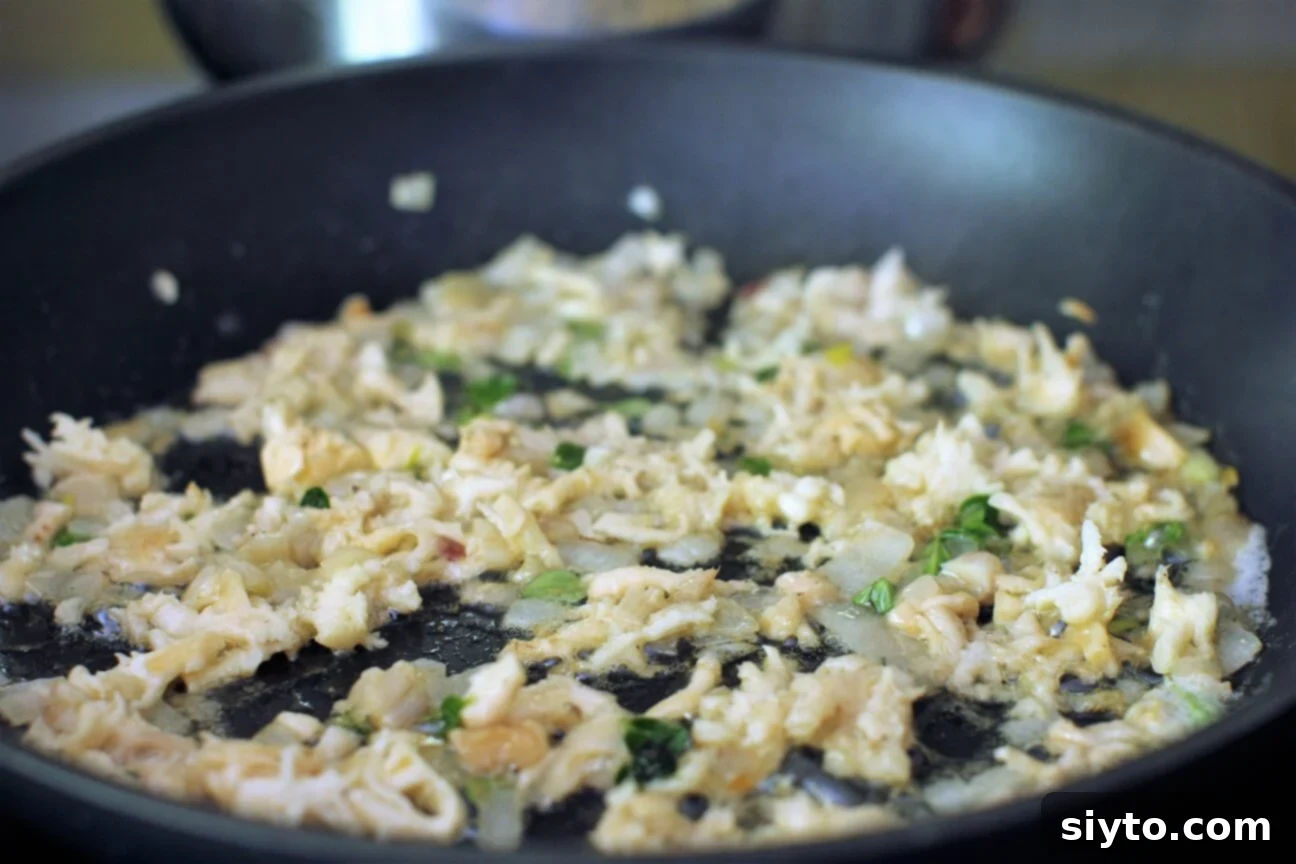
The flavor of the sautéed Hericium is remarkably delicate and complex, resting exquisitely between the earthy notes of a fresh wild mushroom and the subtle sweetness of crab meat. This makes it a truly wonderful and versatile garnish, capable of elevating a variety of dishes. Imagine it as an elegant topping for light cream soups, where its unique taste perfectly complements the richness, or as a sophisticated addition to pasta, toast, or a fluffy omelet. If one were fortunate enough to have a larger quantity of these exquisite fungi, they would undoubtedly shine as a beautiful mushroom dish all on their own. However, given that we had only these two precious Hericiums, we chose to cook them gently and savor every bite, treating them as a treasured garnish to enhance our meal.
Our day in the forest was more than just a mushroom hunt; it was a genuine treasure hunting expedition, a beautiful and invigorating adventure that left us with both a bountiful harvest and cherished memories. The joy of discovering these natural wonders, understanding their habitat, and transforming them into delicious meals is a profound connection to nature’s pantry.
Check out some of our other thrilling mushroom hunting journeys and culinary explorations:
The Mighty Mushroom Hunters (and Some Giant Puffball Recipes)
Morel Mushroom Picking at the Cabin
More Mushroom Hunting: Wild Rice and Morel Mushroom Soup
Mushroom Hunting: Pasta with Morel Mushrooms in a Delicate Cream Sauce
* * * * *
Kitchen Frau Notes: For this soup, you can conveniently use leftover cooked black rice or brown rice, or prepare some specifically for the recipe. To cook black rice, combine ¼ cup black rice with ½ cup water in a small saucepan. Bring to a boil, give it a quick stir, then reduce the heat to low, cover, and simmer for 25 minutes (if using brown rice, simmer for 40 minutes). Be aware that black rice will naturally leach its beautiful dark color into the soup over time. If you reheat leftovers the next day, the broth will deepen in color and the egg cubes may turn a harmless purple hue from the rice pigments. To keep your egg dice a bright yellow, I recommend adding the cooked black rice to the soup just before serving. This color change won’t occur with brown rice, but the striking visual contrast of black rice in the soup is truly beautiful and worth noting.
For the most flavorful soup, I highly recommend using a rich homemade chicken stock. Alternatively, a high-quality concentrate like Better Than Bouillon paste concentrate provides an excellent depth of flavor.

Coral Mushroom & Egg Dice Soup
- 6 cups (1.5 l) flavorful chicken stock, homemade or from good quality concentrate
- 1-inch (2.5cm) piece of ginger, peeled
- 1 tablespoon fish sauce
- 1 tablespoon tamari soy sauce
- ¼ teaspoon sriracha hot pepper sauce
- 1 teaspoon butter
- 4 large eggs
- ¼ teaspoon salt
- ¼ teaspoon nutmeg
- 1 cup (or a large handful) of coral mushrooms, trimmed and washed, or substitute other wild mushrooms or thinly sliced button mushrooms, or use drained coral mushrooms you’ve preserved as per the recipe below
- 1 bunch green onions/scallions, cut into 1-inch (2.5cm) pieces (6 to 8 onions)
- ¾ cup (180ml) cooked black rice* see Notes above (or leftover brown rice)
- 2 teaspoons roasted sesame oil
Pour the chicken stock into a large saucepan. Thinly slice the peeled ginger, stack the slices, and cut them into finely julienned slivers. Add the ginger slivers, fish sauce, tamari, and sriracha to the chicken stock and bring it to a boil. Reduce the heat, cover the saucepan, and simmer the stock for 10 minutes.
While the stock is simmering, melt the butter in a 9-inch non-stick skillet over medium-low heat. Beat the eggs with the salt and nutmeg and pour it into the pan. Let the eggs cook without stirring them, until the bottom is set but not browned. Carefully flip the egg pancake to cook the other side (but don’t let it brown) or, if your pan is oven-safe, you can cook the top by setting the pan in the oven under a preheated broiler for a minute or two – just until the top is set. Tip the egg pancake out onto a cutting board and cut it into ½-inch (1cm) squares. Set them aside.
To the simmering stock, add the coral mushrooms and green onions. Bring the soup to a boil, then reduce the heat and simmer it for 1 minute. Stir in the egg cubes, cooked black rice, and sesame oil. Remove the soup from the heat and serve immediately.
Serves 4 (or 6 as a light first course).
* * * * *
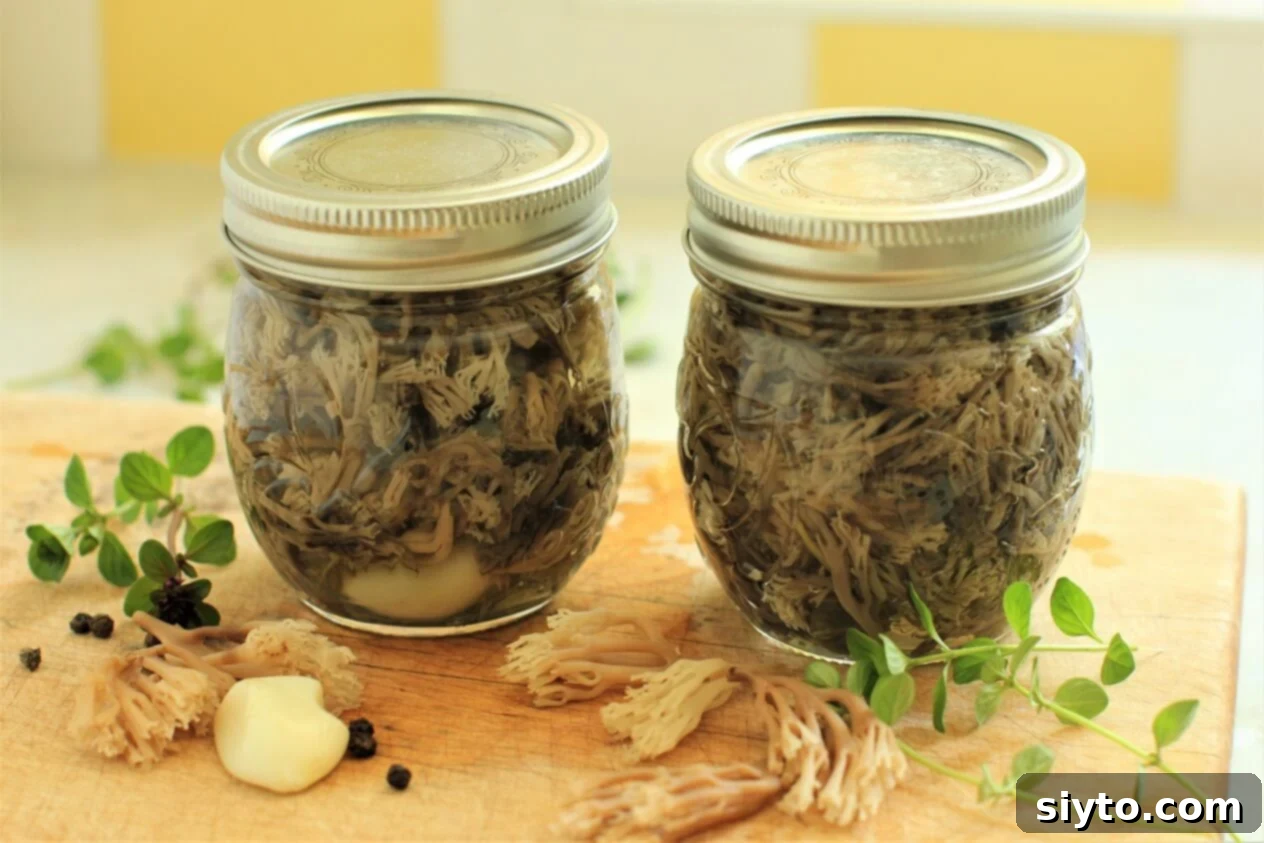
Preserved Lightly Pickled Coral Mushrooms
Preserve these delicate mushrooms to use in soups and recipes.
- 4 cups (300gms) coral mushrooms (lightly packed), cleaned
- 1 cup (240ml) water
- ¼ cup (60ml) white vinegar
- ½ teaspoon fine sea salt
- 2 cloves garlic, peeled and lightly crushed
- 2 fresh thyme sprigs
- 12 whole peppercorns
- 2 half-pint (250ml) canning jars
Before starting, make sure the coral mushrooms are well cleaned: rinse and swish them several times in changes of clean water to get out the little bits of forest debris caught between the strands. Snip off any brown bits or roots at the bottoms of the clusters Then drain them well and put them in a single layer onto a clean dish towel and cover with another dish towel. Press down gently to remove any excess water. To make sure they are really dry, spread the mushrooms onto another dry towel and roll them up, then leave them in the fridge for an hour or so to absorb moisture into the towel.
Sterilize the canning jars by boiling them, covered in water, for 5 minutes. Heat the metal snap lids in simmering water.
Heat the water, vinegar, and salt to boiling in a small saucepan. Add the coral mushrooms and bring the brine back to a boil. The mushrooms will shrink down a lot. Remove the saucepan from the heat.
Remove the hot jars from the boiling water, drain them, and into the bottom of each put 1 clove of garlic, 6 peppercorns, and a sprig of fresh thyme.
Scoop the hot mushrooms out of the brine with a slotted spoon and divide them evenly between the two jars. Pour the remaining brine over the mushrooms in the jars until they are filled to within ½ inch from the top. Wipe the rims of the jars clean, put on the metal snap lids, and screw bands, sealing them only finger tight.
Spread a clean dishcloth into a large saucepan that’s at least 2 inches taller than the jars. Put the jars into the pot, not touching each other, on top of the dishcloth (to keep them from bouncing around as the water boils). Fill the pot with hot water to cover the jars.
Bring to a boil, then reduce the heat a bit to keep the water at a medium boil. Cover the pot and let the jars boil for 10 minutes. Remove them to a dish towel on the counter to cool. Once they are cool, and you can see the lids have sucked down onto the jars (you should have heard a pop as they sealed and the lid should not be bowed upwards), the jars can be stored in a cool place for up to 1 year. If a jar doesn’t seal, keep it in the fridge and use it within 2 weeks.
Use as a garnish or in soups, stews, or stir fries (adding near the end of cooking time).
Makes 2 half-pints.
* * * * *
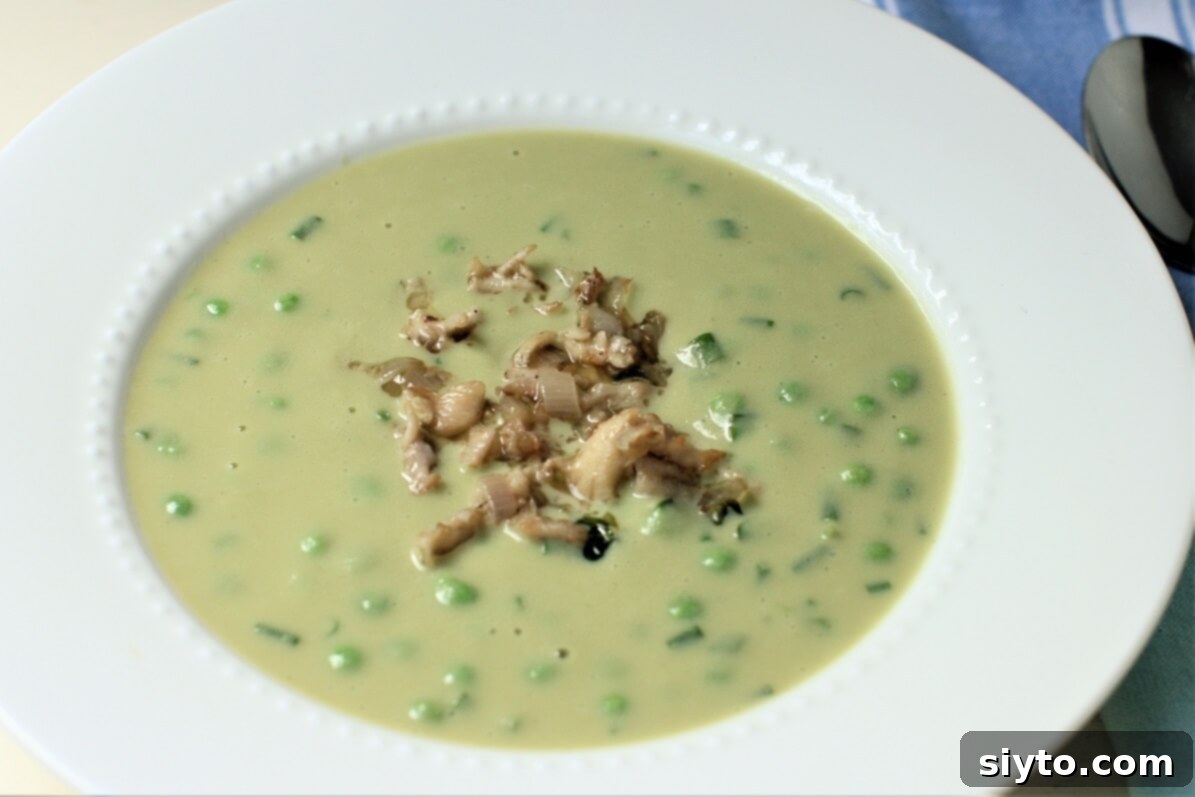
Sautéed Hericium Coral Mushrooms for Soup Garnish or Omelets
- 2 tablespoons butter
- 1 shallot, chopped
- leaves from 1 sprig of thyme
- 1 cup (a large handful) cleaned and roughly chopped hericium coral mushrooms
- pinch of salt
Make sure the hericium coral mushroom is well cleaned and rinsed.
Melt the butter in a skillet over medium heat. Add the shallot and thyme leaves and cook for 2 to 3 minutes, until soft. Add the chopped coral mushrooms and salt, and cook for 2 to 3 more minutes, just until the mushroom is softened.
Serve as a garnish on top of cream soups, (the mushroom/seafood flavour complements many varieties of cream soups), on toast, omelets, pasta, or scrambled eggs
Serves 4 as a garnish.
* * * * *
Guten Appetit!
Want to receive new Kitchen Frau recipes directly to your email? Sign up here and you’ll get a handy and useful kitchen tip along with each recipe, too. (No spam ever.)
If you like my recipes, follow me on Instagram, Pinterest, Twitter, and Facebook. You’d make my day!
PIN IT HERE to save the recipe for later:

You might also like:
Steak and Mushrooms – a Classic
Mushrooms on Toast
Puffball Schnitzel with Sage and Onion Gravy
Warm Puffball Bites with Miso and Pumpkin Seeds