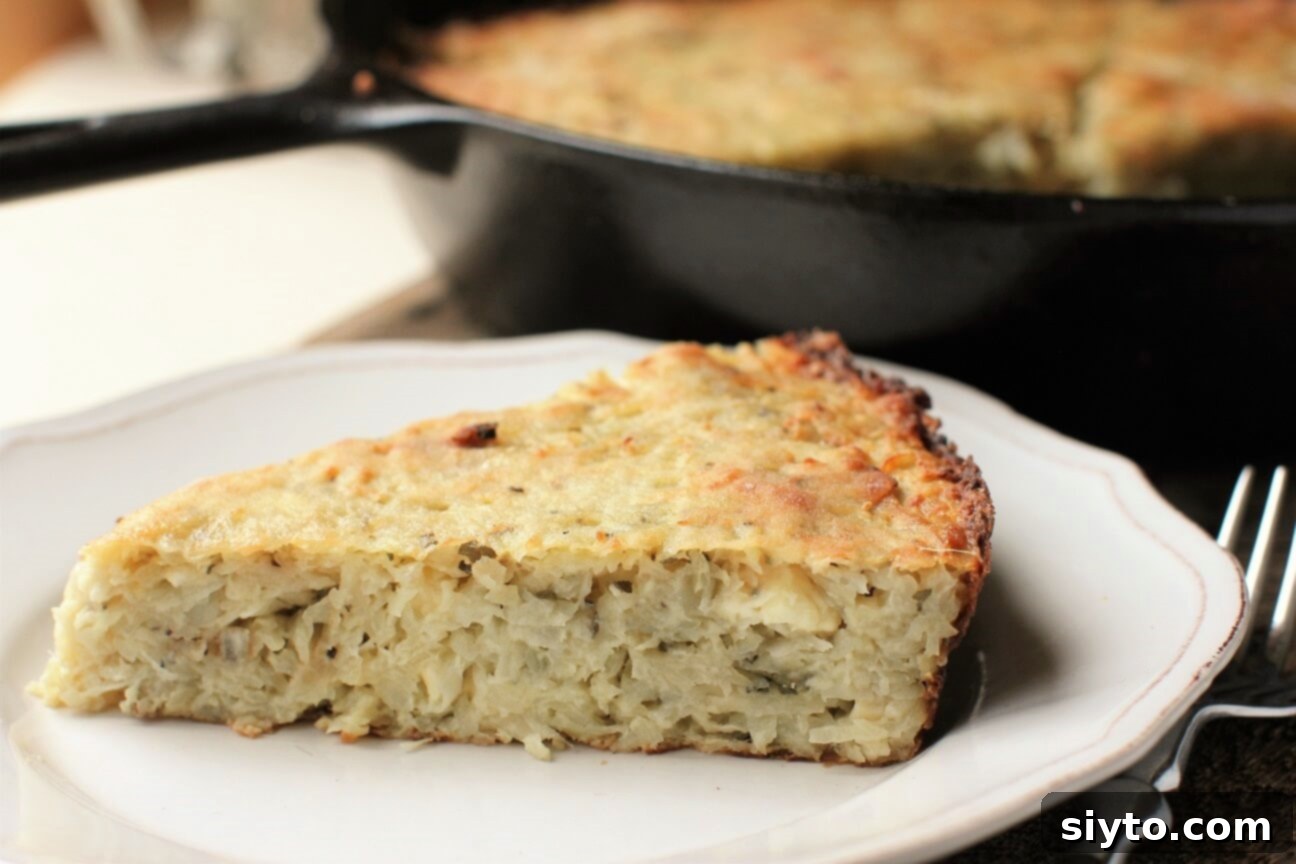
Authentic Bulgarian Patatnik Recipe: A Comforting Potato and Cheese Pie
Bulgarian Patatnik is a truly delightful and deeply satisfying dish, a savory potato and cheese pie that originates from the scenic Rhodope Mountains. This traditional comfort food is celebrated for its warm, filling nature and utterly comforting appeal. Perfect as a light lunch, a hearty side dish, or even a substantial supper, Patatnik offers a taste of authentic Bulgarian cuisine that’s both simple and profoundly flavorful. (Skip to the detailed recipe below.)
Discovering the Flavors of Bulgaria: The Patatnik Story
This culinary journey takes us east, to the Republic of Bulgaria, a fascinating country nestled in the heart of the Balkans. With its eastern boundary tracing the Black Sea coast, and borders shared with Romania, Serbia, North Macedonia, Greece, and Turkey, Bulgaria’s geographical position has profoundly shaped its vibrant cuisine. It’s a melting pot of flavors, with strong influences from its Greek and Turkish neighbors evident in many of its traditional dishes, often featuring fresh vegetables, dairy products, and flavorful herbs.
As part of our ongoing Eat the World recipe challenge, our exploration led us directly to the irresistible charm of Patatnik. This shredded potato and cheese pie, an iconic dish from the Rhodope Mountains, immediately captured our attention—and our appetites! Patatnik is more than just a dish; it’s a reflection of the region’s rich history and agricultural bounty. Traditionally, it was often prepared over an open fire by shepherds and mountain dwellers, a testament to its rustic origins and hearty nature. The simplicity of its ingredients belies the depth of flavor it achieves, making it a beloved staple in Bulgarian homes.
While researching various Patatnik recipes, I encountered several intriguing variations, each with its own unique approach to creating the pie’s structure. Some versions feature the potato mixture encased in delicate phyllo pastry, creating a flaky exterior similar to a Greek spanakopita. Others suggest a more labor-intensive floury crust, rolled out and placed both beneath and atop the potato filling. These methods often require the pie to be flipped during cooking—a task that can be daunting and tricky for even experienced home cooks to manage without mishap. However, I was particularly drawn to a clever, simpler approach: one that involves creating a light, crispy crust by sprinkling a thin layer of butter and flour directly onto the skillet and over the potato mixture before baking. This ingenious method yields a beautifully golden, cohesive crust without the fuss, making authentic Patatnik an accessible and rewarding dish for everyone to master in their own kitchen.
Why This Patatnik Recipe Stands Out: The Easy Crust Method
Our chosen method for preparing Patatnik is a game-changer, especially for those seeking authentic flavor without the complexity often associated with traditional crusts. The pie bakes at a very high temperature, cleverly simulating the intense, even heat of embers from a traditional slow fire. This high heat is crucial for developing that magnificent, golden, and wonderfully crusty top layer, which is both visually appealing and texturally delightful. The butter melts into the flour, creating a rich, buttery, and slightly crisp layer that perfectly complements the tender potatoes nestled within. This “no-fuss” crust not only simplifies the process but also delivers on taste and texture, providing a satisfying crunch that gives way to a soft interior.
A key technique in this recipe involves thoroughly squeezing out the excess liquid and starch from the shredded potatoes. This step is vital because it prevents the pie from becoming watery or gummy, ensuring the potatoes retain a lovely, moist, and fluffy texture once cooked. Skipping this step can lead to a dense, unappetizing result, so don’t underestimate its importance! Within this tender potato matrix, you’ll discover delightful pockets of salty, briny cheese, harmoniously bound together by eggs, which act as a natural binder. In Bulgaria, the local sirene cheese is traditionally used, known for its distinct salty profile and crumbly texture. For those outside Bulgaria, a good quality feta cheese makes an excellent, readily available substitute, offering a similar tang and creaminess that elevates the dish. A hint of mild mint, which grows abundantly in the Rhodope mountains and is a signature flavor of Patatnik, further enhances the authentic taste. Even a small amount of regular dried mint can replicate this subtle, aromatic note beautifully, adding depth without overpowering the other ingredients.
The Simple Process for Making a Delicious Bulgarian Patatnik
Creating your own homemade Patatnik is a straightforward and enjoyable process. Follow these easy-to-understand steps for a perfect, golden-brown potato pie every time, bringing a taste of Bulgaria to your table:
1. Prepare Your Skillet for Baking
Begin by generously buttering and flouring your cast iron skillet. This crucial first step ensures a fantastic non-stick surface, preventing the Patatnik from sticking, and contributes significantly to the formation of the delicious, crispy bottom crust. Don’t be shy with the butter and flour; coverage is key!
2. Shred the Potatoes to Perfection
Next, prepare your potatoes. Shredding them on the large holes of a box grater takes only a few minutes, transforming humble potatoes into the primary texture of your savory pie. The larger shreds ensure a satisfying bite and help prevent the potatoes from becoming mushy during baking.
3. The Crucial Step: Squeeze Out Excess Liquid
Pile the freshly shredded potatoes onto a clean tea towel. This is where the magic happens for that perfect, non-soggy texture. Gather the corners and edges of the towel to create a tight ball of potatoes.
Firmly squeeze out as much starchy liquid as you can. This step is crucial for achieving a moist, yet firm, and never soggy, interior for your Patatnik. You’ll be surprised how much liquid comes out!
4. Combine the Flavorful Filling Ingredients
Once squeezed, transfer the potatoes to a large bowl. Now, it’s time to build the rich, aromatic flavor of the Patatnik. Mix the shredded potatoes with plenty of finely chopped or grated onion, crumbled feta (or traditional sirene) cheese, binding eggs, and your chosen spices, including that essential touch of dried mint. Use your hands to ensure everything is thoroughly combined, distributing the flavors evenly throughout the mixture.
5. Fill and Compress the Skillet
Carefully transfer the potato mixture into your prepared skillet, spreading it evenly across the bottom. Press it down firmly with your hands to create a compact, solid base for your pie. Ensure the top surface is smooth and uniform, as this will be the canvas for your golden crust.
6. Create the Easy, Delicious Top Crust
This is where the genius of this simplified Patatnik recipe truly shines, delivering a crispy crust without complicated pastry work. Sprinkle a thin, even layer of flour (sweet rice flour is an excellent gluten-free option, but regular all-purpose flour works perfectly) over the potato mixture using a sieve for best results.
Then, dot the surface generously with small, pea-sized chunks of butter. As the Patatnik bakes, this butter will melt, combine with the flour, and form that irresistible golden, crispy crust that holds the pie together beautifully and adds a rich, buttery flavor to every bite.
7. Bake to Golden Perfection
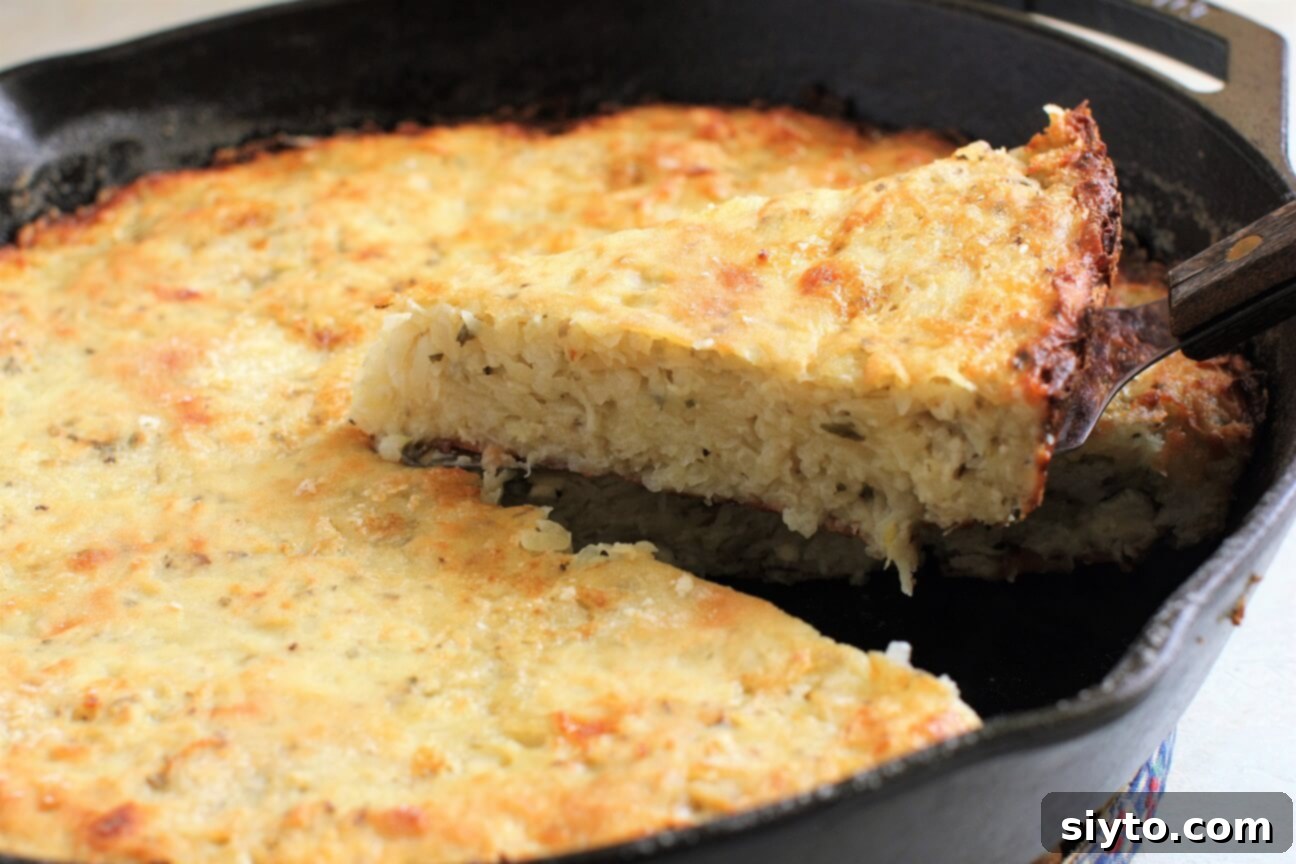
Give your Patatnik a nice, long bake in a really hot oven. This high heat is key to achieving that perfect golden hue and irresistibly crispy texture on top, while simultaneously ensuring the potatoes inside cook to tender perfection. The edges will become beautifully browned and crunchy, providing a delightful contrast to the moist, flavorful interior. The aroma filling your kitchen will be incredible!
Just look at that magnificent golden deliciousness! The aroma alone is enough to make you want to cut yourself a generous wedge immediately. The crust glistens with melted butter, promising a delightful crunch with every bite, while the interior offers comforting tenderness. This is comfort food at its finest.
Serving Suggestions for Your Authentic Bulgarian Patatnik
Patatnik is incredibly versatile and pairs wonderfully with a variety of accompaniments, making it suitable for different meal occasions. For an authentic Bulgarian mountain feast experience, serve it alongside an assortment of crisp, refreshing salads and tangy pickles. The vibrant, acidic flavors of pickled vegetables cut through the richness of the potato pie beautifully, creating a balanced and satisfying meal. You could also consider a simple Shopska Salata (a classic Bulgarian salad typically featuring fresh tomatoes, cucumbers, roasted peppers, onion, and generous crumbles of sirene cheese) for a complete and traditional meal. It’s also excellent with a dollop of plain yogurt or sour cream, which adds a creamy, cooling contrast that complements the savory pie perfectly. Patatnik can be enjoyed warm as a main course, a substantial side, or even as a flavorful appetizer when cut into smaller squares.
Tips for a Perfect Patatnik Every Time
Kitchen Frau Notes: Achieving the perfect Patatnik is simple with a few key considerations and insider tips. These recommendations will help ensure your Bulgarian potato pie turns out delicious and authentic every single time.
- Pan Size Matters: A large 12-inch (30cm) cast iron skillet is ideal for baking Patatnik, allowing for an even thickness of the potato mixture and optimal crust development on both the bottom and top. If you don’t have one, a 9×13 inch (23x33cm) glass or ceramic baking pan can be used, though the mixture will be slightly flatter, and you might need to adjust the cooking time by a few minutes (check for doneness earlier).
- Cheese Variations: While authentic Bulgarian sirene cheese is traditional and offers a unique salty, briny flavor, good quality feta cheese is a fantastic and widely available substitute that delivers a similar tang and creaminess. If you prefer to omit the cheese entirely, simply add about another half teaspoon of salt to the potato mixture to ensure the flavors are well-balanced without the cheese’s salinity.
- Choosing Your Potatoes: Starchy potato varieties like Russets or Yukon Golds work exceptionally well for Patatnik due to their texture when shredded and their ability to bind the mixture effectively. Newer potatoes or waxy varieties might yield more liquid, so be extra diligent with the squeezing step if you use them.
- Preventing Potato Discoloration: Shredded potatoes can sometimes turn a light pinkish hue when exposed to air (oxidation). This is a natural reaction and is absolutely nothing to worry about; they will lose this color during cooking. However, to minimize this, avoid letting them sit for excessively long periods after shredding and squeezing, which could lead to them becoming too dark.
- Mint Substitute: Dried mint is a signature flavor in Patatnik. If you don’t have dried mint on hand, a teaspoon of dried, crumbled oregano can offer a pleasant, albeit slightly different, aromatic note that still complements the savory flavors of the pie.
Patatnik (Authentic Bulgarian Potato Pie) Recipe
This recipe brings the authentic flavors of the Rhodope Mountains straight to your kitchen, with an easy-to-follow method that guarantees a delicious, comforting result. Enjoy a slice of Bulgarian tradition!
Ingredients:
- 4 tablespoons soft unsalted butter, divided
- 4 tablespoons sweet rice flour (or regular all-purpose flour for non-gluten-free), divided
- 3 lbs (1.4kg) potatoes (yielding approximately 5 cups peeled and shredded)
- 2 medium-large onions (about 1 lb/450gms total), finely chopped or grated
- 4 large eggs
- 1 cup (130gms) crumbled feta cheese (or authentic Bulgarian sirene cheese, if available)
- 2 teaspoons dried mint (substitute 1 teaspoon dried, crumbled oregano if mint is unavailable)
- 1 teaspoon salt
- 1 teaspoon coarsely ground black pepper
Instructions:
- Preheat Oven: Preheat your oven to 450°F (230°C).
- Prepare Skillet: Use 2 tablespoons of the soft butter to generously grease a 12-inch (30cm) cast iron skillet, ensuring the bottom and sides are well-coated. (Note: A 10-inch skillet will be too small for this amount of mixture.) If using a 9×13 inch (23x33cm) glass or ceramic pan, grease it similarly. Dump 2 tablespoons of the sweet rice flour (or regular flour) into the buttered skillet and swirl it around until the flour evenly coats the bottom and sides. A small amount of extra flour pooling at the bottom is perfectly fine and contributes to the crust.
- Prepare Potatoes: Peel the potatoes and shred them using the large holes of a box grater. Pile all the shredded potatoes onto a clean, sturdy dish towel. Gather up the corners and edges of the towel to form a tight ball around the potatoes.
- Squeeze Potatoes: Firmly squeeze the potatoes to extract as much liquid as you can. Aim to remove about half to two-thirds of a cup (120-160ml) of liquid; however, don’t worry if you get less—some potato varieties are naturally drier. Discard the extracted liquid. This step is crucial for preventing a soggy pie.
- Potato Discoloration Note: The squeezed potato shreds may turn a light pinkish color as they sit, which is a natural reaction to oxygen. This is harmless and will disappear during cooking. Avoid letting them sit for extended periods, which could lead to darker discoloration.
- Chop Onions: Grate or finely chop the onions. A food processor or mini chopper can be used for quick and even chopping, ensuring the onion flavor integrates smoothly without large chunks.
- Combine Filling: Place the squeezed potato shreds into a large mixing bowl. Add the chopped onion, eggs, crumbled feta cheese, salt, pepper, and dried mint. Mix everything thoroughly with your hands until well combined and all ingredients are evenly distributed.
- Fill Baking Dish: Transfer the potato mixture into the prepared skillet or baking dish. Spread it out evenly and press it down firmly with your hands to pack it solidly into the pan. This compression helps the pie hold its shape and ensures even cooking. Smooth the top surface to create an even layer.
- Form Top Crust: Place the remaining 2 tablespoons of flour into a small sieve and shake it evenly over the top of the potato mixture, creating a thin, consistent layer. Dot the remaining 2 tablespoons of butter around the surface of the Patatnik in pea-sized chunks. This flour and butter combination will melt and bake into a beautiful, crispy golden top crust that perfectly holds the pie together.
- Bake: Bake in the preheated oven for 45 minutes, or until the top is gorgeously golden brown and the edges are a deep, crispy brown color. The potatoes inside should be tender when pierced with a knife.
- Serve: Allow the Patatnik to cool for about 5 minutes before cutting it into wedges and serving. It’s traditionally served warm with an array of pickles and fresh salads for a complete Bulgarian meal.
Yields: 8 generous servings. Leftovers reheat wonderfully, making it a great make-ahead dish for busy weeknights or meal prep!
Guten Appetit!
Join the Culinary Adventure: Eat the World Challenge!
Eager to explore more global cuisines and expand your cooking repertoire? Check out all the wonderful Bulgarian dishes prepared by fellow Eat the World members and share your own culinary discoveries using #eattheworld. It’s a fantastic way to connect with other food enthusiasts and learn about diverse cultures through their food. Click here to find out how to join and have fun exploring a new country’s cuisine each month with us!
- Pandemonium Noshery: Bulgarian Sausage Stew
- Sneha’s Recipe: Mekitsa – Bulgarian Fried Doughnuts
- Sara’s Tasty Buds: Gevrek
- Culinary Adventures with Camilla: Patatnik + 2016 Edoardo Miroglio Bio Mavrud & Rubin
- Amy’s Cooking Adventures: Koledna Pitka (Bulgarian Christmas Bread)
- Making Miracles: Gyuveche
- Kitchen Frau: Patatnik (Bulgarian Potato Pie)
- Dinner By Dennis: Kebapche (Bulgarian Grilled Kebabs)
- A Day in the Life on the Farm: Shopska Salata
Want to receive new Kitchen Frau recipes directly to your email? Sign up here and you’ll get a handy and useful kitchen tip along with each recipe, too. (No spam ever, just deliciousness!)
If you like my recipes, follow me on Instagram, Pinterest, Twitter, and Facebook. Your support means a lot!
PIN IT HERE to save the recipe for later:
Explore More Global Cuisine: Past ‘Eat the World’ Recipe Challenge Posts
Discover a world of flavors with our previous culinary adventures (in alphabetical order):
- Argentina: Red Chimichurri Sauce
- Cambodia: Noum Kong (Cambodian Rice Flour Doughnuts)
- Egypt: Fava Beans and Feta
- England: Gluten Free Fish and Chips and Mushy Peas
- Ethiopia: Four Ethiopian Recipes for a Fantastic Feast
- Fiji: Spiced Sweet Potato and Banana Salad
- Finland: Lohikeitto (Creamy Salmon, Potato, and Dill Soup)
- France: Axoa d’Espelette (A Simple Stew from the Basque Country)
- Georgia: Charkhlis Chogi (Beets with Sour Cherry Sauce)
- India: Kerala Upma (Fluffy, Kerala Style Breakfast Upma Recipe)
- Iraq: Tepsi Baytinijan (Eggplant & Meatball Casserole)
- Ireland: Dublin Coddle (A tasty Sausage and Potato Stew)
- Israel: Cucumber, Feta, and Watermelon Salad
- Kenya:Maharagwe with Ugali (Red Beans with Cornmeal Slice)
- Mexico: Cochinita Pibil Tacos (Pit Barbecued Pig to Make in Your Oven)
- New Zealand: Classic Pavlova
- Poland: Polish Honey Cake
- Portugal: Tuna and Sardine Pâtés
- Puerto Rico: Piña Colada Cocktail
- Senegal: Mafé (Beef and Peanut Stew)
- Sweden: Swedish Meatballs with Cream Gravy
- Switzerland (Christmas): Basler Leckerli Cookies
- Thailand: Shrimp Laksa (Khung)
- Trinidad & Tobago: Peanut Butter Prunes
- Ukraine: Buckwheat Kasha with Beef