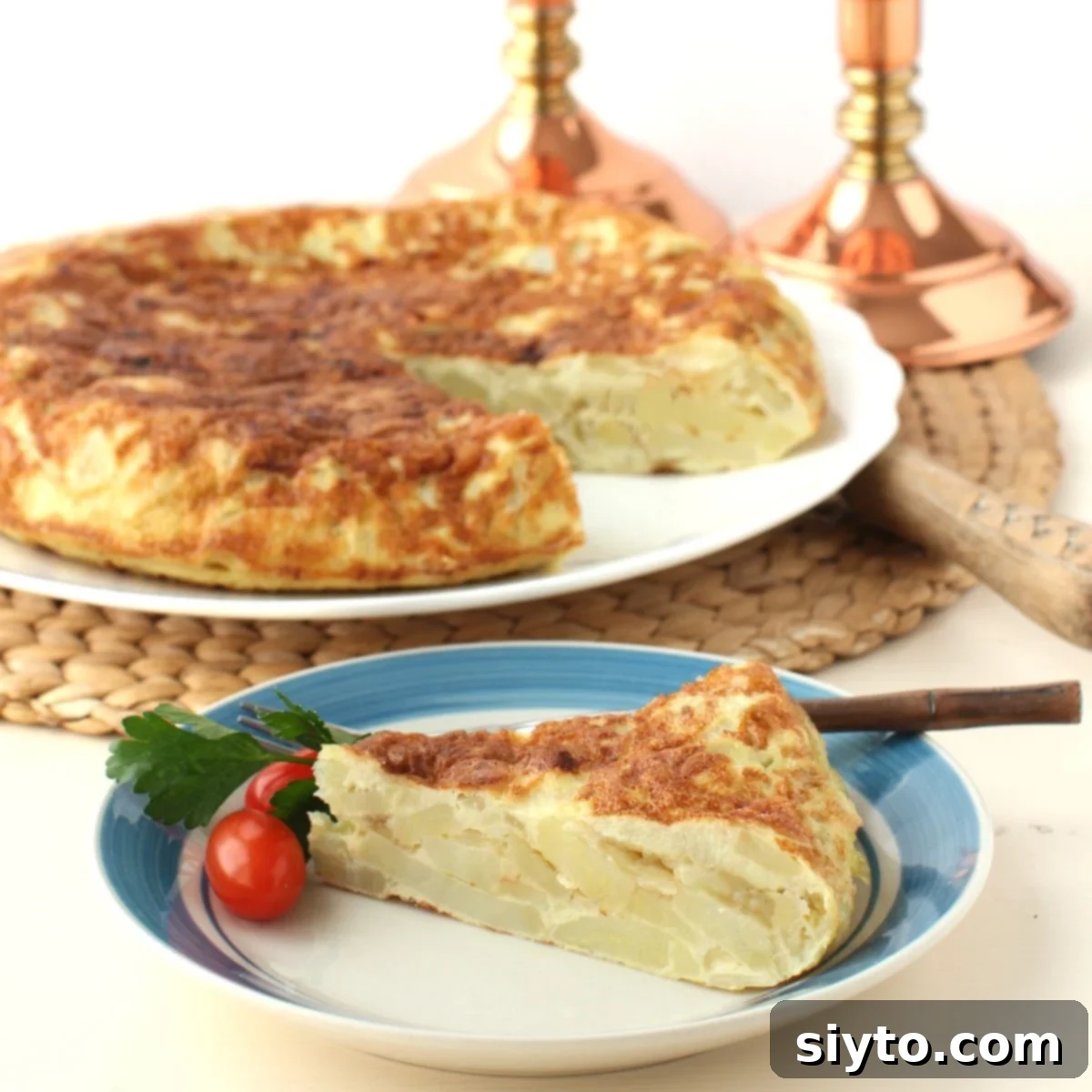
Authentic Spanish Potato Tortilla (Tortilla de Patatas) Recipe: The Ultimate Guide
Tortilla de Patatas, also affectionately known as Tortilla Española or simply Spanish Omelette, stands as one of Spain’s most cherished and iconic culinary creations. This dish is far more than just food; it’s a symbol of Spanish comfort, tradition, and ingenuity. With its humble yet robust combination of tender, slow-cooked potatoes, creamy eggs, savory onion, and rich extra virgin olive oil, it transforms simple ingredients into an extraordinary experience. Whether you’re seeking a hearty breakfast, a satisfying lunch, a light dinner, or a delightful tapa, this versatile masterpiece truly fits any occasion.
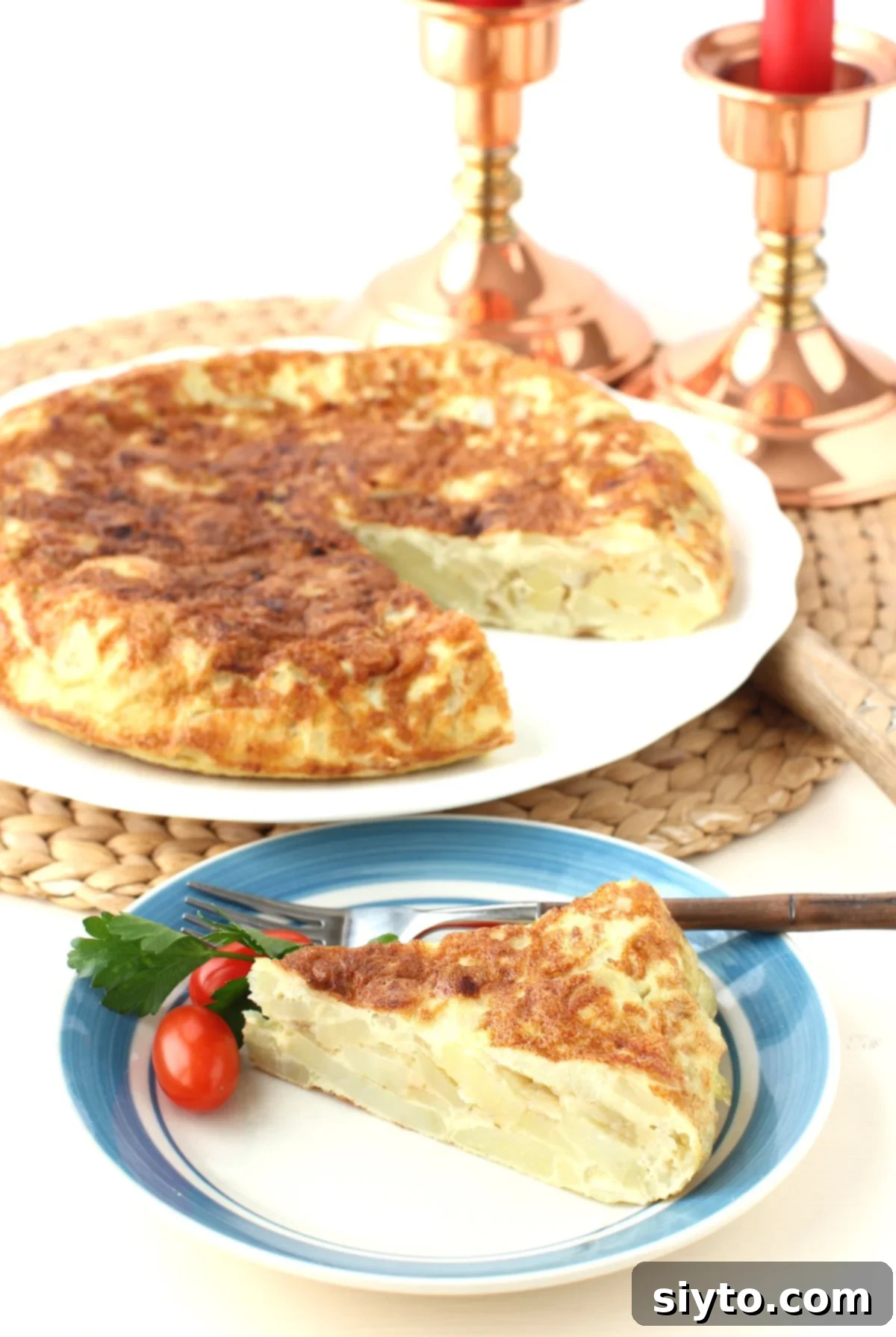
This month, our culinary journey for the Eat the World recipe challenge takes us to the sun-drenched landscapes of Spain, where we delve into the heart of their national cuisine. Alongside the famed paella, the Spanish tortilla holds a place of honor, gracing tables from bustling tapas bars to serene home kitchens. This rustic, pan-fried egg and potato frittata is remarkably ubiquitous, served with equal enthusiasm at any time of day across the country. It goes by many names—tortilla de patatas, tortilla española, Spanish omelette, or Spanish potato omelet—but its essence remains universally loved. It’s crucial to distinguish this Spanish staple from its Mexican namesake, which refers to a flatbread made from flour or corn, as they are entirely different culinary traditions.
One of the many charms of Spanish tortilla lies in its remarkable versatility when it comes to serving temperature. It’s equally delicious enjoyed warm straight from the pan, at room temperature, or even cold—making it an ideal candidate for picnics, packed lunches, or impromptu snacks. Beyond its delightful taste, the Spanish tortilla is naturally gluten-free, dairy-free, and vegetarian, catering to a wide range of dietary preferences. For a truly satisfying meal, try placing a thick slice between two pieces of crusty bread to create a hearty and authentic Spanish sandwich, known as a “bocadillo de tortilla.”
My own memories of a trip to Spain a few years ago are wonderfully intertwined with this simple yet profound dish. I recall savoring small, perfect squares of tortilla in vibrant tapas bars, each bite a burst of authentic flavor. For lunch, larger wedges provided a comforting and delicious meal in local restaurants. Our hotel breakfast buffet in Barcelona always featured a grand, whole tortilla de patatas, inviting guests to slice off as generous a portion as their hearts desired. It was a magnificent way to begin the day, and equally satisfying to end it with this wholesome and flavorful treat. These experiences cemented my appreciation for the tortilla’s comforting presence in Spanish daily life.
Only a Few Simple Ingredients Needed for Spanish Tortilla
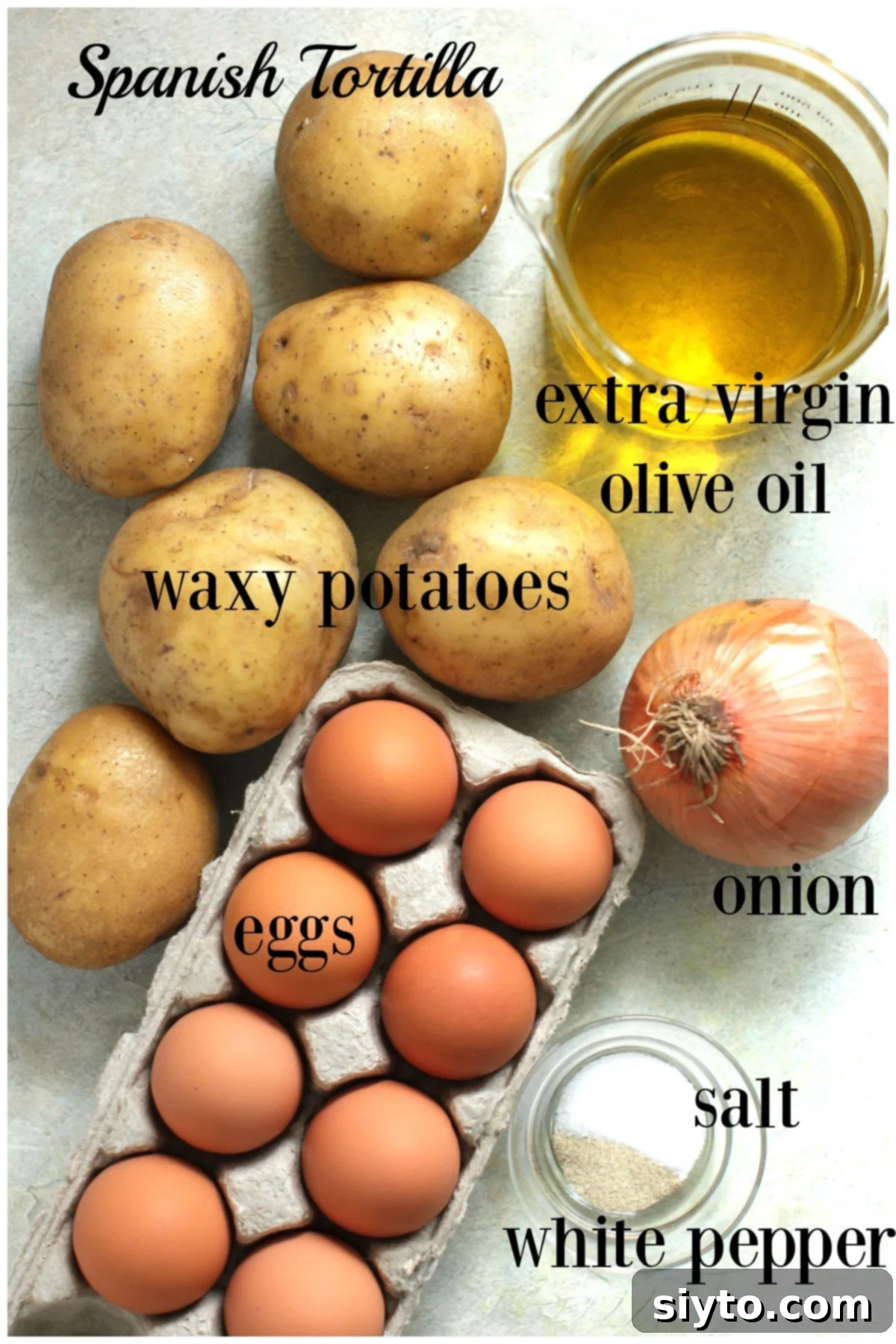
Crafting a superb Spanish tortilla doesn’t require a long list of exotic ingredients. In fact, its beauty lies in the simplicity and quality of just a few core components:
- Potatoes: The star of the show. For the best results, opt for firm-cooking, waxy potato varieties such as Yukon Gold, Red Bliss, or even new potatoes. These types contain less starch and are less likely to break down into a mash during the frying process, allowing them to retain their distinct shape and tender texture. Avoid starchy russets, as they tend to crumble more easily, resulting in a less defined texture.
- Eggs: Large, fresh eggs are essential for the creamy, binding element of the tortilla. They create the characteristic custard-like consistency that perfectly encases the potatoes and onions.
- Onion: While traditionally sometimes omitted by purists (known as “tortilla sin cebolla”), the addition of onion is highly recommended. It introduces a wonderful sweetness and depth of flavor that complements the potatoes beautifully. Any medium to large onion variety will work well, adding a subtle aromatic layer.
- Extra Virgin Olive Oil: This is arguably the second most crucial ingredient. Do not skimp on quality; a good, flavorful extra virgin olive oil is key. You will use a generous amount to gently “confit” or slow-fry the potatoes and onions until they are incredibly tender, rather than crisping them. Don’t worry about the quantity, as most of it will be drained off and can be reused, imparting even more flavor to subsequent dishes. (See the notes below for a lighter, non-traditional version that uses less oil.)
- Salt: Fine sea salt is perfect for seasoning both the potatoes during cooking and the eggs, enhancing all the flavors.
- White Pepper: This is an optional but lovely addition. White pepper offers a subtle floral pepper flavor without introducing the visual specks or the intense heat that black pepper might. For those who prefer a touch of warmth, a few dashes of Tabasco sauce can be added to the eggs instead.
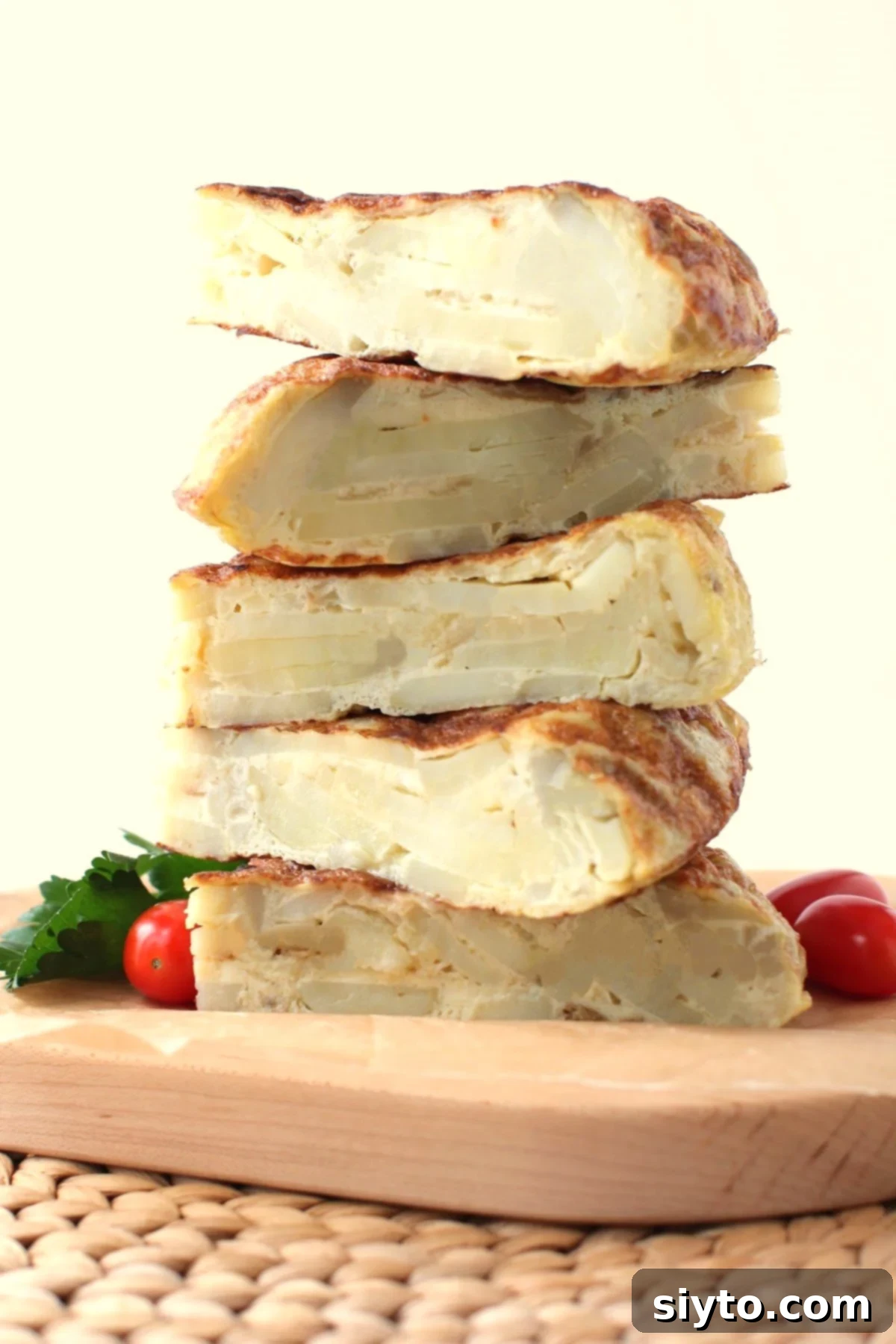
Exciting Variations for Your Spanish Tortilla
While the classic potato and onion tortilla is perfection on its own, this dish is incredibly adaptable, inviting you to experiment with various additions and cooking methods. Don’t be afraid to make it your own!
- Add Other Ingredients: Feel free to replace a portion of the potatoes with other complementary ingredients. These should be cooked in the olive oil along with the potatoes and onions until tender. Consider finely chopped sweet red or green bell peppers for a touch of color and sweetness, chopped broccoli florets or asparagus spears for added greens, sweet peas, sliced mushrooms, briny olives, or even a savory protein like sliced or crumbled chorizo (a spicy Spanish sausage), other Spanish sausages, or diced ham. These additions can transform the tortilla’s flavor profile and texture.
- Oven Finish: For those intimidated by the flip or seeking a slightly different texture, you can finish your tortilla in the oven. After cooking the first side on the stovetop until set, instead of flipping, transfer the entire oven-safe skillet to the oven. Place it under a preheated broiler (on the middle shelf) and broil for about 5 minutes, or until the top is beautifully golden brown and the egg is cooked through. This method creates a slightly firmer top crust.
- The Forgiving Nature of Tortilla: One of the most wonderful aspects of Tortilla de Patatas is how forgiving it is. Precision isn’t paramount; amounts don’t need to be exact. If you find yourself with an extra egg or a few more or fewer potatoes than the recipe calls for, don’t fret. The final outcome will still be delicious. The size of your pan will ultimately dictate the thickness, but the core flavors will remain delightful.
How to Make a Classic Tortilla de Patatas
Creating this Spanish classic is a rewarding process. Follow these steps to achieve a perfectly tender and flavorful potato tortilla:
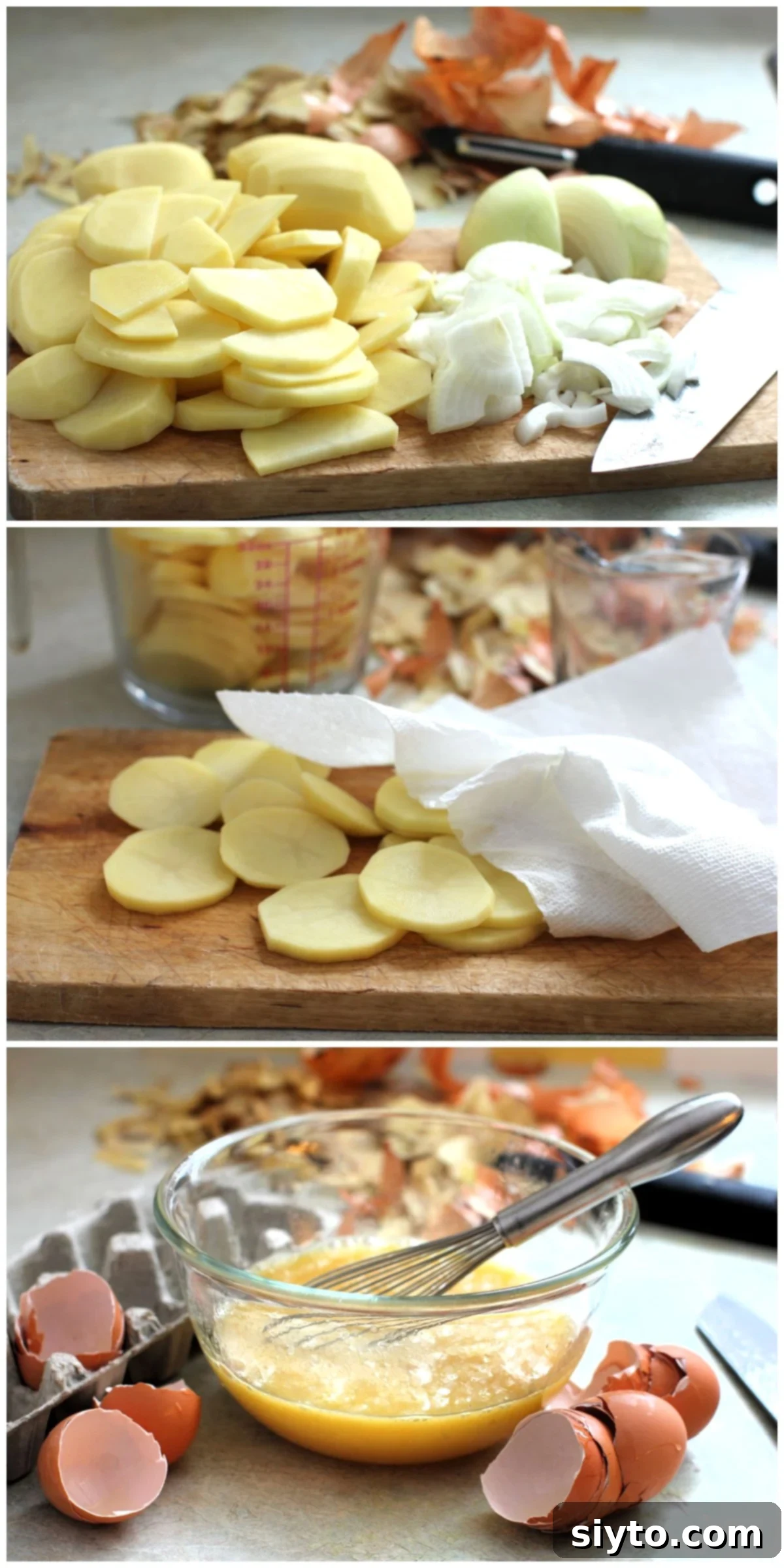
- First, prepare your vegetables. Peel the potatoes and slice them thinly, aiming for a thickness of just under ¼-inch (about ½ cm). Uniformity in slicing is key for even cooking. Quarter the onion and slice it into thin pieces, matching the potato thickness as closely as possible.
- Once sliced, take handfuls of the potato slices and pat them thoroughly dry with a paper towel or a clean kitchen towel. Removing as much surface moisture as possible is crucial; it helps prevent splattering when they hit the hot oil and promotes better texture.
- In a large bowl (one that will be spacious enough to later accommodate the cooked potatoes), whisk together the eggs with the fine sea salt and optional white pepper. Set this mixture aside. The salt helps the eggs develop a slightly ‘glassy’ texture, which contributes to their tenderness during cooking.
Now, let’s move on to the cooking process:
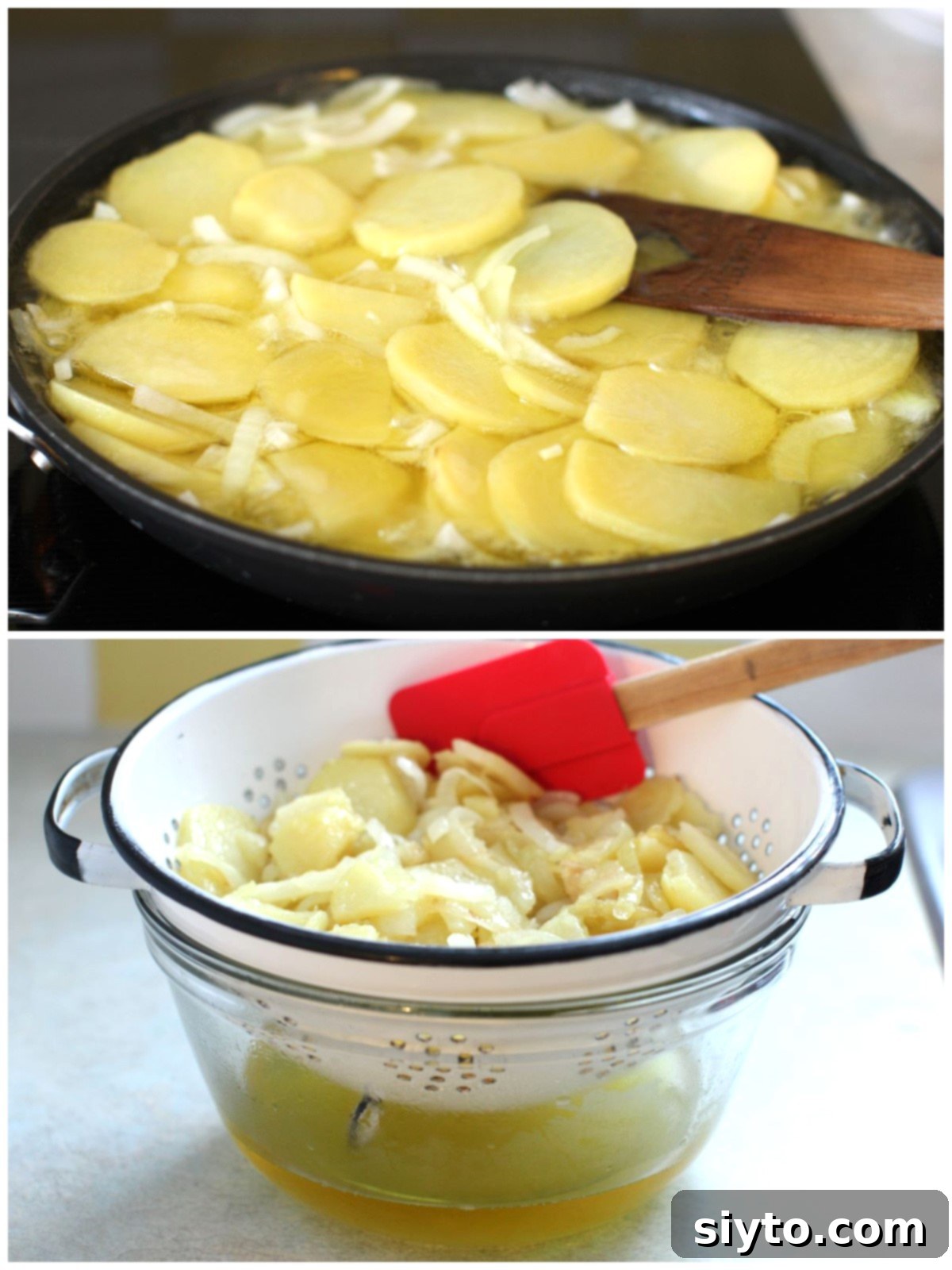
- Pour the extra virgin olive oil into a 10-inch (25 cm) non-stick skillet. Heat the oil over medium-high heat until it begins to shimmer, indicating it’s ready. Carefully add the sliced potatoes and onions, a handful at a time, to avoid splashes. Stir them gently to ensure they are fully coated with the oil.
- Reduce the heat to medium and cook the potatoes and onions in the oil for 15-20 minutes, or until they are perfectly fork-tender. The goal here is to gently poach or “confit” them, not to brown or crisp them. Keep the heat set so the oil bubbles steadily, and stir occasionally, lifting the bottom slices to the top to ensure even cooking without browning.
- Once the potatoes and onions are tender, set a metal colander or large sieve over a heatproof bowl. Carefully pour the hot potatoes and oil into the colander to drain. Allow them to drain and cool for about 5 minutes. Remember to save the flavorful olive oil; you’ll need a couple of tablespoons for frying the tortilla, and the rest can be reused multiple times for future tortillas or other dishes. Wipe the outside of the skillet clean, but do not wash the interior.
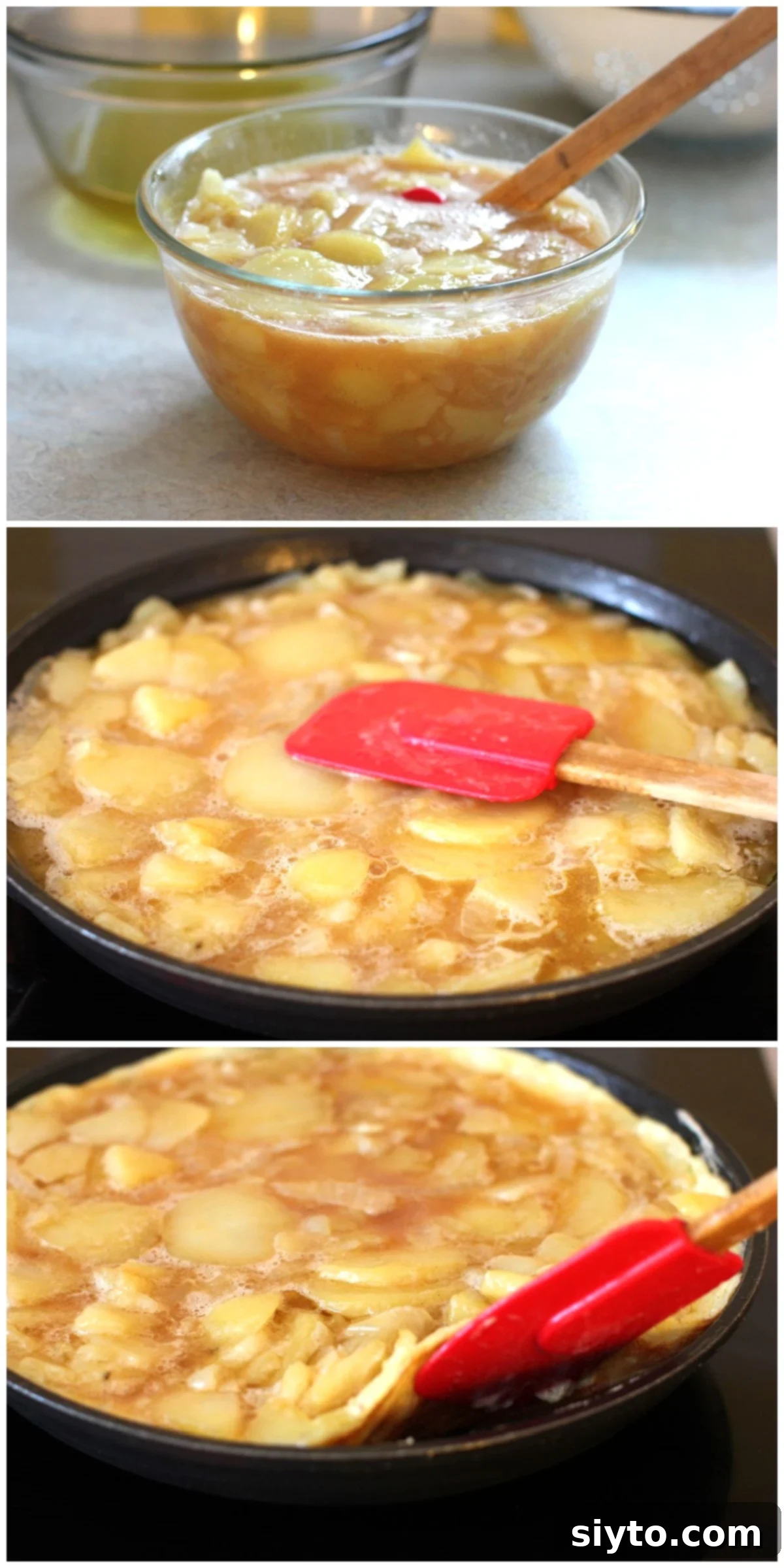
- Add the drained, tender potatoes and onions to the bowl with the beaten eggs. Stir the mixture gently to combine everything thoroughly without breaking up too many of the potato slices.
- Return the skillet to the stovetop over medium heat and add about 2 tablespoons of the reserved olive oil back into it. Pour the potato and egg mixture into the skillet. Gently pat the potatoes down with a spoon to ensure the top of the tortilla is even and compact. Cook, uncovered, for 6-8 minutes. During this time, the edges will begin to set, and the bottom should turn a beautiful golden-brown. You can carefully lift the edge of the tortilla with a spatula to peek and check for desired browning.
The Art of Flipping a Tortilla de Patatas
Flipping the tortilla can seem daunting, but with confidence and the right technique, it’s easily mastered. This step ensures both sides are beautifully cooked and golden.
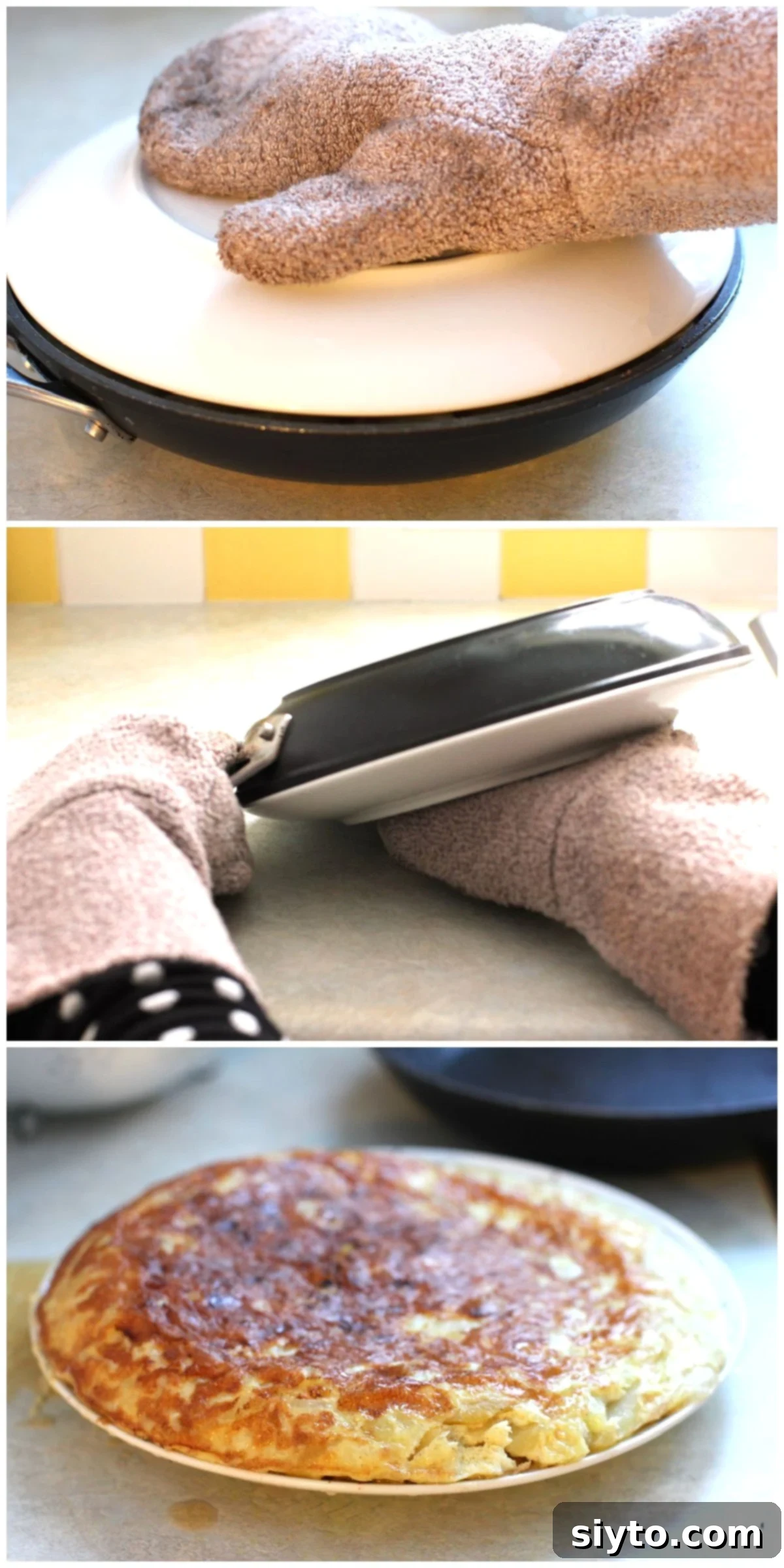
- Begin by inverting a large, flat dinner plate or a lid (one that is larger in diameter than your skillet) directly onto the skillet, covering the tortilla completely.
- Safety first: Always use oven mitts for this step, as both the skillet and plate will be hot. Position the skillet over your kitchen counter or sink to catch any potential drips of uncooked egg.
- Place one hand flat on top of the inverted plate, securing it firmly. With your other hand, grip the skillet handle tightly.
- With a swift, confident, and fluid motion, quickly flip the skillet and plate together, ensuring they remain tightly pressed. The tortilla will now be inverted onto the plate. Congratulations, you’ve mastered the flip! (It’s perfectly normal to have a few drops of uncooked egg spill off – don’t worry about it.)
- Alternatively, for your first attempt: If you’re nervous about flipping a large tortilla, consider making two smaller ones. Divide the egg and potato mixture in half and cook each portion in a smaller batch. This makes them significantly easier to flip and reduces cooking time on each side. The resulting tortillas will be thinner, which are excellent for sandwiches, and taste just as fantastic.
Finish Cooking Your Perfect Tortilla
With the tortilla successfully flipped, the final cooking stage focuses on achieving an evenly cooked interior and a beautifully rounded shape.
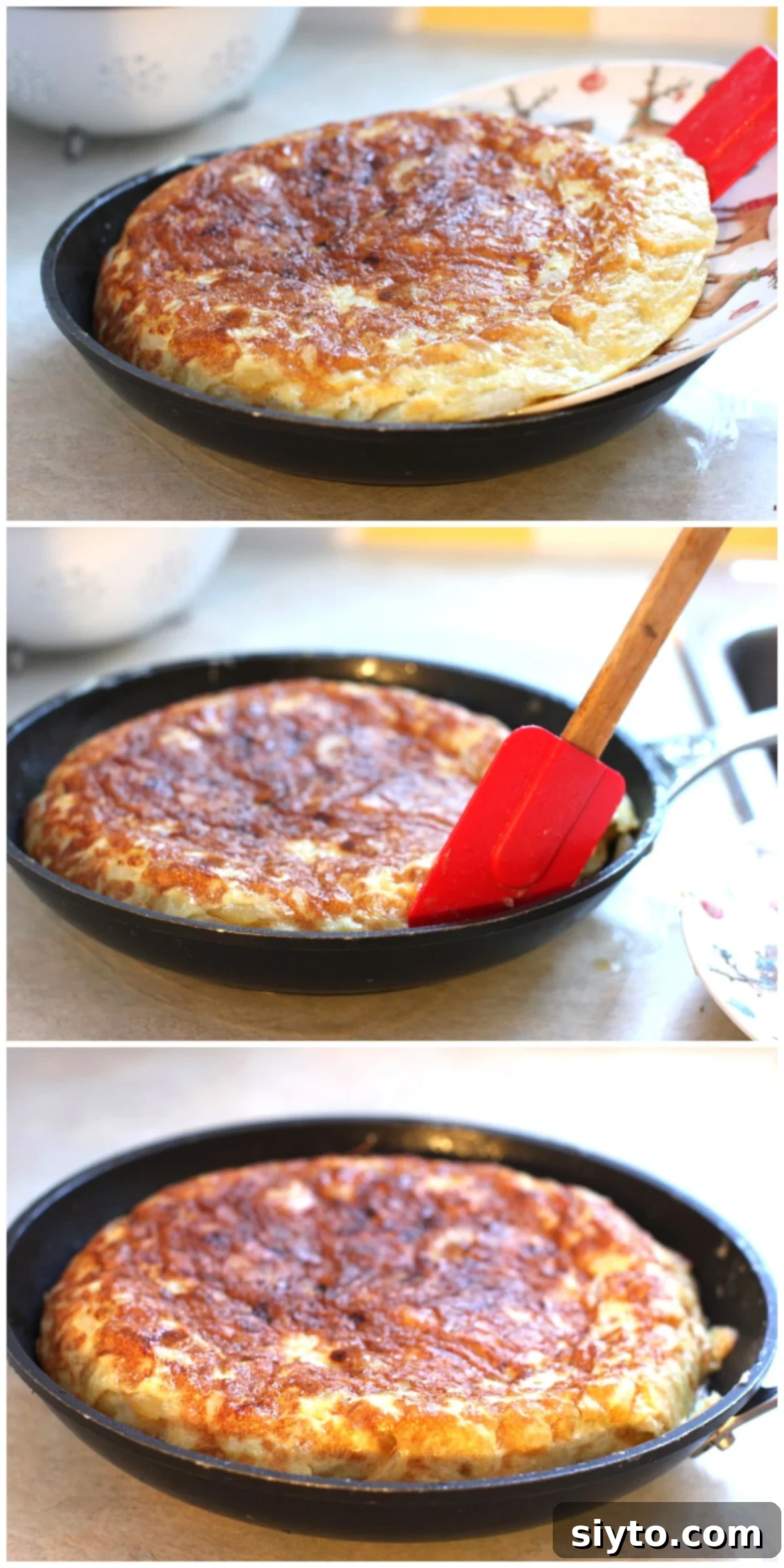
- Carefully slide the Tortilla Española off the plate and back into the skillet. The side that was previously cooked and is now golden brown should face upwards. Use a spatula to gently help slide along any potato slices that might have stuck to the plate, tucking them neatly back under the tortilla’s edges.
- Now, use your spatula to gently push down and tuck in the edges of the tortilla all the way around the skillet. This helps to form that characteristic neat, puck-like shape that is traditional for a Spanish tortilla.
- Lower the heat one notch from what you used for the first side – a medium-low setting is usually ideal. Cook the tortilla de patatas for another 6-8 minutes. During this time, the underside will develop a golden-brown crust, and the center should feel springy to the touch. For a definitive check, you can insert a toothpick into the center; if it comes out clean, your tortilla is perfectly cooked through.
Serving Your Delicious Tortilla Española
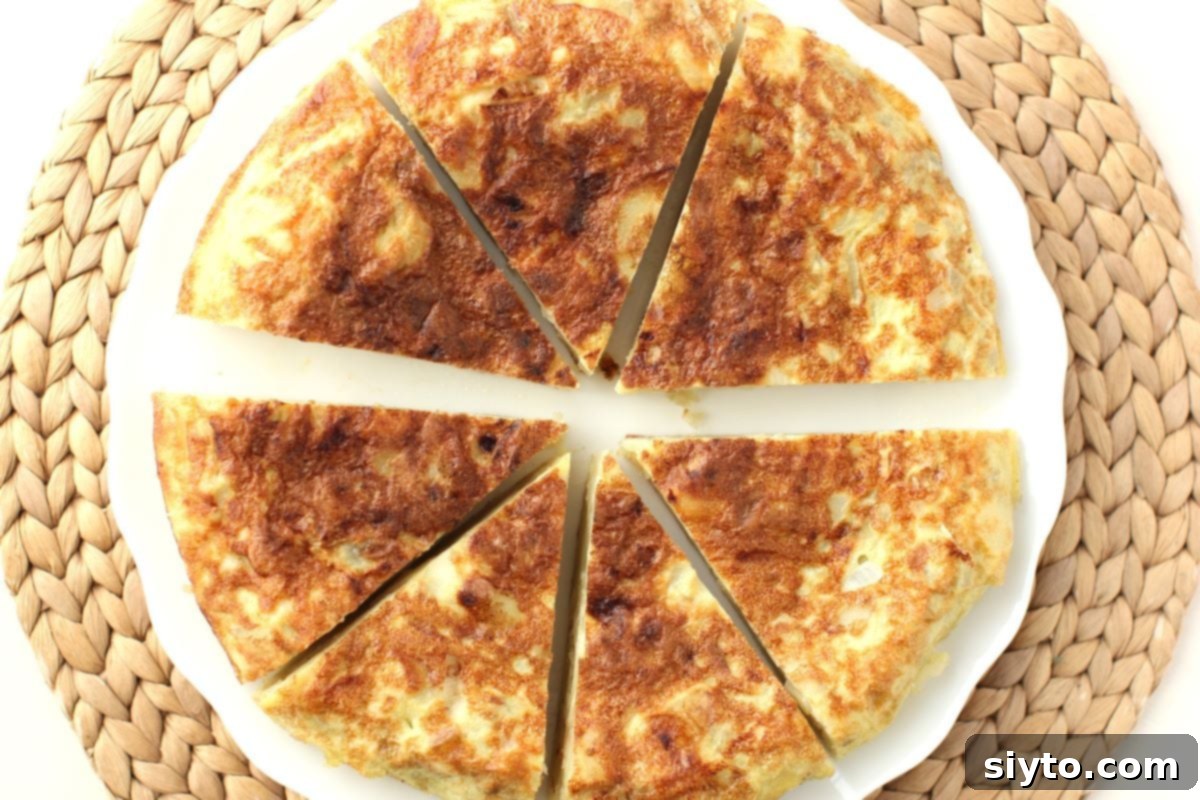
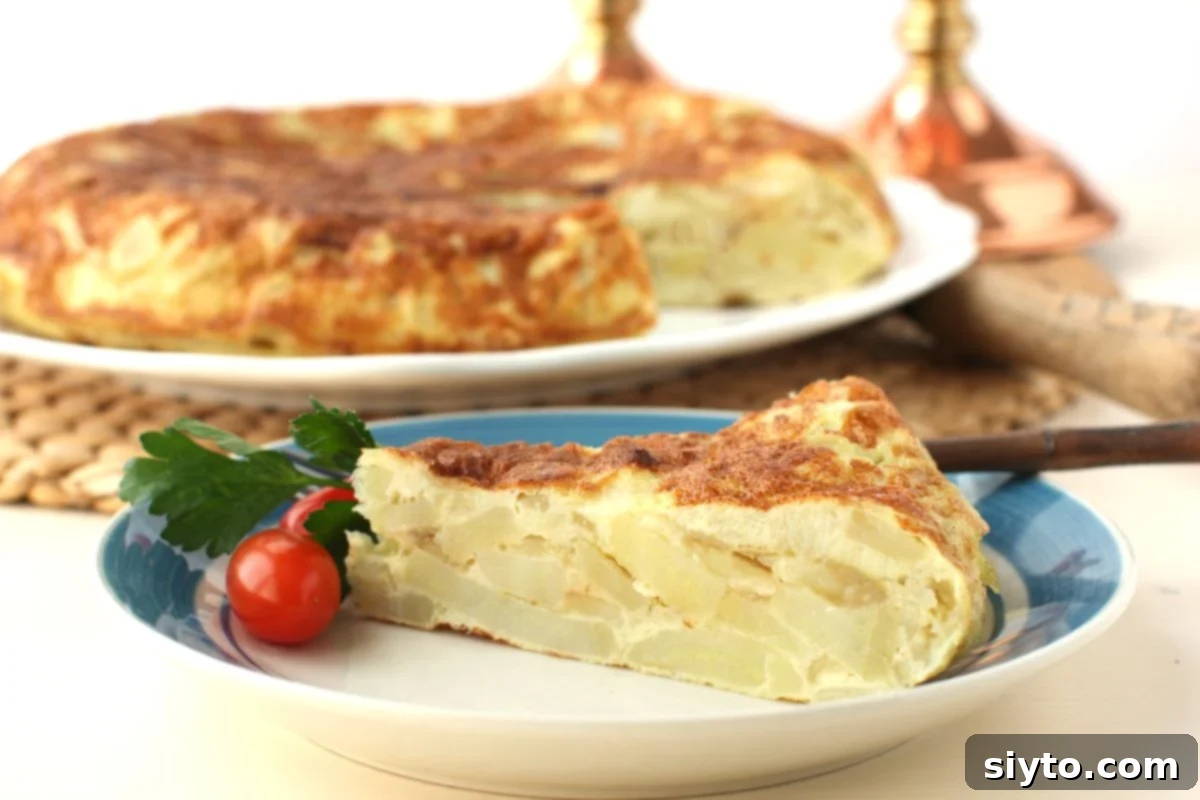
The beauty of Tortilla de Patatas lies in its adaptability. Serve it immediately while it’s still warm, enjoying the delicate warmth of the eggs and potatoes. It pairs wonderfully with a fresh green salad dressed with a light vinaigrette, some briny olives, and a side of crusty bread to soak up any lingering olive oil flavors. Alternatively, and perhaps most authentically, serve it at room temperature, which is how it’s most commonly enjoyed throughout Spain. It can even be eaten chilled, making it a fantastic option for meal prep or gatherings.
This versatile dish keeps well in the refrigerator, covered tightly with food wrap, for up to 5 days. Its portability makes Tortilla Española an excellent choice for picnics, potlucks, or packing into lunches for a taste of Spain on the go. For appetizers or tapas, simply cut it into smaller wedges or squares and serve alongside a refreshing drink. For a heartier meal, create a delicious sandwich by placing thick slices of tortilla between bread or in a bun, optionally adding fresh lettuce leaves or ripe tomato slices for extra crunch and freshness. No matter how you choose to serve it, the Spanish potato tortilla is sure to be a delightful and satisfying experience.
Be sure to explore all the wonderful Spanish dishes prepared by fellow Eat the World members and share your culinary adventures with #eattheworld. Discover how to join Eat the World here and embark on a fun journey of exploring a new country’s cuisine each month with us!
Here’s what other members of the Eat the World challenge cooked up from Spain:
- A Day in the Life on the Farm: Orange Salad with Spanish Pork
- Culinary Cam: Arroz con Langostinos y Carabineros
- Sneha’s Recipe: Churro Pancakes
- Pandemonium Noshery: Romesco con Esparragos – Asparagus with Red Pepper Sauce
- Kitchen Frau: Spanish Potato Tortilla (Tortilla de Patatas)
- Palatable Pastime: Spanish Stuffed Eggs with Shrimp
Want to receive new Kitchen Frau recipes directly to your email as soon as they’re posted? Sign up here and you’ll get bits of news updates on what’s happening in my kitchen and garden, plus a handy and useful kitchen tip along with each recipe, too. (No spam ever.)
If you like my recipes, follow me on Instagram, Pinterest, X, and Facebook. You’d make my day. 😊
¡Buen provecho!
Spanish Potato Tortilla (Tortilla de Patatas)
Margaret Bose Johnson
Save to Pinterest
Equipment
- 1 10-inch (25cm) skillet, non-stick or well-seasoned cast iron
Ingredients
- 2 lbs (900 grams or 5-6 medium) waxy potatoes (like Yukon Gold), about 5 cups of peeled, sliced potatoes
- 1 large onion
- 8 large eggs
- 1¼ teaspoons fine sea salt
- ½ teaspoon white pepper, optional
- 1½ cups (360 ml) extra-virgin olive oil
Instructions
- Peel the potatoes and slice them thinly, just under ¼-inch thick (about ½ cm). Dab handfuls of the sliced potatoes dry with a paper towel or clean kitchen towel, removing as much moisture as you can.
- Peel the onion, cut it into quarters, and slice them as thin as the potatoes.
- Pour the olive oil into a 10-inch (25 cm) non-stick skillet. Heat the oil over medium-high heat until it shimmers.
- While the oil is heating, beat the eggs in a large bowl (big enough to add the cooked potatoes later) with the salt and white pepper. The salt will make the eggs get a little ‘glassy’ and dark-coloured as they sit – that helps them stay more tender when cooking.
- When the oil is hot, carefully add the sliced potatoes and onions, a handful at a time so they don’t splash. Stir them gently to coat them with the oil.
- Cook the potatoes in the oil for 15-18 minutes, until they are just fork tender. Adjust the temperature to keep the oil bubbling gently and steadily. Stir them occasionally, lifting the bottom slices to the top, so they cook but don’t brown.
- Set a metal colander or large sieve into a bowl, then carefully pour in the hot potatoes and oil to drain. Let them drain and cool for 5 minutes. Wipe the outside of the skillet clean, but do not wash it.
- Pour the drained potatoes and onions into the beaten eggs, stirring gently to combine everything without breaking up too many of the potatoes.
- Put the skillet back onto the stovetop on medium heat and add 2 tablespoons of the oil back into it. Pour the potato-egg mixture into the skillet and pat the potatoes down with a spoon so the top of the tortilla is even. Cook, uncovered, on medium heat for 6 to 8 minutes, until the edges are set and the bottom is golden-brown when you carefully lift up one edge a bit.
- Invert a large, flat dinner plate or a lid onto the top of the skillet. Using an oven mitt, place one hand flat on top of the plate, then quickly and confidently flip the skillet and plate together so the plate is on the bottom and the tortilla has flipped onto the plate. (Do this over the sink or countertop to prevent drips onto the stovetop.)
- Replace the skillet onto the stovetop. Add another tablespoon of the reserved oil, and carefully slide the tortilla off the plate and back into the skillet (cooked-side-up), using a spatula to help push along any potatoes that stick to the plate. Using the spatula, push the edges of the tortilla in and under, all the way around the outside of the skillet to help it form a neat puck shape.
- Lower the heat a notch, and cook the second side of the tortilla for another 6 to 8 minutes, until the bottom is golden-brown when you lift the edge carefully, and the center feels almost firm to the touch. Leave it in the pan for 5 minutes to cool, then slide it onto a serving plate (or invert it so the nicest side is on the top).
- Cut into 6 to 8 wedges. Serve the potato tortilla warm, at room temperature, or chilled.
Notes
If you prefer a hint of spice, you can use Tabasco sauce instead of white pepper, or simply omit the pepper entirely if you prefer a milder flavor.
To ensure an easier flip and a manageable size, we recommend using a 9 or 10-inch non-stick skillet. If you opt for a 9-inch skillet, reduce the potatoes slightly to 1½ lbs to maintain the ideal thickness. Larger skillets will require an even larger platter or lid for flipping, which can be more challenging.
Get creative with your tortilla by incorporating other ingredients! Cook your chosen additions—such as chopped sweet red or green bell peppers, chopped broccoli or asparagus, peas, sliced mushrooms, olives, sliced or crumbled chorizo or other Spanish sausage, or chopped ham—in the olive oil alongside the potatoes and onions until tender. This adds fantastic variety and flavor.
Don’t discard the flavorful olive oil after draining the potatoes! This oil, infused with the essence of potato and onion, can be reused 3 or 4 times for making more tortillas or for other cooking and frying needs. Simply strain the cooled oil through a fine-meshed sieve into a clean jar and store it in the refrigerator. It will keep for up to a month. Olive oil will solidify when chilled, but it will re-liquify when gently heated, making it easy to scoop out and use.
For a lighter, non-traditional version of tortilla, you can use only ¼ cup (60ml) of olive oil to cook the potatoes. In this method, cover the skillet with a lid and stir the potatoes often to ensure even cooking without browning. You won’t need to drain the oil. While the potatoes may break up a bit more, the resulting tortilla will still be incredibly tasty and a bit less indulgent.
Check out my past ‘Eat the World’ Recipe Challenge posts:
(in alphabetical order)
- Argentina: Red Chimichurri Sauce
- Australia: Anzac Biscuits (Crispy Oatmeal Cookies)
- Bangladesh: Chingri Masala (Shrimp Curry)
- Bermuda: Fish Chowder
- Bulgaria: Patatnik (Savoury Potato and Cheese Pie)
- Cambodia: Noum Kong (Cambodian Rice Flour Doughnuts)
- China: Kung Pao Chicken
- Colombia: Pan de Yuca (Warm Cheese Buns)
- Dominican Republic: Empanaditas de Yuca (Cassava Empanadas)
- Ecuador: Pescado Encocado (Fish in Coconut Sauce)
- Egypt: Fava Beans and Feta
- England: Gluten Free Fish and Chips and Mushy Peas
- Ethiopia: Four Ethiopian Recipes for a Fantastic Feast
- Fiji: Spiced Sweet Potato and Banana Salad
- Finland: Lohikeitto (Creamy Salmon, Potato, and Dill Soup)
- France: Axoa d’Espelette (A Simple Stew from the Basque Country)
- Georgia: Charkhlis Chogi (Beets with Sour Cherry Sauce)
- Greece: Moussaka
- Guyana: Fried Tilapia in Oil & Vinegar Sauce (fish dish)
- Hungary: Túrós Csusza (Pasta Scraps with Cottage Cheese)
- India: Kerala Upma (Fluffy, Kerala Style Breakfast Upma Recipe)
- Iraq: Tepsi Baytinijan (Eggplant & Meatball Casserole)
- Ireland: Dublin Coddle (A tasty Sausage and Potato Stew)
- Israel: Cucumber, Feta, and Watermelon Salad
- Jamaica: Rice and Peas (Coconut Rice and Red Beans)
- Japan: Chawanmushi (Steamed Savoury Egg Custard)
- Kenya:Maharagwe with Ugali (Red Beans with Cornmeal Slice)
- Laos: Ping Gai (Lao Grilled Chicken Wings)
- Lesotho: Chakalaka & Pap (Veggie & Bean Stew with Cornmeal Polenta)
- Libya: Kufta bil Batinjal (Eggplant & Meat Rolls in Tomato Sauce)
- Luxembourg: Stäerzelen (Buckwheat Dumplings)
- Malta: Ross il Forn (Baked Tomato Rice)
- Mexico: Cochinita Pibil Tacos (Pit Barbecued Pig to Make in Your Oven)
- Morocco: Moroccan Shredded Carrot Salad with Oranges
- Netherlands: Boerenkool Stamppot (Kale-Potato Mash with Sausages & Pears)
- New Zealand: Classic Pavlova
- Poland: Polish Honey Cake
- Portugal: Tuna and Sardine Pâtés
- Puerto Rico: Piña Colada Cocktail
- Scotland: Cranachan (Raspberry, Whisky & Oat Cream Parfaits)
- Senegal: Mafé (Beef and Peanut Stew)
- Slovakia: Bryndzové Halušky (Potato Dumplings with Cheese & Bacon)
- Sudan: Peanut Butter Creamed Spinach & Peanut Meringue Cookies
- Sweden: Swedish Meatballs with Cream Gravy
- Switzerland (Christmas): Basler Leckerli Cookies
- Thailand: Shrimp Laksa (Khung)
- Trinidad & Tobago: Peanut Butter Prunes
- Turkey: Çilbir (Scrambled Eggs with Garlic Yogurt)
- Ukraine: Buckwheat Kasha with Beef
- United States (Soul Food): Smothered Pork Chops
- Uruguay: Torta de Fiambre (Baked Ham & Cheese Sandwiches)
- Vietnam: Caramelized Pork Rice Bowls
- Wales: Welsh Cakes (Skillet Cookies with Nutmeg & Currants)