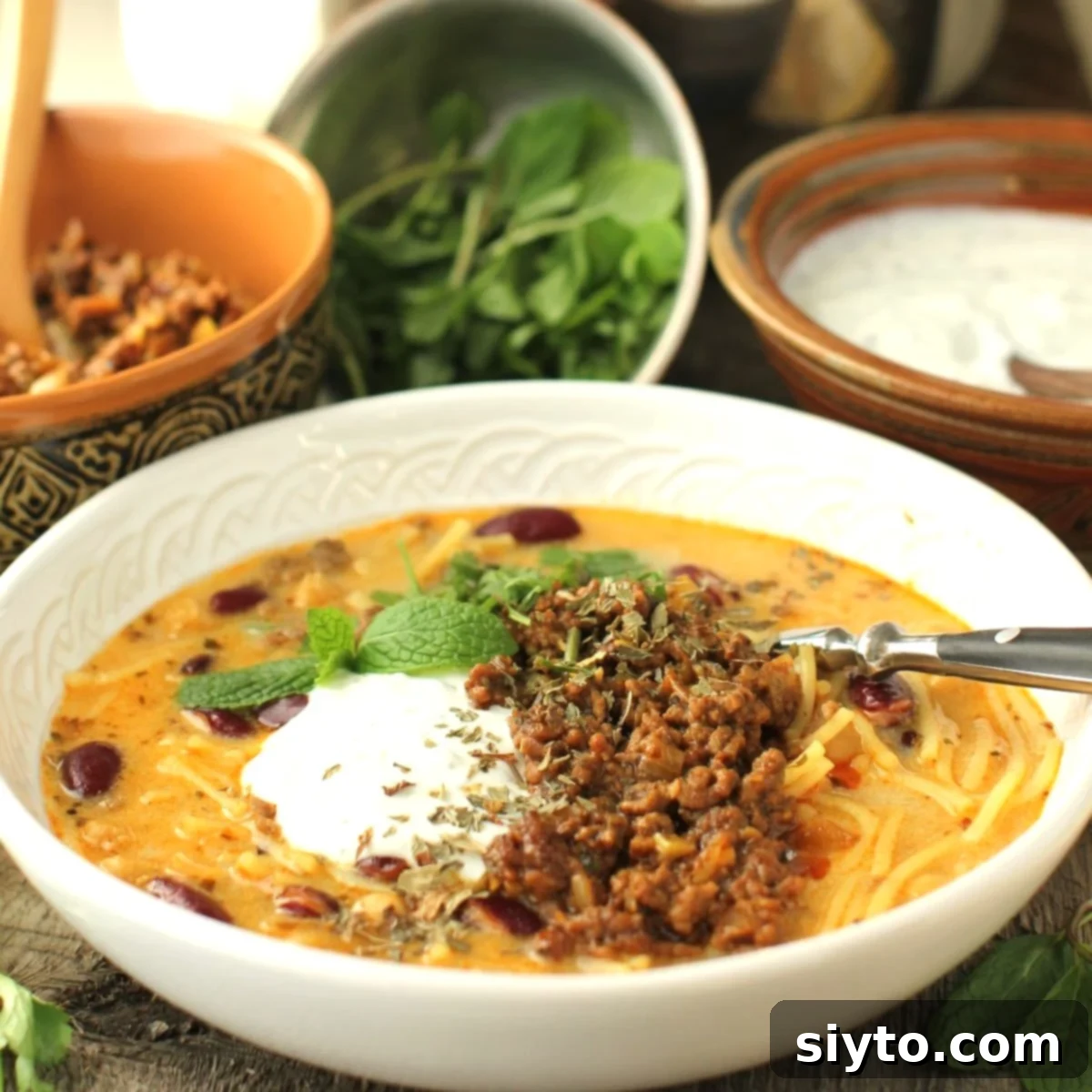
Aush: The Soul-Warming Afghan Noodle Soup – A Culinary Journey to Comfort
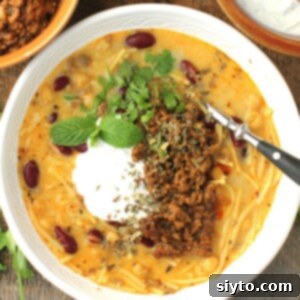
There are dishes that simply wrap you in warmth and comfort, and Aush, the exquisite Afghan noodle soup, is undoubtedly one of them. This culinary masterpiece strikes an impeccable balance between tantalizing flavors and deeply satisfying textures. Imagine tender noodles, hearty beans, and succulent morsels of spiced meat, all harmoniously blended in a lightly creamy broth that delivers both a delightful tang and a rich savory depth. Aush elevates the humble noodle soup to an extraordinary dining experience, a true embodiment of “comfort in a bowl.”
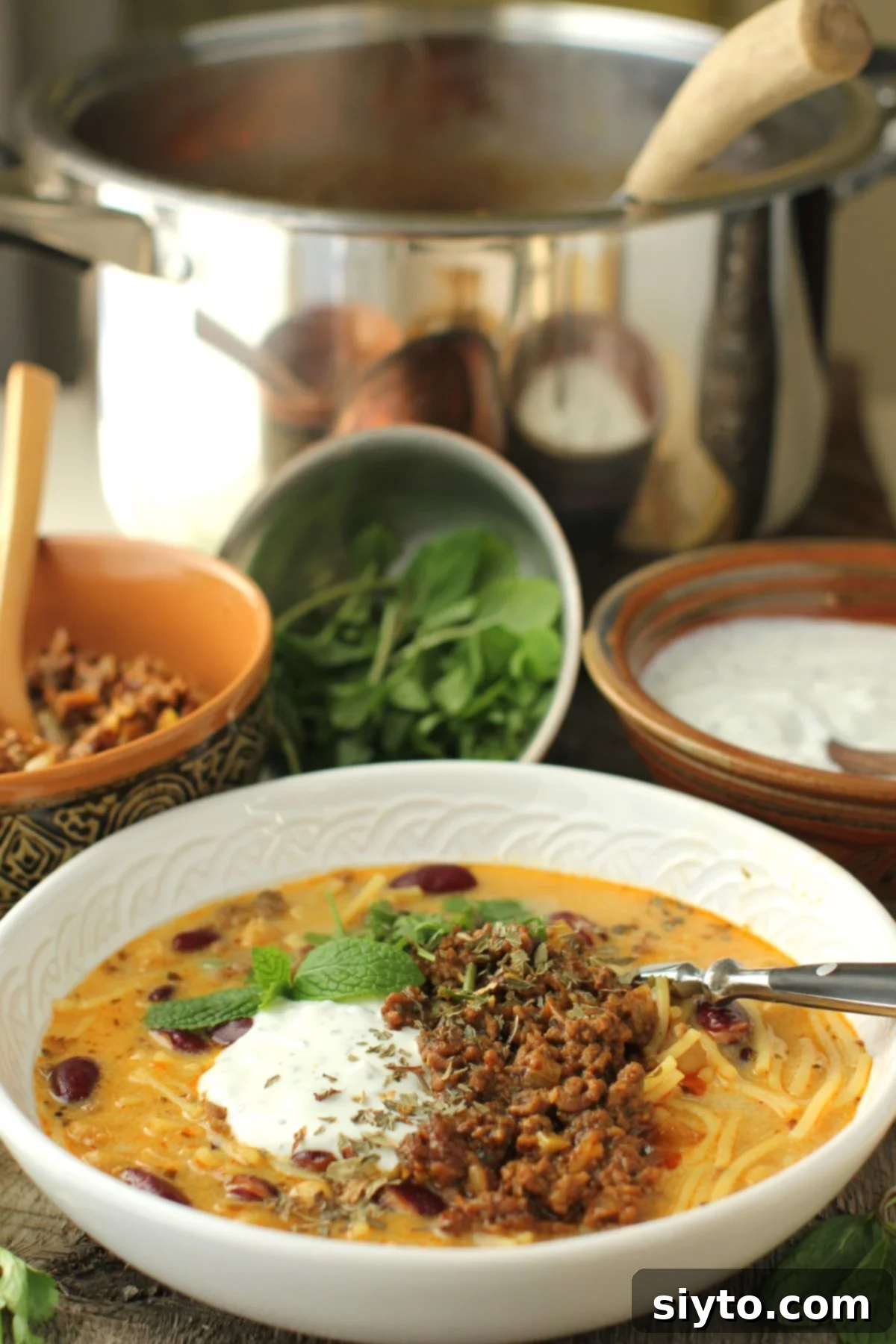
This month, our culinary explorations for the Eat the World recipe challenge transport us to Afghanistan, officially known as the Islamic Emirate of Afghanistan. It’s a country renowned for a cuisine steeped in fragrant aromatic spices and robust, hearty dishes. Despite its rugged, arid, and mountainous terrain at the heart of Asia, Afghanistan is blessed with an abundance of incredible fruits like pomegranates, grapes, and melons. Its fertile valleys also yield staple crops such as wheat, corn, barley, and rice. The Afghan diet is further enriched by plentiful dairy products, including fresh milk, tangy yogurt, and nourishing whey, all of which play a vital role in its traditional cooking.
What is Aush? Exploring Afghanistan’s Beloved Noodle Soup
While Kabuli Pulau, a beautifully spiced rice dish with lamb and carrots, holds the prestigious title of Afghanistan’s national dish, Aush comes in as a very close second, beloved by many across the nation. Pronounced to rhyme with “gosh” (as in, “Gosh, this tastes fantastic!”), Aush is a deeply flavorful noodle and bean soup, often enriched with spiced ground beef or lamb stirred right into the pot. The beauty of Aush lies in its regional diversity; variations abound throughout Afghanistan, with each cook adding their unique touch, adapting the recipe to local preferences and the ingredients available in their specific area.
At its core, Aush typically features a savory broth brimming with noodles and various beans. What truly sets it apart is the optional, yet highly recommended, addition of spiced ground meat and a swirl of tangy yogurt, either mixed directly into the soup or served on the side for diners to customize their bowls. A wide array of spices and aromatics can be incorporated, but dried mint stands out as the signature flavor. Its distinctive herbaceous, slightly cooling, and complex aroma is what gives this delicious soup its addictive quality and unmistakable character. For many, including us, Aush quickly becomes a top favorite. It offers a unique comfort that only noodle soups can provide, yet it transcends the ordinary with its incredible blend of flavors and the satisfying textures of soft noodles, creamy beans, and flavorful bits of spicy ground meat.
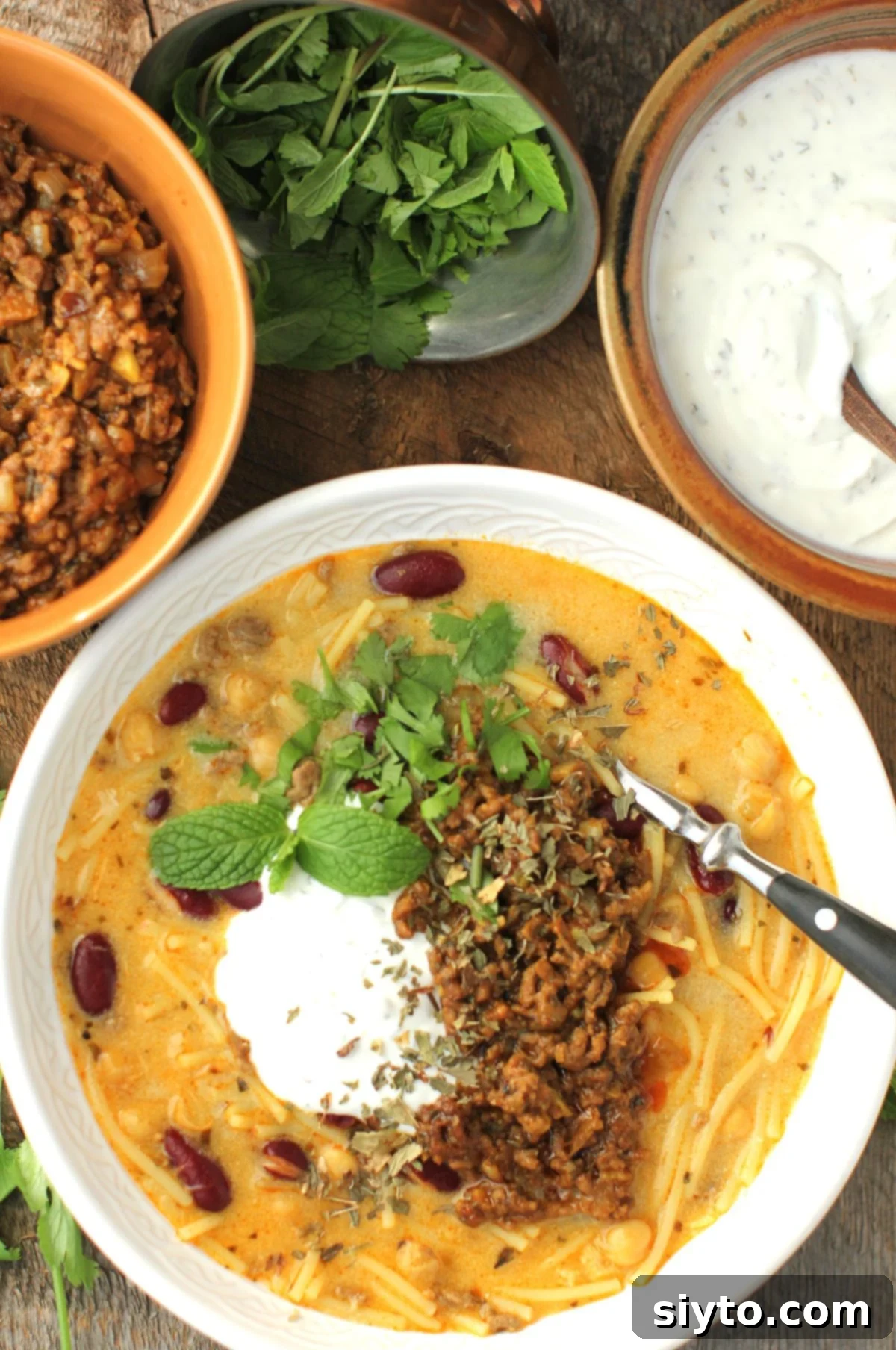
The soup is already richly flavored with the foundational trio of garlic, onions, and various spices. However, it’s the final flourish of a bright, tangy yogurt sauce that elevates Aush into the realm of truly heavenly cuisine. Its simplicity is as appealing as its taste. A clever trick is that the starchy water from cooking the noodles forms the basis of the soup’s broth, thickening it naturally and infusing it with flavor. The spiced meat and yogurt can be stirred directly into the main pot, but reserving some of each for individual servings at the table allows for an extra burst of flavor and a beautiful presentation. Aush is not just delicious; it’s also a joyous and interactive meal to prepare and enjoy.
Essential Ingredients for Your Authentic Aush Experience
The ingredient list for a pot of Aush might initially seem extensive, but don’t be daunted! Much of it is composed of a delightful medley of spices that are crucial for building the soup’s complex flavor profile. While some variations of Aush might omit spices like cumin or paprika, rest assured, your soup will still be wonderfully flavorful even if you don’t have every single one. However, one ingredient that truly defines Aush and should not be skipped is dried mint. Its unique, fragrant notes are what give Aush its unmistakable taste, setting it apart from other noodle soups. If it’s summer and you have fresh mint thriving in your garden, feel free to use it – just remember to use approximately three times the amount of fresh herbs compared to dried for equivalent flavor intensity.
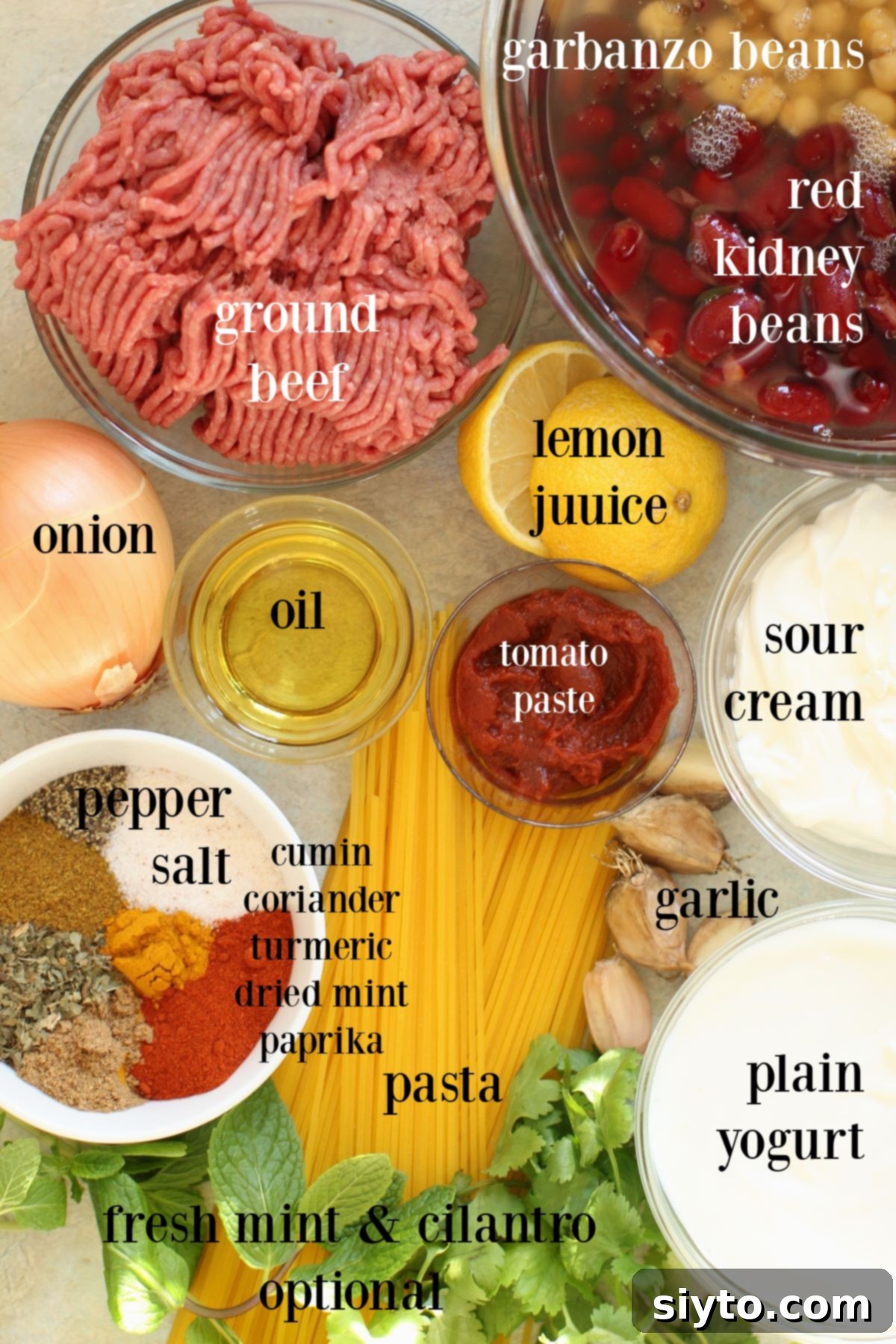
Here’s a detailed breakdown of what you’ll need to create this amazing Afghan dish:
- Ground Meat: Traditionally, ground beef or lamb is used, offering rich flavor and texture. For lighter alternatives, feel free to substitute with ground turkey or chicken.
- Beans: A combination of canned garbanzo beans (chickpeas) and kidney beans adds heartiness and protein. Crucially, save the liquid from the cans – it’s an integral part of the soup’s flavorful broth. Alternatively, you can use home-cooked beans, adding extra water to compensate for the drained liquid.
- Oil: A good quality cooking oil for sautéing.
- Onion: Any size or color of onion will work, providing a sweet and pungent base for the meat sauce.
- Garlic: Minced, pressed, or finely grated on a microplane, garlic is essential for its pungent aroma and depth of flavor in both the meat and yogurt sauces.
- Tomato Paste: This concentrated paste adds a rich, umami depth and a beautiful reddish hue to the meat sauce. Any leftover paste can be frozen in tablespoon portions for future use.
- Salt and Pepper: Fundamental seasonings to enhance and balance all the flavors.
- Spices: Ground cumin, coriander, paprika, and turmeric contribute to the aromatic warmth and complexity. While all are recommended, the soup will still be delicious if you need to omit one.
- Dried Mint: This is the star ingredient! It provides the unique, characteristic flavor of Aush. If dried mint is unavailable, peppermint tea leaves or the contents of peppermint tea bags can serve as a decent substitute. For fresh mint, use three times the quantity.
- Pasta: Traditional Aush noodles are long, thin wheat noodles, usually broken into shorter pieces for easier eating. Spaghetti works perfectly as a substitute, but don’t hesitate to use any dry pasta shapes you have on hand, such as macaroni or even small shells. Gluten-free pasta can also be used.
- Sour Cream: Adds a creamy tang to the yogurt sauce, balancing the savory notes of the soup.
- Plain Yogurt: Essential for the creamy, tangy topping. If using Greek yogurt, thin it out with a little milk or water to achieve a pourable consistency.
- Lemon Juice: Fresh or bottled, lemon juice brightens the yogurt sauce and adds a crucial acidic zing.
- Fresh Herbs (Optional): A sprinkling of fresh cilantro or mint can be used for garnish, though the soup is perfectly delicious with just the dried mint.
Crafting Your Bowl of Aush: A Simple Guide to Afghan Noodle Soup
Embarking on the creation of Aush is a delightful culinary adventure, broken down into a few manageable steps. Before you begin, if you’re using canned beans, remember to drain them into a bowl, carefully reserving the liquid – this will be incorporated into your soup base, adding another layer of flavor.
Step 1: Prepare the Rich Meat Sauce
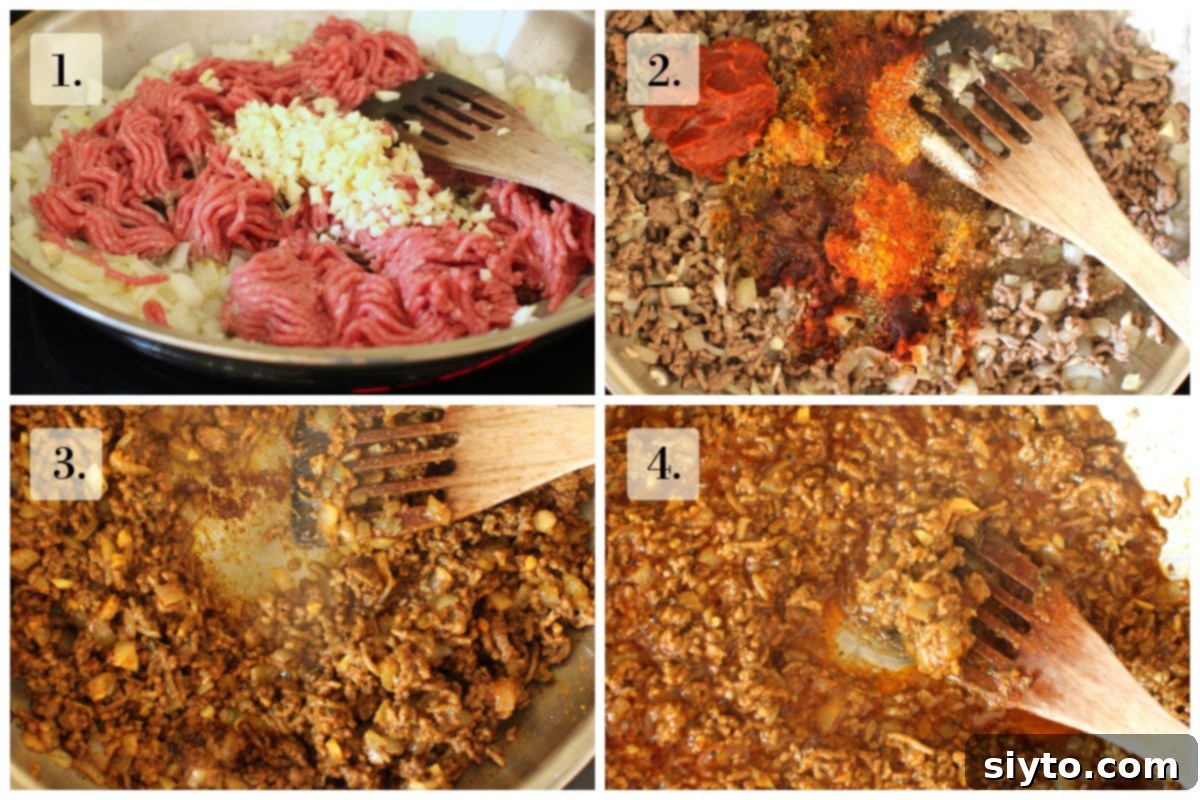
First, we’ll build the robust foundation of the meat sauce. Heat the oil in a skillet over medium heat, then add your finely chopped onion. Sauté it gently for about five minutes until it becomes tender and translucent, releasing its natural sweetness. Next, introduce the ground meat (beef, lamb, turkey, or chicken) and the minced garlic to the skillet. Continue cooking, breaking up the meat with a spoon, until it is thoroughly browned and any excess liquid has evaporated. This browning is key for developing deep, savory flavors.
Now, stir in the tomato paste and all the fragrant spices: ground coriander, cumin, paprika, turmeric, dried mint, salt, and pepper. Cook this mixture for 3 to 4 minutes, stirring frequently. You’ll notice the tomato paste caramelizing and lightly sticking to the bottom of the pan – this is exactly what you want, as it intensifies the flavor. Deglaze the pan by adding about 1 cup of the reserved bean liquid (or water if you used cooked beans or need more liquid). Bring it to a gentle simmer and let it cook for 10 to 15 minutes. The goal is for most of the liquid to evaporate, leaving you with a thick, richly flavored, somewhat soupy sauce. Once achieved, reduce the burner to low, cover the skillet, and keep the meat sauce warm while you move on to the next component.
Step 2: Craft the Tangy Yogurt Sauce
While your meat sauce simmers, prepare the refreshing and tangy yogurt sauce that provides a perfect counterpoint to the rich soup. In a separate bowl, combine the plain yogurt, sour cream, a generous tablespoon of dried mint, fresh lemon juice, grated or pressed garlic, and a pinch of salt. Stir all these ingredients together until well combined and smooth. Set this sauce aside to allow the flavors to meld and develop – this simple step is crucial for its vibrant taste.
Step 3: Assemble the Noodle Soup Base
Now, it’s time to bring it all together for the main soup. In a large soup pot, combine 10 cups of water with any remaining bean liquid from earlier, and add 2 teaspoons of fine sea salt. Bring this liquid to a rolling boil. Take your spaghetti or other pasta and break it into shorter, manageable pieces (traditionally 3 or 4 pieces per strand). Add the broken pasta to the boiling water and cook it for about half the time recommended on its package directions. The pasta will continue to cook and reach its perfect al dente stage as you add the other ingredients.
Once the pasta is halfway cooked, add the drained garbanzo and kidney beans to the pot and bring the water back to a simmer. This ensures the beans are heated through and integrate their flavor into the broth. Then, carefully pour in half of the prepared yogurt sauce and half of the rich meat sauce into the pot. Stir everything thoroughly to ensure the creamy yogurt is well incorporated without curdling. Allow the soup to return to a gentle simmer, then taste and adjust the seasoning with more salt or pepper if needed.
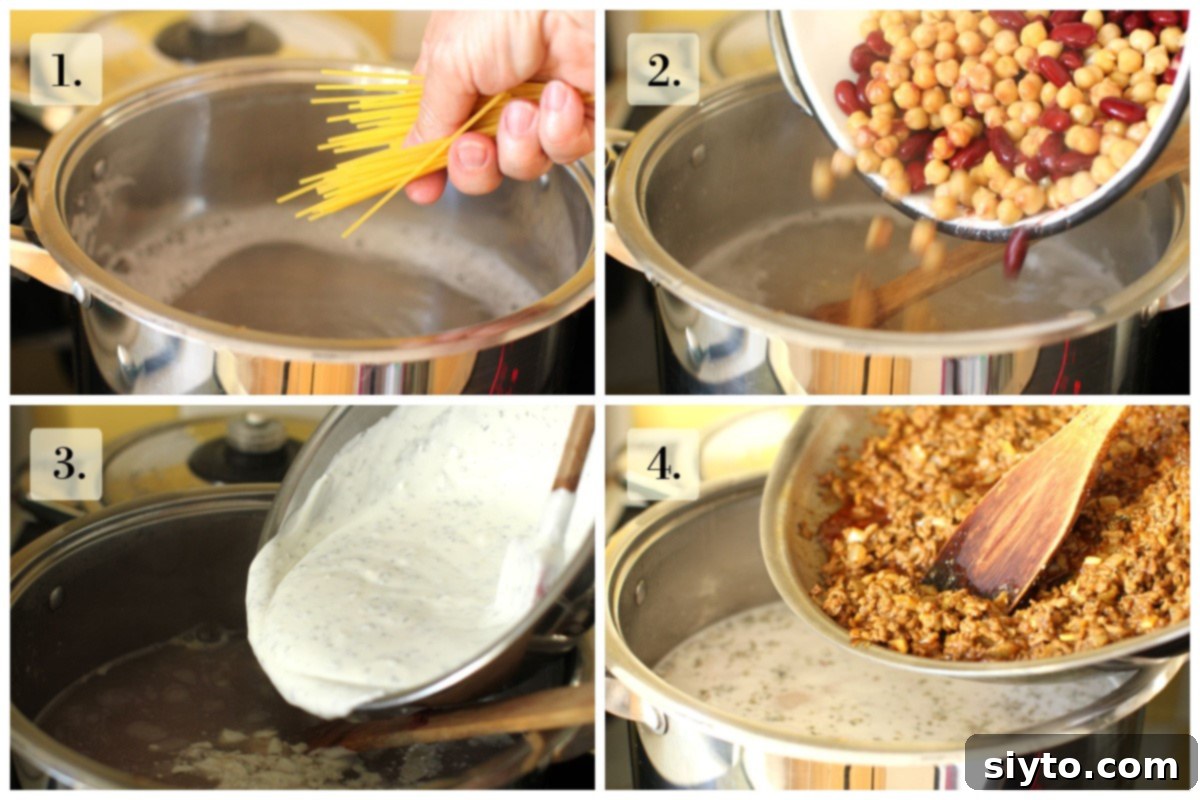
Continue to cook the soup just long enough for the noodles to reach a perfect al dente texture. At this point, your exquisite Aush is ready to be savored!
Step 4: Serving and Enjoying Your Aush
To fully experience Aush, serve the remaining half of the meat sauce and yogurt sauce in separate small bowls on the side. This allows each diner to customize their bowl, adding a fresh dollop of creamy tang and savory meat as they desire. Ladle generous portions of the hot, fragrant Aush into individual soup bowls. Top each serving with a spoonful of the reserved meat sauce, a swirl of the cooling yogurt sauce, and a final flourish of dried mint. For an extra touch of freshness and color, you can also offer chopped fresh cilantro or additional fresh mint, if desired. Even without fresh garnishes, the soup’s distinctive character shines through with just the dried mint.
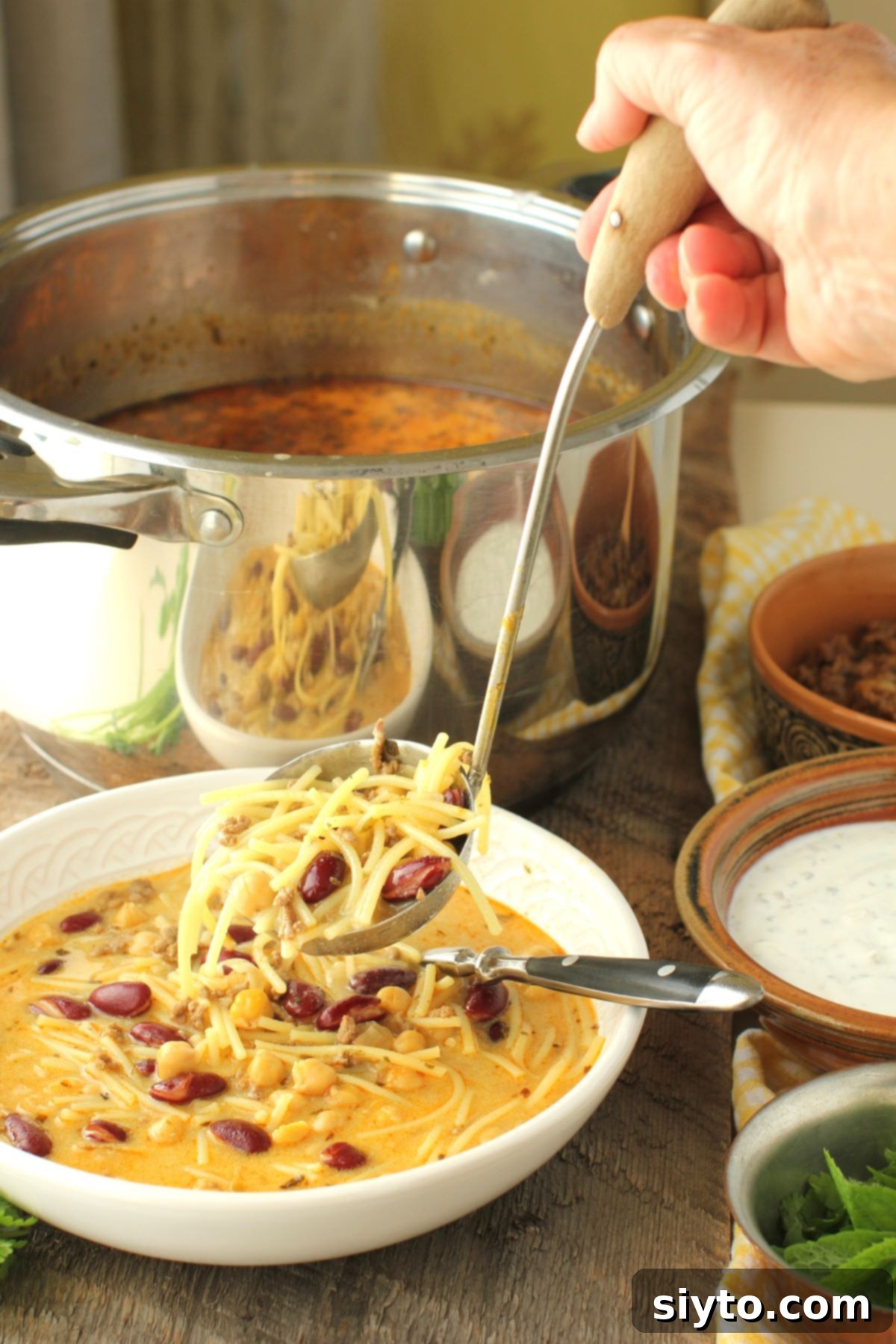
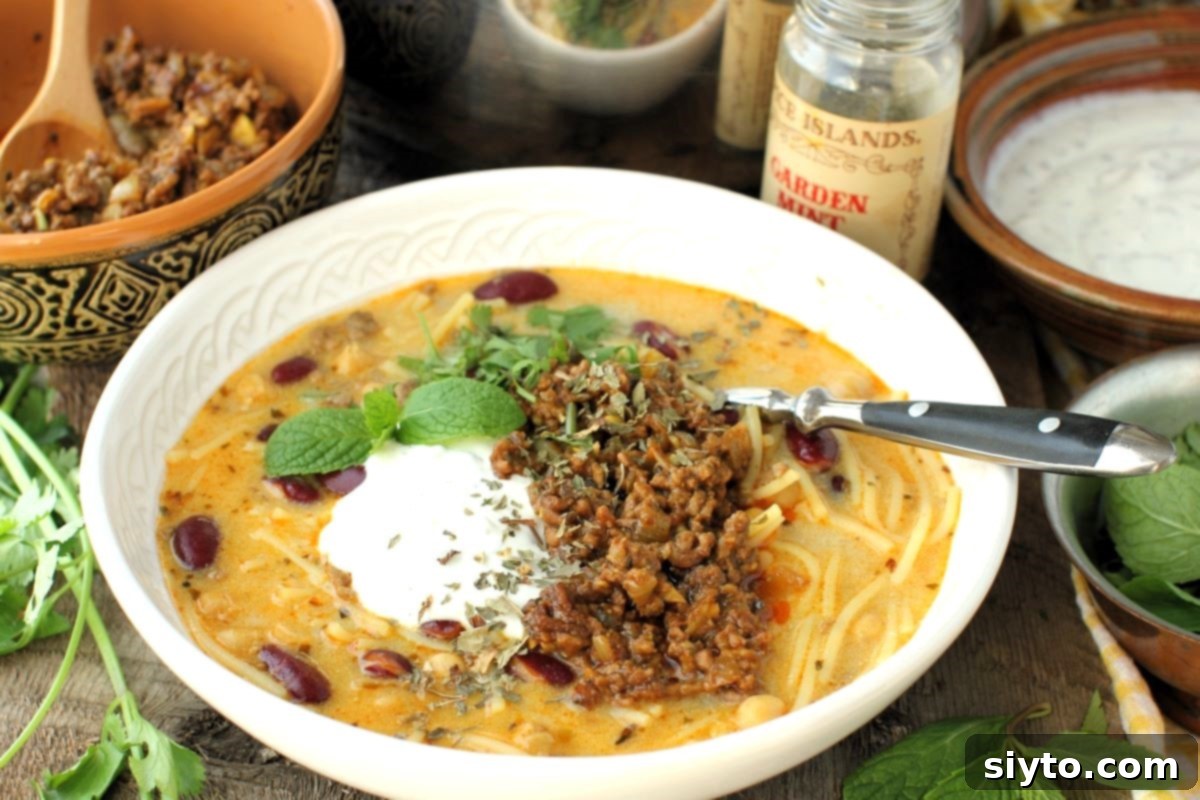
Take a moment, sigh blissfully, and slurp up a bowl of this delicious Aush, the ultimate comforting Afghan noodle soup. Each spoonful offers a delightful symphony of flavors and textures, a culinary embrace that warms you from the inside out.
Tips for Leftovers and Reheating
One of the best things about Aush is how well it keeps. Leftovers are fantastic and can be safely refrigerated for up to 5 days. For convenience, consider stirring any remaining meat sauce directly into the pot of soup before storing it in the fridge. Keep any leftover yogurt sauce covered and chilled separately to maintain its freshness and tangy flavor, serving it freshly with reheated soup. When reheating, you might notice the soup has thickened considerably – this is normal as the noodles and beans absorb more liquid. Simply thin it out with a little water or broth until it reaches your desired consistency, stirring gently to restore its creamy texture.
***
Ready to explore more global cuisines? Be sure to check out these other wonderful Afghan dishes prepared by fellow Eat the World members and share your culinary adventures with the hashtag #eattheworld. Find out how to join Eat the World here and have fun exploring a new country a month right from your kitchen!
A Day in the Life on the Farm: Chicken Palau in an Instant Pot
Culinary Cam: Afghani Dumplings: Aushak and Mantu
Sneha’s Recipe: Keto Afghani Creamy Chicken Stew
Amy’s Cooking Adventures: Aush (Afghan Noodle Soup)
Kitchen Frau: Aush (Afghan Bean and Noodle Soup)
Want to receive new Kitchen Frau recipes directly to your email as soon as they’re posted? Sign up here and you’ll get bits of news updates on what’s happening in my kitchen and garden, plus a handy and useful kitchen tip along with each recipe, too. (No spam ever.)
If you like my recipes, follow me on Instagram, Pinterest, X, and Facebook. You’d make my day. 😊
Guten Appetit!
Aush – Afghan Noodle Soup
Margaret Bose Johnson
Save to Pinterest
Ingredients
for the Meat Sauce
- 3 tablespoons oil
- 1 large onion, chopped
- 1 lb. (454 g) ground beef (or lamb, turkey, or chicken)
- 4 cloves garlic, finely minced
- 2 tablespoons tomato paste
- 2 teaspoons ground coriander
- 2 teaspoons ground cumin
- 2 teaspoons paprika (mild)
- 2 teaspoons dried mint
- 1 teaspoon ground turmeric
- 1 teaspoon fine sea salt
- ½ teaspoon ground black pepper
- 1 cup (240 ml) liquid drained from cans of beans or water
for the Yogurt Sauce:
- 1 cup (240ml) plain yogurt
- 1 cup (240 ml) sour cream
- 1 tablespoon dried mint
- 2 tablespoons lemon juice fresh or bottled
- 1 clove garlic, grated or pressed
- 1 teaspoon fine sea salt
for the Soup Base:
- 10 cups (2.4 litres) water
- 2 teaspoons fine sea salt
- 7 ounces (200 g) spaghetti or other pasta – any shape will work
- 1 can (19 oz/540 g) kidney beans, drained reserve liquid
- 1 can (19 oz/540 g) garbanzo beans/chickpeas, drained reserve liquid
to serve:
- dried mint or chopped fresh mint optional
- chopped fresh cilantro optional
Instructions
- Drain the beans (if using canned) and save the liquid.
make the meat sauce:
- Heat the oil in a skillet over medium heat, and add the diced onion. Cook it until tender and translucent, about 5 minutes.
- Add the crumbled ground meat and the chopped garlic. Cook until the meat is browned and any liquid has evaporated.
- Add the tomato paste and all the spices and seasonings. Cook for 3 to 4 minutes, until the tomato sauce caramelizes and sticks to the bottom of the pan in places.
- Add the 1 cup of bean liquid or water and cook for 5-10 minutes on medium-low, until most of the liquid evaporates, but the mixture is still somewhat fluid. Turn the heat right down, cover the skillet, and keep the sauce warm.
make the yogurt sauce:
- Stir together the yogurt, sour cream, dried mint, lemon juice, garlic, and salt. Set the sauce aside to allow the flavours to blend.
make the noodle soup base:
- Measure the water, using any remaining bean liquid as part of the total, into a large soup pot and add the salt. Bring to a boil.
- Break the spaghetti into 3 or 4 pieces. Add the broken spaghetti (or other pasta) to the boiling water, and cook them for about half the time recommended on the package directions. They will finish cooking as you add the other ingredients.
- Add the drained beans and bring the water back to a simmer. Then pour in half of the yogurt sauce and half of the meat sauce. Stir well to incorporate the yogurt, then bring the soup back to a simmer, taste it, and add more salt or pepper if needed.
to serve:
- Serve the remaining meat sauce and yogurt sauce in separate bowls on the side for people to add on top of their soup.
- Serve additional dried mint to sprinkle over the soup in each bowl, plush chopped fresh cilantro and/or mint, if desired.
Notes
If using cooked beans, you can use the bean cooking liquid as for the canned bean liquid, or replace it with water.
Check out my past ‘Eat the World’ Recipe Challenge posts:
(in alphabetical order)
- Argentina: Red Chimichurri Sauce
- Australia: Anzac Biscuits (Crispy Oatmeal Cookies)
- Bangladesh: Chingri Masala (Shrimp Curry)
- Bermuda: Fish Chowder
- Bulgaria: Patatnik (Savoury Potato and Cheese Pie)
- Cambodia: Noum Kong (Cambodian Rice Flour Doughnuts)
- China: Kung Pao Chicken
- Colombia: Pan de Yuca (Warm Cheese Buns)
- Dominican Republic: Empanaditas de Yuca (Cassava Empanadas)
- Ecuador: Pescado Encocado (Fish in Coconut Sauce)
- Egypt: Fava Beans and Feta
- England: Gluten Free Fish and Chips and Mushy Peas
- Ethiopia: Four Ethiopian Recipes for a Fantastic Feast
- Fiji: Spiced Sweet Potato and Banana Salad
- Finland: Lohikeitto (Creamy Salmon, Potato, and Dill Soup)
- France: Axoa d’Espelette (A Simple Stew from the Basque Country)
- Georgia: Charkhlis Chogi (Beets with Sour Cherry Sauce)
- Greece: Moussaka
- Guyana: Fried Tilapia in Oil & Vinegar Sauce (fish dish)
- Hungary: Túrós Csusza (Pasta Scraps with Cottage Cheese)
- India: Kerala Upma (Fluffy, Kerala Style Breakfast Upma Recipe)
- Iraq: Tepsi Baytinijan (Eggplant & Meatball Casserole)
- Ireland: Dublin Coddle (A tasty Sausage and Potato Stew)
- Israel: Cucumber, Feta, and Watermelon Salad
- Jamaica: Rice and Peas (Coconut Rice and Red Beans)
- Japan: Chawanmushi (Steamed Savoury Egg Custard)
- Kenya:Maharagwe with Ugali (Red Beans with Cornmeal Slice)
- Laos: Ping Gai (Lao Grilled Chicken Wings)
- Lesotho: Chakalaka & Pap (Veggie & Bean Stew with Cornmeal Polenta)
- Libya: Kufta bil Batinjal (Eggplant & Meat Rolls in Tomato Sauce)
- Luxembourg: Stäerzelen (Buckwheat Dumplings)
- Malta: Ross il Forn (Baked Tomato Rice)
- Mexico: Cochinita Pibil Tacos (Pit Barbecued Pig to Make in Your Oven)
- Morocco: Moroccan Shredded Carrot Salad with Oranges
- Netherlands: Boerenkool Stamppot (Kale-Potato Mash with Sausages & Pears)
- New Zealand: Classic Pavlova
- Poland: Polish Honey Cake
- Portugal: Tuna and Sardine Pâtés
- Puerto Rico: Piña Colada Cocktail
- Scotland: Cranachan (Raspberry, Whisky & Oat Cream Parfaits)
- Senegal: Mafé (Beef and Peanut Stew)
- Slovakia: Bryndzové Halušky (Potato Dumplings with Cheese & Bacon)
- Spain: Tortilla de Patatas (Potato Tortilla/Frittata)
- Sudan: Peanut Butter Creamed Spinach & Peanut Meringue Cookies
- Sweden: Swedish Meatballs with Cream Gravy
- Switzerland (Christmas): Basler Leckerli Cookies
- Thailand: Shrimp Laksa (Khung)
- Trinidad & Tobago: Peanut Butter Prunes
- Turkey: Çilbir (Scrambled Eggs with Garlic Yogurt)
- Ukraine: Buckwheat Kasha with Beef
- United States (Soul Food): Smothered Pork Chops
- Uruguay: Torta de Fiambre (Baked Ham & Cheese Sandwiches)
- Vietnam: Caramelized Pork Rice Bowls
- Wales: Welsh Cakes (Skillet Cookies with Nutmeg & Currants)