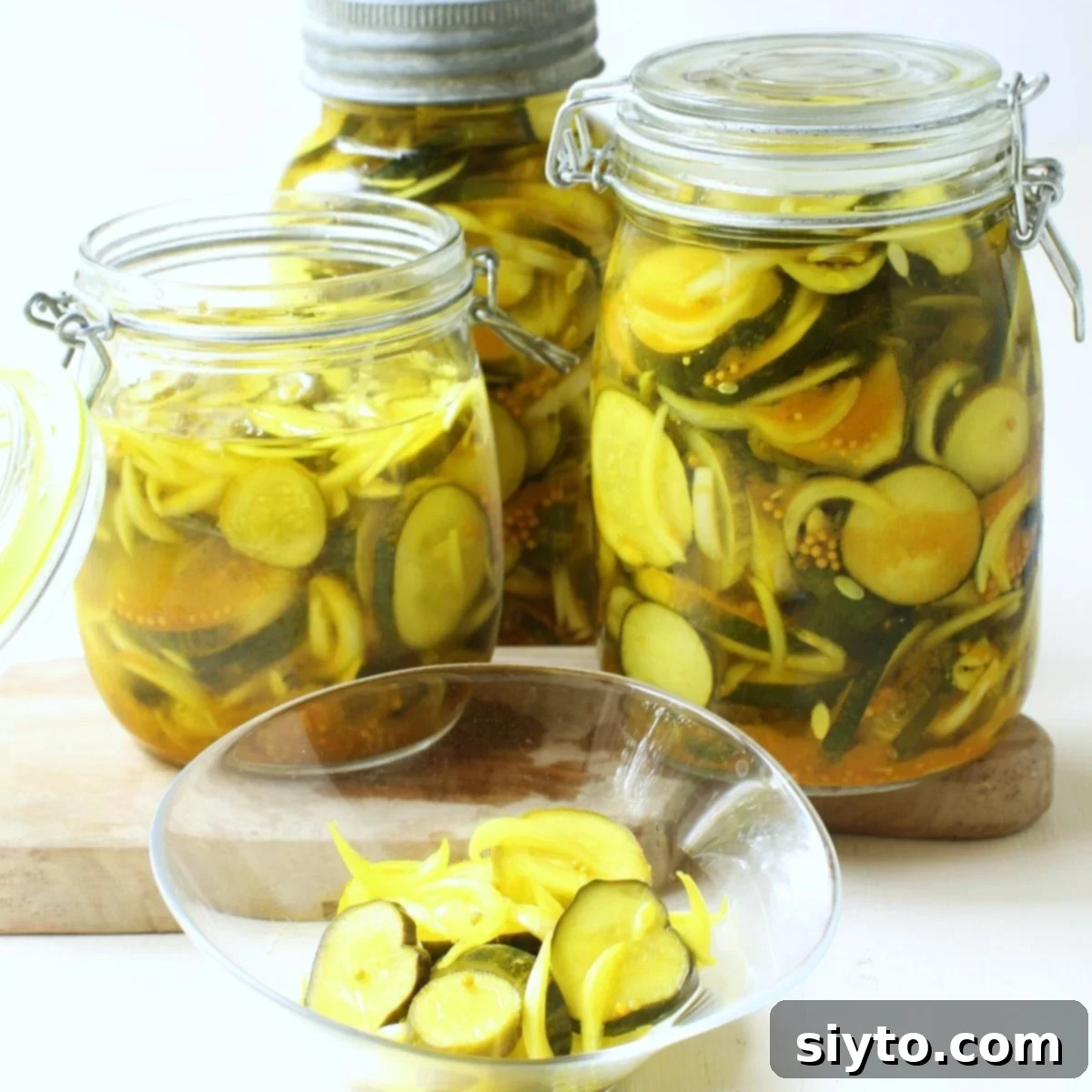
Easy Refrigerator Bread and Butter Pickles: A No-Canning Guide to Crispy Homemade Goodness
There’s nothing quite like the crisp, tangy bite of homemade pickles. If you’re looking for a simple, fuss-free way to enjoy delicious pickles without the intimidating process of traditional canning, then these Easy Refrigerator Bread & Butter Pickles are your answer. Perfectly tangy with just a hint of sweetness, these crunchy and juicy slices are ready in mere days and will quickly become a staple in your fridge. They’re incredibly versatile, making them ideal for layering on sandwiches, topping burgers, enhancing charcuterie boards, or simply enjoyed straight from the jar whenever a pickle craving strikes.
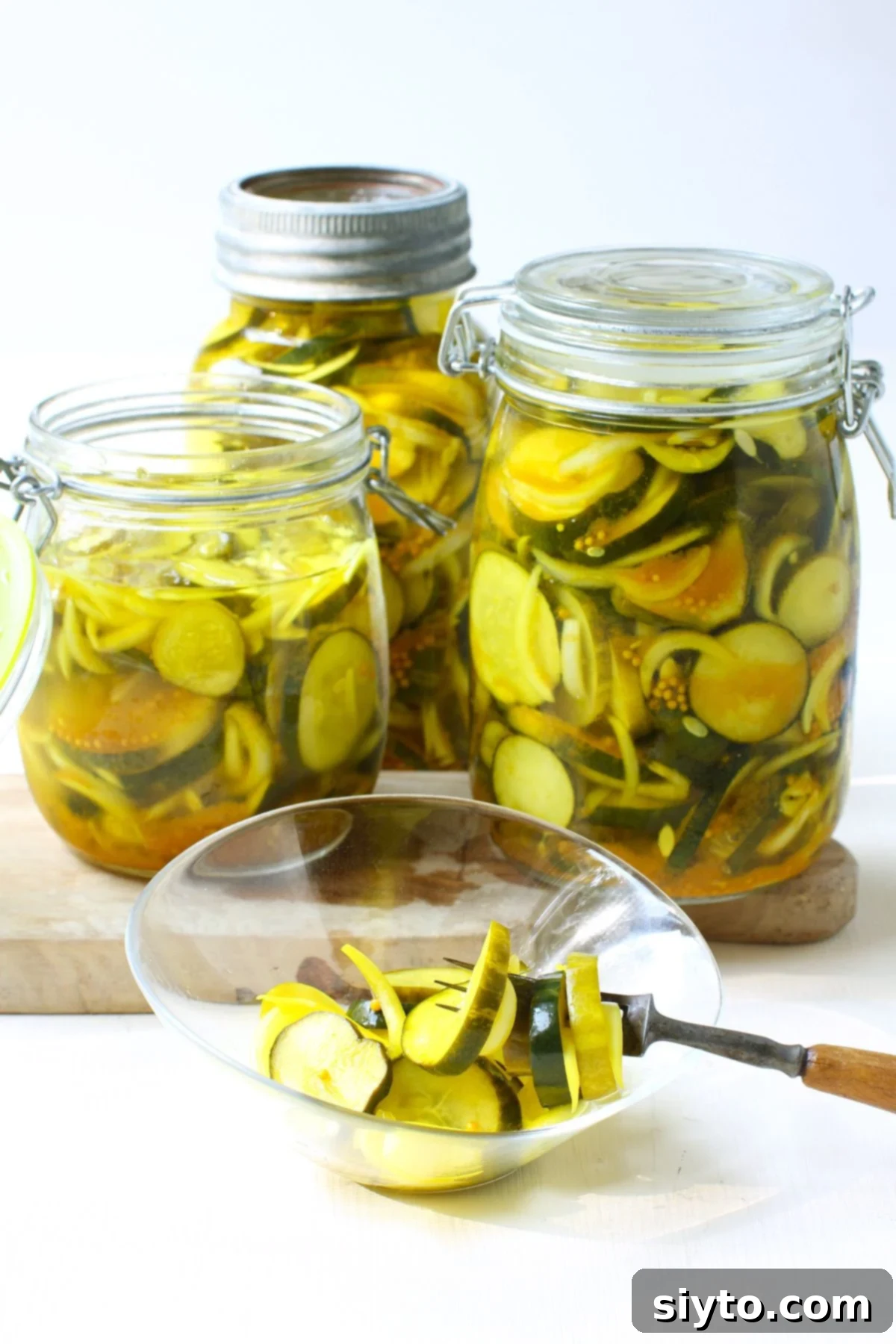
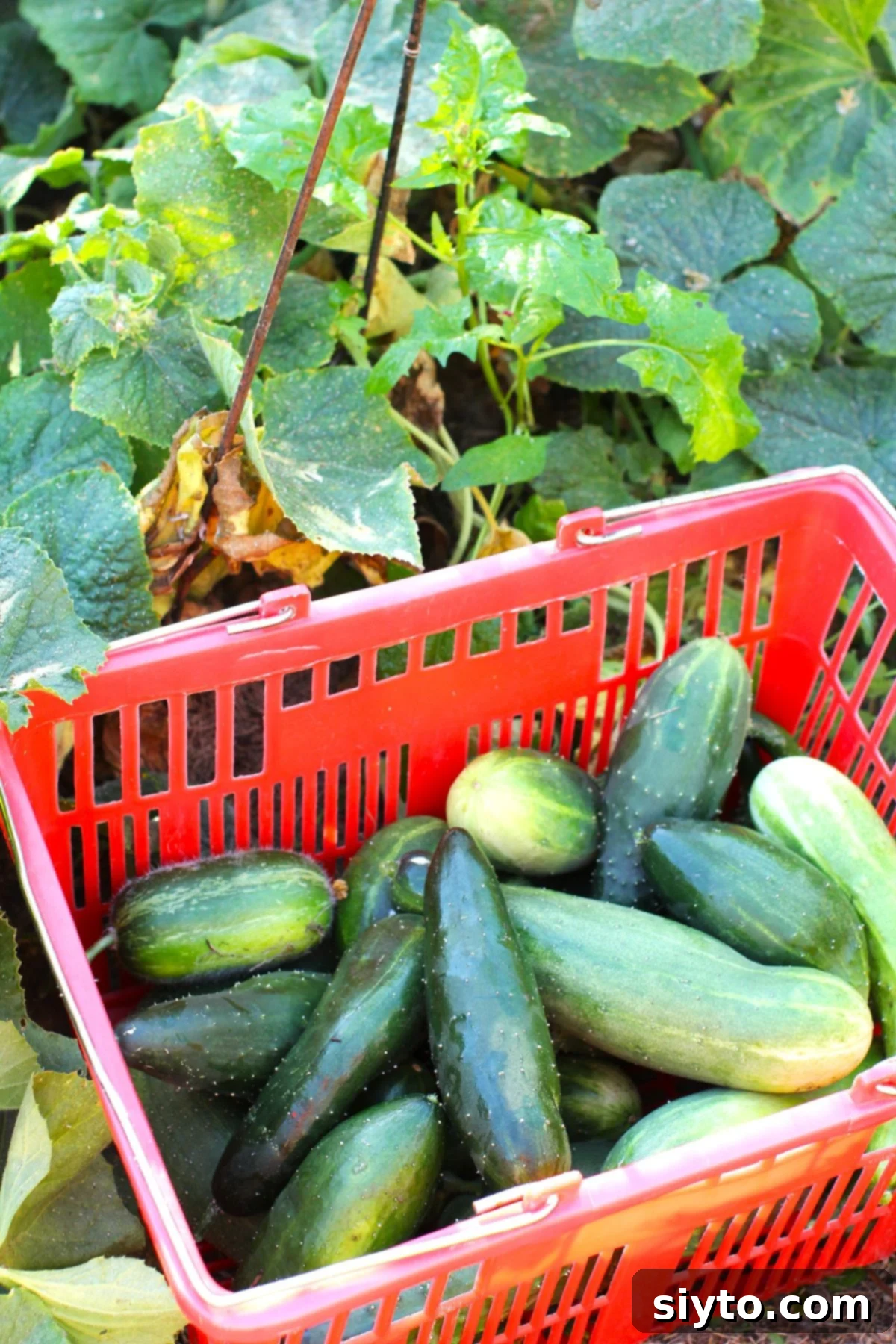
As the gardening season winds down, many home gardeners find themselves with an abundance of fresh produce, and cucumbers are often among the most prolific. This year, my garden has been particularly generous, leading to what some might call a “cucumber problem” – a delightful one, of course! While we’ve thoroughly enjoyed numerous refreshing cucumber salads, savory cucumber sandwiches, and simple fresh slices with seasoning salt, there comes a point where culinary creativity for cucumbers is essential. My popular Oven-Canned Dill Pickles and Old Pickle Relish were big hits last year, but we’re still happily working through those batches. This year, to make the absolute most of our vibrant cucumber bounty, it’s all about these delightful Refrigerator Bread & Butter Pickles. They offer a unique, sweet-and-tangy flavor profile distinctly different from dill pickles and are incredibly easy to make, quickly becoming a family favorite.
Why You’ll Love These No-Canning Bread & Butter Pickles
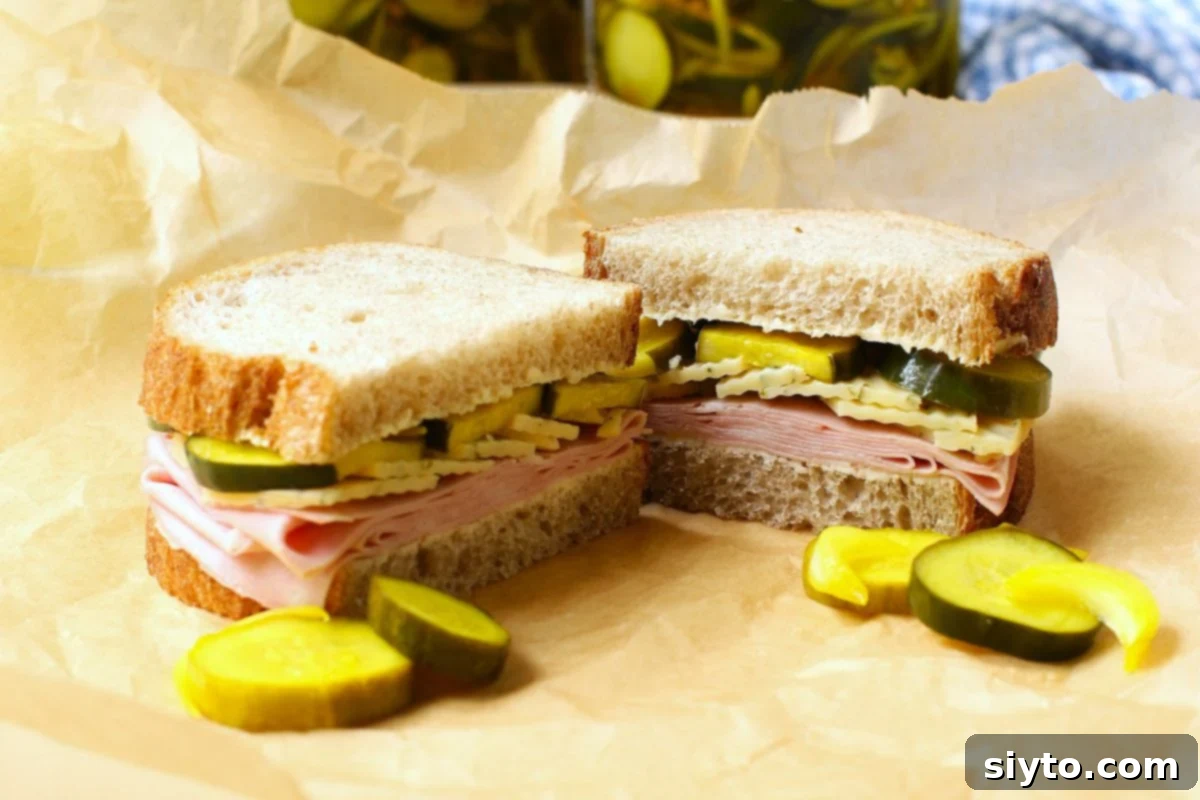
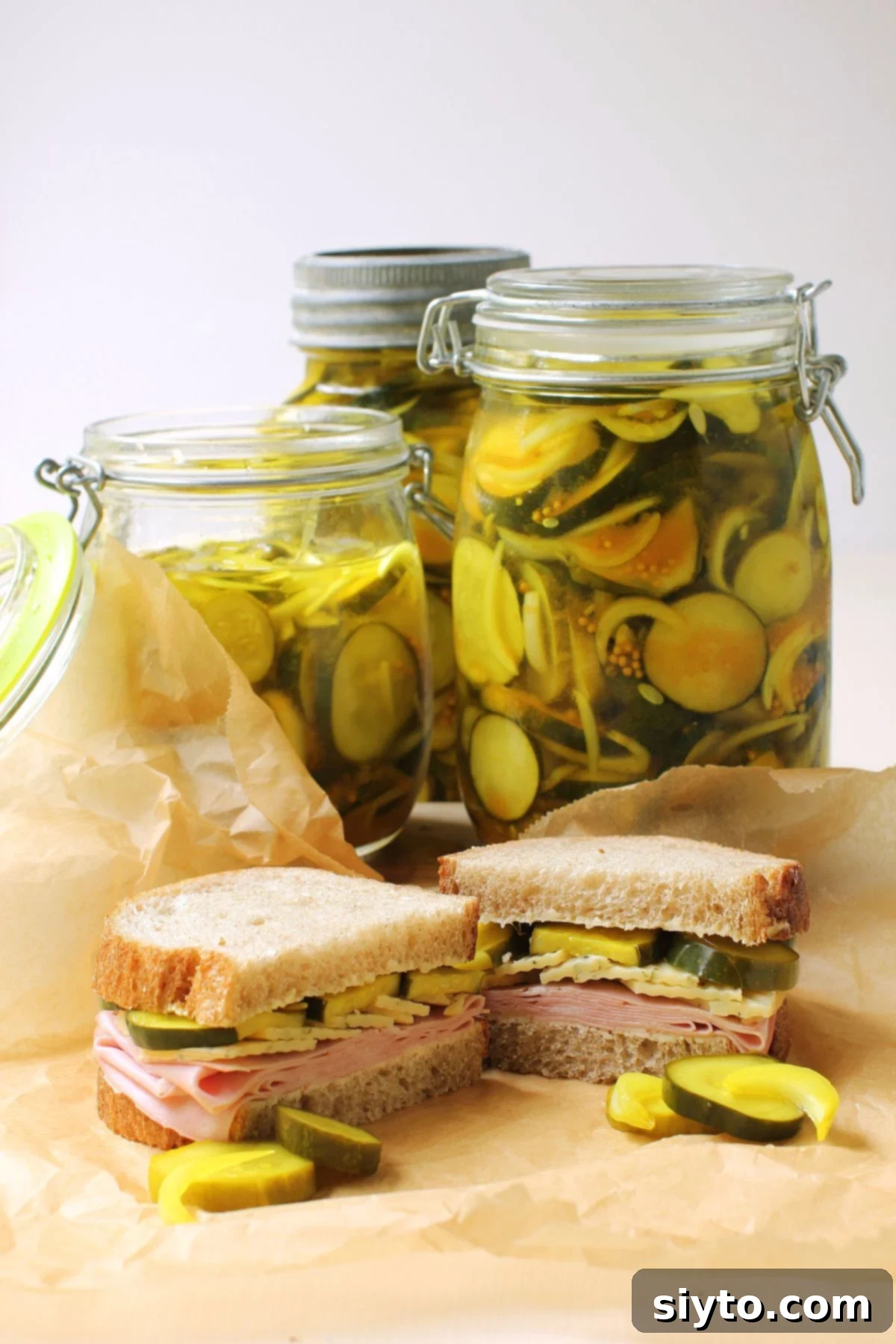
These homemade bread and butter pickles strike the perfect balance between sweet and tangy, offering a bright, refreshing taste that enhances almost any meal. Their signature crunch and juicy texture make them incredibly satisfying, whether you’re enjoying them on their own or as a vibrant addition to a dish. Imagine them elevating a classic deli sandwich, cutting through the richness of a juicy burger, or adding a zesty kick to wraps and pitas. They’re also a fantastic component for elegant charcuterie platters, adding a pop of color and flavor that beautifully complements cheeses and cured meats. During summer picnics and barbecues, a bowl of these easy refrigerator pickles is always a welcome sight, offering a delightful contrast to savory grilled foods.
Beyond whole slices, their crisp texture and balanced flavor make them excellent for chopping and stirring into various salads. Finely dice them and mix into creamy tuna salads, rich egg salads, or classic pasta salads for an extra layer of zest and satisfying crunch. Their versatility truly knows no bounds, making them a must-have condiment in your refrigerator. Plus, the bright, golden hue from the turmeric adds visual appeal to any plate.
The Simplicity of Refrigerator Pickles: No Canning Required!
One of the biggest advantages and most appealing aspects of making refrigerator pickles is the complete absence of traditional canning methods. This means you can bypass the often-daunting steps of sterilizing numerous jars and lids, setting up a large, cumbersome canning pot, and enduring the messy, time-consuming water bath processing. With refrigerator pickles, there’s no need to worry about lids sealing or anxiously awaiting that characteristic “pop” sound that signifies a successful seal.
This “no canning” approach makes the entire process incredibly straightforward and accessible, even for beginner home cooks or those with limited kitchen space and specialized equipment. The method is refreshingly simple and stress-free: you just need to prepare a flavorful brine, thinly slice your fresh cucumbers and onions, pour the cooled brine over them, and let time and your refrigerator do the rest. Just three days chilling in the fridge, with a quick stir each day to ensure even pickling, and your amazing homemade bread & butter pickles are ready to enjoy. They’ll keep beautifully in your refrigerator for months, offering a convenient supply of deliciousness whenever you desire, providing fresh, crunchy flavor without any of the fuss.
Essential Ingredients for Your Homemade Bread & Butter Pickles
Crafting the perfect batch of crispy, tangy, and slightly sweet bread and butter pickles starts with selecting the right ingredients. Each component plays a vital role in achieving that signature flavor and satisfying crunch. Here’s a detailed look at what you’ll need and some helpful tips for each to ensure your pickles turn out perfectly:
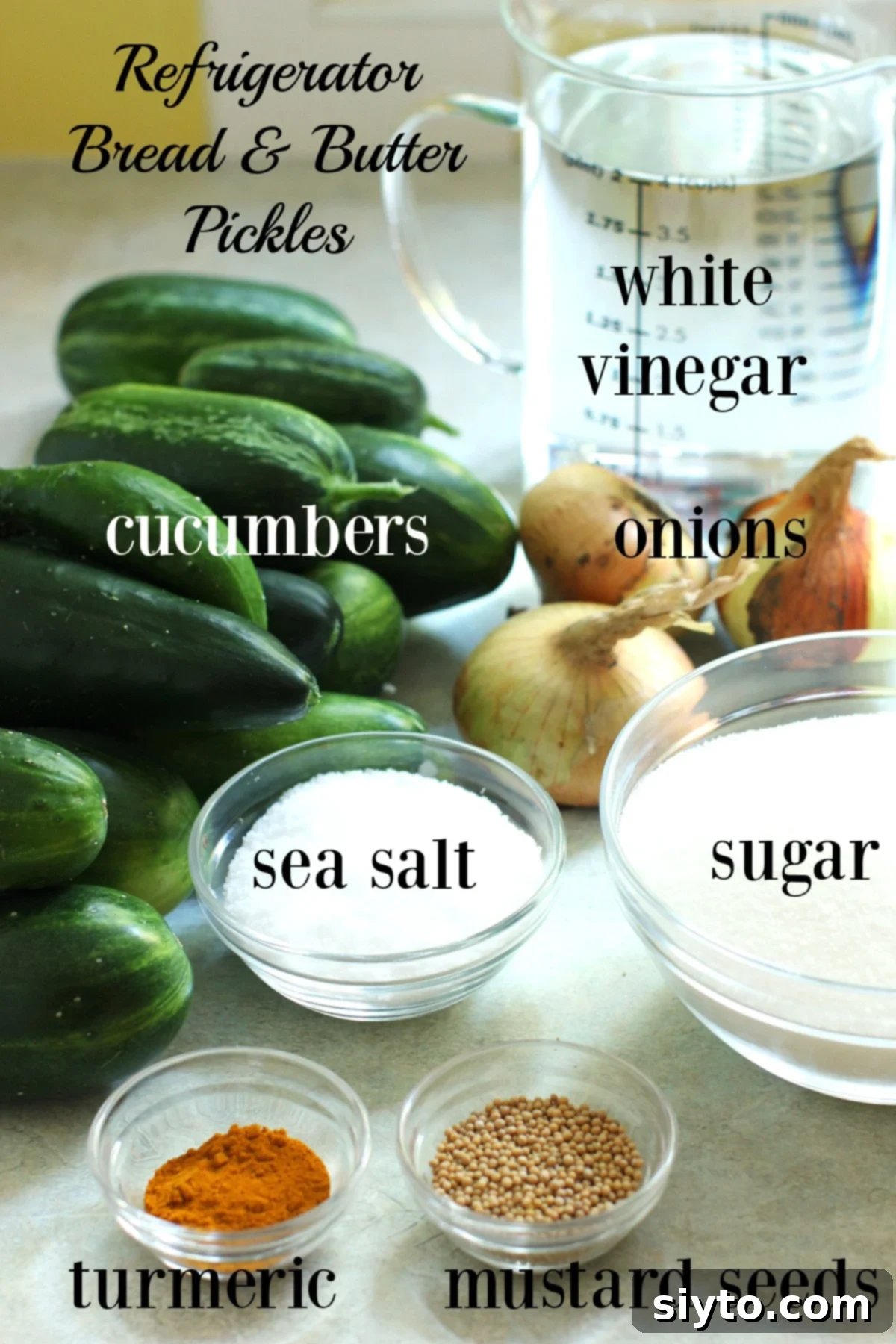
- Cucumbers: These are, naturally, the star ingredient. Almost any variety of cucumber will work for these pickles, whether they are small pickling cucumbers or larger slicing varieties. For the best crunch and texture, always opt for fresh, firm cucumbers. There’s no need to peel them; the skin adds texture and nutrients, but always trim off the ends. A crucial tip: if you’re using very ripe or slightly overripe cucumbers that have larger, softer seeds, it’s a good idea to cut them lengthwise and scoop out the seeds, as these can become mushy during the pickling process, affecting the overall texture of your homemade pickles.
- Onions: These aren’t just for flavor in the brine; they become delightfully pickled themselves! Onions add a lovely rounded depth and a subtle, savory sweetness to the bread and butter pickles, complementing the cucumbers beautifully. While optional if you truly don’t care for them, they are highly recommended for the classic flavor profile. Once pickled, these tender onion slices are fantastic to eat on their own, or can be used as a flavorful topping on tacos, hot dogs, sandwiches, or any other dishes that benefit from a burst of tangy, savory goodness.
- Vinegar: Distilled white vinegar (with a standard 5% acidity) is generally recommended as the base for the brine because its clean, neutral taste allows the other pickle flavors to shine through beautifully without competition. However, don’t hesitate to experiment with different vinegars! You can easily substitute up to a quarter of the white vinegar volume with apple cider vinegar for a slightly fruitier note, or white wine vinegar for a milder, more delicate tang. Just ensure the total acidity remains at 5% for safety and proper pickling.
- Sugar: Plain granulated sugar or organic cane sugar are the ideal choices for their neutral flavor, which helps maintain the classic bread and butter pickle profile. The sugar balances the acidity of the vinegar and adds the characteristic sweetness. If you prefer to use other sweeteners, such as brown sugar, be mindful that these can alter both the color and the nuanced flavor of your finished pickles. This particular recipe uses a reduced amount of sugar compared to traditional versions, offering a less syrupy, more balanced sweet-tart experience.
- Salt: Salt is critical for both flavor development and its role in drawing out moisture from the cucumbers, contributing to their crispness. Always use pickling salt, fine sea salt, or kosher salt. These types are specifically chosen because they are free from anti-caking agents and iodine, which can cause your pickling brine to become cloudy and unattractive. Double-check the ingredient list on your chosen salt package to ensure it contains only salt.
- Mustard Seeds: Whole yellow mustard seeds are traditional and contribute a distinctive, warm, and slightly pungent flavor that is characteristic of authentic bread and butter pickles. If you’re looking for a bolder taste, brown mustard seeds are an excellent alternative, though their flavor is a bit stronger and more intense. For a more complex spice blend and a slightly different flavor profile, you can also substitute a pre-made pickling spice mix, often found in the spice aisle of grocery stores.
- Turmeric Powder: This vibrant spice is essential for both its beautiful golden color and a subtle earthy, peppery flavor. It gives the pickles their characteristic bright yellow hue, much like what you’d find in prepared yellow mustard, and adds a complex nuance that deepens the overall taste profile of the brine, making the pickles more visually appealing and flavorful.
- A Gallon-Sized Container: You’ll need a spacious container to comfortably hold your prepared sliced cucumbers, onions, and the brine. A plastic gallon-sized (approximately 4-liter) empty ice cream pail with a lid, a large glass gallon jar, or any large glass or plastic bowl (one gallon or larger) that can be securely covered with a lid or multiple layers of plastic food wrap will work perfectly. If you have fewer cucumbers, consider making a half-batch and using a 2-liter (half-gallon) container instead. The full recipe typically yields about three quart-sized jars of finished refrigerator bread & butter pickles, as the cucumbers shrink significantly after being pickled and immersed in the brine.
Step-by-Step Guide: Crafting Your Easy Refrigerator Bread & Butter Pickles
Making these no-canning pickles is remarkably simple, breaking down into just a few easy steps. The key is to prepare your brine and vegetables efficiently, then let time do its magic in the refrigerator. Remember, you can easily adjust the batch size if you have fewer cucumbers or if you prefer to use smaller containers. The beauty of this recipe lies in its straightforward process and delicious results.
Preparing the Brine and Vegetables:
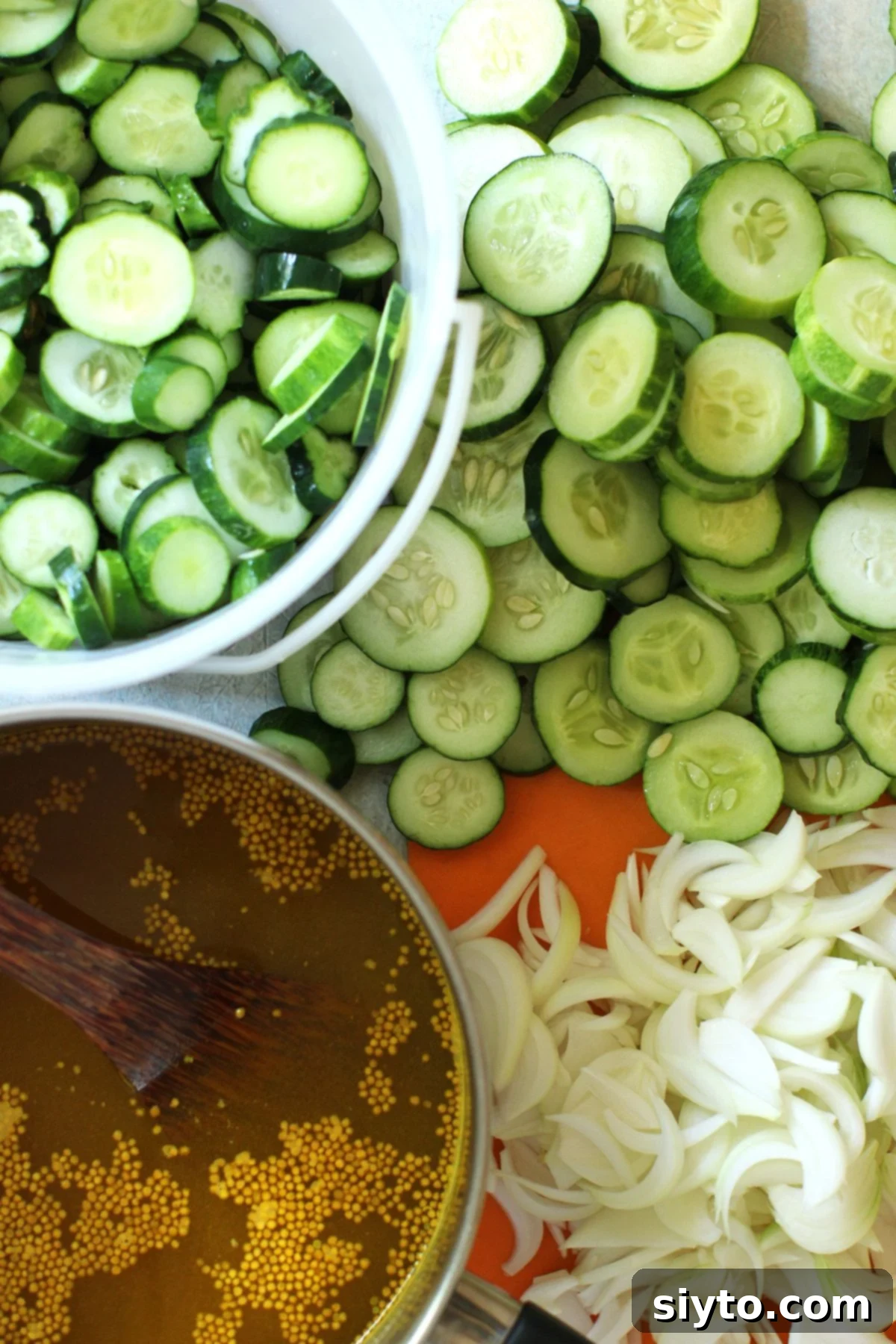
- First, prepare the brine. In a medium saucepan, combine the distilled white vinegar, granulated sugar, pickling salt (or fine sea salt), whole mustard seeds, and turmeric powder. Bring this mixture to a gentle boil over medium-high heat, stirring occasionally to ensure the sugar and salt dissolve completely. Once it reaches a boil, remove the saucepan from the heat and allow the brine to cool down completely, or at least to lukewarm temperature. This cooling step is crucial; pouring hot brine over fresh cucumbers can result in soft, rather than crisp, pickles.
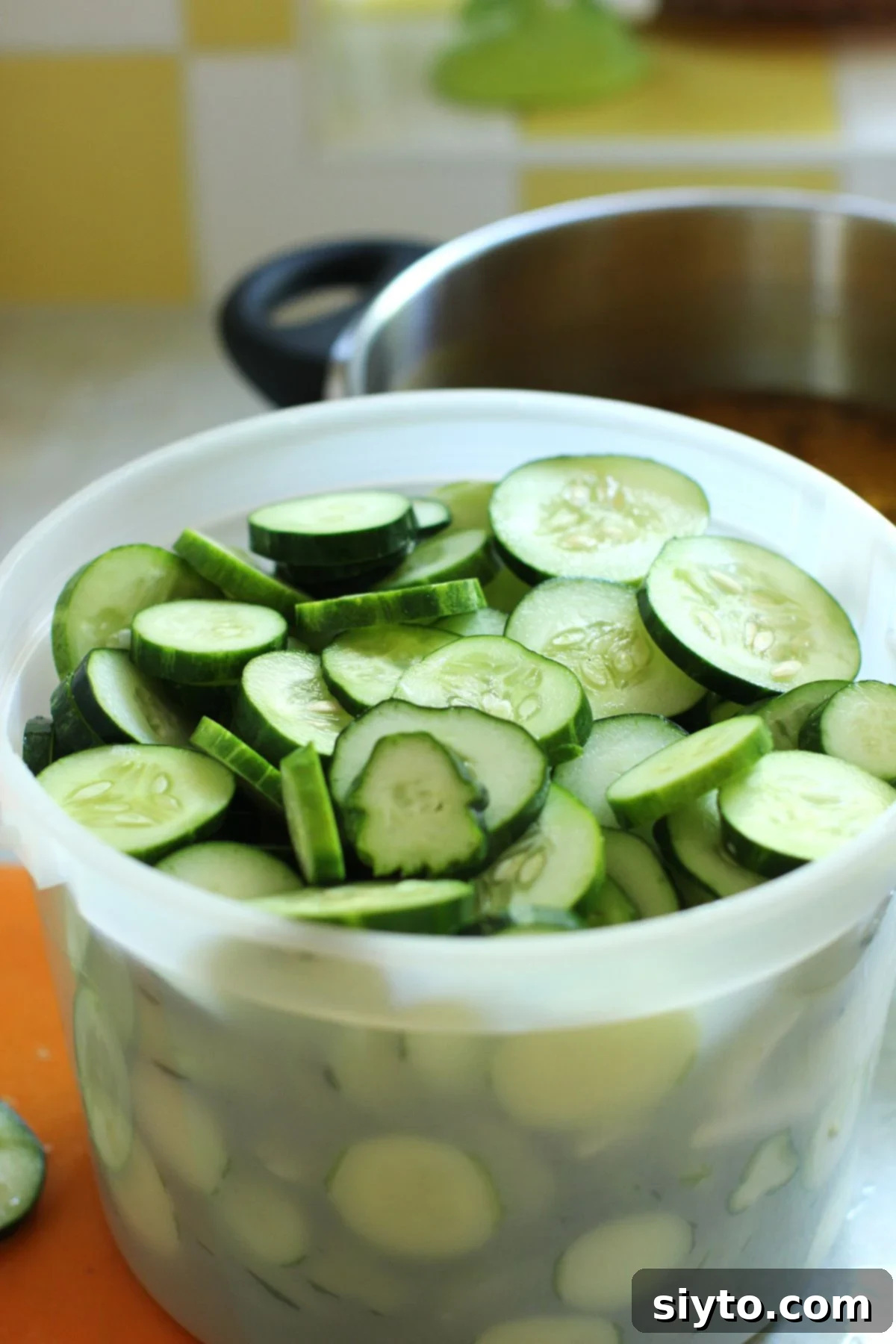
- While your brine is cooling, prepare your fresh vegetables. Begin by thoroughly washing your cucumbers and trimming off both ends. For uniform slices, a sharp knife or a mandoline slicer works wonders. Aim for consistent ¼-inch thick slices for that perfect pickle bite. If using a mandoline, always exercise caution! Next, peel your medium onions and slice them in half through the root end. Cut each half into thin half-moon slices. The thinner the slices, the more surface area for the brine to penetrate, and the faster they will pickle effectively.
- Once sliced, begin layering your cucumbers and onions in your chosen gallon-sized container. Start with a layer of roughly half the cucumber slices, then add all the thinly sliced onions over this layer, and finally top with the remaining cucumber slices. This layering helps ensure an even distribution of the onions throughout the batch and allows the flavors to meld beautifully. If you’re working with a smaller amount of cucumbers or don’t have a single gallon-sized container, you can easily make a half batch or divide the full batch into two smaller containers.
Combining and Marinating for Flavor:
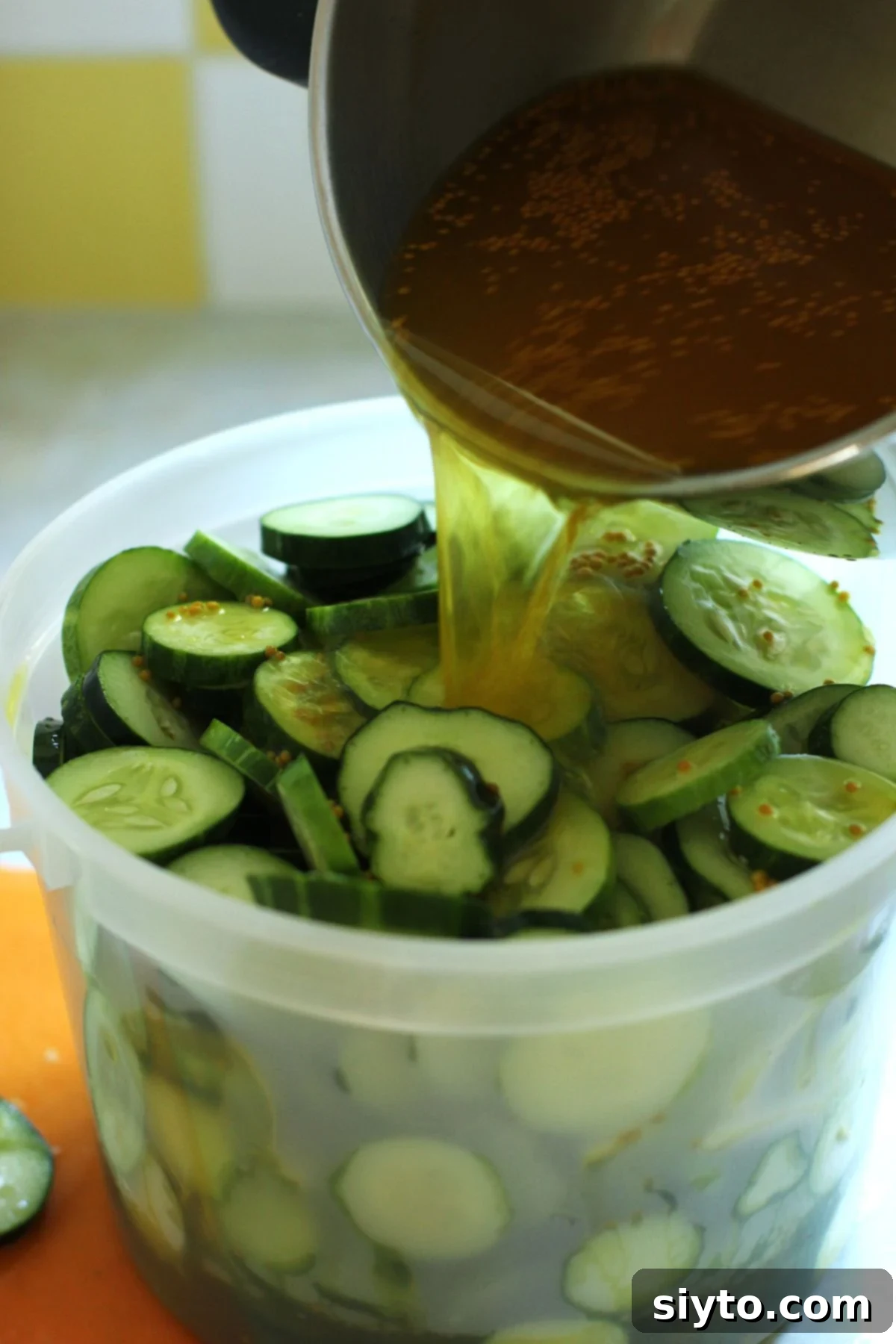
- Once the brine has cooled to lukewarm, carefully pour it over the prepared cucumbers and onions in the container. Initially, it might not look like there’s enough brine to cover everything completely. Don’t worry, this is normal! Give the cucumbers a gentle toss or stir to ensure that all the top slices are well coated with the flavorful brine.
- Now, allow the pickles to sit at room temperature for about half an hour. During this time, the salt in the brine will begin to draw out moisture from the cucumbers, causing them to shrink and release some of their own juices. This reduction in volume will make it much easier to submerge all the slices completely in the liquid.
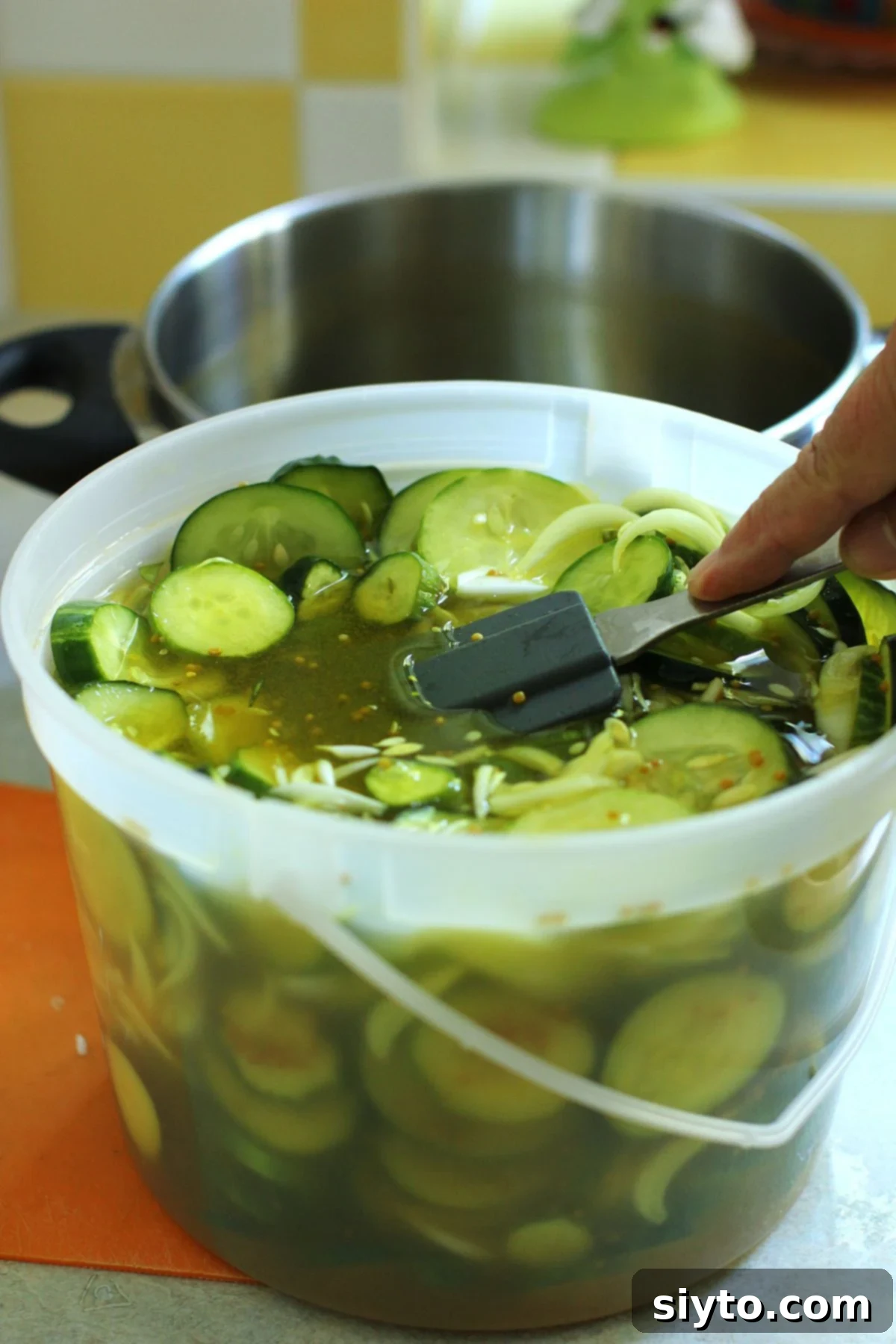
- After 30 minutes, you should be able to push the cucumbers down with a spatula or wooden spoon so they are fully submerged under the brine. This is an important step to ensure even pickling and consistent flavor throughout the entire batch. Keeping them submerged is key for even flavor absorption.
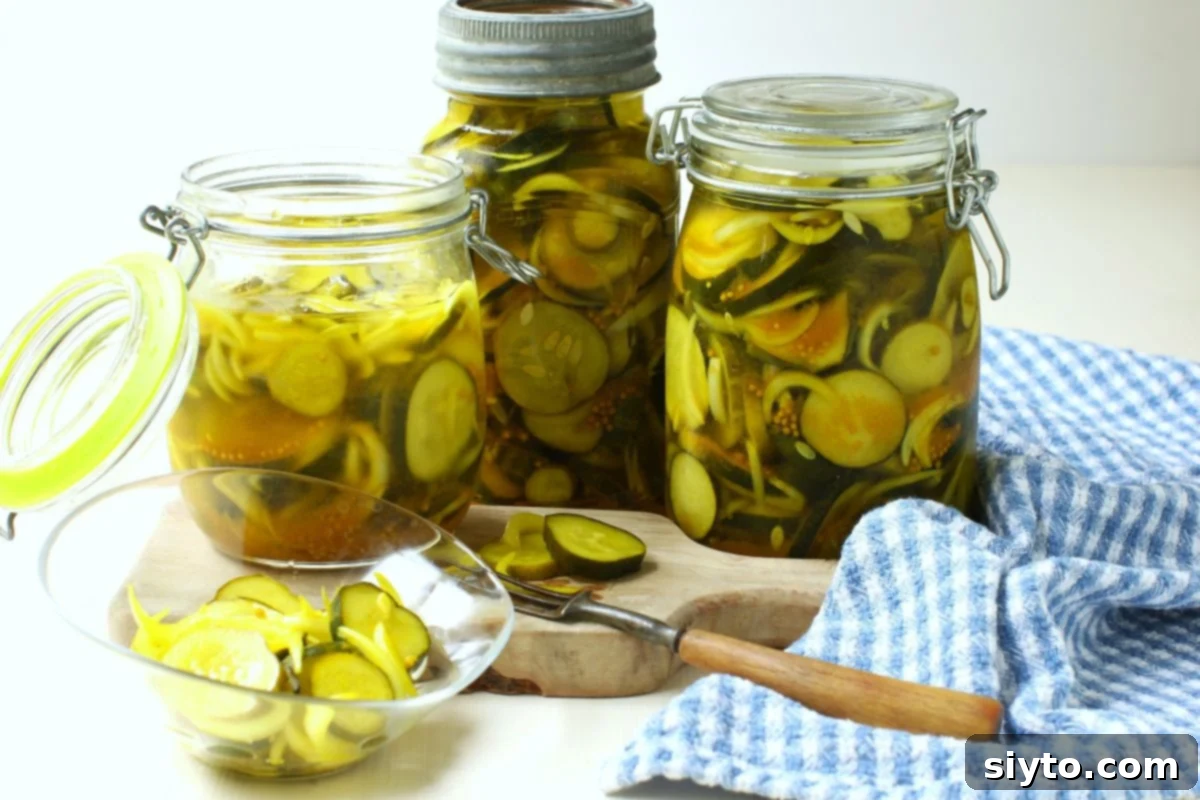
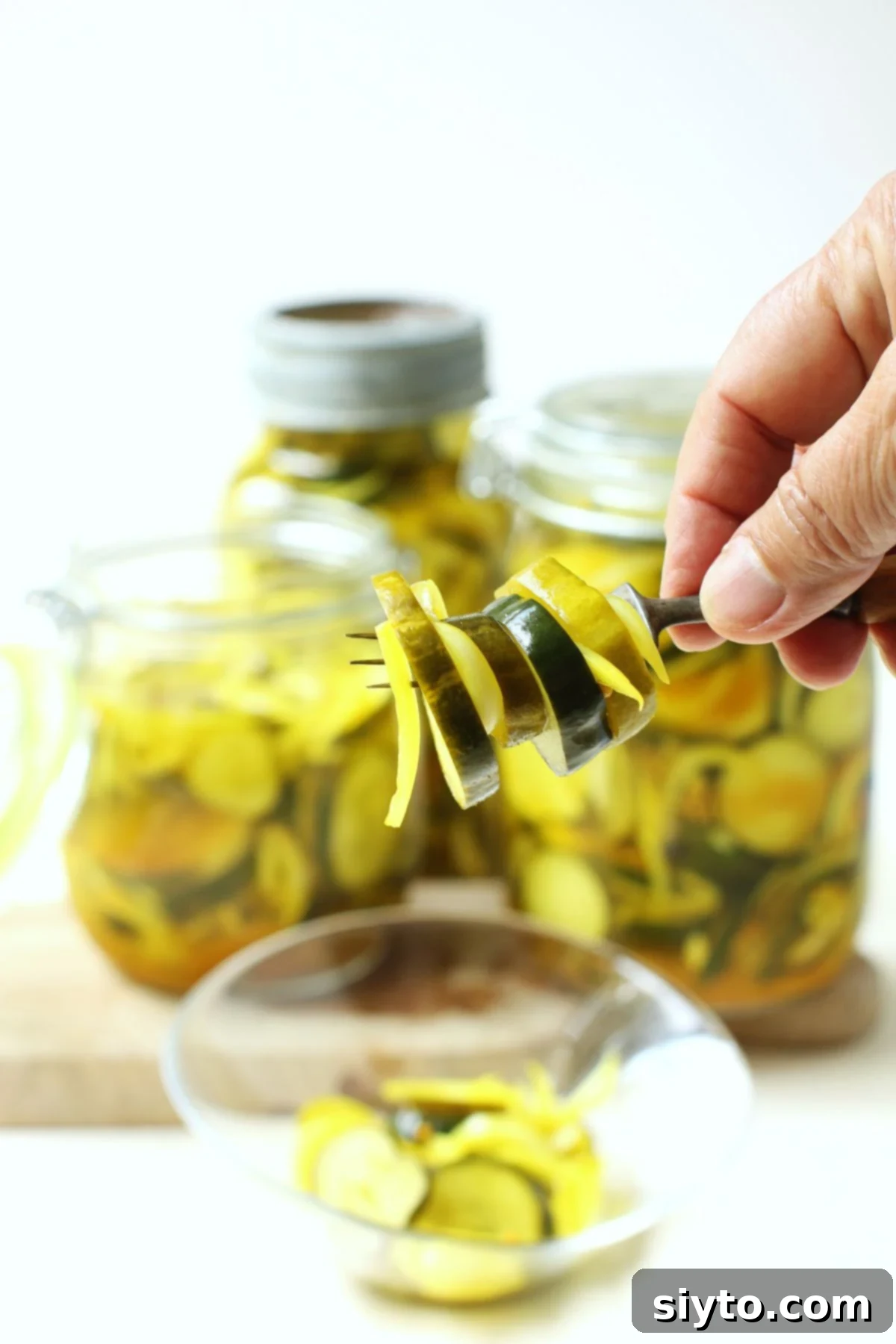
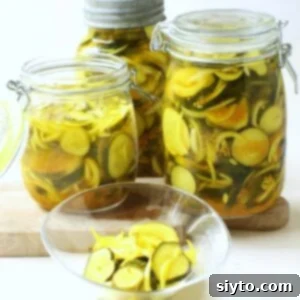
- Once submerged, cover your container securely with a lid or plastic wrap and transfer it to the refrigerator. For the next three days, give the pickles a good stir once each day, making sure to push them back down under the brine after stirring. This daily agitation helps the flavors penetrate evenly and ensures all slices are properly pickled. After three days, your Easy Refrigerator Bread & Butter Pickles will be perfectly pickled and ready to enjoy! You can either leave them in the large container for convenience or transfer them to smaller quart-sized jars for easier access and storage. Get ready for that satisfying crunch!
A Healthier, Balanced Sweetness: Less Sugar, More Flavor
This particular recipe for refrigerator bread & butter pickles offers a modern twist on a beloved classic by significantly reducing the sugar content compared to older versions. Many people fondly remember the bread & butter pickle recipes circulating in the 1980s and ’90s, which often called for as much as 4 cups of sugar! These traditional recipes produced a very syrupy, intensely sweet and sour pickle, much like the overly sweet varieties often found in grocery stores today. While undeniably delicious for some, that level of sweetness can sometimes overpower the fresh cucumber and delicate spice flavors, limiting their versatility.
Our recipe aims for a more balanced flavor profile. By thoughtfully cutting the sugar (and salt) to about half of the original amounts, we achieve a delightful tang with just a subtle, complementary sweet note in the background. This adjustment makes the pickles incredibly versatile and enjoyable for a wider range of palates. They are perfect for snacking straight from the jar, as their balanced flavor prevents them from being cloyingly sweet. They also pair wonderfully with savory dishes without adding excessive sweetness. However, if you have a preference for the truly old-fashioned, sweeter pickles, or if you simply enjoy the taste of store-bought sweet pickles, you can absolutely adjust the sugar to your liking. Feel free to add an extra cup or two of granulated sugar to the brine to achieve your desired level of sweetness. The ultimate beauty of homemade pickles lies in tailoring them to your exact taste preferences!
Enjoy Your Homemade Refrigerator Bread & Butter Pickles!
Making your own bread and butter pickles is a wonderfully rewarding experience that yields incredibly flavorful results with minimal effort. This no-canning method simplifies the entire process, making it accessible for everyone to enjoy the freshest, crunchiest, and most delicious pickles right from their fridge. Whether you’re dealing with a bountiful garden harvest or simply craving that distinctive sweet and tangy flavor, this easy recipe is sure to become a cherished addition to your culinary repertoire. Enjoy them on everything from everyday sandwiches and burgers to special occasion charcuterie boards, or simply as a delightful, satisfying snack on their own. Their bright flavor and crisp texture are guaranteed to bring a smile to your face with every bite.
Want to receive new Kitchen Frau recipes directly to your email as soon as they’re posted? Sign up here and you’ll get bits of news updates on what’s happening in my kitchen and garden, plus a handy and useful kitchen tip along with each recipe, too. (No spam ever.)
If you like my recipes, follow me on Instagram, Pinterest, X, and Facebook. You’d make my day. 😊
Guten Appetit!
Easy Refrigerator Bread & Butter Pickles
Margaret Bose Johnson
Save to Pinterest
Ingredients
- 4 cups (960 ml) distilled white vinegar (5% acidity)
- 2 cups (400 g) granulated sugar
- ¼ cup (4 tablespoons/70 g) pickling salt or fine sea salt
- 1 tablespoon whole mustard seeds
- 1½ teaspoons turmeric powder
- 4 lbs (1.8 kg) fresh cucumbers (yields about 4 litres/1 gallon sliced)
- 3 medium onions, sliced thinly
Instructions
- In a medium saucepan, combine the distilled white vinegar, granulated sugar, pickling salt (or fine sea salt), whole mustard seeds, and turmeric powder. Bring the mixture to a boil over medium-high heat, stirring until the sugar and salt are fully dissolved. Once boiling, remove the saucepan from the heat and set it aside to cool completely or at least to lukewarm temperature. This is important for crisp pickles.
- While the brine is cooling, prepare your fresh vegetables. Wash the cucumbers thoroughly and trim off both ends. Slice them into uniform ¼-inch thick rounds. You can use a sharp knife or a mandoline for consistent results. If using very ripe cucumbers, consider halving them lengthwise and scraping out any large seeds. Next, peel the medium onions and cut them in half through the root end. Slice each half into thin half-moon pieces.
- Place half of the sliced cucumbers into a clean, large 4-liter (1-gallon) sized container such as an empty ice cream pail, a substantial glass bowl, or a large glass gallon jar. Add all the thinly sliced onions over this first layer of cucumbers, then top with the remaining cucumber slices. This layering method helps distribute the onions evenly throughout the batch.
- Once the brine has cooled to lukewarm, pour it carefully over the prepared cucumbers and onions in the container. Initially, the brine may not fully cover all the vegetables. Gently toss or stir the cucumbers to ensure that the top slices are well coated with the brine. Allow the mixture to stand at room temperature for about 30 minutes. This resting period allows the cucumbers to release some moisture and slightly shrink, making them easier to submerge.
- After 30 minutes, use a clean spatula or a wooden spoon to gently push down on the cucumbers until they are fully submerged under the brine. Cover the pail, bowl, or jar securely with its lid or plastic wrap, and transfer it to the refrigerator. For the next three days, remember to stir the pickles once daily, ensuring all slices are pushed back under the brine after each stir. This promotes even pickling and flavor development.
- After 3 days of marinating, your homemade Bread & Butter Pickles are ready to enjoy! For easier access and storage, you can transfer the pickles to smaller quart-sized jars, distributing the brine evenly among them. Discard any remaining brine that doesn’t fit. While delicious immediately, the flavors will continue to deepen and improve over the next week.
- These refrigerator bread and butter pickles will keep exceptionally well in your refrigerator for up to 6 months. While they may remain edible for up to a year, their quality might slightly diminish, and their crispness could soften after the initial 6-month period. Always store them chilled for best results and safety.
- This recipe yields approximately 3 quarts (or 3 liters) of delicious bread & butter pickles.