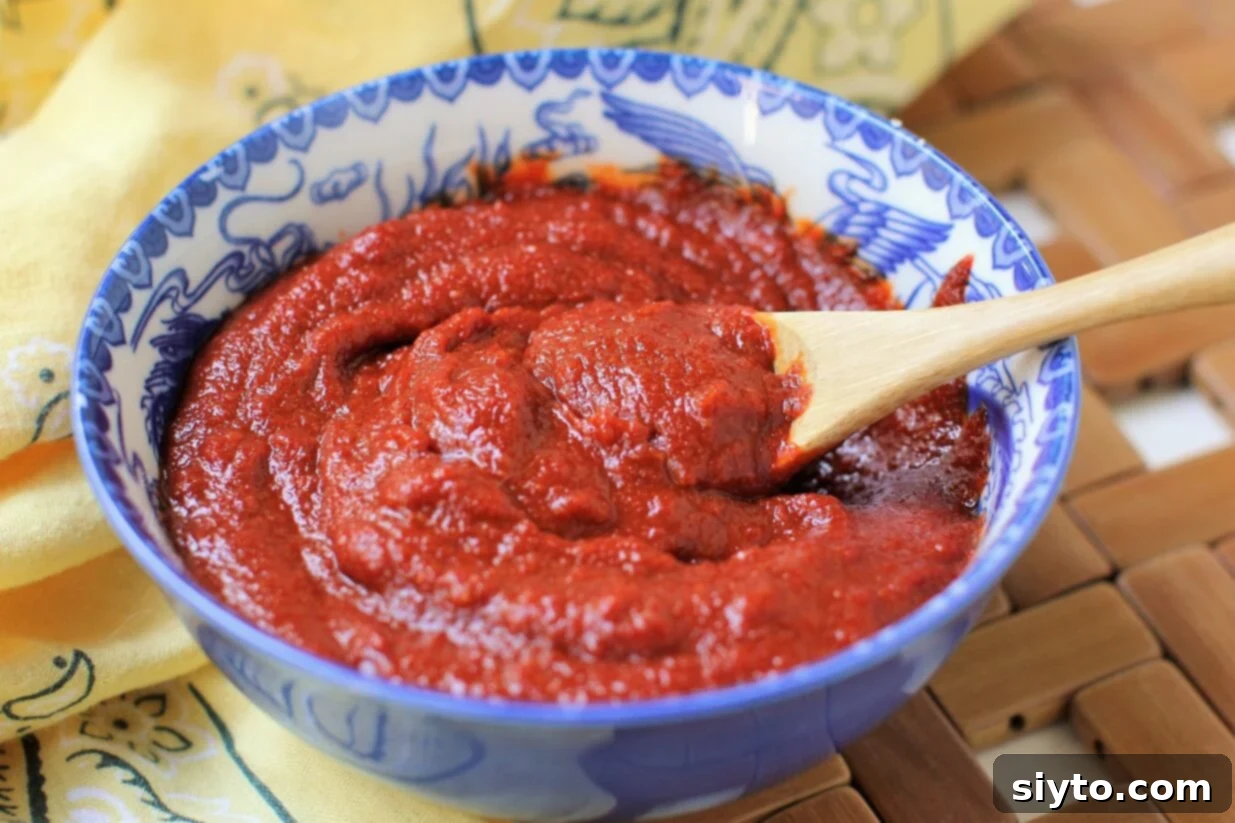
Homemade Shortcut Gochujang: Easy 5-Minute Korean Chili Paste (Gluten-Free!)
Unleash a vibrant blast of spicy, sweet, and umami flavor into your cooking with this incredible shortcut Korean gochujang paste. In just 5 minutes, and with a handful of readily available ingredients, you can whip up a batch of this versatile chili paste. It’s a delicious and surprisingly authentic stand-in for the traditionally slow-fermented variety, perfect for elevating a wide range of dishes, and it’s completely gluten-free!
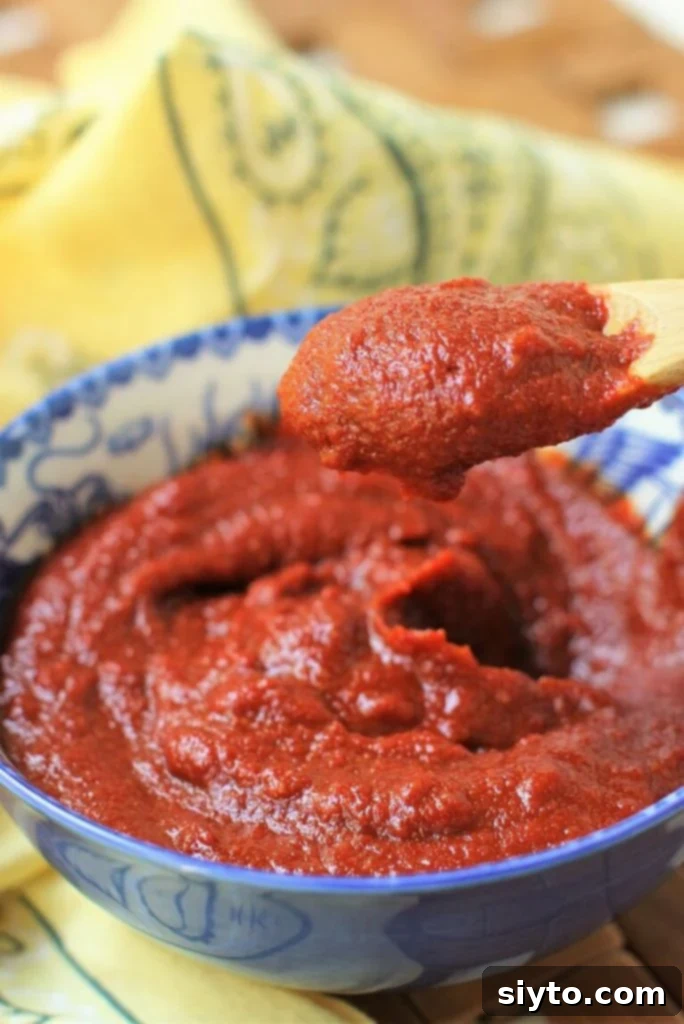
Gochujang, a staple in Korean cuisine, is renowned for its uniquely complex flavor profile. This fiery Korean chili paste delivers a delightful interplay of spicy, sweet, salty, and umami notes all at once. It’s a flavor bomb that will truly excite your palate with its distinctive sweet heat and robust kick. While indispensable in classic Korean dishes like bulgogi, bibimbap, and numerous rice, noodle, and pork preparations, its versatility extends far beyond, making it a fantastic addition to countless other culinary creations worldwide.
Traditionally, gochujang is a fermented paste, often found in distinctive square red tubs in Korean or larger Asian grocery stores. However, for those with dietary restrictions, particularly gluten intolerance, a quick glance at the ingredient list can be disappointing. Many commercial gochujang brands contain gluten in the form of barley malt and wheat. This discovery often leads home cooks to seek alternatives, and that’s precisely why creating a homemade, gluten-free shortcut gochujang became a mission in our kitchen. This sauce has since become an absolute favorite and a regular fixture in our household, proving that a delicious, authentic-tasting gochujang can be made without compromise.
The Magic of Fermentation vs. The Brilliance of a Shortcut
The traditional method for crafting authentic Korean gochujang paste is a fascinating and incredibly intricate process. It typically involves fermenting ingredients in special clay pots called jangdok for up to six months under direct sunlight. This initial fermentation might even be followed by several more years of closed fermentation, allowing the paste to develop its characteristic thick texture and incredibly complex, multi-layered spicy pepper flavor. This lengthy, time-honored process contributes to the deep umami and rich notes that define traditional gochujang, a testament to generations of Korean culinary heritage.
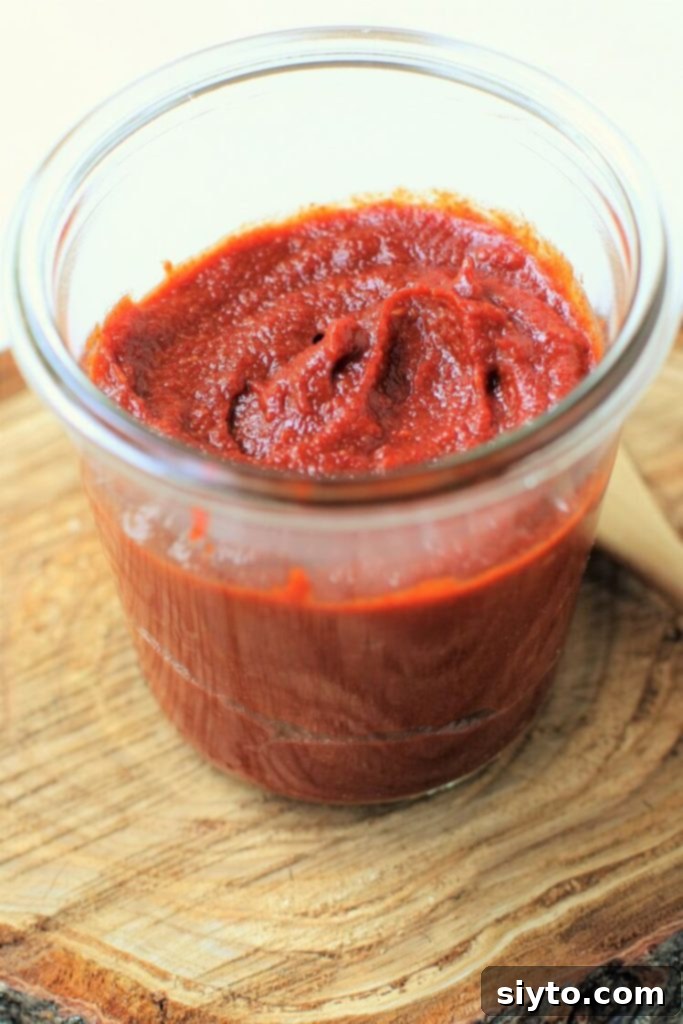
While the allure of traditional fermentation is undeniable, the reality of modern life often calls for quicker, more accessible solutions. The good news is that you can create a remarkably close and satisfying shortcut version of gochujang right in your own kitchen. Through experimentation with various ingredient combinations, we’ve perfected a recipe that captures the essence of gochujang’s unique flavor profile in mere minutes. The secret lies in using miso paste, a fermented soybean paste, which brilliantly provides that crucial funky, salty, and umami base note typically developed through months of fermentation. This ingenuity allows us to bypass the extensive waiting period without sacrificing the deep, savory foundation that makes gochujang so special.
Why Choose this Shortcut Gochujang Recipe?
- Lightning Fast: Ready in just 5 minutes, this recipe is perfect for busy weeknights or when you need a flavor boost in a hurry.
- Gluten-Free Assurance: Unlike many store-bought options, this homemade version is naturally gluten-free, provided you select a gluten-free miso paste (made from brown rice, chickpeas, or soy). This ensures everyone can enjoy its deliciousness without worry.
- Controlled Ingredients: You know exactly what goes into your paste. No artificial flavors, preservatives, or hidden ingredients.
- Customizable Flavor: Easily adjust the spice level, sweetness, or tang to perfectly suit your personal preferences.
- Versatility: Just like traditional gochujang, this shortcut paste is incredibly versatile, enhancing everything from marinades to stir-fries.
Crafting Your Own Shortcut Gochujang: The Key Ingredients
My particular recipe incorporates a few carefully selected ingredients to replicate the nuanced flavors of traditional gochujang. Honey provides the essential sweet note that accompanies the fermented heat, while a touch of rice vinegar adds a crucial tanginess. Freshly grated garlic contributes an aromatic depth, making every spoonful truly irresistible. Additionally, I’ve included a bit of sweet paprika. While not traditional, paprika, being another form of sun-dried powdered red pepper, helps to build a more rounded and complex flavor profile in this quick chili paste, harmonizing beautifully with the gochugaru.
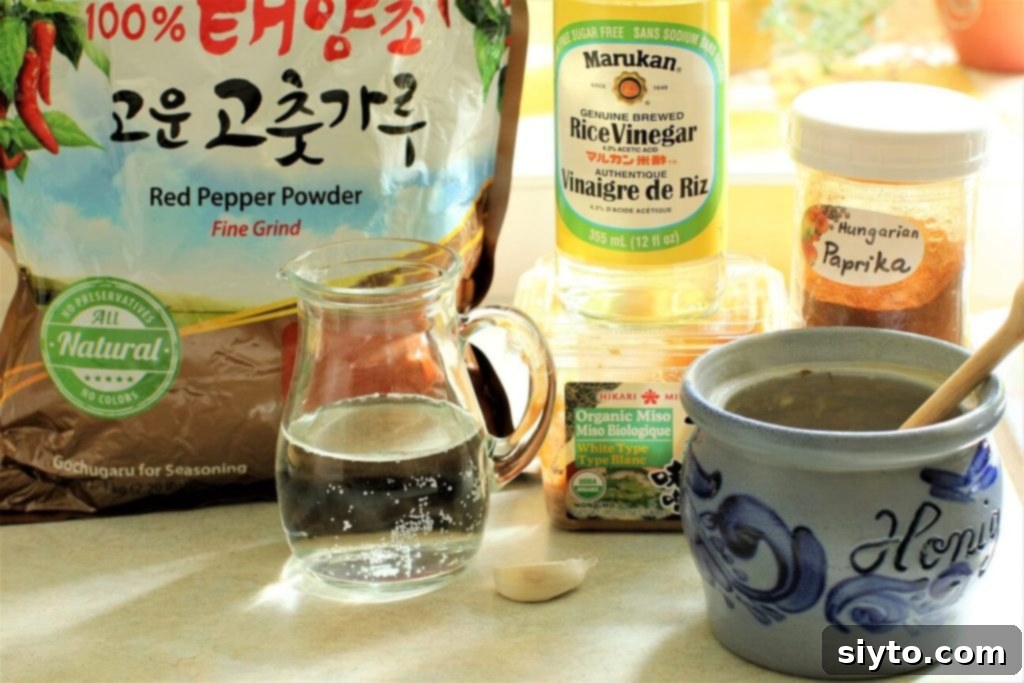
The star of any gochujang recipe is the Korean ground dried red chili pepper, known as gochugaru. This essential ingredient is widely available at Asian grocery stores (I often find mine at T&T) or can be conveniently ordered online. When purchasing gochugaru, you’ll notice it comes in two main forms: flakes (typically used for making kimchi) and a fine powder (ideal for seasoning and pastes). For this shortcut gochujang recipe, the fine powder is precisely what you need to achieve the desired smooth consistency and intense color. While still packing a fiery punch, Korean ground red chili pepper is generally milder than cayenne pepper, and it boasts a more nuanced, complex flavor profile that is crucial for authentic taste.
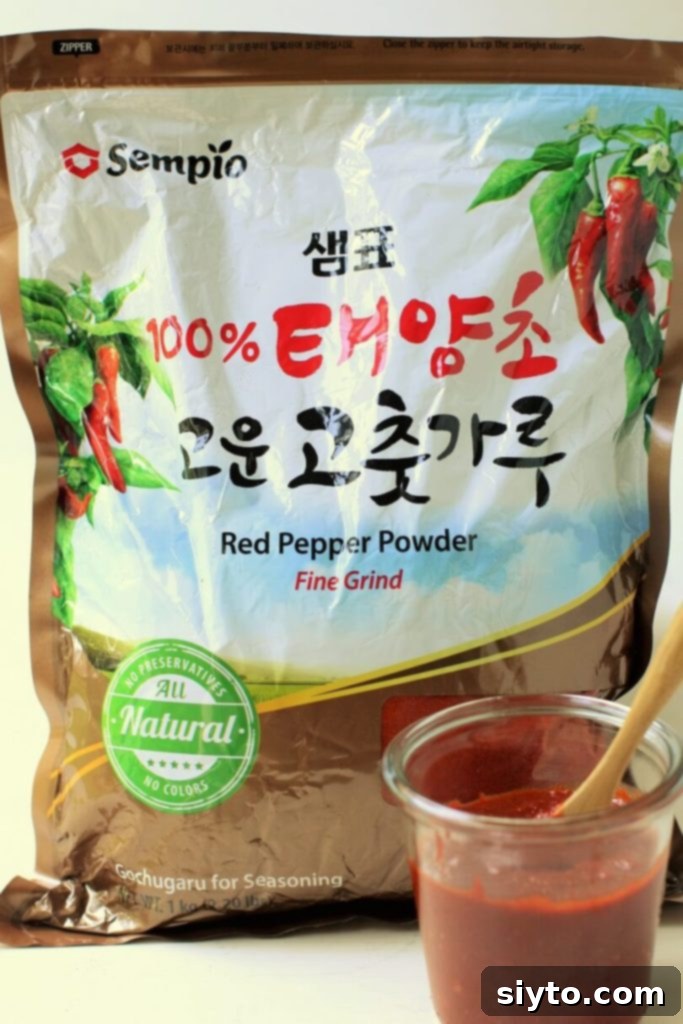
The true elegance of making your own shortcut gochujang lies in its sheer simplicity. Once you have gathered your ingredients, the process is incredibly straightforward: you simply measure out each component, combine them in a bowl, and then whisk everything together until a rich, vibrant, spicy red paste forms. It truly is that easy! In a matter of minutes, you’ll have a beautifully textured and deeply flavored gochujang ready to transform your meals.
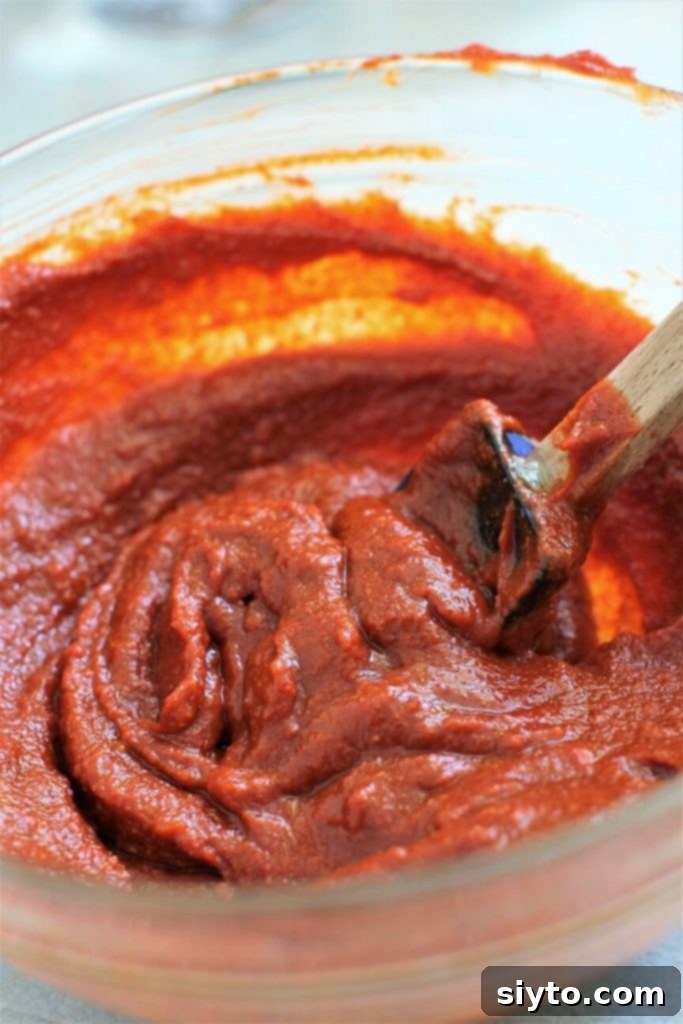
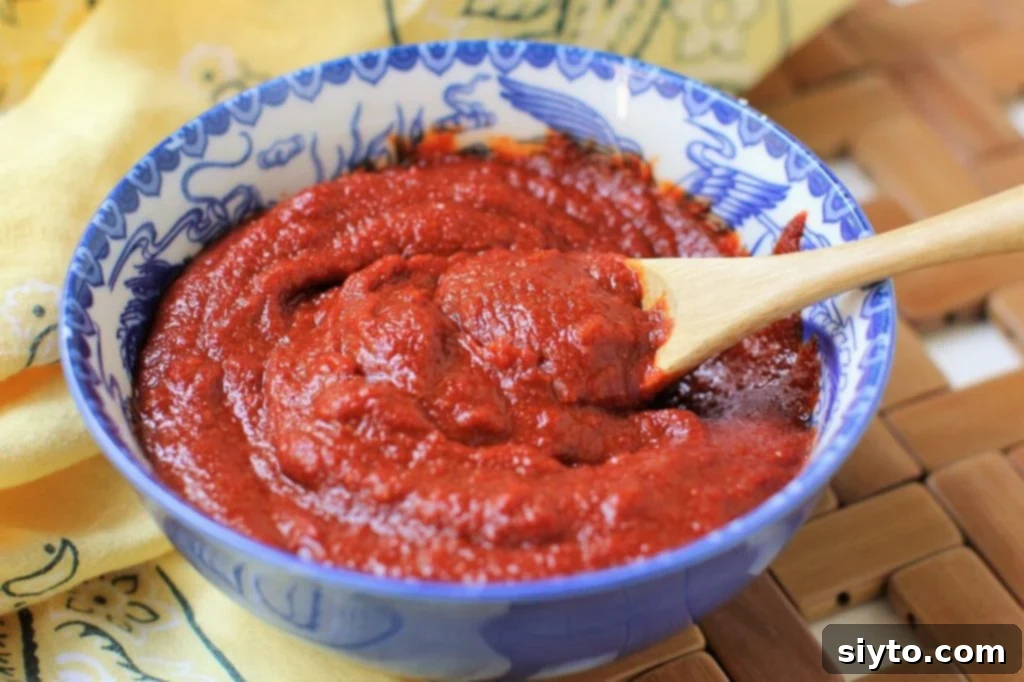
It’s truly that simple. In just a few moments, you’ll have a perfectly crafted homemade gochujang ready to use!
Creative Ways to Use Your Homemade Gochujang
While gochujang is traditionally employed as a foundational ingredient to flavor cooked dishes, its incredible depth makes it equally superb as a finishing sauce or condiment. Our homemade shortcut version is particularly delightful when dabbed onto food directly at the table, adding an amazing layer of complex flavor to every bite. Imagine a thin smear on your favorite sandwich for a deliciously spicy kick, or a generous spoonful alongside a juicy hamburger patty or grilled meats to elevate them to a lip-smacking new level. The possibilities are truly endless!
The complex, harmonious blend of spicy, sweet, salty, and umami in gochujang makes it a secret weapon in the kitchen, capable of adding a “WOW” factor to an astonishing array of dishes. Don’t limit yourself to just Korean cuisine – this versatile paste can transform flavors across global culinary landscapes:
- Marinades: Incorporate it into marinades for chicken, pork, beef, or tofu to infuse a spicy-sweet tang. Think gochujang chicken wings or pork belly.
- Soups and Stews: Stir a spoonful into brothy soups, hearty stews (like a quick kimchi jjigae), or rich gravies for an instant boost of savory heat.
- Meat Mixtures: Mix it directly into ground meat for meatloaf, meatballs, or hamburger patties, adding incredible depth and moisture.
- Spicy Spreads: Whisk some into mayonnaise or yogurt to create a delicious spicy sandwich spread, wrap sauce, or dip for fries and vegetables.
- Salad Dressings: Emulsify a little gochujang into your favorite vinaigrette for a vibrant and zesty salad dressing.
- Rice Bowls & Noodle Dishes: Stir it directly into rice bowls with your favorite toppings, or toss it with stir-fried noodles and vegetables for a quick and flavorful meal.
- Stir-fries: Use it as a base for stir-fry sauces, combining it with soy sauce, sesame oil, and ginger for a dynamic flavor.
- Braised Meats: Add it to the braising liquid for short ribs, pulled pork, or slow-cooked chicken to create rich, sticky, and deeply flavored results.
- Substitute for Other Hot Sauces: Use it anywhere you’d typically reach for sriracha or other hot sauces, such as on eggs, pizzas, or tacos, for a more nuanced flavor.
- Table Condiment: Simply serve it at the table as a condiment for dipping, drizzling, or spreading onto almost anything that needs a little extra punch.
This shortcut gochujang truly is the secret ingredient to adding an unforgettable ‘WOW’ to your everyday cooking!
* * * * *
Shortcut Gochujang, Easy Korean Chili Paste
Margaret Bose Johnson
Save to Pinterest
Ingredients
- 3 tablespoons fine gochugaru, Korean powdered hot red chili pepper (Goun Gochukaru 고운 고추가루)
- 1 tablespoon sweet paprika or 1 additional tablespoon gochugaru (for extra heat and depth)
- ¼ cup (4 tablespoons) gluten-free white miso paste
- 3 tablespoons honey
- 1 tablespoon rice wine vinegar
- 1 clove garlic, finely grated on a microplane or other grater
- ¼ cup (60ml) water, plus more if desired
Instructions
- Measure all the ingredients into a large bowl. Use a whisk to thoroughly combine everything until a smooth, uniform paste forms. Ensure there are no lumps of miso or gochugaru.
- If you prefer a thinner gochujang, add additional water, one tablespoon at a time, stirring well after each addition, until your desired consistency is reached. Transfer the finished paste into a small, clean glass jar with a tight-fitting lid.
- Store your homemade shortcut gochujang in the refrigerator, where it will remain fresh for up to 2 months. For longer storage, it can be kept in the freezer for up to a year without significant loss of flavor or texture.
- This recipe yields approximately ¾ cup (180ml) of delicious gochujang paste.
Notes
Types of Gochugaru: Korean ground chili pepper, gochugaru, is typically sold in two forms: coarse flakes and fine powder. The flakes are traditionally used for making kimchi, while the fine powder is essential for creating smooth pastes like gochujang. Ensure you purchase the finely ground powder for this recipe. If you only have the coarse variety, you can carefully grind it further in a coffee grinder or blender. When doing so, cover the blender with a towel and allow the chili dust to settle completely before opening, to avoid inhaling irritating particles. Often, gochugaru is sold in larger quantities (e.g., 1 kg bags) in Asian grocery stores, which can be more cost-effective than smaller online orders – consider splitting a bag with a friend if you don’t use it frequently!
Gluten-Free Miso: Always double-check that your miso paste is gluten-free. Many varieties are made without wheat or barley, commonly utilizing ingredients like chickpeas, brown rice, or soy. White miso is generally milder and sweeter, making it ideal for this recipe.
Adjusting Flavor: Feel free to adjust the sweetness or heat to your preference. Add a little more honey for a sweeter paste, or an extra pinch of gochugaru for more kick. A tiny dash of toasted sesame oil can also enhance the authentic Korean flavor profile.
Guten Appetit!
Want to receive new Kitchen Frau recipes directly to your email? Sign up here and you’ll get a handy and useful kitchen tip along with each recipe, too. (No spam ever.)
If you like my recipes, follow me on Instagram, Pinterest, Twitter, and Facebook. You’d make my day!
PIN IT HERE to save the recipe for later:
You might also like these homemade sauces and condiments:
- Zesty Chimichurri Sauce
- Rich Romesco Sauce
- Fresh Zucchini Salsa
- Vibrant Garlic Scape Pesto