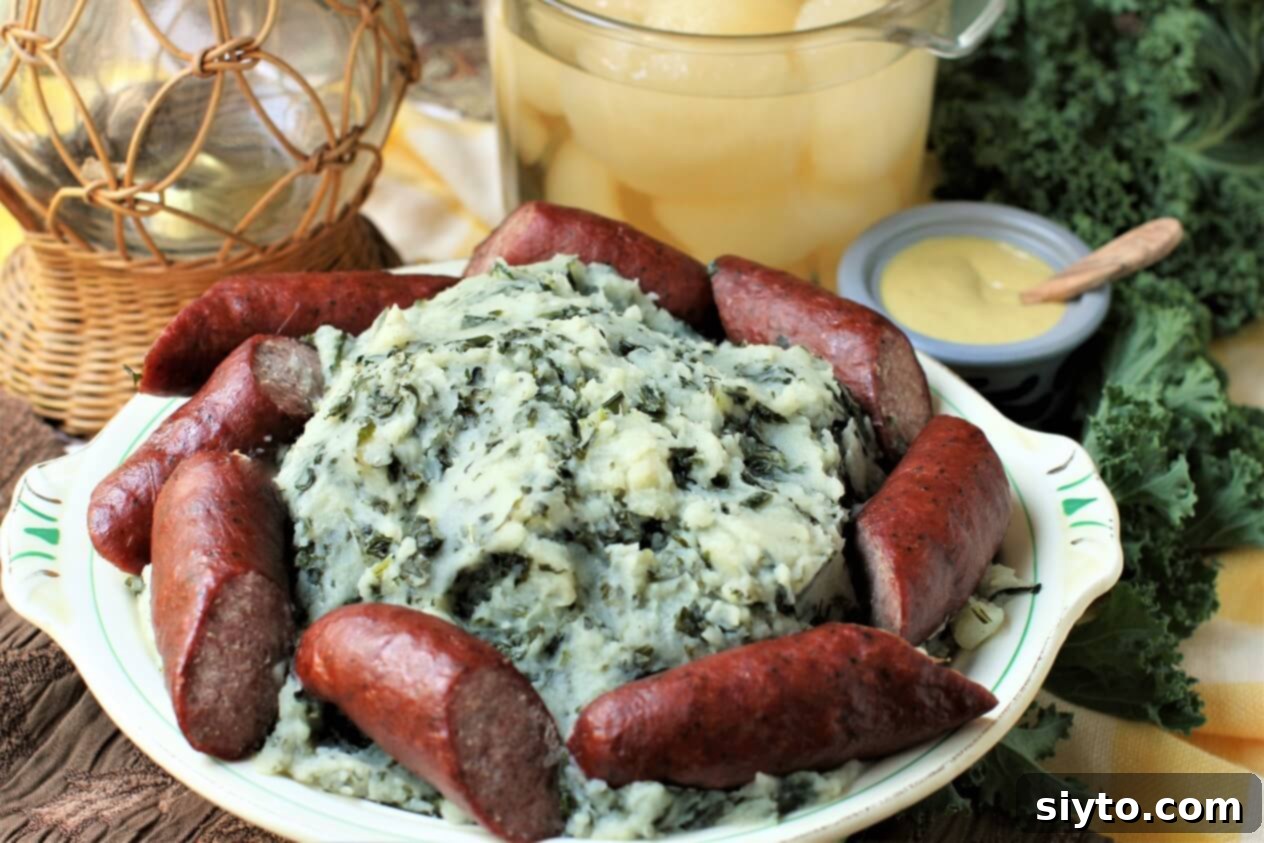
Boerenkool Stamppot: The Heartwarming Dutch Kale and Potato Mash with Smoked Sausage and Sweet Pears
Boerenkool Stamppot is more than just a meal; it’s a taste of Dutch heritage, a dish that truly embodies the essence of comfort food. This traditional Dutch staple combines creamy, flavorful mashed potatoes with vibrant specks of cooked kale, creating a robust and satisfying base. It’s typically served alongside smoky sausages, offering a delightful contrast in texture and taste. What truly sets this authentic version apart, however, is the unexpected yet utterly delicious addition of sweet pear halves, drizzled with their own syrupy juice. The entire dish comes together effortlessly in one pot, making it both a culinary delight and a practical weeknight dinner solution. (Jump to the detailed recipe.)
This month, our culinary journey with the Eat the World recipe challenge takes us to the enchanting Netherlands. Often mistakenly referred to as Holland by many English speakers, the Netherlands is a diverse and culturally rich nation. While Holland specifically refers to just two of its twelve provinces—Noord-Holland and Zuid-Holland—the country itself spans a beautiful landscape in Western Europe, extending even to a small cluster of islands in the Caribbean. I was particularly thrilled when the Netherlands was chosen, as it provided the perfect opportunity to share a beloved Dutch comfort food dish that has become a cherished part of my family’s cooking traditions: Boerenkool, a simple yet profoundly satisfying mashed potato and kale creation served with sausages.
My formative years were spent on our family’s sugar beet farm in the picturesque southern Alberta. It was a wonderfully multicultural community, home to German, Japanese, and a significant number of Dutch farming families. You could always distinguish a Dutch farm by its immaculate appearance: beautifully maintained flowerbeds bursting with color, freshly painted barns, and spotless gravel yards in the center of the buildings, free of weeds or stray dirt, perfect for machinery and vehicles. The farmhouses often featured delicate lace curtains in the windows, and it wasn’t uncommon to see pairs of traditional wooden shoes neatly lined up by the front door. These meticulously kept farmyards exuded an undeniable aura of warmth and welcome, perfectly mirroring the friendly and hospitable nature of the Dutch people themselves.
Just a short drive down our country road lived a Dutch family whose daughter, Marylene, became one of my dearest friends during junior high. We shared daily bus rides, though we attended different schools—she at the Catholic school in town, and I at the public one. After school, we’d often bike to each other’s houses, spending countless hours in imaginative play, having sleepovers, and embarking on childhood adventures. I particularly loved visiting her house, not because our home lacked good food, but because hers offered exciting new flavors and experiences that captivated my young teenage palate. Her mother, a wonderful cook, would often treat us to after-school snacks of oliebollen—delicious balls of dough fried to a crispy golden perfection and then generously dusted with a snowy layer of icing sugar—or decadent homemade chocolate spread slathered onto slices of toasted homemade white bread. These simple culinary delights created lasting memories and introduced me to the rich tapestry of Dutch home cooking.
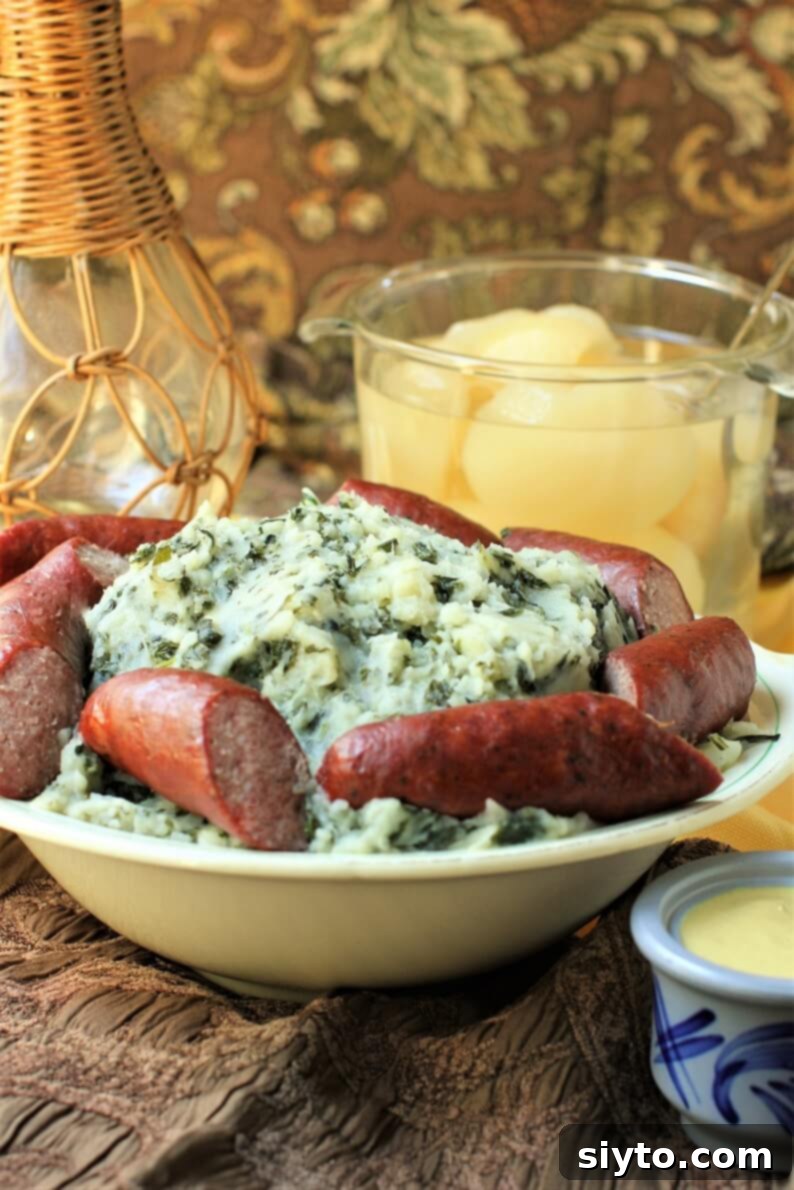
What is Boerenkool and How Do You Enjoy This Classic Dutch Comfort Food?
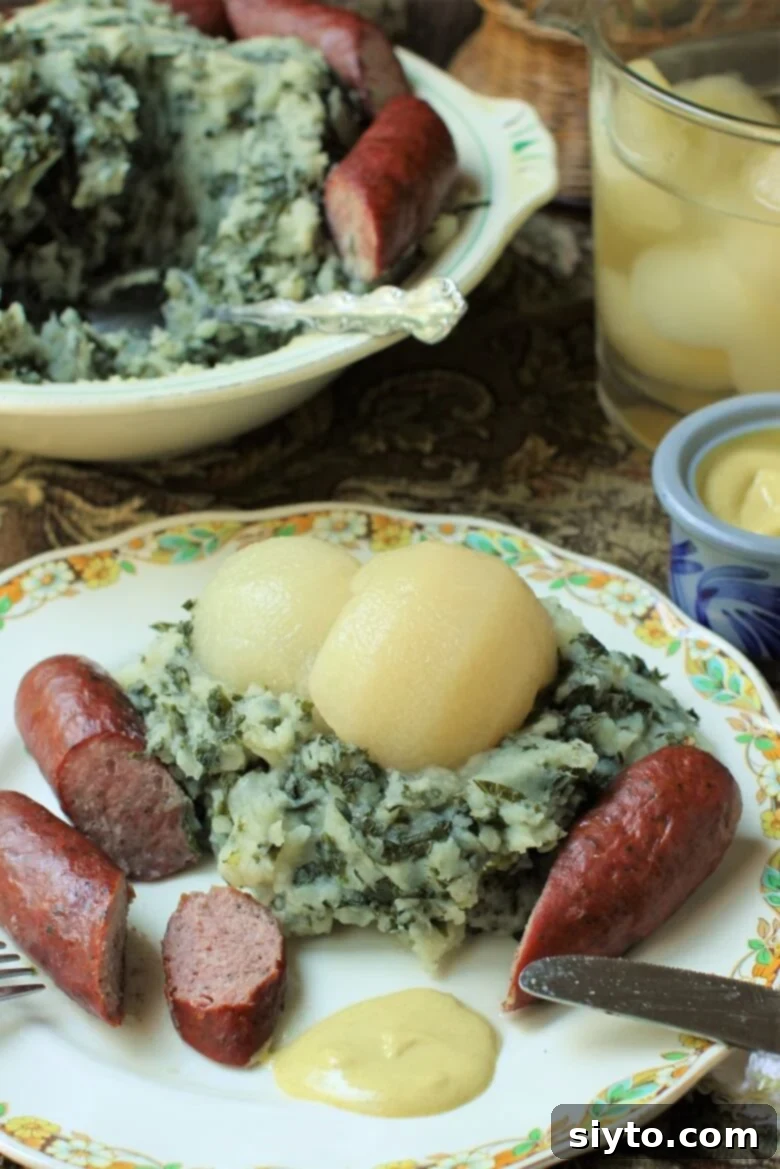
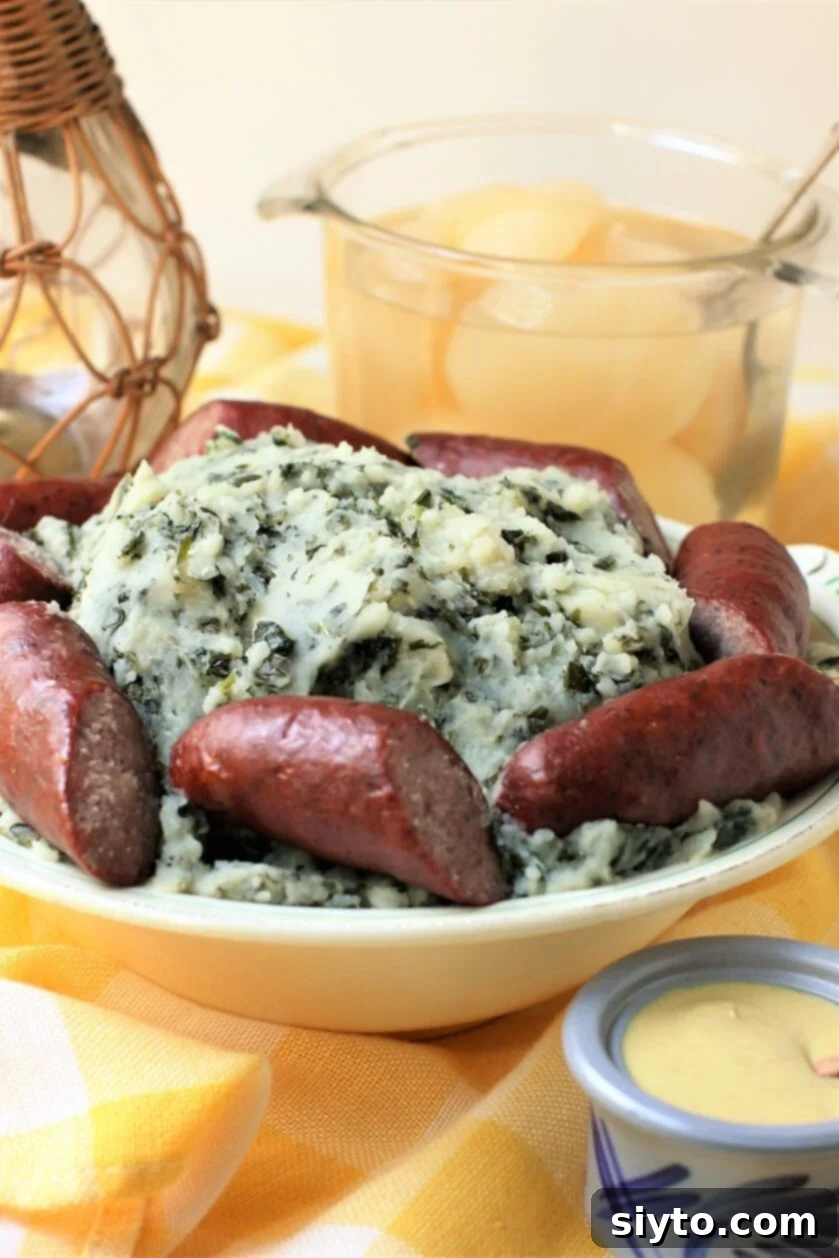
Among the many memorable meals I savored at Marylene’s house was a dish simply called Boerenkool, which translates literally to ‘farmer’s cabbage’ (the word is also the Dutch name for kale itself). This hearty Dutch mashed potato and kale dish, served with delicious sausages, was incredibly tasty and deeply comforting. Marylene’s mom always presented it with home-canned sweet pear halves, a unique and surprisingly delightful combination that intrigued me from the first bite. Our ritual involved mounding a generous portion of the green-flecked mashed potatoes onto our plates, arranging a few savory sausages and a dab of pungent mustard on the side. Then, we’d carefully create a crater in the center of our potato mountain, filling it with the sweet pear halves and a generous pour of their accompanying syrup. This golden syrup would gently cascade down the sides, creating sweet rivers that mingled perfectly with the savory potatoes and sausages. The pear juice, I discovered, added just the right light, fruity sweetness to expertly balance the slight bitterness of the kale and the inherent saltiness of the sausages. It was a harmonious blend of flavors and textures—a true comfort and a delightful surprise in every mouthful.
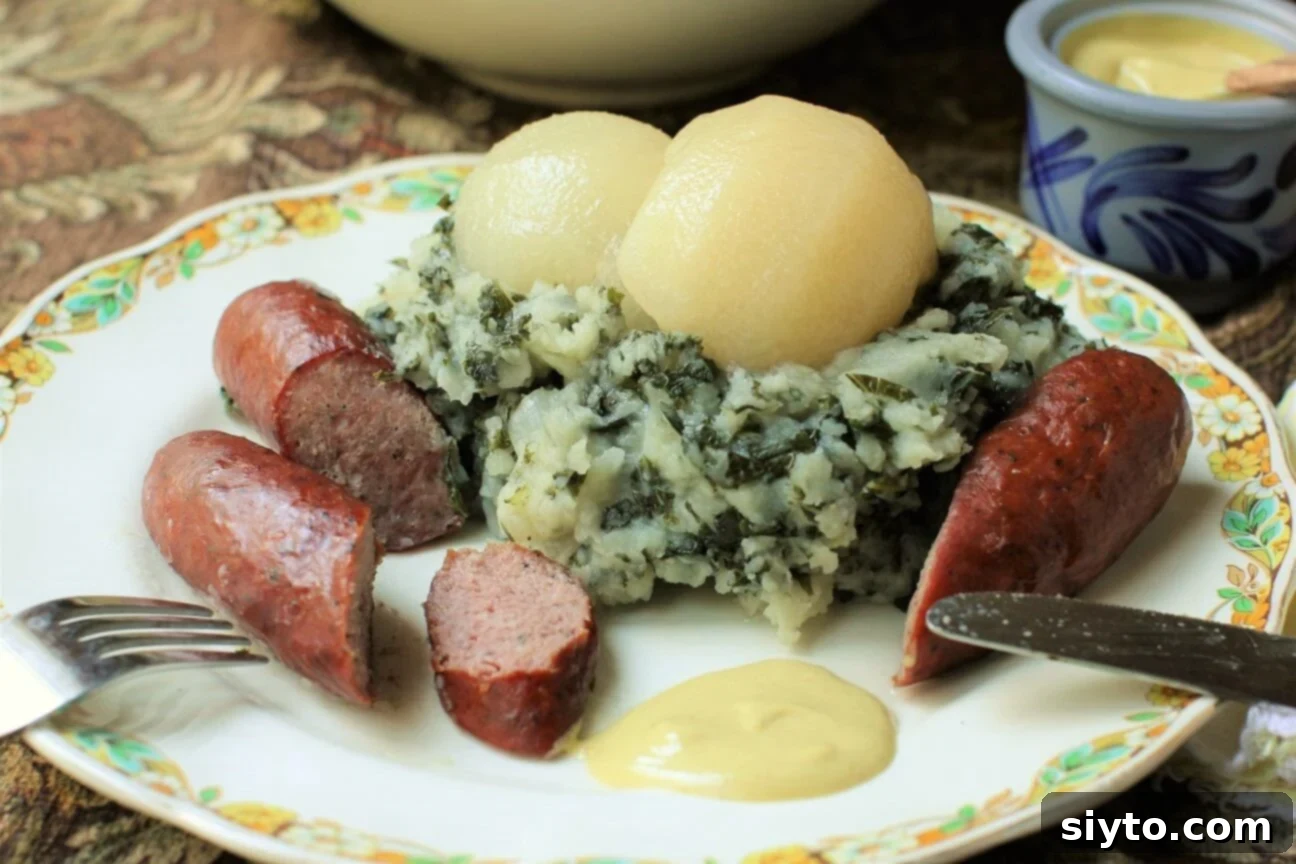
I later learned that this delicious and satisfying dish is a specific version of a Stamppot. The word “Stamppot” translates to ‘hodgepodge’ or ‘mashed pot,’ accurately describing a common and versatile category of dishes in the Netherlands. These typically consist of potatoes mashed together with various other vegetables such as sauerkraut, spinach, carrots and onions, or, as in this delightful instance, hearty kale. Stamppot is a staple in Dutch households, especially during colder months, due to its filling nature and ease of preparation.
Inspired by Marylene’s mother, I convinced my own mom to get the recipe for this wonderful dish, and soon, Dutch Boerenkool became a regular feature on our family dinner table, adding a unique and flavorful thread to our culinary patchwork. As I grew older, left home, and started my own family, I continued the tradition, regularly cooking this wholesome meal. To this day, it remains a cherished favorite, bringing warmth and flavor to our kitchen, just as it did in my childhood.
Embrace the Season with Delicious Boerenkool Stamppot
As the days grow shorter and the crisp autumn air signals the arrival of cooler weather, my cravings naturally turn to hearty, belly-warming comfort foods like Boerenkool. This time of year is perfect for it, especially with the kale in my garden growing lush and glorious, its vibrant green leaves practically calling my name. There’s something incredibly satisfying about harvesting fresh, tender kale and bringing it straight into the kitchen to transform it into this wholesome dish. The seasonal bounty of fresh produce truly elevates the flavors of this classic Dutch recipe, making it an ideal meal to nourish and comfort during the changing seasons.
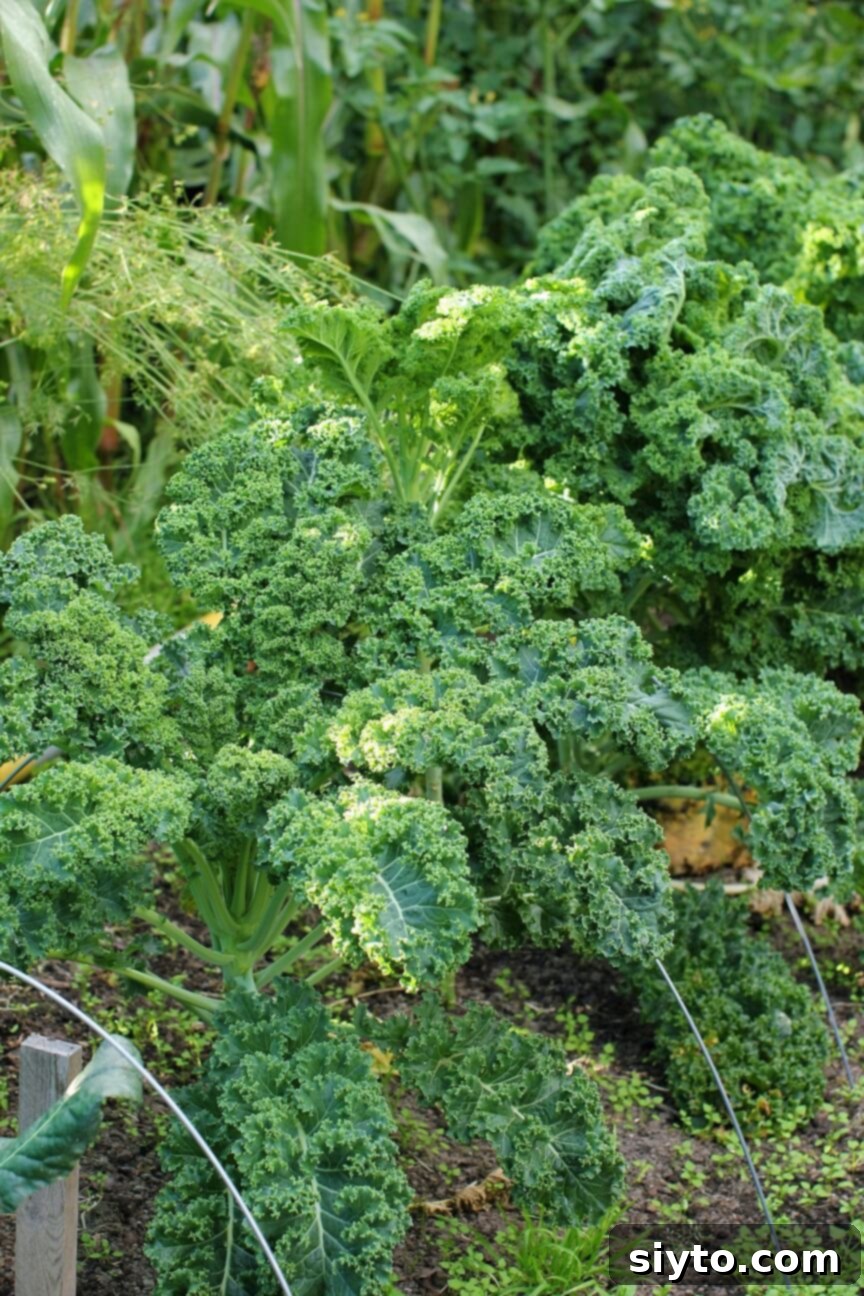
For this particular batch of Boerenkool, I utilized new potatoes straight from the garden. These fresh, young potatoes tend to be lighter and hold more water than their mature counterparts, which gave the mash a slightly less white appearance in the photographs, but didn’t detract from the delicious, earthy flavor. The beauty of this recipe lies in its adaptability; while garden-fresh ingredients are wonderful, readily available store-bought produce works just as well.
With just a few simple, wholesome ingredients and a modest amount of cooking time, you can bring this incredibly flavorful and satisfying Dutch comfort food dish to your family’s table. It’s a testament to how uncomplicated ingredients can create something truly extraordinary and deeply comforting.
* * * * *
Kitchen Frau Notes: The traditional way we learned to prepare Boerenkool from our Dutch neighbors involved cooking the kale, onions, and sausages together for an extended period until the kale became exceptionally tender. The potatoes were then cooked separately and mashed together with the softened kale, served alongside the sausages and pears. However, upon researching various authentic recipes (as I hadn’t formally written down the original family method), I discovered that many modern versions advocate for a simpler, one-pot method where everything cooks together. I experimented with this approach for the recipe shared here and found it significantly quicker and more straightforward, although the kale retains a slightly more ‘al dente’ or toothsome bite. If you prefer your kale incredibly soft, you can certainly revert to cooking it separately for a longer duration before mashing. Another convenient option, if fresh kale isn’t available, is to use canned kale; simply drain it, then mash it with the potatoes, butter, and seasonings, serving it as usual with sausages, mustard, and pears. The key is to achieve that delightful balance of flavors and textures, whether through traditional methods or a more streamlined approach.
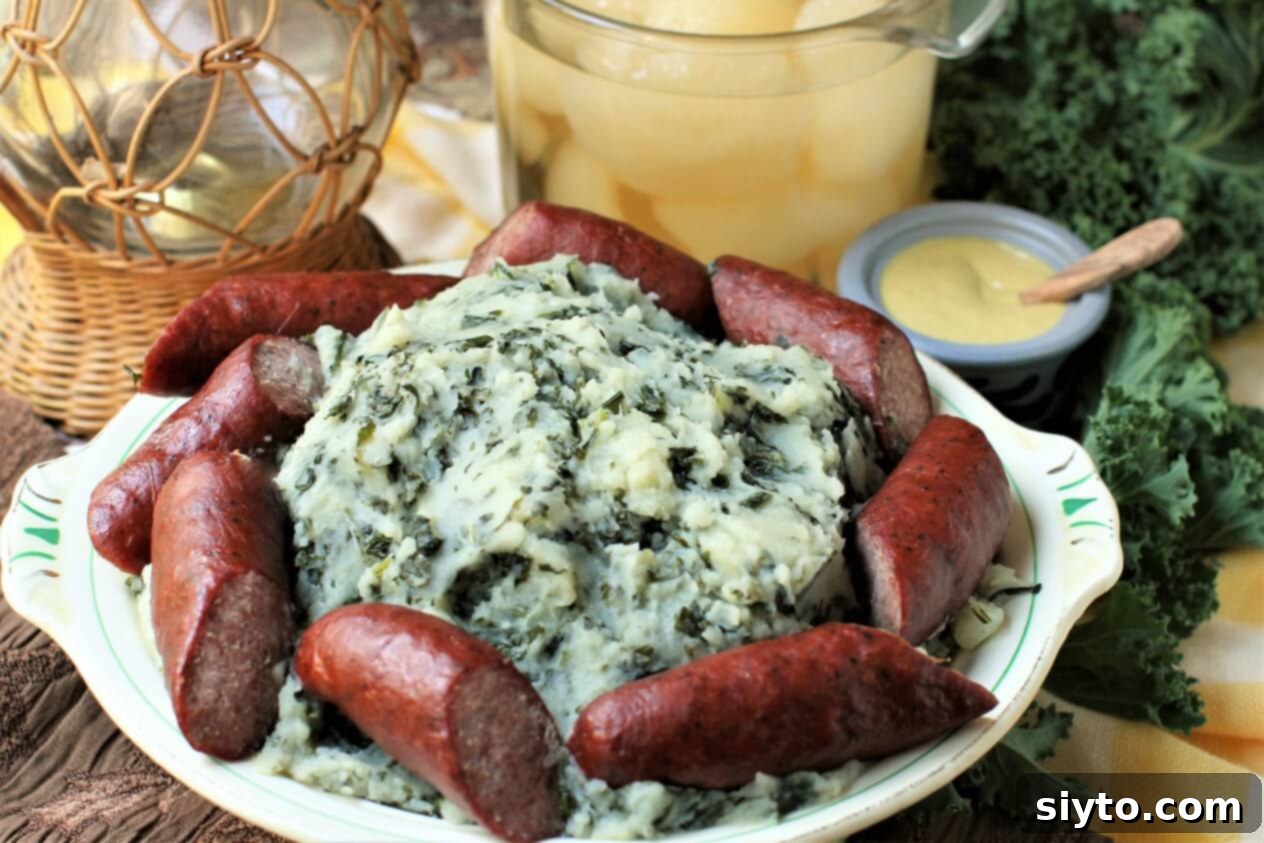
Boerenkool Stamppot (Dutch Kale-Potato Mash)
- 8 medium potatoes (approximately 3 lbs / 1.4 kg)
- 1 large onion, diced (about 2 cups)
- 1 bay leaf
- 2 cups water
- 2 bunches of kale (about 1 lb / 450 grams / 12-14 large leaves), stems removed, finely chopped, lightly packed
- 1 lb (450 grams) smoked sausage: traditional rookworst, bratwurst, kielbasa, or your preferred variety (ensure it’s gluten-free if necessary)
- ¼ cup (115 grams) unsalted butter
- ¼ teaspoon black pepper
- ¼ teaspoon ground nutmeg (optional, but highly recommended for authentic flavor)
- ¾ – 1 teaspoon sea salt (to taste)
- 2 cans (400 ml / 14 oz each) pear halves in light syrup, or an equivalent amount of home-canned pears
- Mustard for serving (Dijon or a coarse-grain variety works well)
Instructions:
Peel the potatoes and cut them into halves, or quarters if they are particularly large. Place the cut potatoes into a large, heavy-bottomed pot. Add the diced onion and the bay leaf, then pour the 2 cups of water over the potatoes. This liquid will steam the vegetables and infuse them with flavor.
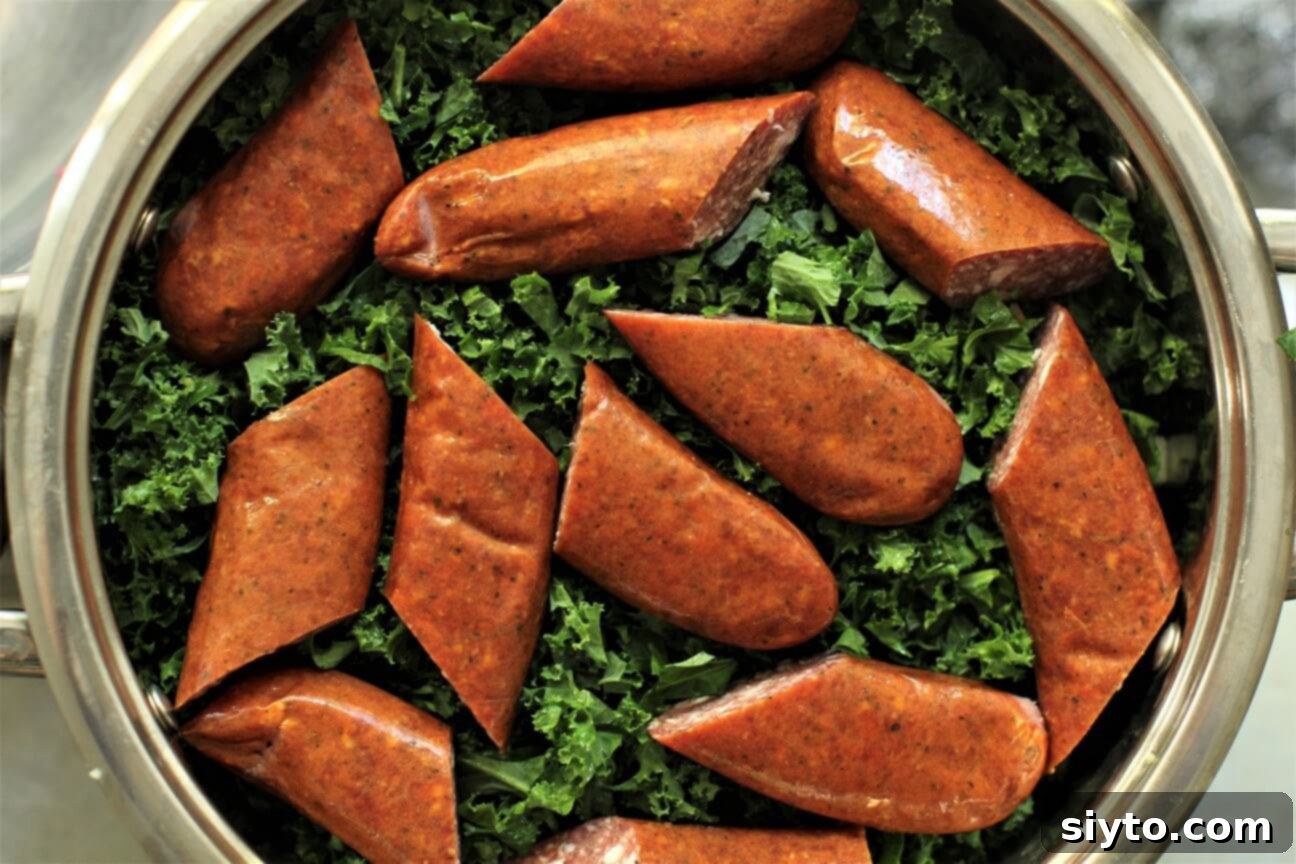
Prepare the kale by cutting or tearing the leaves away from their thick central ribs. Gather a handful of the destemmed leaves and press them together into a compact ball. Finely slice through this ball to create thin ribbons. Once you have a pile of ribbons on your cutting board, chop through the pile coarsely again to break the longer ribbons into smaller, more manageable bits. Pile the finely chopped kale directly on top of the potatoes in the pot.
Cut the smoked sausage links into 2 or 3-inch (5-7 cm) pieces. Arrange these sausage pieces on top of the kale layer in the pot. Cover the pot tightly with a lid.
Bring the contents of the pot to a vigorous boil over high heat. Once boiling, reduce the heat to medium-low and allow everything to simmer gently. Continue cooking for approximately 25 minutes, or until the potatoes are tender when pierced with a fork and the kale bits have softened nicely.
Carefully drain the pot, making sure to reserve the cooking water. Remove the cooked sausage pieces, scraping off any large bits of kale that might be clinging to them. Place the sausages into the reserved draining water to keep them warm while you mash the potatoes.
Add the butter, pepper, optional nutmeg, and ¾ teaspoon of salt to the potatoes and kale in the pot. Using a potato masher, begin to mash the ingredients until they are well broken down and thoroughly mixed. The potatoes don’t need to be perfectly smooth; a slightly rustic texture is desirable for Stamppot. As you mash, remove the bay leaf if you come across it. If your potato masher has holes, you may need to periodically scrape out any kale that gets caught in them. If the Boerenkool appears too dry, add a splash or two of the reserved cooking water or a bit of milk until it reaches your desired consistency. Taste the mixture and add the remaining ¼ teaspoon of salt, or more, if needed to enhance the flavors.
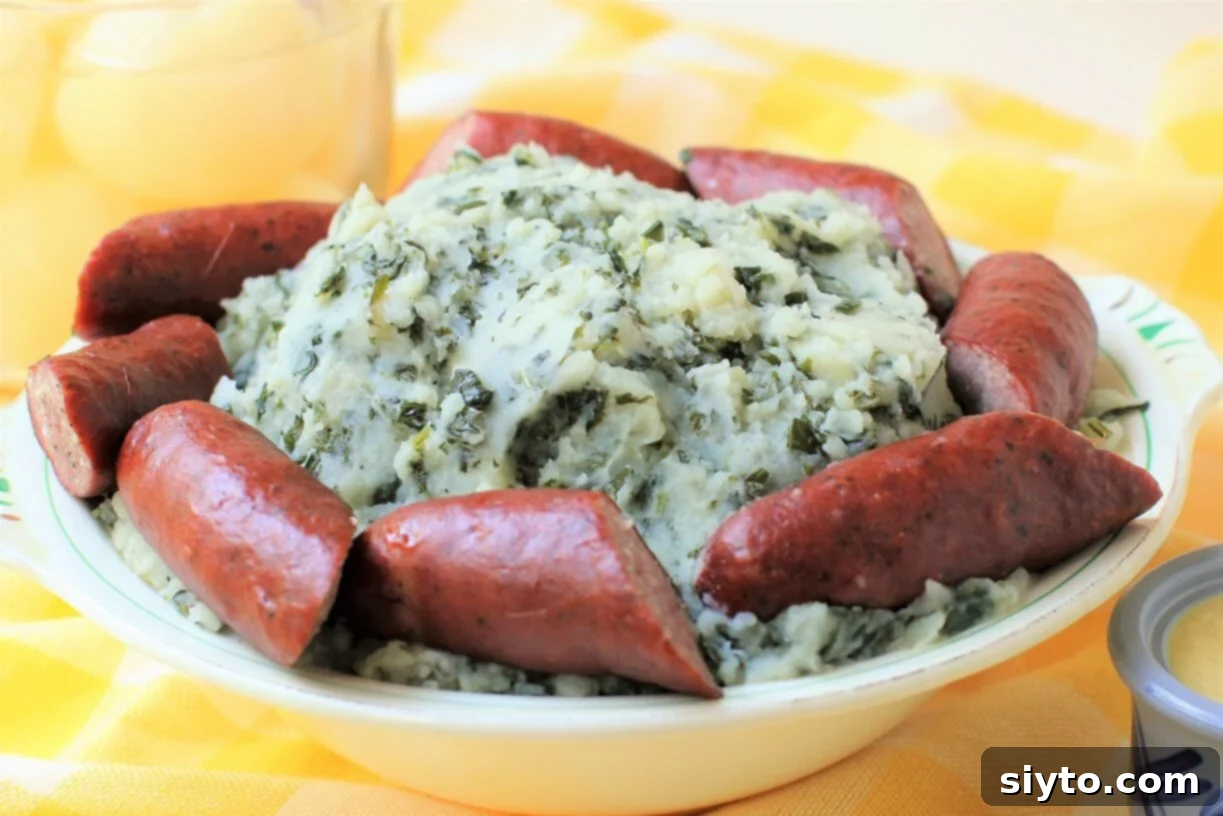
Spoon the prepared Boerenkool into a large serving bowl or arrange it attractively on a serving platter. Remove the sausages from the warm cooking water and arrange them around the edges of the mashed mixture.
Transfer the canned pear halves, along with their light syrup, into a separate serving bowl. It’s best to serve the pears at room temperature to fully appreciate their sweetness.
To Serve: Each diner makes a generous pile of the Boerenkool on their plate, topping it with two pear halves and a few spoonfuls of the pear juice. The savory sausages are served on the side, ready to be enjoyed with a dab of tangy mustard. This combination creates a delightful interplay of creamy, savory, and sweet flavors.
This recipe proudly serves 4 hungry individuals.
Eet Smakelijk! (Enjoy Your Meal!)
Don’t forget to explore all the wonderful Dutch dishes prepared by my fellow Eat the World members and share your culinary adventures using the hashtag #eattheworld. Click here to find out how to join our global cooking community and embark on a delicious journey exploring a new country’s cuisine each month with us!
Here are some more fantastic Dutch creations from our challenge participants:
- Culinary Adventures with Camilla: Memories of Holland, Dutch Traditions, and Sailboat Speculaas
- Pandemonium Noshery: Mosterdsoep – Dutch Mustard Soup
- Amy’s Cooking Adventures: Dutch Farmer’s Cheese Soup (Boerenkaas Soep)
- Sugarlovespices: Dutch Apple Tart, Hollandse Appeltaart
- Making Miracles: Hutspot met Gehaktballen (Dutch Mashed Potatoes and Carrots with Meatballs)
- Sneha’s Recipe: A Small Batch Bitterballen
- Chef Mireille: Ontbijtkoek – Dutch Spice Cake
- Kitchen Frau: Boerenkool Stamppot (Dutch Mashed Potatoes and Kale with Sausage and Pears)
- A Day in the Life on the Farm: Hachee
Want to receive new Kitchen Frau recipes directly to your email inbox? Sign up here and you’ll also get a handy and useful kitchen tip along with each recipe. (We promise, absolutely no spam ever!) Leave us a comment below and let us know what you think of this recipe!
If you enjoy my recipes and culinary explorations, please consider following me on social media: Instagram, Pinterest, Twitter, and Facebook. Your support truly makes my day!
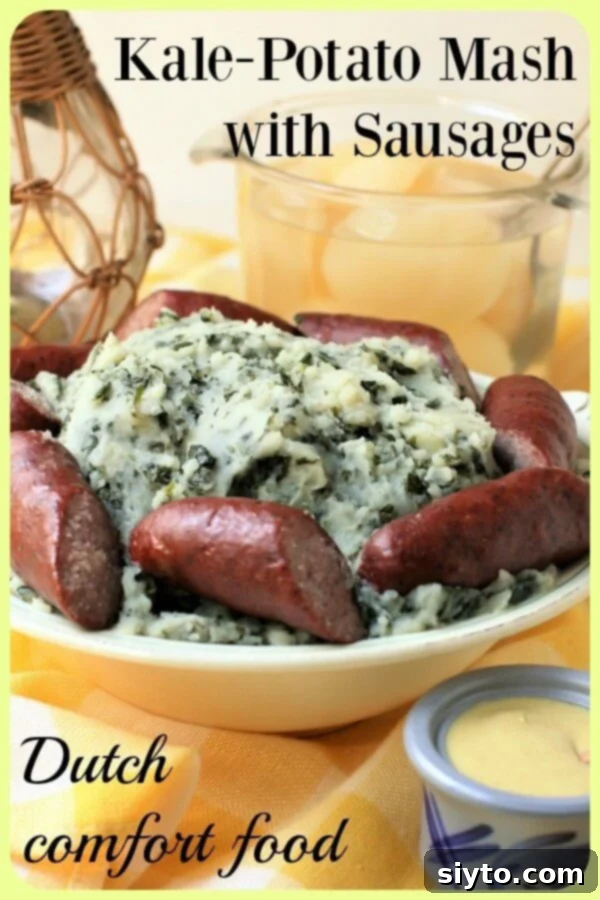
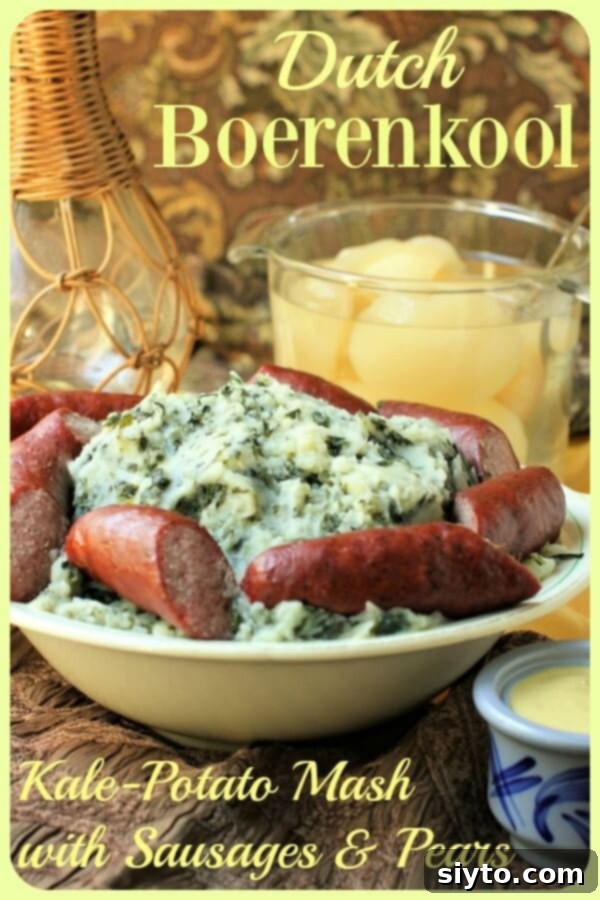
PIN IT HERE to save this delicious Boerenkool Stamppot recipe for future cooking inspiration:
Explore More Global Flavors: My Past ‘Eat the World’ Recipe Challenge Posts
(In alphabetical order, a journey through international cuisine):
- Argentina: Red Chimichurri Sauce
- Bangladesh: Chingri Masala (Shrimp Curry)
- Bulgaria: Patatnik (Savoury Potato and Cheese Pie)
- Cambodia: Noum Kong (Cambodian Rice Flour Doughnuts)
- Colombia: Pan de Yuca (Warm Cheese Buns)
- Egypt: Fava Beans and Feta
- England: Gluten Free Fish and Chips and Mushy Peas
- Ethiopia: Four Ethiopian Recipes for a Fantastic Feast
- Fiji: Spiced Sweet Potato and Banana Salad
- Finland: Lohikeitto (Creamy Salmon, Potato, and Dill Soup)
- France: Axoa d’Espelette (A Simple Stew from the Basque Country)
- Georgia: Charkhlis Chogi (Beets with Sour Cherry Sauce)
- India: Kerala Upma (Fluffy, Kerala Style Breakfast Upma Recipe)
- Iraq: Tepsi Baytinijan (Eggplant & Meatball Casserole)
- Ireland: Dublin Coddle (A tasty Sausage and Potato Stew)
- Israel: Cucumber, Feta, and Watermelon Salad
- Kenya:Maharagwe with Ugali (Red Beans with Cornmeal Slice)
- Mexico: Cochinita Pibil Tacos (Pit Barbecued Pig to Make in Your Oven)
- New Zealand: Classic Pavlova
- Poland: Polish Honey Cake
- Portugal: Tuna and Sardine Pâtés
- Puerto Rico: Piña Colada Cocktail
- Senegal: Mafé (Beef and Peanut Stew)
- Sweden: Swedish Meatballs with Cream Gravy
- Switzerland (Christmas): Basler Leckerli Cookies
- Thailand: Shrimp Laksa (Khung)
- Trinidad & Tobago: Peanut Butter Prunes
- Ukraine: Buckwheat Kasha with Beef
- United States (Soul Food): Smothered Pork Chops