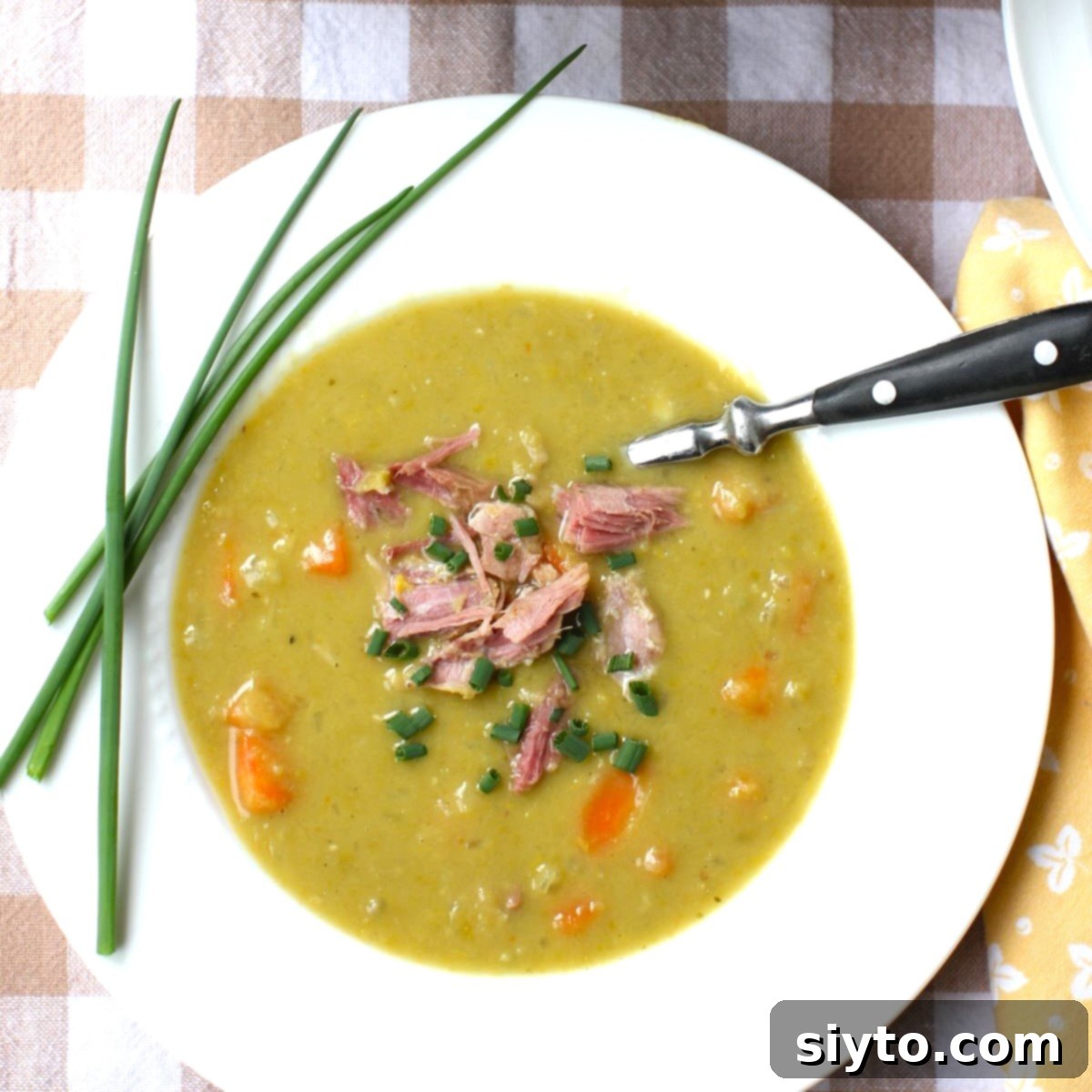
Hearty & Easy Classic Split Pea Soup with Ham: A Comfort Food Tradition
There’s nothing quite like a steaming bowl of homemade split pea soup to warm your soul and bring a smile to your face. This timeless recipe is incredibly simple, relying on the magic of slow simmering to transform humble ingredients into a rich, velvety, and deeply satisfying meal. Just combine everything in one pot, let it bubble away, and enjoy the enticing aromas that fill your home.
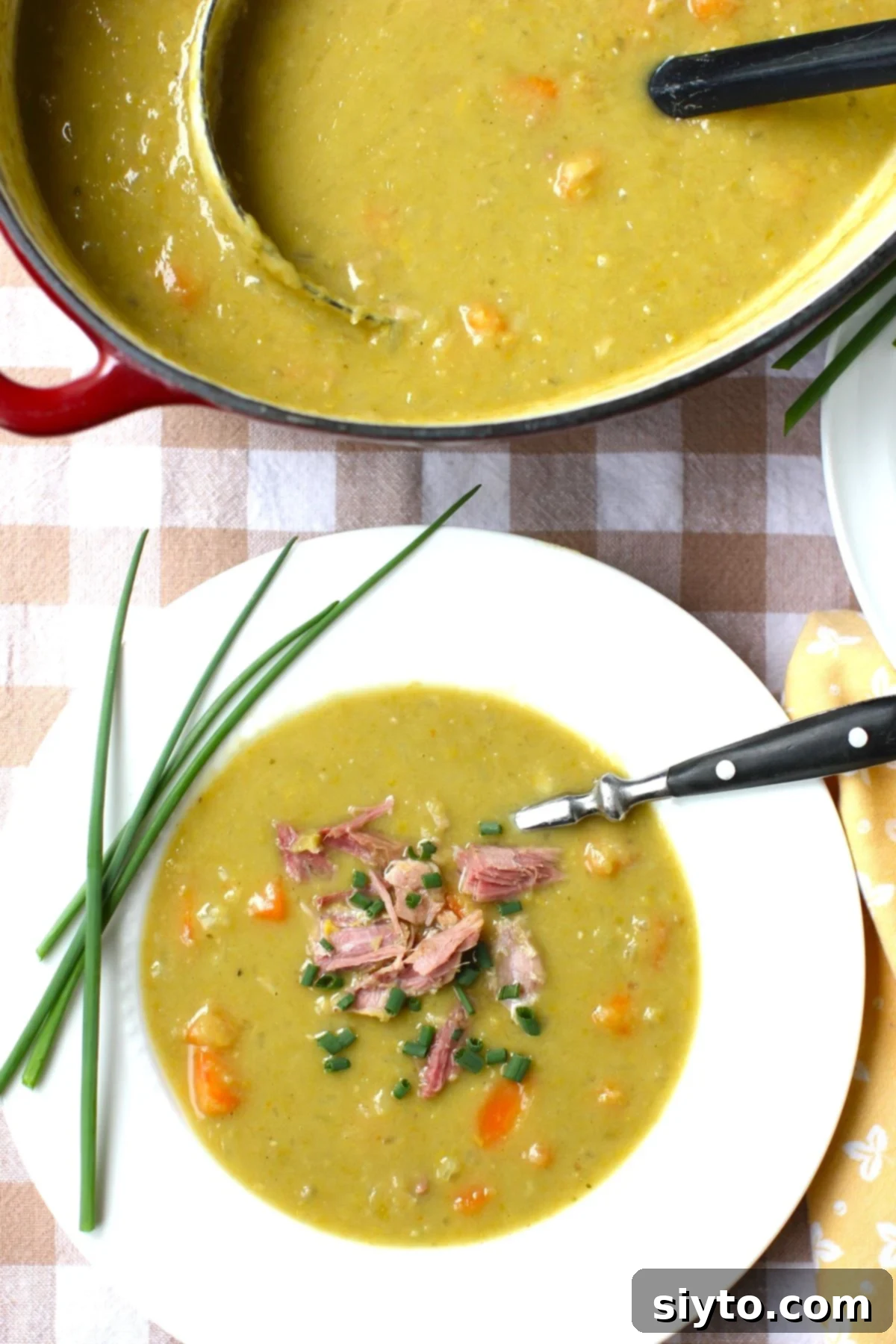
On a cool, rainy day, when the garden calls for a break and indoor coziness is paramount, a bubbling pot of soup on the stove is pure bliss. The alluring aroma of simmering split pea soup, wafting through the air, evokes cherished childhood memories for many. This classic, often associated with home and family, is remarkably one of the easiest soups to prepare. It truly only demands a bit of time and a whole lot of love to achieve its comforting perfection.
Unlike many other soup recipes that require a series of intricate steps, this split pea soup method embraces delightful simplicity. There’s absolutely no need for pre-sautéing vegetables, painstakingly puréeing ingredients, or thickening a broth separately. Instead, you merely chop the essential components, toss them all into a pot, and allow them to slow-cook together. This extended simmering time is crucial, as it enables the ingredients to meld beautifully, creating an aromatic pot of silky richness. The dried split peas dissolve into a creamy, hearty base, infused with savory, rich pork flavors from the ham bone. Complementary vegetables and aromatic herbs contribute natural sweetness and a delightful complexity, culminating in a truly delightful culinary symphony.
This beloved classic has remained a staple in kitchens around the world for generations, and for very good reason. It’s not just simple to make; it’s deeply nourishing, incredibly economical, and profoundly comforting, offering a warm embrace in every spoonful.
Essential Ingredients for Your Perfect Split Pea Soup
Crafting a truly memorable split pea soup begins with a few straightforward ingredients. Each component plays a vital role in building the soup’s characteristic flavor and texture. Here’s what you’ll need to gather:
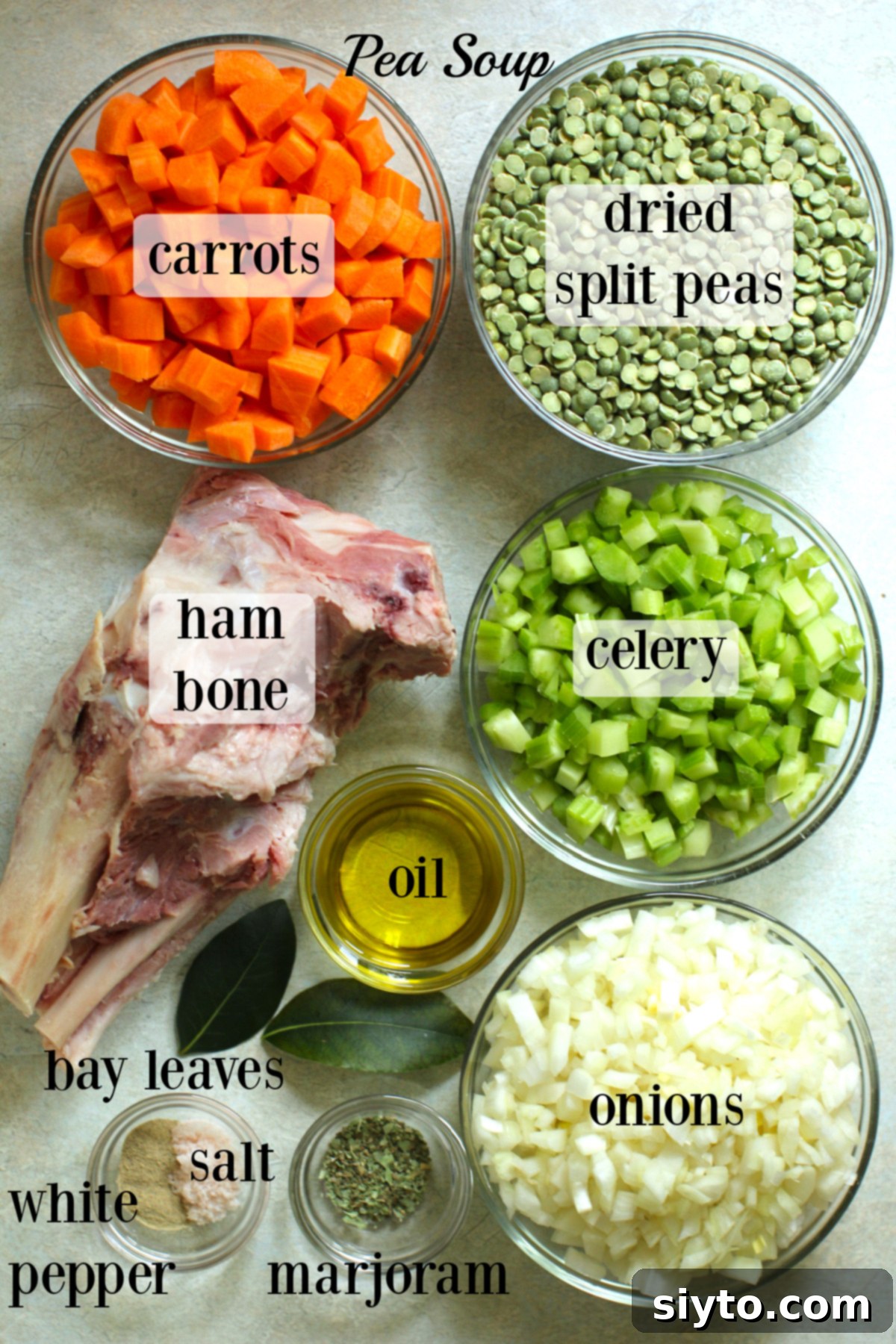
- A robust, meaty ham bone or a couple of smaller ones, totaling approximately 1½ lbs (700 grams) or more. This is the cornerstone of the soup’s rich, smoky flavor. Don’t discard ham bones after holiday feasts or large family dinners; simply wrap them tightly in plastic food wrap and freeze them in a bag. They’ll keep beautifully for up to six months, ready for when the craving for pea soup strikes. You can even add a frozen bone directly to the pot, making meal prep a breeze.
- Onions: Two medium yellow or white onions, finely chopped, provide a sweet, aromatic base that deepens as it cooks slowly in the broth.
- Celery: About three stalks, finely chopped, add a fresh, earthy note and essential aromatic complexity to the soup.
- Carrots: Approximately three medium carrots, diced slightly larger than the other vegetables. This ensures they maintain a pleasant, tender bite and don’t completely disappear into the soup during the long cooking process. However, if you prefer them finer, that works just as well.
- Salt and Pepper: Essential for seasoning. I personally favor white pepper for its milder flavor and to avoid any dark flecks in the finished soup, but black pepper is a perfectly acceptable alternative. Adjust to your taste preferences.
- Herbs: Marjoram is my herb of choice for its subtle, slightly oregano-like flavor, offering a gentle warmth. However, feel free to experiment with other savory herbs like oregano or thyme, which also complement the pork and pea flavors wonderfully.
- A couple of bay leaves: Whether fresh or dried, bay leaves infuse the soup with a classic, slightly floral, and herbaceous undertone, enhancing the overall depth of flavor.
- A touch of oil or butter: A tablespoon or two adds a lovely richness to the soup and helps to extract and carry the flavors of the vegetables and herbs.
- Water: Plain tap water is all you need. Through the magic of slow simmering with the ham bone, vegetables, and aromatics, it will transform into a surprisingly rich and flavorful broth.
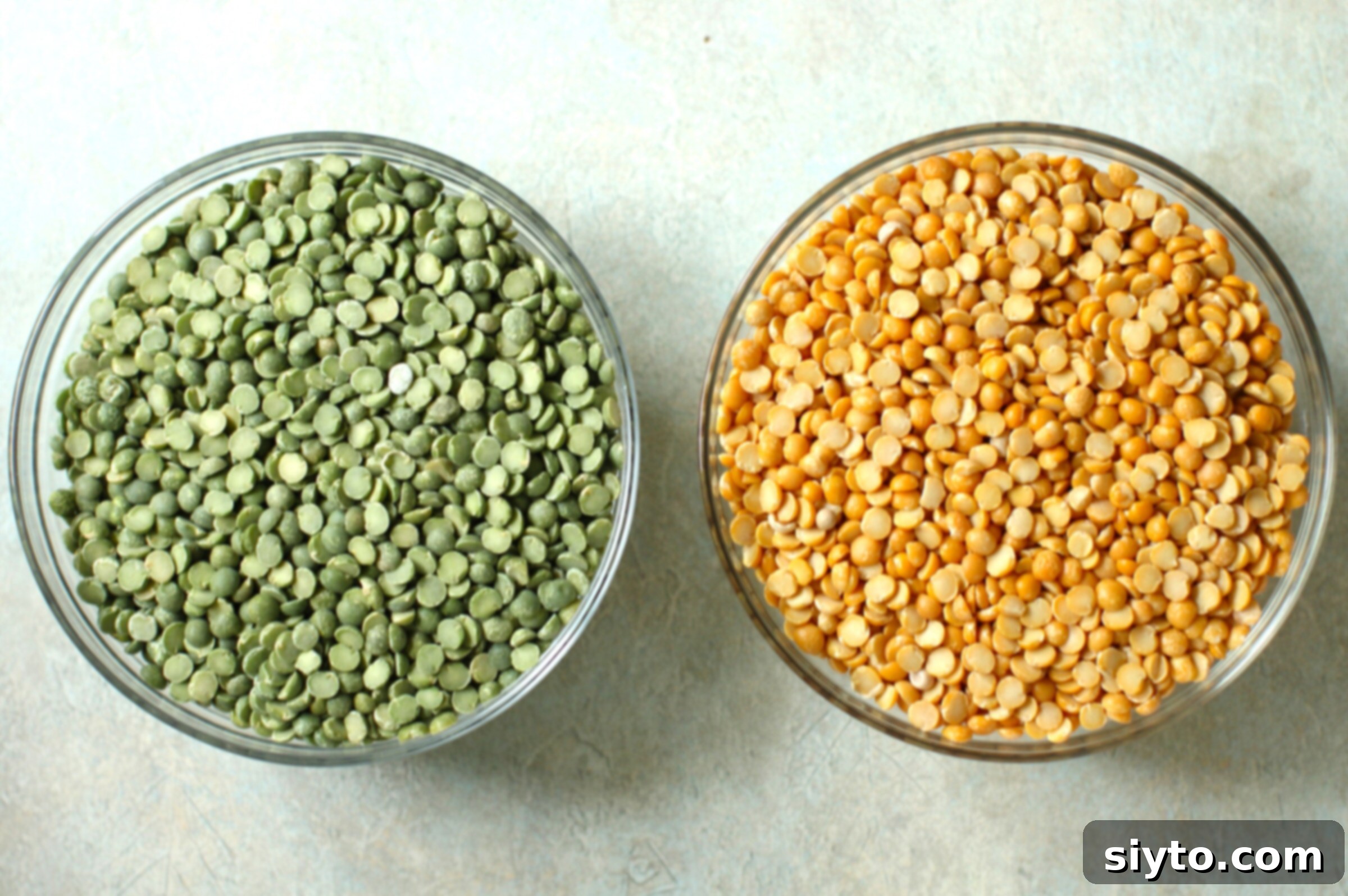
- And, of course, dried split peas. You can choose either green or yellow split peas. Their flavor profiles are virtually identical, so your choice comes down to color preference and what’s available. Green split peas are traditionally more common, yielding a soup with a vibrant, earthy hue.
The Uncomplicated Joy of Making Classic Split Pea Soup
Forget the adage “as easy as pie”—which, let’s be honest, can often be anything but! The true benchmark for effortless cooking should be “as easy as split pea soup.” This recipe truly embodies simplicity, requiring minimal hands-on effort for maximum flavor payoff. One of its standout features is that there’s no need to sauté any vegetables beforehand. The extended simmering period ensures that all the natural sweetness and savory notes from the onions, celery, and carrots are fully released and integrated into the broth.
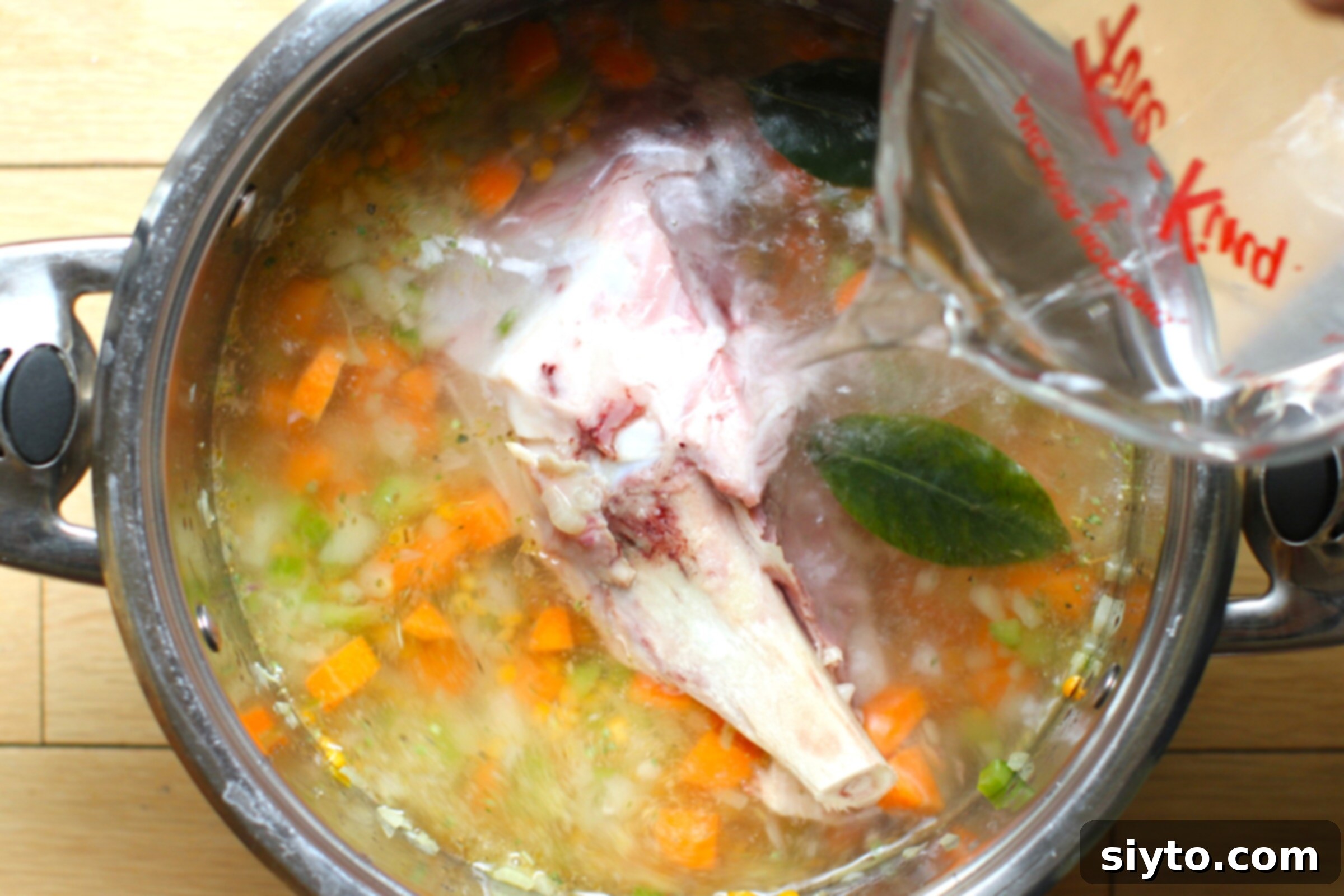
By the time the split peas have softened and dissolved, the soup will be incredibly rich, full-bodied, and bursting with flavor. You won’t even need to add chicken or vegetable stock! The meaty ham bone, combined with the fresh vegetables, works wonders, transforming ordinary water into its own beautifully savory broth during the slow, gentle cooking process. Your only real decision is whether to add all the solid ingredients to the pot first and then pour in the water, or vice versa. It’s that wonderfully straightforward!
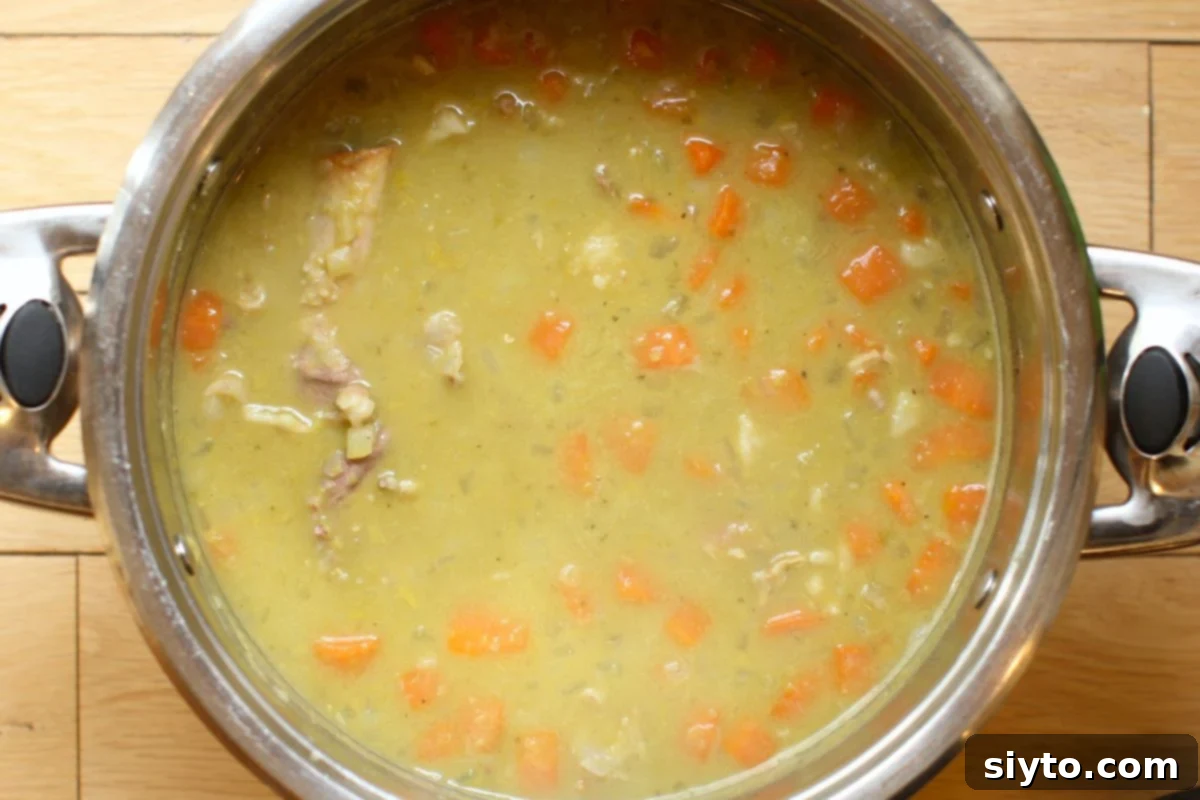
Once all your ingredients are in the pot, bring the mixture to a gentle boil, then reduce the heat to a low simmer. Cover the pot and let it cook slowly for about 2½ to 3 hours. This long, patient simmer is where the magic truly happens. During this time, the split peas will break down completely, creating a luscious, thick liquid that forms the heart of the soup. The carrots will become wonderfully tender, melting into soft chunks that add texture and sweetness, while the onions and celery contribute their aromatics, becoming an integral part of the silky smooth base. Remember to give the soup a stir occasionally to prevent any of the thicker ingredients from sticking to the bottom of the pot.
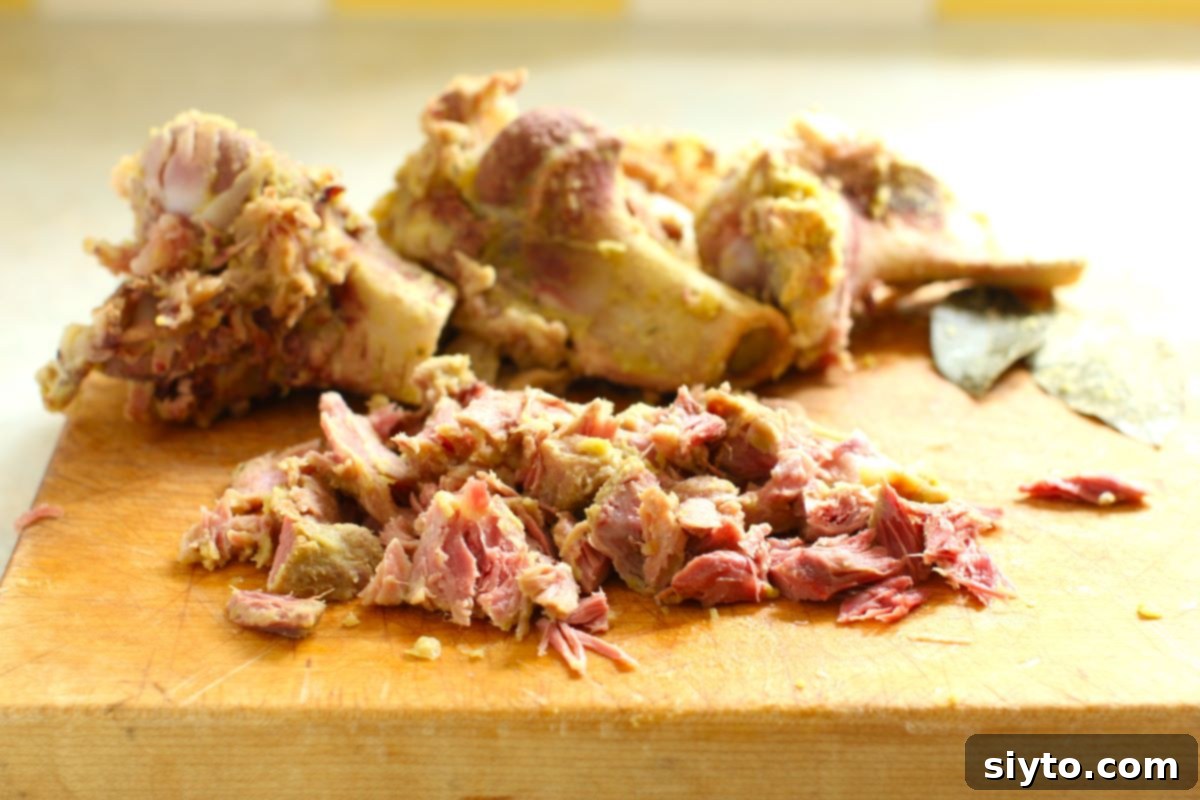
After the soup has simmered to perfection and the peas have reached a beautiful, smooth consistency, it’s time for the final touches. Carefully fish out the ham bone, which will likely be falling apart by now. Allow it to cool slightly, then gently remove any remaining bits of tender, flavorful ham. Dice or shred this succulent meat and stir it back into the soup, adding extra bursts of savory goodness. This is also the ideal moment to taste the soup and adjust the seasoning. A little extra salt or pepper can really make the flavors sing. With these simple steps, you’ll have a soul-satisfying bowl of hot split pea soup ready to be enjoyed.
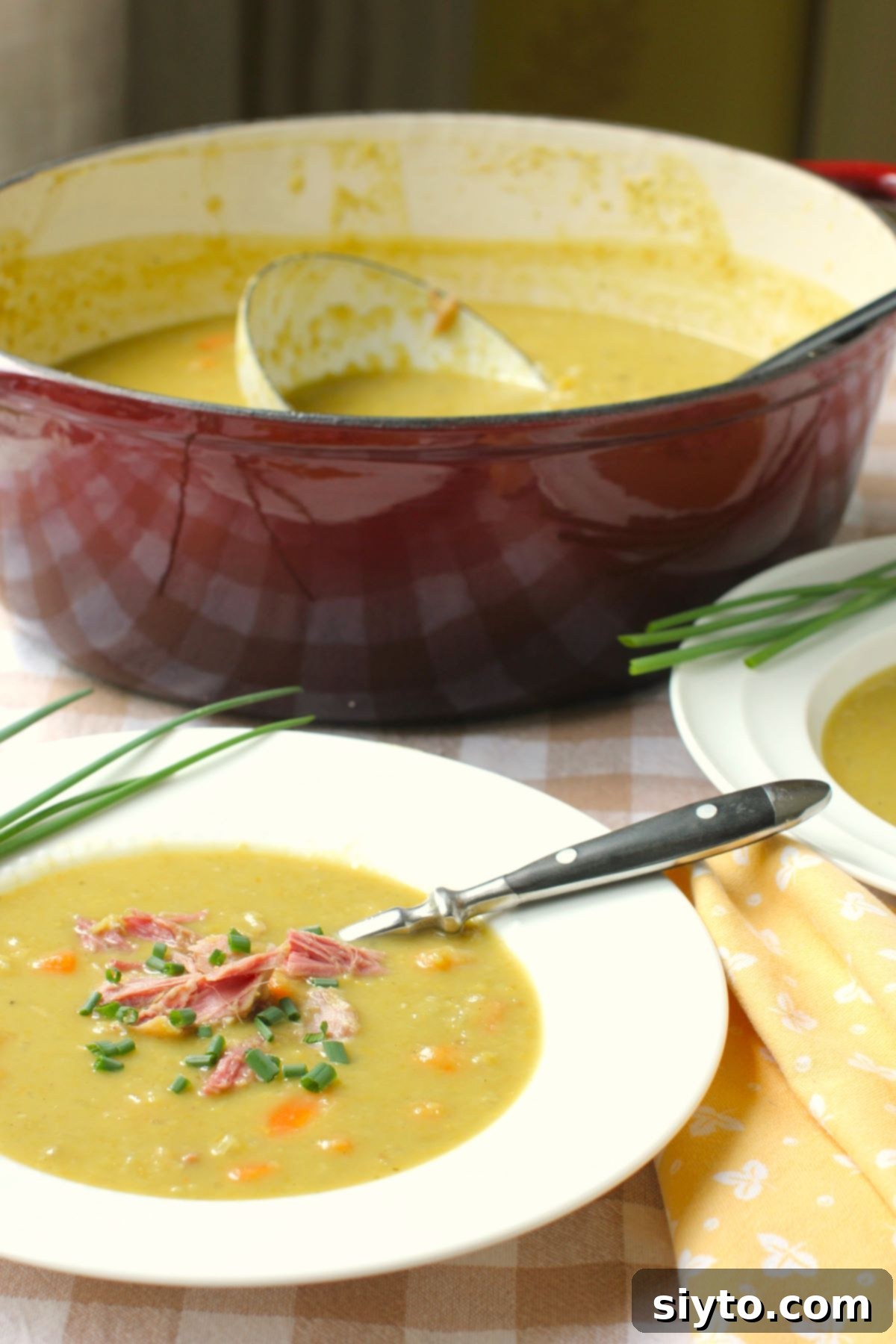
Serve your steaming bowl of split pea soup hot, perhaps with a sprinkle of fresh chives or a crusty piece of bread for dipping. It’s a complete meal in itself, perfectly balanced in flavor and texture.
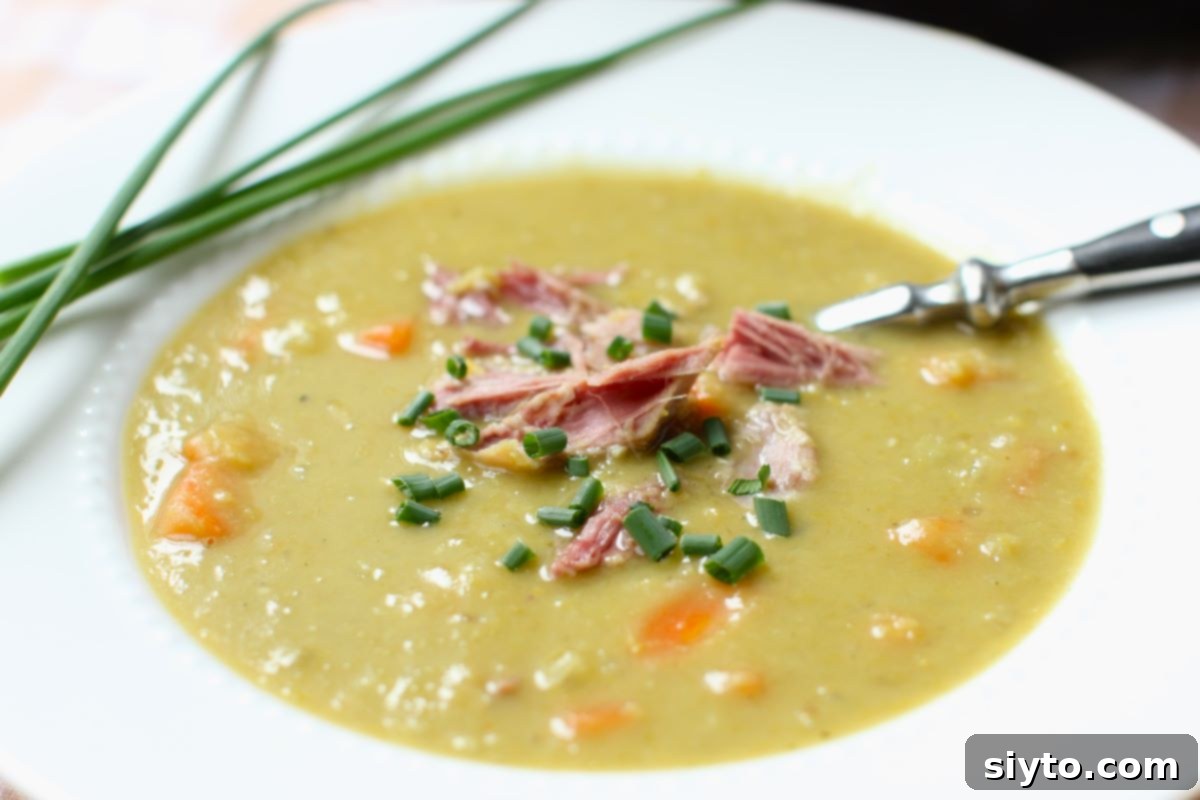
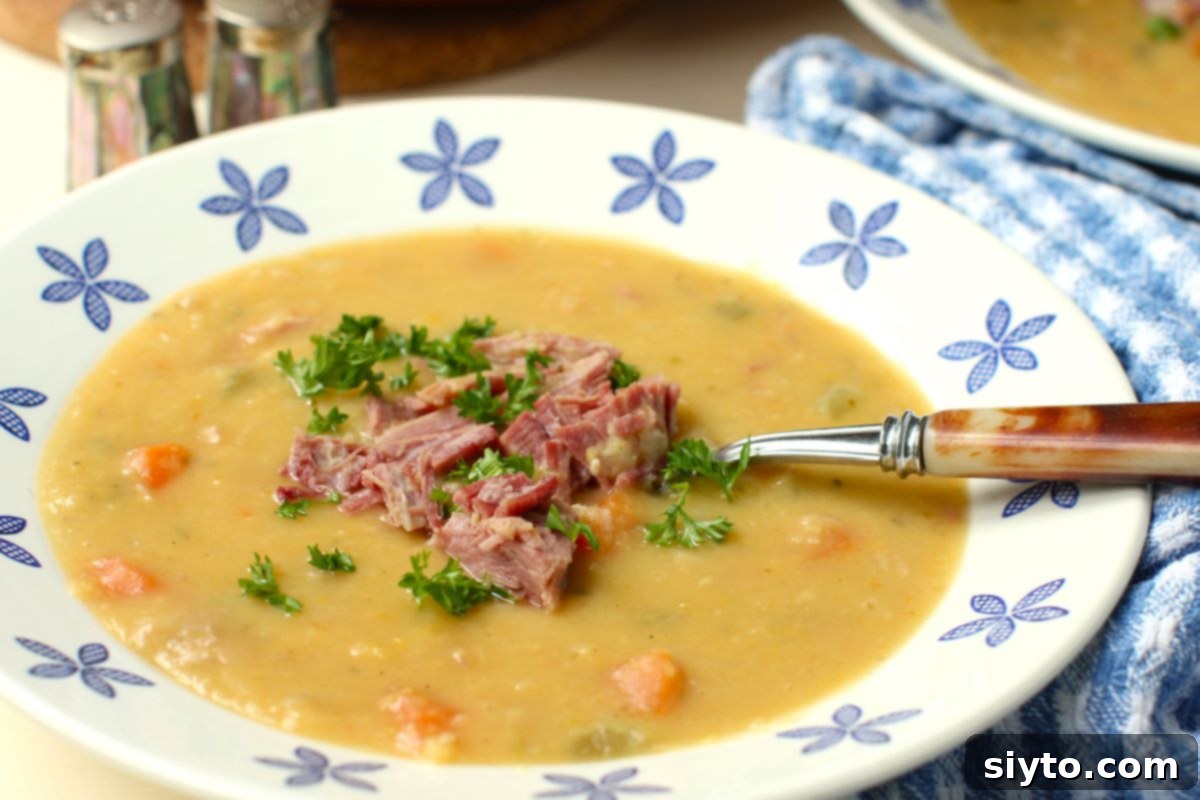
For those curious about the visual difference, the soup pictured above was made with vibrant green split peas, resulting in a classic, deep green hue. The bowl below, however, showcases soup made with yellow split peas. While the taste remains equally delicious and comforting, yellow split peas yield a gorgeous golden-hued soup, offering a slightly different aesthetic. Both are equally delightful, making your choice purely a matter of personal preference or what you have on hand.
Freezing and Reheating Split Pea Soup: Tips for Enjoying Later
One of the many advantages of making a large batch of split pea soup is its excellent freezer-friendliness. This soup freezes exceptionally well, making it a fantastic meal-prep option. Simply ladle the cooled soup into airtight freezer-safe containers, leaving a little headspace for expansion, and it will keep beautifully for up to six months. In the refrigerator, it maintains its quality for up to five days, providing convenient leftovers.
You’ll notice that as the soup cools, it will thicken considerably, sometimes becoming quite dense. This is completely normal due to the high starch content of the split peas. When you’re ready to enjoy it again, reheat the soup gently on the stovetop or in the microwave. It will reliquify somewhat during reheating, but you will almost certainly need to thin it out with a bit more water or even some chicken broth to achieve your desired consistency. Remember that adding extra liquid will dilute the seasoning, so be sure to taste and add an additional sprinkle of salt and pepper to balance out the flavors once it’s heated through.
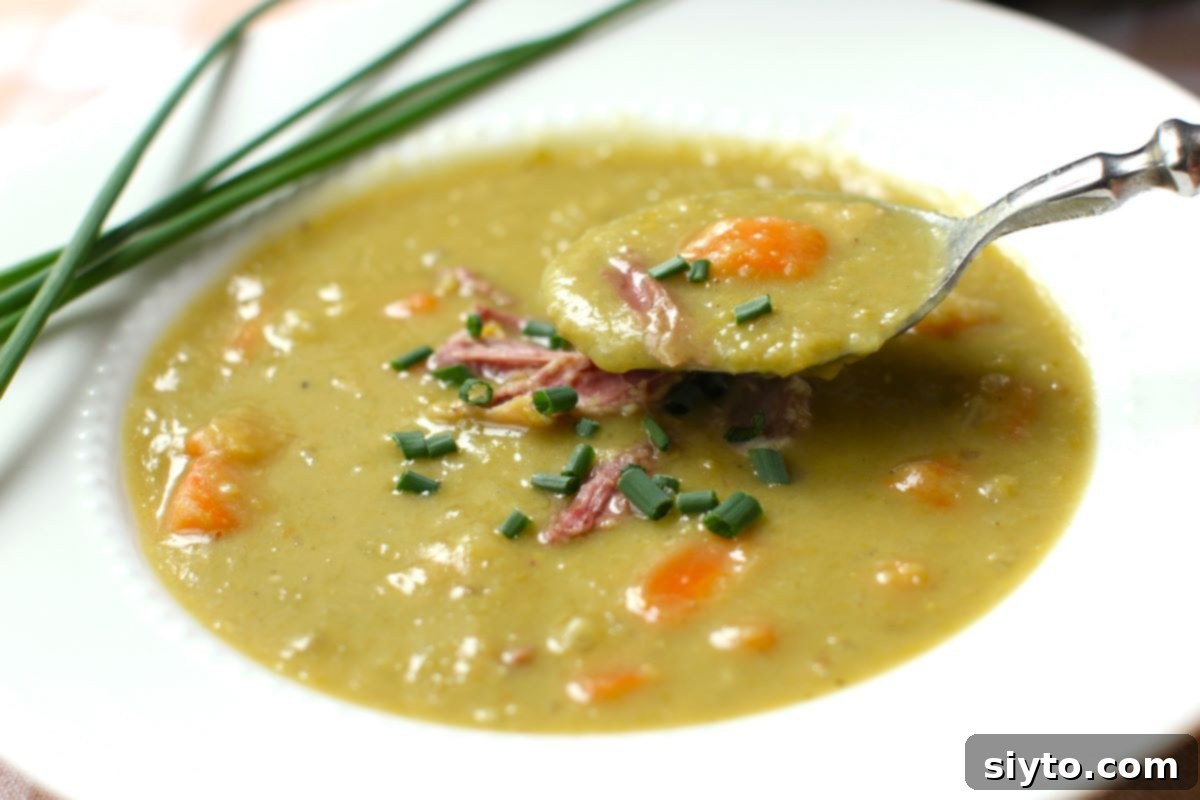
A comforting bowl of split pea soup is more than just a meal; it’s an experience. Each spoonful delivers that warm, smooth, silky texture, punctuated by tender bits of sweet carrot and savory ham. It’s a delightful combination that truly satisfies the soul. Don’t wait for a special occasion or a particularly gloomy day to indulge in this beautiful, classic soup. It’s a simple pleasure that can elevate any ordinary day into something extraordinary.
Want to receive new Kitchen Frau recipes directly to your email as soon as they’re posted? Sign up here and you’ll get bits of news updates on what’s happening in my kitchen and garden, plus a handy and useful kitchen tip along with each recipe, too. (No spam ever.)
If you like my recipes, follow me on Instagram, Pinterest, X, and Facebook. You’d make my day. 😊
Guten Appetit!
Split Pea Soup
Margaret Bose Johnson
Save to Pinterest
Ingredients
- 1 large meaty ham bone or smoked ham hock about 1½ lbs (700 grams) or more
- 1 lb (450 g/2¼ cups) split green or yellow peas
- 2 cups (250 g/2 medium) finely chopped yellow onions,
- 1½ cups (200 g/3 stalks) finely diced celery,
- 1½ cups (250 g/2 large) diced carrots (½-inch/1 cm)
- 2 tablespoons oil or butter
- 1 teaspoon fine sea salt
- ½ teaspoon white pepper (or black pepper)
- 1 teaspoon dried marjoram (or ½ tsp. oregano or thyme))
- 8 cups (2 litres) water
- 1-2 cups of extra diced or shredded cooked ham, if desired
Instructions
- To begin, place the ham bone and all the remaining ingredients (except any optional extra diced or shredded ham) into a large, heavy-bottomed soup pot or a 5 to 6 quart Dutch oven. This “all-in-one” approach is the key to this soup’s effortless preparation.
- Bring the soup mixture to a vigorous boil over medium-high heat. Once boiling, immediately reduce the heat to a low simmer and cover the pot securely with a lid.
- Allow the soup to simmer gently for a minimum of 2½ hours, or even longer, until the split peas have completely broken down, creating a luxuriously silky and smooth consistency. Be aware that cooking times can vary; higher altitudes or older peas may require additional simmering. Throughout the cooking process, occasionally lift the lid and stir the soup thoroughly to prevent any thicker elements from settling and sticking to the bottom of the pot.
- If, after the peas have broken down, you find the soup to be thinner than your preference, simply remove the lid for the final half hour (or longer if needed). Increase the temperature slightly and continue to cook the soup until it reduces and thickens to your desired consistency. Keep in mind that the soup will naturally thicken even more as it cools.
- Now is the critical moment to taste the soup. Adjust the seasoning by adding more salt and pepper as needed to enhance all the wonderful flavors that have developed during simmering.
- Carefully remove the ham bone and any bay leaves from the soup. By this point, the ham bone may have become very tender and could even be falling apart, so you might need to scoop it out in pieces. Let the bone cool for a few minutes until it’s comfortable to handle, then cut off any remaining bits of meat. Dice or shred this flavorful ham. You can either stir these ham bits directly back into the soup, allowing them to warm through for a few minutes, or reserve them to sprinkle on top of each individual serving as a garnish. If you are adding extra diced ham, incorporate it now and let it heat through.
- This recipe typically yields approximately 8 to 10 cups of rich, hearty soup, depending on how much the liquid was reduced during simmering.