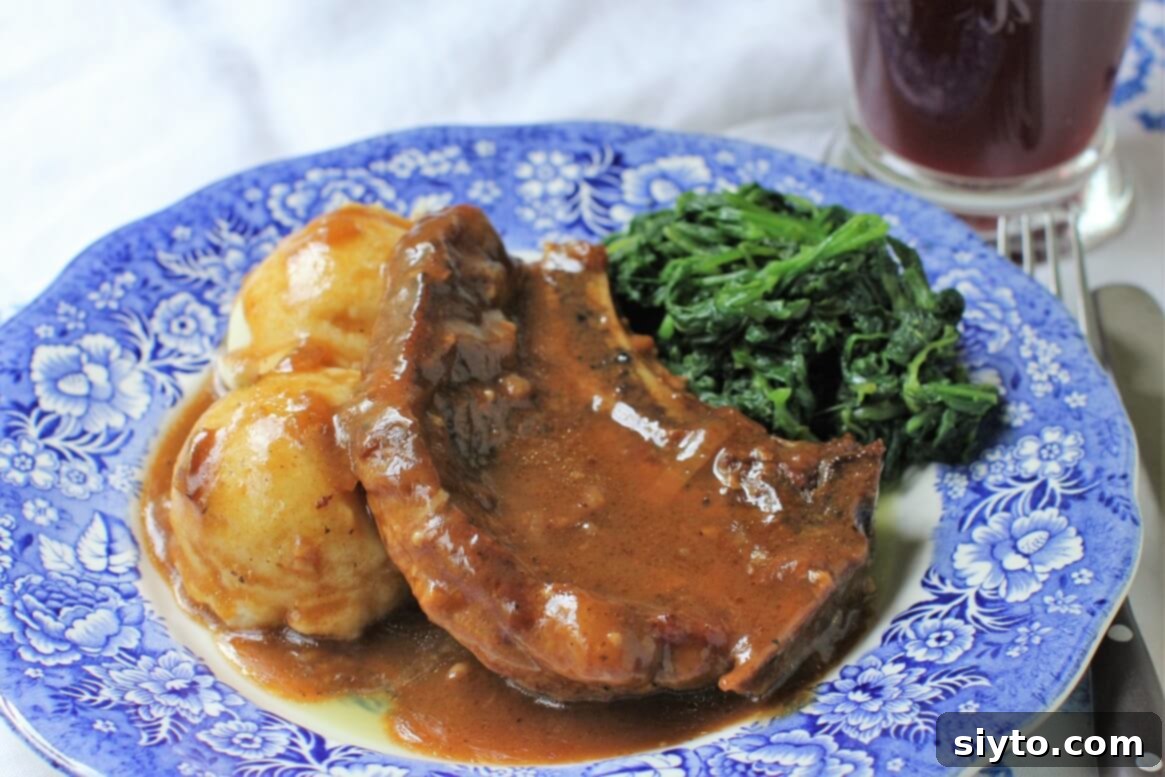
Ultimate Southern Comfort: Melt-in-Your-Mouth Smothered Pork Chops with Rich Onion Gravy – A Soul Food Classic
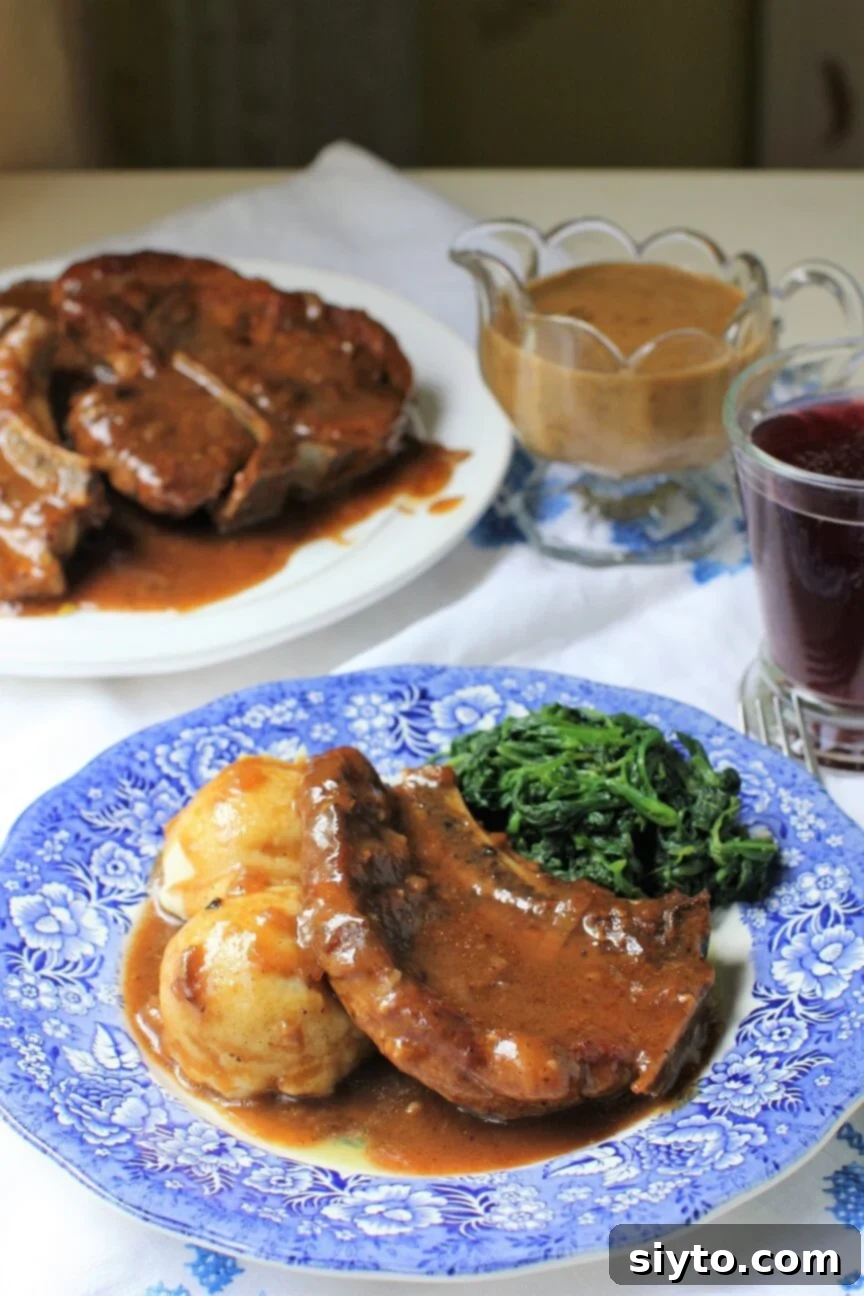
Imagine succulent pork chops, meltingly tender, enveloped in a luxuriously rich and deeply seasoned onion gravy. This is the essence of Smothered Pork Chops, an iconic dish that stands as a cornerstone of Soul Food comfort. Served proudly atop creamy mashed potatoes or fluffy rice, accompanied by a generous mound of perfectly cooked greens, it’s a meal that not only satisfies the palate but also nourishes the soul.
For this month’s Eat the World recipe challenge, our culinary journey takes us beyond just a country to a specific, vibrant region and its distinct cuisine: Soul Food. This rich and flavorful cooking style originates from the resourceful and skilled Black home cooks and chefs across the southern United States, embodying a powerful narrative of history, resilience, and culinary innovation.
The Heart of American History: Soul Food from the Deep South
Soul food is more than just a collection of recipes; it’s a living testament to human ingenuity born out of profound necessity and hardship. Its origins are deeply intertwined with the dark period of the transatlantic slave trade in American history. Enslaved Africans and later sharecroppers, forcibly brought to a new land, adapted their native culinary techniques and recipes to the meager ingredients and harsh conditions available to them. This transformative cuisine first took root in the area known as the ‘Deep South,’ a region primarily encompassing states like Louisiana, Mississippi, Alabama, Georgia, and South Carolina.
These resilient individuals brought with them invaluable knowledge of ingredients previously unknown in the Americas, such as rice and okra, and introduced the rich, often spicy stews characteristic of their homelands. Working in plantation kitchens, they absorbed new techniques and ingredients from their enslavers, subtly incorporating these into their own cooking while simultaneously creating nourishing meals from the minimal rations provided. They were often given undesirable off-cuts of meat, predominantly pork, and through creativity and skill, transformed these into delicious and sustaining dishes to feed their hard-working families. This resourcefulness – utilizing every part of the animal, transforming humble vegetables, and slow-cooking tough cuts to sublime tenderness – laid the foundation for what we now celebrate as Soul Food.
Soul Food: A Celebration of Family, Community, and Heritage
While Soul Food’s roots are undeniably in the Deep South, its appeal and popularity have long transcended these geographical borders, becoming a beloved part of America’s culinary landscape. At its core, Soul Food is celebration food. It’s the taste of cherished memories for Black Americans who participated in the Great Migration – a monumental exodus of over six million Black individuals who left the rural South between approximately 1916 and 1970, seeking better opportunities in the urban centers of the North, Midwest, and West. The dishes we recognize today as Soul Food were historically reserved for special occasions in the South – hearty Sunday dinners, festive holiday gatherings, and community events.
This profound association with family, community, and cultural identity is precisely what imbues Soul Food with such a cherished place in the hearts and memories of Black people across America. It’s why these recipes continue to be proudly prepared in home kitchens and featured prominently in restaurants, serving as a culinary connection to a rich heritage and a symbol of enduring community spirit.
Distinguishing Southern Food from Soul Food: A Nuanced Palate
As the adage goes, “all soul food is Southern food, but not all Southern food is soul food” (Bob Jeffries, 1969). Both cuisines often share similar base ingredients and even common dishes. However, the distinction, while subtle, is incredibly significant. Soul Food carries a more profound intensity of flavor and seasoning. It tends to be saltier, sweeter, spicier, and often richer with fats. It’s simply “more” – more robustly seasoned, more deeply flavored, and more intimately connected to its African heritage and the historical context of its creation. While Southern cuisine can be broad and inclusive of many cultural influences, Soul Food specifically emphasizes and elevates the culinary traditions forged by African Americans.
The Culinary Staples of Soul Food: A Symphony of Flavors
The foundation of Soul Food cuisine is built upon a select group of key ingredients that have been masterfully transformed over generations. These include staple grains like rice and corn, hearty legumes such as beans, distinctive vegetables like okra and various types of greens, and naturally sweet elements like sweet potatoes and melons. When it comes to protein, fried chicken is a universally loved dish, but pork holds an exceptionally important place. True to its origins of resourcefulness, Soul Food embraces a nose-to-tail philosophy – long before it became a culinary trend – utilizing every part of the animal, including offal and flavorful pork fat, to maximize flavor and minimize waste.
These ingredients form the base of many recognized favorites: think savory black-eyed peas and rice (famously known as Hoppin’ John), hearty okra gumbo, comforting sweet potato pie, fluffy cornbread, crispy hush puppies (cornmeal fritters), creamy grits, tender collard greens stewed in rich bacon fat, spicy chitterlings (pork intestines), and of course, those irresistible smothered pork chops. The versatility and importance of pork in Soul Food cuisine truly highlight the ingenuity that defines this culinary tradition.
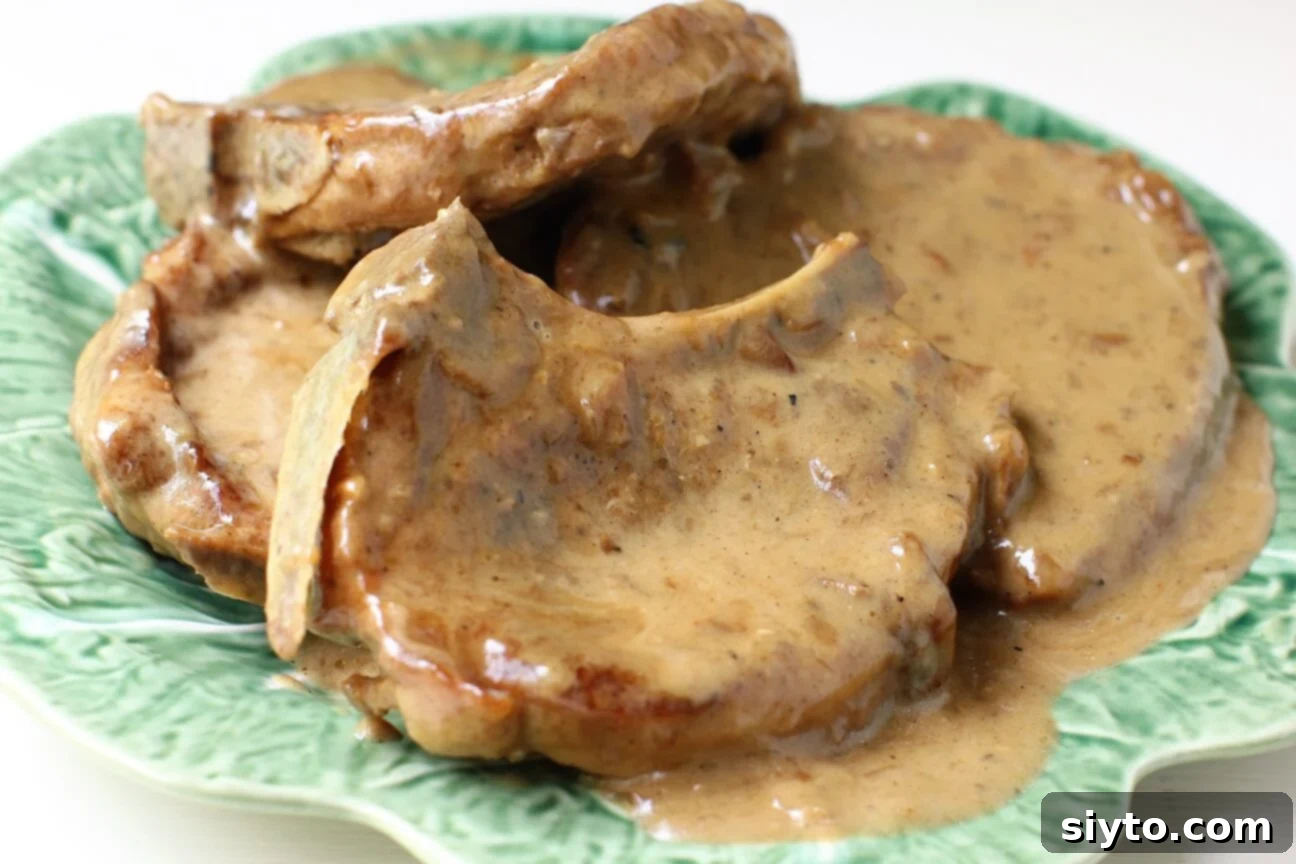
Those magnificent smothered pork chops, with their promise of deep flavor and comforting texture, immediately captured my attention during my research. They perfectly answered a profound craving for true comfort food, especially during the cool, rainy days we’ve been experiencing here in Northern Alberta this summer. To those of you in other parts of the world enduring heat waves and dreaming only of salads and ice pops, I sincerely apologize – you might want to bookmark this recipe for the cooler days that will surely come. The sheer lusciousness of these savory pork chops, braising slowly until they are fall-off-the-bone tender in a rich and creamy gravy, is utterly irresistible. And the intoxicating aroma that wafts from the oven as it simmers? It’s genuinely drool-inducing. This kind of Soul Food, with its warmth and depth, truly fills both my soul and my belly.
* * * * *
For those eager to delve even deeper into the rich tapestry of Soul Food, here are some excellent resources that offer more comprehensive descriptions than I could possibly provide:
The Humble History of Soul Food, by Vanessa Hayford, Black Foodie
What is Soul Food? by Sharnese Thompsom, Edible Communities
Where Soul Food Really Comes From, by Sam Worley, Epicurious
Everything You Need to Know About Soul Food, According to Chef Millie Peartree, by Millie Peartree, Delish
Is it Southern Food, or Soul Food? by Julia Moskin, The New York Times
* * * * *
Mastering the Art of Smothered Pork Chops: A Step-by-Step Guide
Creating truly spectacular smothered pork chops involves a few key steps that build layers of flavor. Starting with the right cut of meat is essential. Opt for thick, bone-in pork chops, ideally about 1-inch (2.5cm) thick. The bone isn’t just for show; it imparts a crucial depth of flavor to the gravy as it slowly simmers. If boneless chops are your only option, don’t fret! You can still achieve a fantastic result by reducing the salt slightly and using chicken or vegetable stock instead of water in your gravy to compensate for some of the bone’s rich contribution.
Seasoning the Chops for Deep Flavor
Begin by preparing your seasoning blend. In a small bowl, combine fine sea salt, freshly ground pepper, poultry seasoning (or a robust cajun seasoning for an extra kick), and a touch of paprika. These spices work together to create a warm, aromatic base for the pork. Pat your pork chops dry – this is important for achieving a good sear. Then, generously sprinkle the seasoning mix onto both sides of the chops, gently rubbing it in to ensure an even coating. Reserve any leftover spice blend; it will add another layer of flavor to your gravy later.

Achieving the Perfect Golden Brown Sear
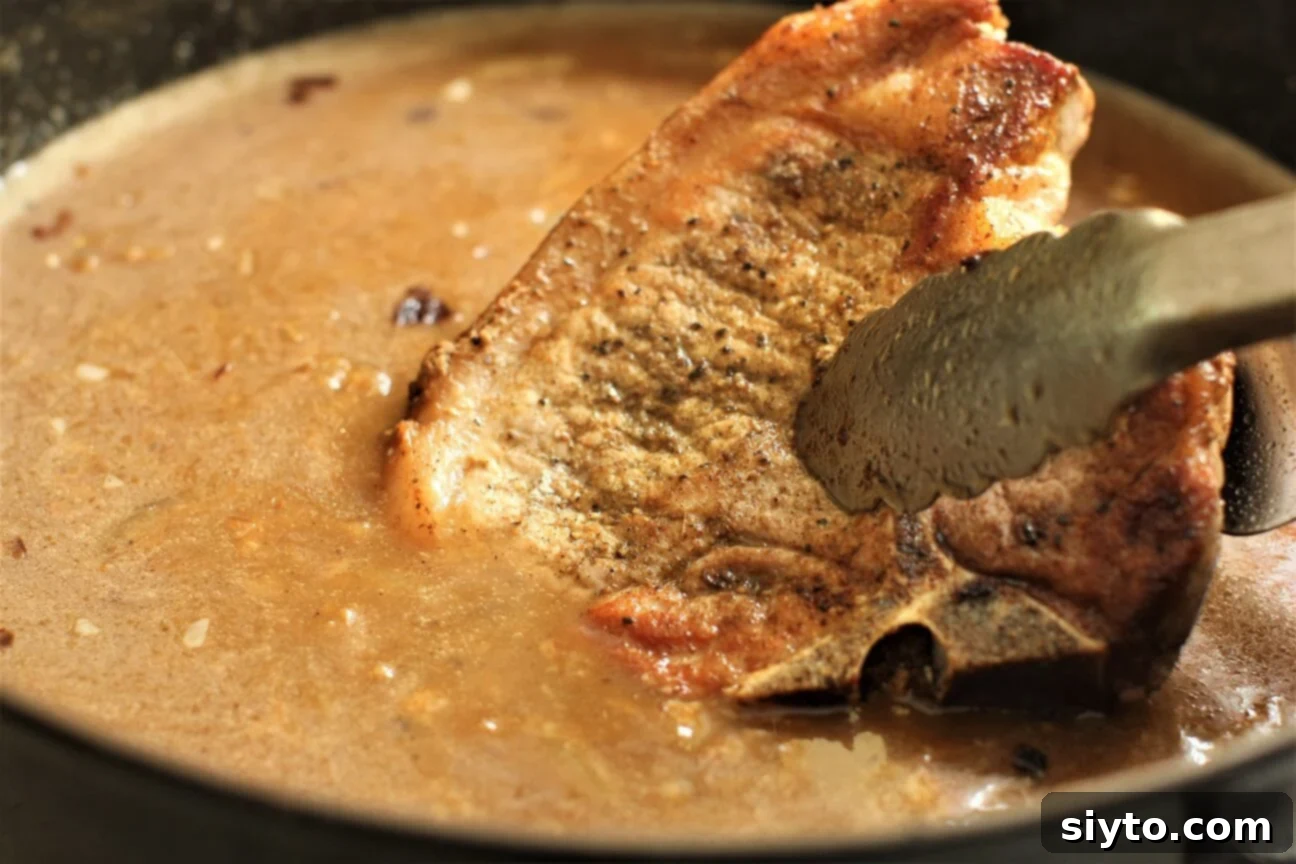
Next, heat a generous amount of oil in a heavy-bottomed Dutch oven, braiser, or a large, deep skillet over medium-high heat. Once the oil is shimmering, carefully add the seasoned pork chops. Brown them deeply on both sides for about 4 minutes per side. The goal here isn’t to cook them through, but rather to create a beautiful golden-brown crust. This browning process is crucial as it initiates the Maillard reaction, developing complex, savory flavors that will form the backbone of your gravy. Once nicely browned, remove the chops and set them aside on a plate.

Crafting the Rich Onion Gravy
Now, turn your attention to the flavorful bits left in the pan – this is known as “fond” and it’s pure gold for your gravy. Add a generous amount of sliced or chopped onions to the pan. Cook them slowly, stirring occasionally, until they become beautifully browned, caramelized, and tender. This step is essential for developing a deep, sweet foundation for your gravy. Once the onions are softened, stir in the minced garlic and any remaining spice mix from seasoning the chops, cooking for another minute until fragrant. Then, add butter and the flour (sweet rice flour works perfectly for a gluten-free option) to the pan, stirring continuously to create a roux. Cook the roux for a few minutes to remove the raw flour taste.
Gradually pour in the water, a bit at a time, stirring vigorously after each addition to prevent lumps and create a smooth, thin gravy. As you stir, make sure to scrape up all those delicious browned bits from the bottom of the pan – they’ll add incredible depth to your sauce.

Slow Braising for Unrivaled Tenderness
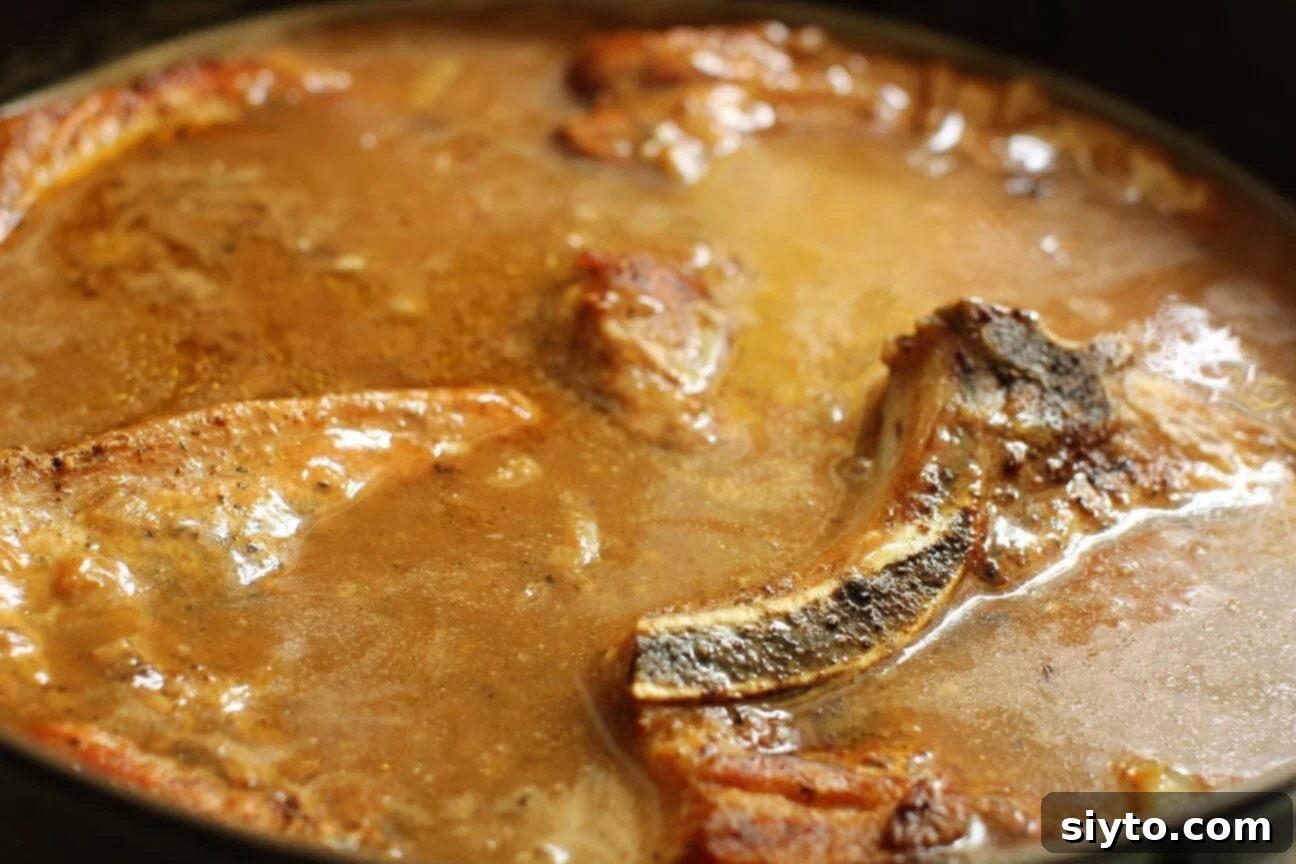
Once your gravy is smooth and simmering, carefully nestle the browned pork chops back into the pot, ensuring they are mostly submerged in the luscious gravy. Bring the gravy to a gentle boil, then cover the pot with a tight-fitting lid or heavy-duty tin foil. Transfer the pot to your preheated oven and let the magic happen. The slow, gentle heat of the oven will braise the pork chops for a good hour to two hours, breaking down the connective tissues and transforming them into meltingly tender perfection. This low-and-slow cooking method is the secret to their incredible texture and allows the flavors to meld beautifully. Keep an eye on the liquid level, especially if your Dutch oven isn’t perfectly sealed; you might need to add a splash more water periodically to keep the chops submerged and the gravy from becoming too thick.
The Grand Finale: Finishing and Serving
Once the meat has been braised to that coveted melting tenderness, it’s truly ready to devour. The gravy will have thickened considerably, absorbing all the rich flavors of the pork and caramelized onions. If the gravy is still too thin for your liking, simply remove the lid and simmer it on the stovetop for a few minutes until it reduces. Conversely, if it’s too thick, a splash of water or broth will thin it out perfectly.
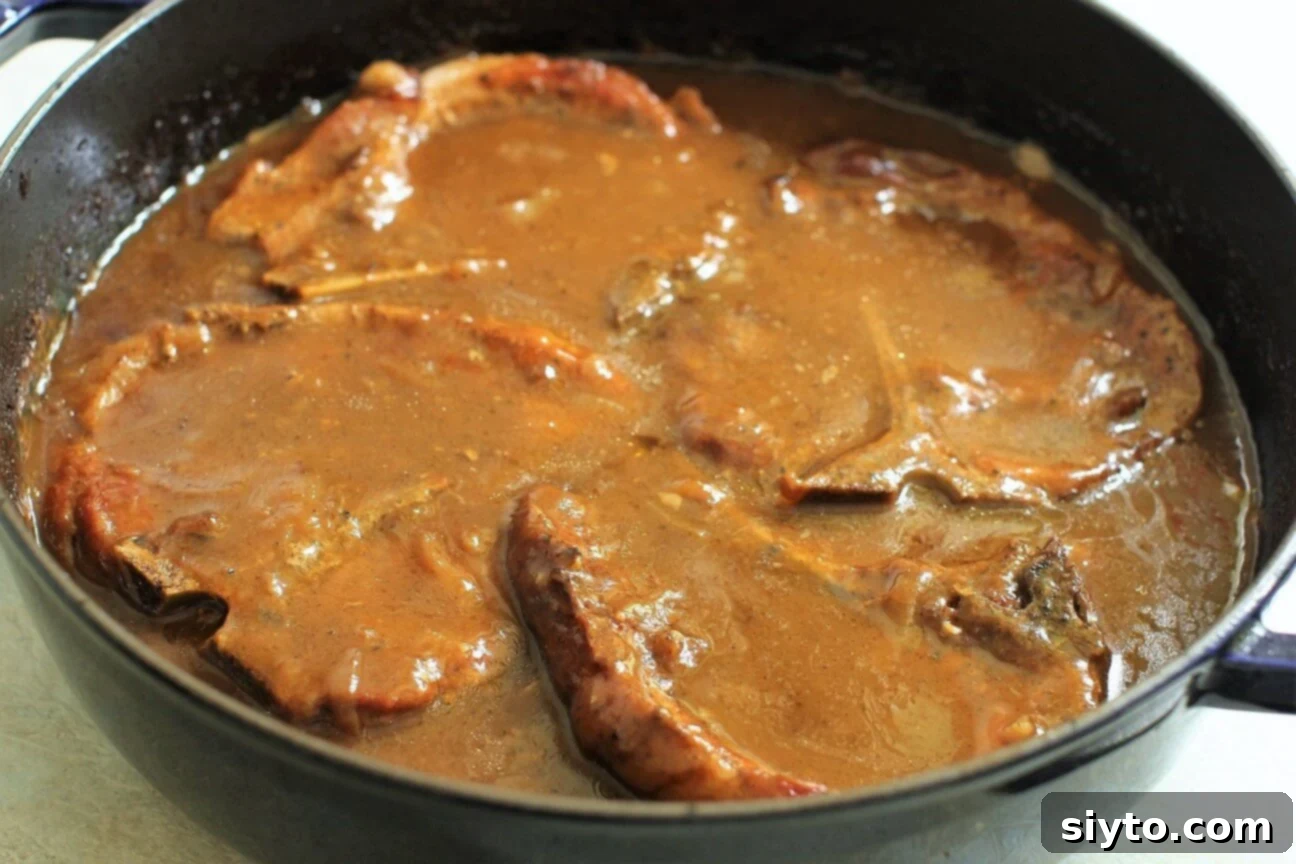
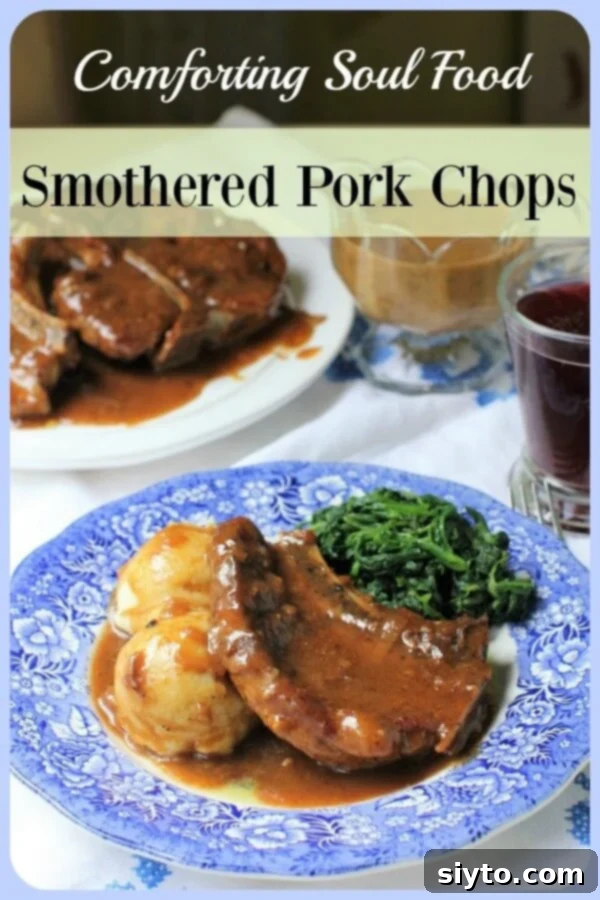
You can serve these decadent pork chops and gravy just as they are, spooned generously over your chosen side. For an extra touch of indulgence, stir in a swirl of whipping cream or light cream to create an even more decadent cream gravy. Another elegant option is to carefully scoop out the pork chops onto a serving platter, then add the cream to the remaining gravy in the pot, stirring it until beautifully incorporated before serving it alongside. These luscious pork chops are truly fantastic served over fluffy white rice or a creamy mound of mashed potatoes. Complement them with some tender stewed greens – traditional choices include mustard greens or collard greens cooked with bacon fat, but fresh spinach from the garden, as I used, also makes a wonderful accompaniment. A side of sweet corn on the cob or a slice of warm cornbread are also classic and highly recommended additions, perfectly soaking up every last drop of that amazing gravy.
What to Drink with Soul Food: The Tradition of “Red Drink”
No Soul Food meal is complete without the perfect beverage, and a common accompaniment is what’s affectionately known as “red drink.” This isn’t one specific recipe, but rather a category encompassing any fruit punch or drink made with red fruit or red coloring. The color is more significant than the specific fruit, as “red drink” serves as a cultural nod to traditional red-colored kola nut tea or hibiscus tea, both of which are drinks that traditionally signal hospitality in native African cultures. In my own home, the closest I had to a classic red drink was homemade saskatoon juice – a beautiful purplish-red hue – and it paired wonderfully with our smothered pork chops, continuing the tradition of warmth and welcome.

This soulful dish has quickly become a family favorite, and I know I’ll be making these smothered pork chops often – they’ve already earned a coveted spot on the “most requested” list!
* * * * *
Kitchen Frau Notes: The beauty of these smothered pork chops lies in their flexible cook time. You can comfortably braise them anywhere from 1 to 2 hours, depending on how incredibly tender you desire them to be. It’s important to be mindful of moisture levels during cooking. Different types of Dutch ovens or baking dishes can vary in how much moisture they release. For instance, my Le Creuset Dutch ovens tend to have a very tight seal, losing minimal moisture through steam, while my Staub Dutch oven, with a slightly looser fit between pot and lid, can lose a fair bit more. Consequently, I often need to replenish the liquid when using the Staub. If you’re covering your dish with foil or a less-than-perfectly-fitting lid, it’s a good idea to check periodically and add a bit more water if the gravy starts to look too thick or reduce too much, ensuring the chops remain submerged and tender.
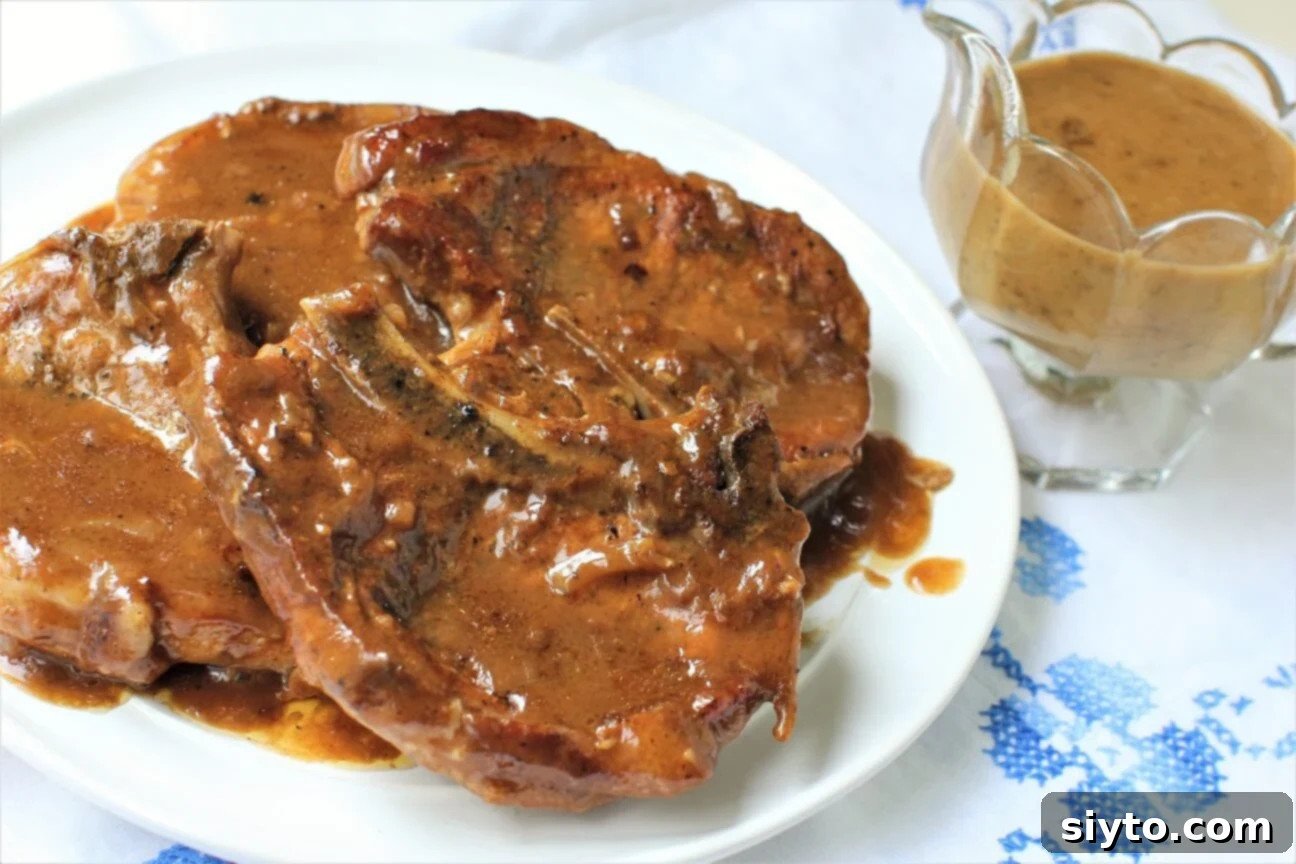
Smothered Pork Chops Recipe
- 4 large bone-in pork chops, approximately 1-inch (2.5cm) thick
- 1½ teaspoons fine sea salt
- ½ teaspoon black pepper, freshly ground if possible
- 1 teaspoon poultry seasoning (or a robust cajun seasoning for a spicier kick)
- 1 teaspoon paprika (sweet or smoked, as preferred)
- 2 tablespoons cooking oil (such as vegetable, canola, or grapeseed oil)
- 1 large onion, or 2 medium onions
- 4 cloves garlic, minced
- 1 tablespoon unsalted butter
- ¼ cup (35gms) all-purpose flour (use sweet rice flour for a gluten-free option)
- 3 cups (720ml) water (or chicken stock for extra flavor)
- Optional: ½ cup (120ml) whipping cream or light cream, for a richer gravy
Instructions:
1. Preheat your oven to 350°F (180°C). This allows the oven to be at the ideal temperature when the chops are ready for braising.
2. Prepare the pork chops: Pat the pork chops thoroughly dry with paper towels. Lay them out on a clean cutting board. In a small bowl, combine the salt, pepper, poultry seasoning, and paprika. Sprinkle a thin, even layer of this spice mix onto both sides of the pork chops, gently rubbing it into the meat. Set aside any remaining spice mix for later use in the gravy.
3. Brown the pork chops: Heat the cooking oil in a heavy-bottomed Dutch oven, braiser, or a large, deep oven-safe skillet over medium-high heat until shimmering. Carefully place the seasoned pork chops into the hot oil and brown them deeply on both sides for about 4 minutes per side. The goal is to create a rich, golden-brown crust, not to cook them through. Once browned, remove the chops from the pan and transfer them to a plate.
4. Sauté the onions: While the chops are browning, peel and slice the onion. You can cut it in half lengthwise and slice it crosswise into half-moons, or chop it into ½-inch dice. The shape isn’t critical as the onion will soften and largely meld into the gravy during the long cooking process. Add the sliced or chopped onions to the hot oil and flavorful bits remaining in the skillet. Cook for 3 to 4 minutes, stirring occasionally, until the onions become translucent and begin to brown, scraping up any delicious browned bits (fond) from the bottom of the pan.
5. Build the gravy base: Add the minced garlic and any remaining spice mix from seasoning the chops to the pan with the onions. Cook for an additional 1 minute, stirring constantly, until fragrant.
6. Create the roux: Add the butter to the pan, allowing it to melt. Then, sprinkle in the flour, stirring continuously with a whisk or wooden spoon until all the flour is moistened and forms a thick paste (a roux). Cook the roux for 1-2 minutes, stirring, to cook out the raw flour taste.
7. Form the gravy: Gradually add the water to the roux, a bit at a time, whisking vigorously after each addition to ensure a smooth, lump-free gravy. Bring the gravy to a gentle boil, stirring constantly.
8. Braise the chops: Carefully tuck the browned pork chops back into the pot, ensuring they are mostly covered by the simmering gravy. Cover the pot tightly with a well-fitting lid or heavy-duty aluminum foil.
9. Bake: Transfer the covered pot to the preheated oven and bake for 1½ hours. During this time, check periodically (every 30-45 minutes) to ensure the liquid level remains adequate. If the gravy appears to be reducing too much, add a splash more water or stock to maintain the desired consistency and keep the chops submerged.
10. Adjust consistency and serve: After baking, remove the pot from the oven. The pork chops should be incredibly tender, and the gravy rich and thickened. If the gravy is too thick, thin it with a bit more water or stock. If it’s too thin for your preference, remove the lid and simmer on the stovetop for a few minutes until it thickens to your liking.
11. Final touch (optional): Serve the gravy and pork chops as they are for a classic taste. For a creamier, more decadent gravy, stir in the optional ½ cup of whipping cream or light cream until thoroughly combined. Alternatively, you can remove the pork chops to a platter and then stir the cream into the remaining gravy, serving the creamy gravy separately alongside the chops.
12. Enjoy: Serve these incredible smothered pork chops generously over creamy mashed potatoes or fluffy rice. Pair them with your favorite green vegetable, such as tender stewed or sautéed leafy greens (collard greens, mustard greens, or spinach), steamed broccoli, or green beans. A side of warm cornbread is a traditional and highly recommended accompaniment, perfect for soaking up every last drop of that amazing gravy.
Serves 4.
Guten Appetit!
Be sure to check out all the wonderful Soul Food dishes prepared by fellow Eat the World members and share your own culinary adventures with #eattheworld. Click here to find out how to join and have fun exploring a country a month in the kitchen with us!
Culinary Adventures with Camilla: Food to Soothe the Soul
Making Miracles: Sylvia’s Sweet and Sticky Baked Chicken Wings
Amy’s Cooking Adventures: Oven-Baked Ribs with Cola BBQ Sauce
Kitchen Frau: Smothered Pork Chops
A Day in the Life on the Farm: Red Beans and Rice
Palatable Pastime: Smoked Rib Tips with Sweet Baby Molasses Sauce
Sneha’s Recipe: Huevos Rancheros Breakfast Burritos
CulturEatz: Savannah Red Rice
Want to receive new Kitchen Frau recipes directly to your email? Sign up here and you’ll get a handy and useful kitchen tip along with each recipe, too. (No spam ever.)
If you like my recipes, follow me on Instagram, Pinterest, Twitter, and Facebook. You’d make my day!
PIN IT HERE to save the recipe for later:
Explore My Past ‘Eat the World’ Recipe Challenge Adventures:
(in alphabetical order)
- Argentina: Red Chimichurri Sauce
- Bulgaria: Patatnik (Savoury Potato and Cheese Pie)
- Cambodia: Noum Kong (Cambodian Rice Flour Doughnuts)
- Colombia: Pan de Yuca (Warm Cheese Buns)
- Egypt: Fava Beans and Feta
- England: Gluten Free Fish and Chips and Mushy Peas
- Ethiopia: Four Ethiopian Recipes for a Fantastic Feast
- Fiji: Spiced Sweet Potato and Banana Salad
- Finland: Lohikeitto (Creamy Salmon, Potato, and Dill Soup)
- France: Axoa d’Espelette (A Simple Stew from the Basque Country)
- Georgia: Charkhlis Chogi (Beets with Sour Cherry Sauce)
- India: Kerala Upma (Fluffy, Kerala Style Breakfast Upma Recipe)
- Iraq: Tepsi Baytinijan (Eggplant & Meatball Casserole)
- Ireland: Dublin Coddle (A tasty Sausage and Potato Stew)
- Israel: Cucumber, Feta, and Watermelon Salad
- Kenya:Maharagwe with Ugali (Red Beans with Cornmeal Slice)
- Mexico: Cochinita Pibil Tacos (Pit Barbecued Pig to Make in Your Oven)
- New Zealand: Classic Pavlova
- Poland: Polish Honey Cake
- Portugal: Tuna and Sardine Pâtés
- Puerto Rico: Piña Colada Cocktail
- Senegal: Mafé (Beef and Peanut Stew)
- Sweden: Swedish Meatballs with Cream Gravy
- Switzerland (Christmas): Basler Leckerli Cookies
- Thailand: Shrimp Laksa (Khung)
- Trinidad & Tobago: Peanut Butter Prunes
- Ukraine: Buckwheat Kasha with Beef