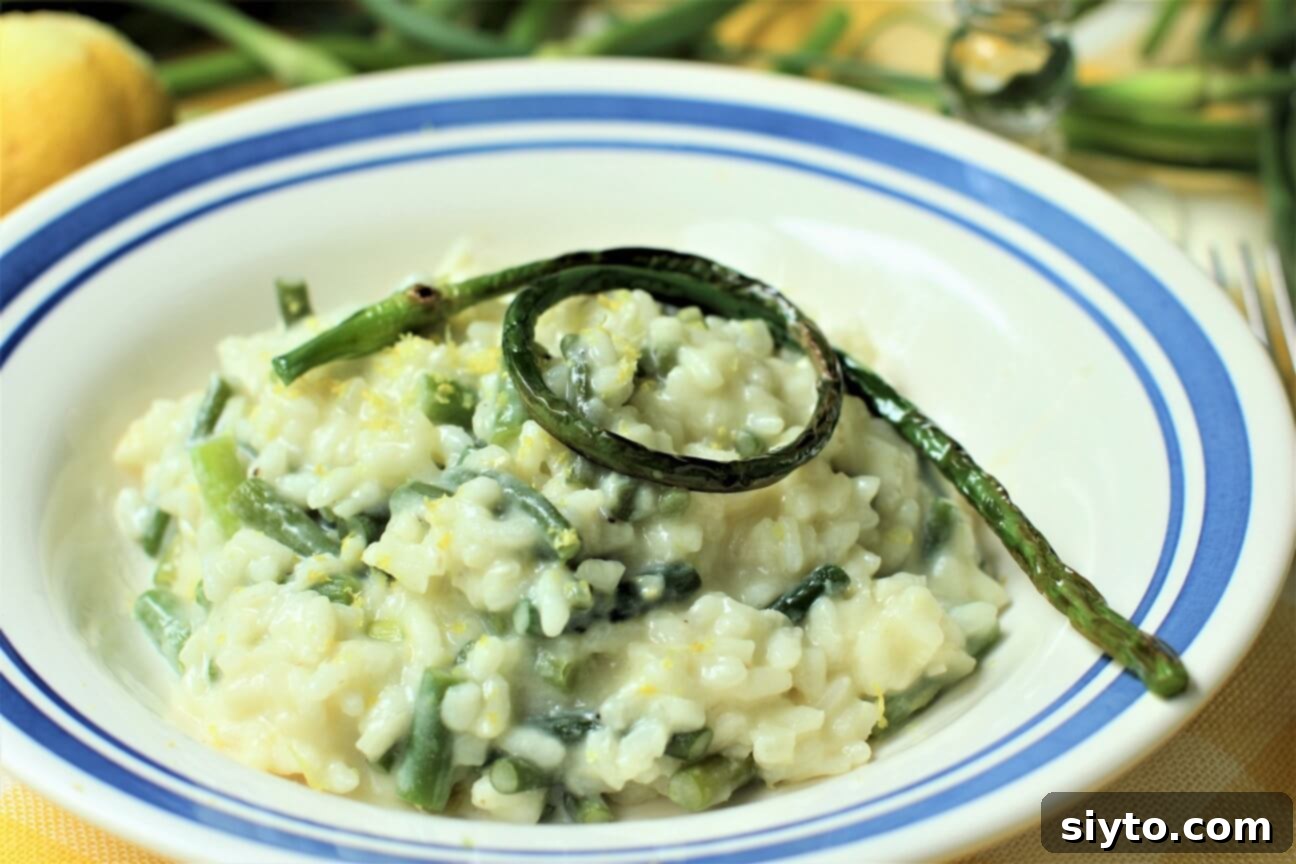
Creamy Garlic Scape Risotto: A Luxurious Early Summer Delight
A bowl of creamy Garlic Scape Risotto is a true culinary delight, offering a unique and flavorful way to celebrate the ephemeral bounty of garlic scapes, available only for a brief window in early summer. Crafting risotto might seem intimidating, but it’s surprisingly simple. There are no secret tricks – just a dash of patience and consistent stirring will yield a dish so rich and satisfying, you’ll be eager for the next bite. And if garlic scapes aren’t within reach, fret not! Substitute them with tender asparagus or fresh green beans, and add a few extra cloves of regular garlic for an equally delicious and comforting result. Skip to recipe.
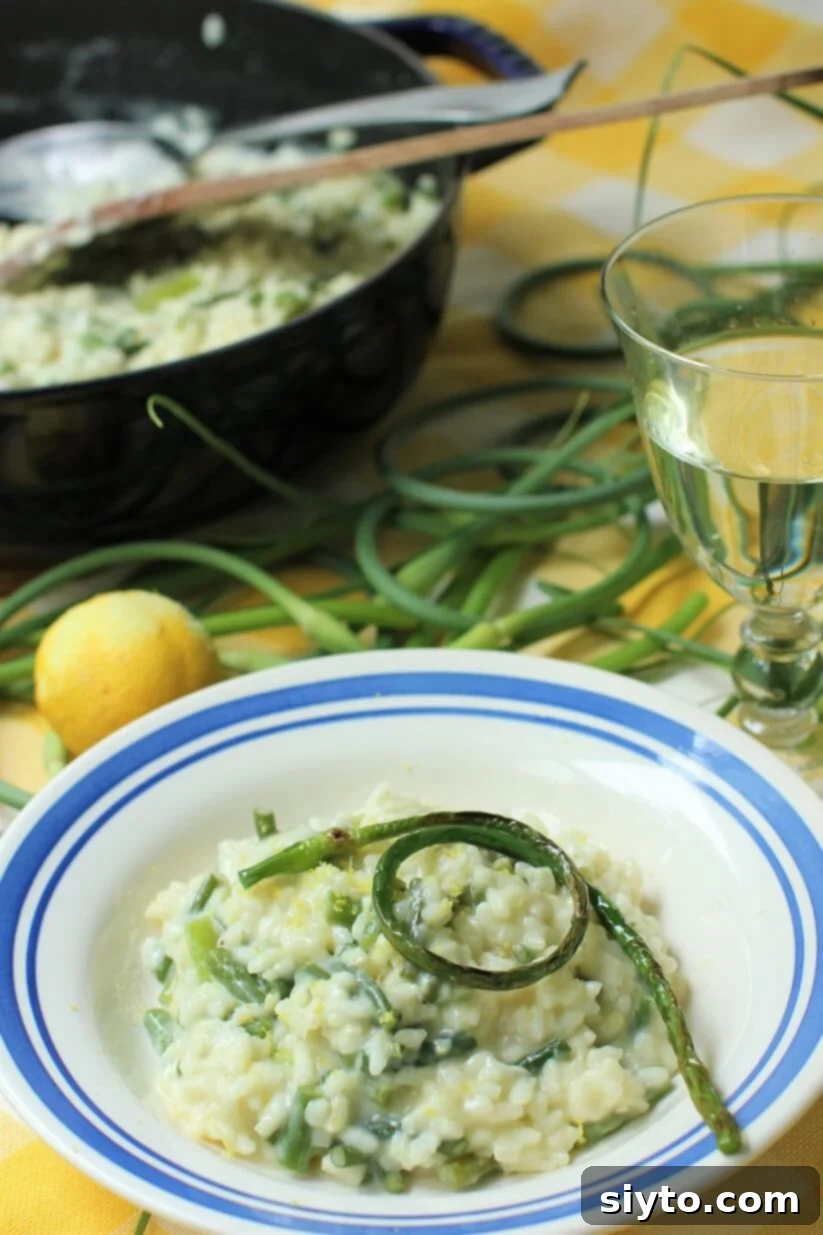
For every devoted garlic enthusiast, a special time of year has arrived:
The scapes are here! The scapes are here!
This is the season – that glorious, fleeting flush of fresh garlic goodness that emerges in gardens and farmers’ markets. The all-too-short availability of garlic scapes demands that we make the most of their unique flavor and texture. If you’re fortunate enough to cultivate garlic scapes in your own garden (a luxury I don’t possess), discover them at your local market (which we sadly missed this year), or receive a generous gift from a friend (oh, the joy!), then you are perfectly poised to embark on a journey of garlicky deliciousness.
Just recently, my friend Ronaye called, offering her excess garlic scapes, and I accepted with an enthusiastic “YES!” before she could even complete her sentence. Do you detect a pattern? When a friend extends an invitation to share garden harvests or foraged treasures, I’m there in a flash, ready to graciously ‘relieve’ them of their bounties. This shared spirit of abundance is truly one of life’s simple pleasures.

Not only did I get to admire her magnificent garden, but I also returned home with two overflowing grocery bags – a whopping seven pounds! – of garden-fresh garlic scapes. This generous haul instantly sparked a wave of garlic-inspired creativity in my kitchen.
Since then, it’s been a whirlwind of garlic mania around here. I’ve whipped up several batches of my beloved garlic scape pesto, prepared this incredible garlicky risotto twice (the first batch was devoured so quickly, there was no time for photos!), and meticulously frozen a large bag of chopped scapes to enjoy later. Now, I’m already brainstorming my next garlic scape creation – perhaps a vibrant summer salad featuring new potatoes and finely chopped scapes.
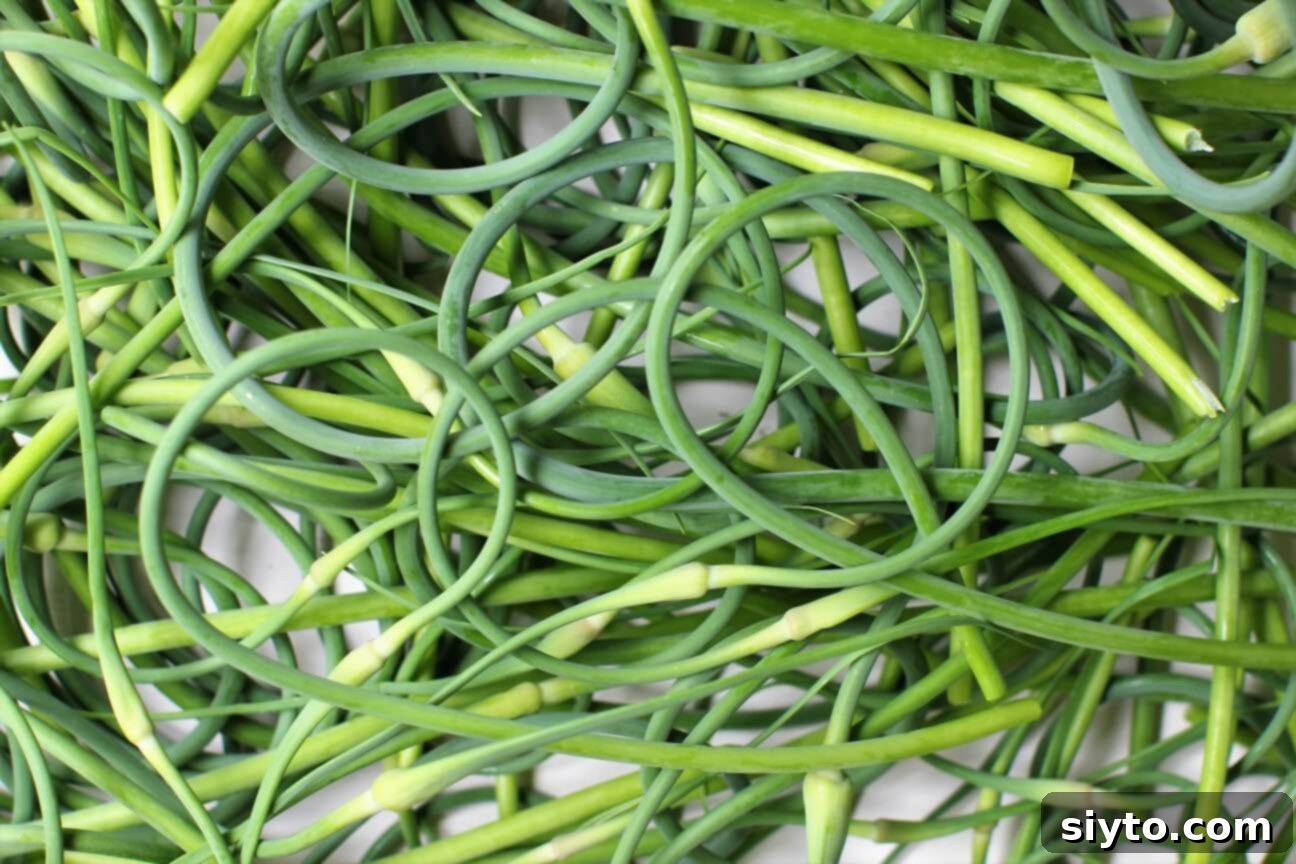
What Exactly Are Garlic Scapes?
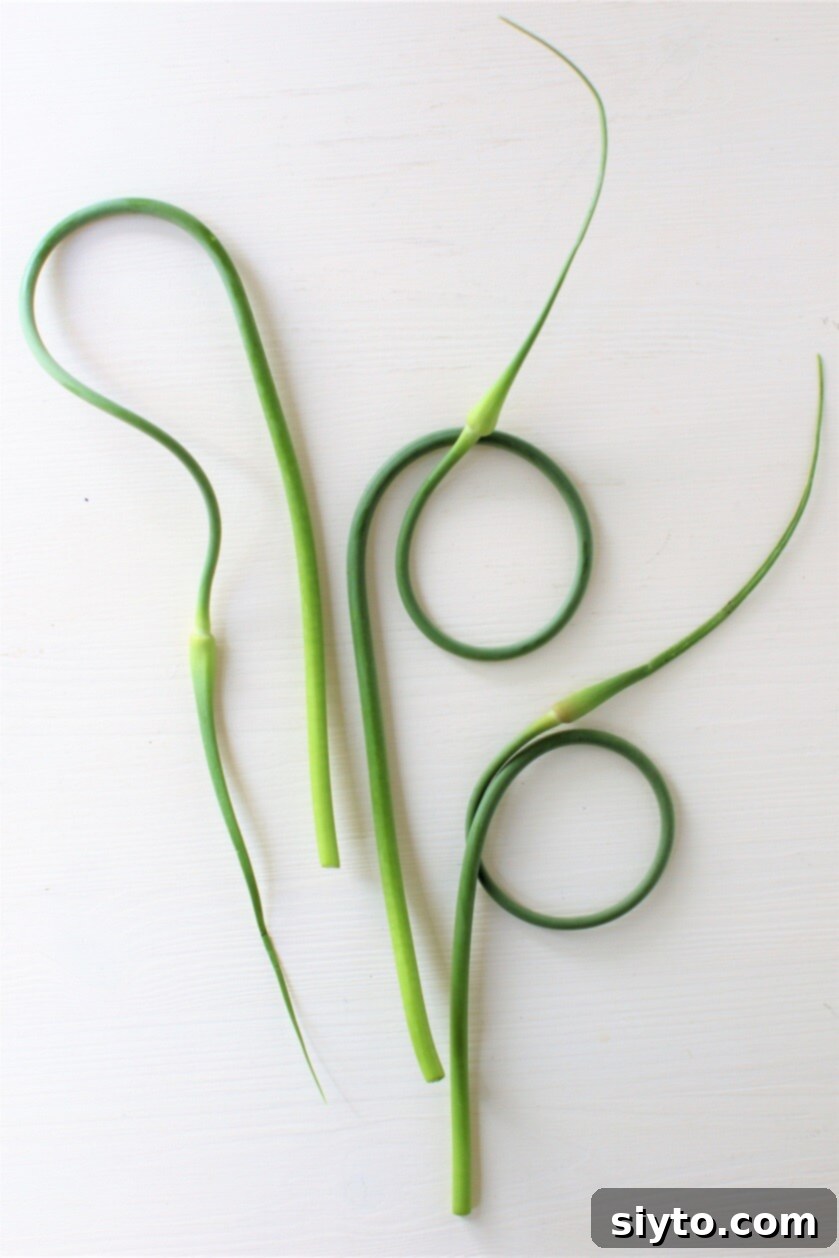
Those strikingly peculiar, curling stems and nascent flower buds, often twisting into bizarre and beautiful loops, are known as garlic scapes. They are the tender, edible flower stalks that emerge from hardneck varieties of garlic plants. Gardeners typically remove these scapes for a crucial reason: by snapping them off, the plant’s energy is redirected from producing a flower and seeds towards growing a larger, more robust garlic bulb beneath the soil. The optimal time for removal is when the plant has just formed its bud atop its long, coiling stem, typically at the point where the first leaf begins. While some might discard them, garlic scapes are actually a treasured delicacy, revered as an early summer treat for their unique flavor and texture.
So, How Do You Prepare Garlic Scapes for Cooking?
Preparing garlic scapes is remarkably straightforward. First, you’ll want to trim off and discard the fibrous, stringy end that extends above the bud (this is the lighter green bulge on the stem). The bud itself is perfectly edible and delicious, as long as it hasn’t grown too large and tough. Next, examine the thicker bottom end of the stem. If it’s very light-colored and feels overly resistant when you attempt to cut it, this indicates a tough, woody section that should also be trimmed and discarded. Once the tough parts are removed, simply chop the remaining, tender portion of the stem into the desired lengths for your recipe.
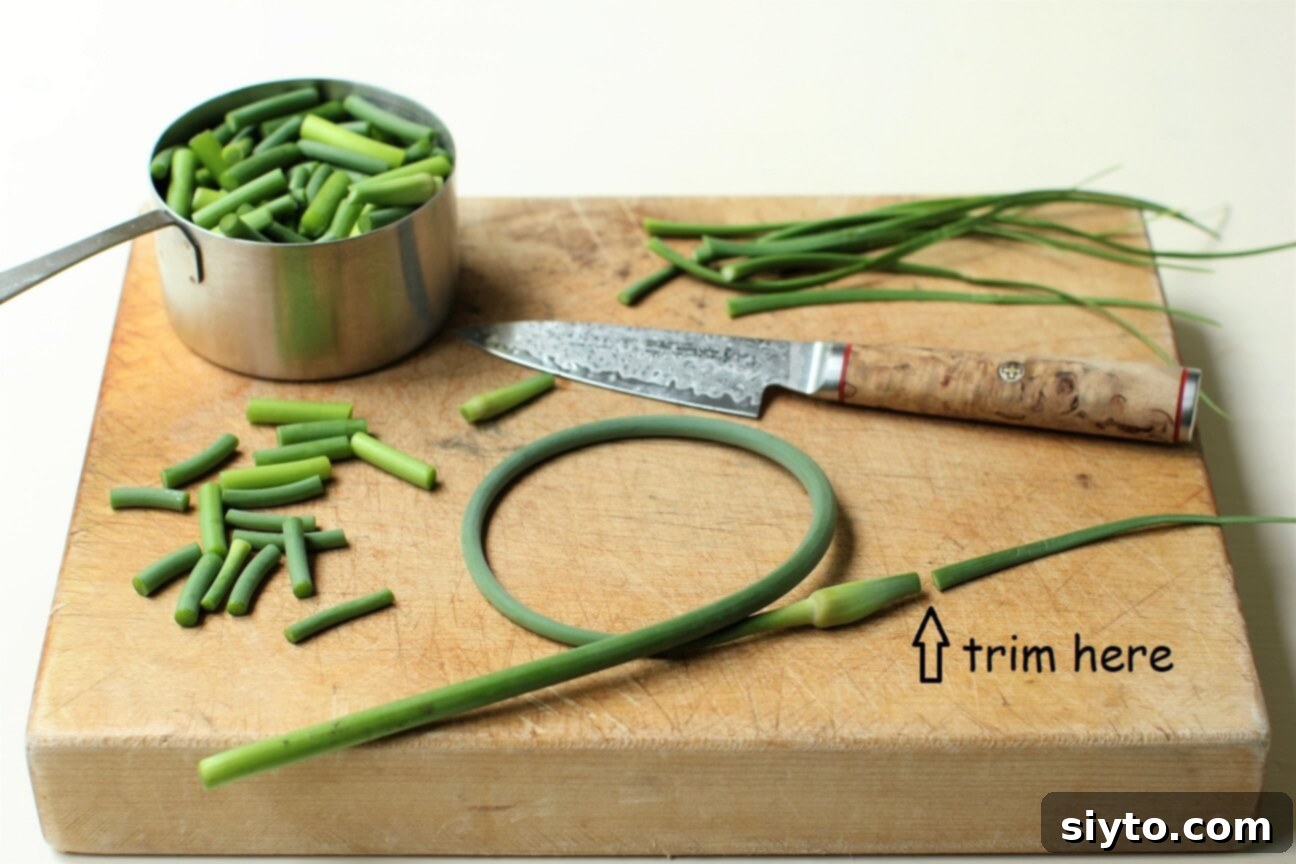
After trimming, give them a thorough rinse in a colander, pat them dry, and your garlic scapes are ready for a myriad of culinary applications. Their versatility knows few bounds: integrate them into vibrant stir-fries, hearty stews, warming soups, or comforting casseroles. Scatter them atop pizzas for a gourmet touch, sauté them gently in butter, or grill them whole to bring out their sweetness. For a fresh kick, finely chop them into salads, blend them into a bright pesto, or, of course, stir them into this divine garlic scape risotto.
For long-term enjoyment, you can even chop the scapes, pop them into a freezer bag (no blanching required!), and freeze them for a future infusion of garlicky goodness, extending their short season throughout the year.
What Do Garlic Scapes Truly Taste Like?
Naturally, garlic scapes taste like garlic! However, the fascinating aspect of their flavor profile is how dramatically it transforms when cooked. That initial, robust roar of raw garlic mellows into a delicate whisper, often described as mild and wonderfully herbaceous, with subtle grassy undertones. Many liken their cooked flavor to a faintly garlicky asparagus, which makes them quite unique. This nuanced flavor is precisely why I’ve opted to include a couple of cloves of regular garlic in this risotto recipe. The added layer of fresh garlic ensures a more pronounced ‘garlic punch’ in the finished dish, truly living up to the expectation that a recipe with “garlic” in its name should deliver a powerful, unmistakable garlic essence!
Risotto, the cherished Italian rice dish, provides an exceptional canvas to highlight this delectable and somewhat unusual seasonal vegetable. A perfectly executed risotto is a symphony of luxury, cheesy richness, and unparalleled creaminess. Each individual grain of rice should maintain a delightful al dente chewiness, offering a satisfying, slight resistance to the bite. The rice itself is enveloped in a sumptuously smooth sauce, remarkably achieved without the addition of cream. This luscious texture comes from the starches patiently coaxed out of the rice as you stir, gradually adding liquid, and stirring with love until the dish reaches its peak perfection.
Transform Those Garlic Scapes into a Delicious Creamy Risotto
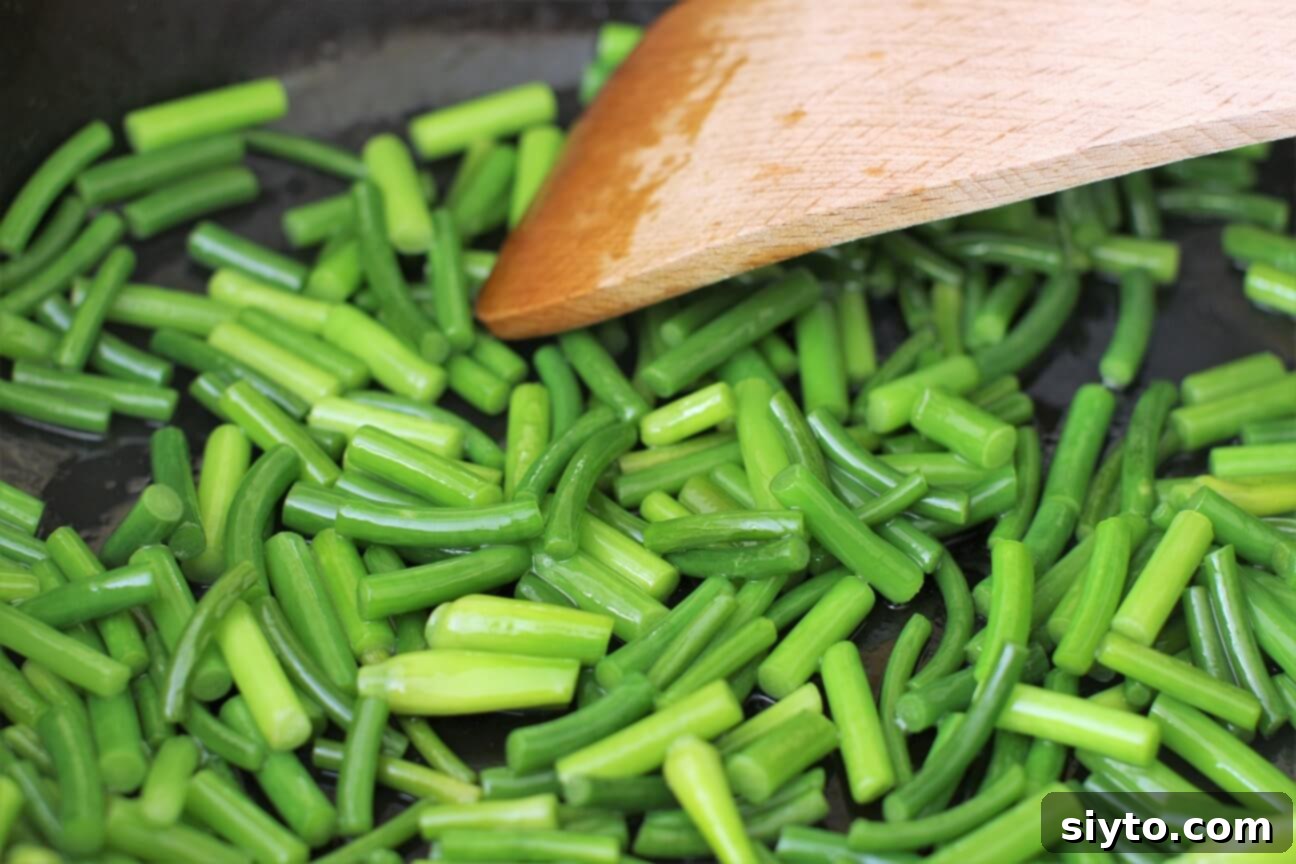
The journey to a perfect garlic scape risotto begins with sautéing your prepared, chopped scapes. Cook them until they are tender yet still possess a slight crispness, then remove them from the pan and set them aside. This initial step ensures their delicate flavor and texture are preserved.
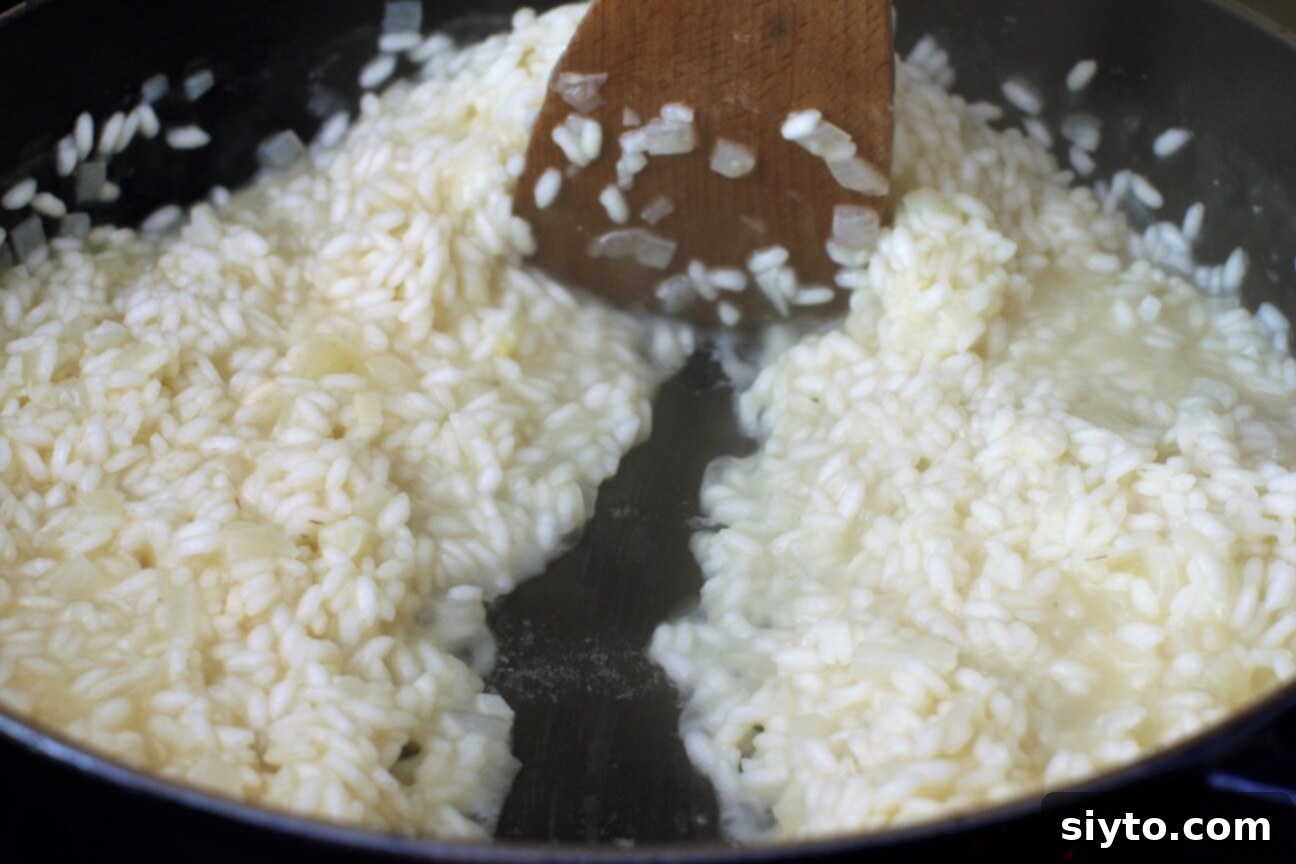
Next, in the same pan, you’ll build the aromatic base: cook finely chopped onion and additional regular garlic cloves. Remember, the cooked scapes mellow significantly, so these extra cloves are crucial for that essential garlic punch. Once softened, add the special risotto rice (Arborio or Carnaroli are excellent choices) and toast it lightly until the edges of the grains become translucent. This ‘tostatura’ step helps seal the grain, allowing it to absorb liquid slowly without becoming mushy. Then, pour in a splash of dry white vermouth or white wine to deglaze the pan and infuse the dish with a rich, complex flavor. As the wine evaporates, it leaves behind its essence, ready to be absorbed by the rice.
Now, the heart of risotto making begins: the gradual addition of warm, simmering broth. This is where patience truly shines. Add the broth, one ladleful at a time, stirring consistently. The constant stirring helps release the starches from the rice grains, creating that signature creamy texture. Wait until almost all the liquid has been absorbed before adding the next ladleful. A good test is to scrape a spoon across the bottom of the pan; if the trail remains open for a few seconds before the liquid slowly oozes back in, you’re ready for more broth. This gentle, unhurried process typically takes about 20-25 minutes, transforming humble rice into a luxurious, creamy masterpiece.
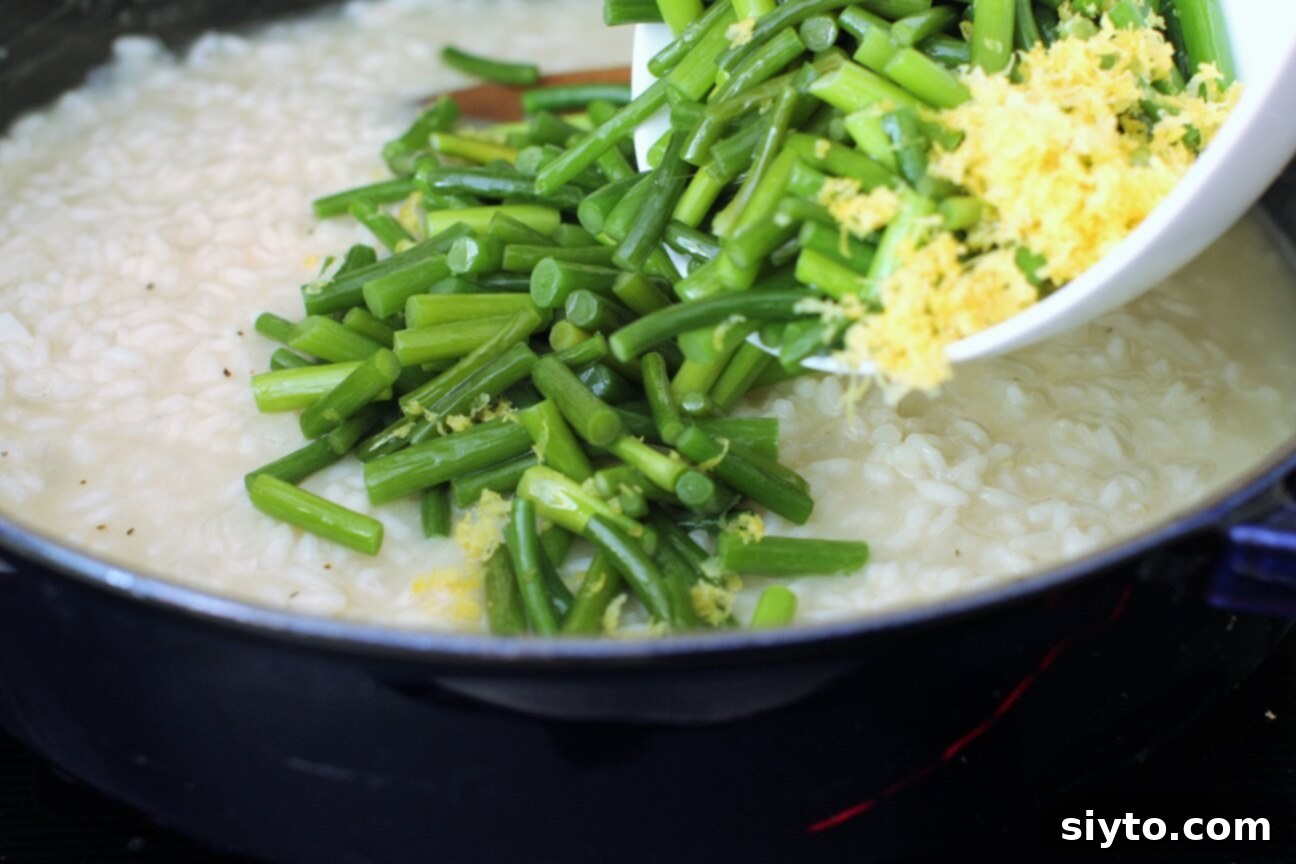
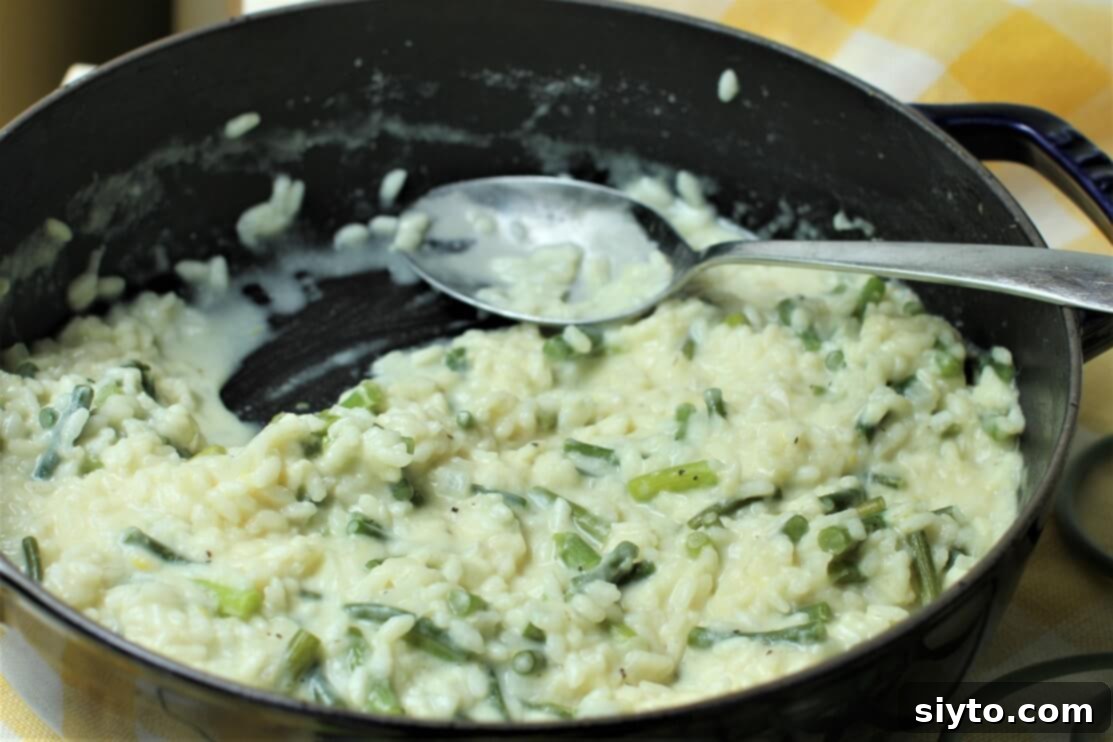
Towards the end of the cooking process, reintroduce the sautéed garlic scapes to heat through. Then, to achieve the perfect finish, stir in a generous handful of finely grated Parmesan cheese, a knob of cold butter (this technique, known as ‘mantecatura,’ adds richness and gloss), and the bright zest of one lemon. Taste and adjust seasoning as needed. The final texture should be loose and flowing, with a desirable ‘all’onda’ (wavy) consistency, allowing the liquid to gently pool between the rice kernels. Serve this luscious garlic scape risotto immediately to your hungry family or eager guests.
For an elegant touch, garnish each serving with a whole, sautéed garlic scape. This not only enhances the visual appeal, making your risotto a feast for the eyes, but also adds a delightful textural contrast and a concentrated burst of scape flavor to the palate.
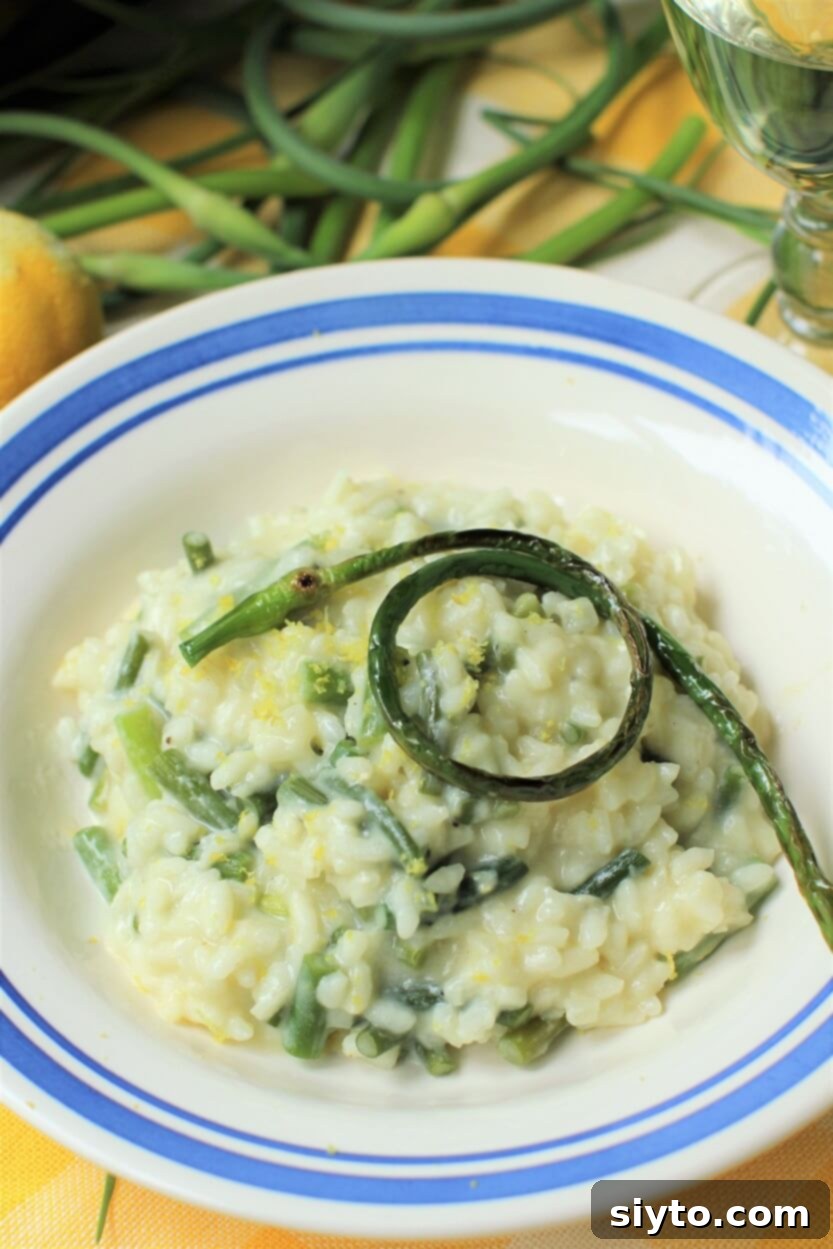
To ensure the most delightful risotto experience, keep these two crucial tricks in mind:
- **Mise en Place is Key:** Have all your ingredients meticulously prepared – chopped, measured, and ready to go – before you even begin cooking. This allows you to give your undivided attention to the stirring process, which is fundamental to achieving the perfect creamy texture.
- **Serve Immediately:** Risotto is a dish that waits for no one! Serve it the moment it’s finished cooking. The velvety sauce will start to thicken and the rice grains will continue to soften if left to sit, diminishing that coveted al dente bite and luscious fluidity.
If you’re new to making risotto, I wholeheartedly encourage you to give it a try. It’s often much easier than you anticipate, and the rewarding taste of a homemade, perfectly creamy risotto is undoubtedly worth every bit of the effort.
* * * * *
Kitchen Frau Notes: If fresh garlic scapes are unavailable, you can easily substitute them with 2 cups of chopped asparagus or trimmed green beans. In this case, increase the minced garlic to 4 cloves to ensure a robust garlic flavor. The result will be an equally fantastic and comforting asparagus or green bean and garlic risotto.
The secret to a truly great risotto lies in using a specific variety of extra-starchy rice. This special rice maintains its shape and firmness when cooked, yet simultaneously releases its starch to create that characteristic creamy sauce. Regular long-grain rice, unfortunately, would turn to mush. Arborio rice is the most commonly used variety and is widely available. However, if you can find it, I highly recommend Carnaroli rice. It is often referred to as the “King of Rices” for risotto due to its superior starch content and ability to absorb liquid without becoming sticky. Carnaroli is less prone to overcooking, and its slightly larger grains retain their distinct shape better while still yielding a wonderfully creamy texture, often creamier than Arborio. While Carnaroli rice may take an extra 3-5 minutes to cook compared to Arborio, the superior results are well worth the additional time.
An important tip: never wash risotto rice before cooking. Doing so would rinse away the valuable starches on the surface of the grains, which are essential for achieving the creamy consistency that defines this dish.
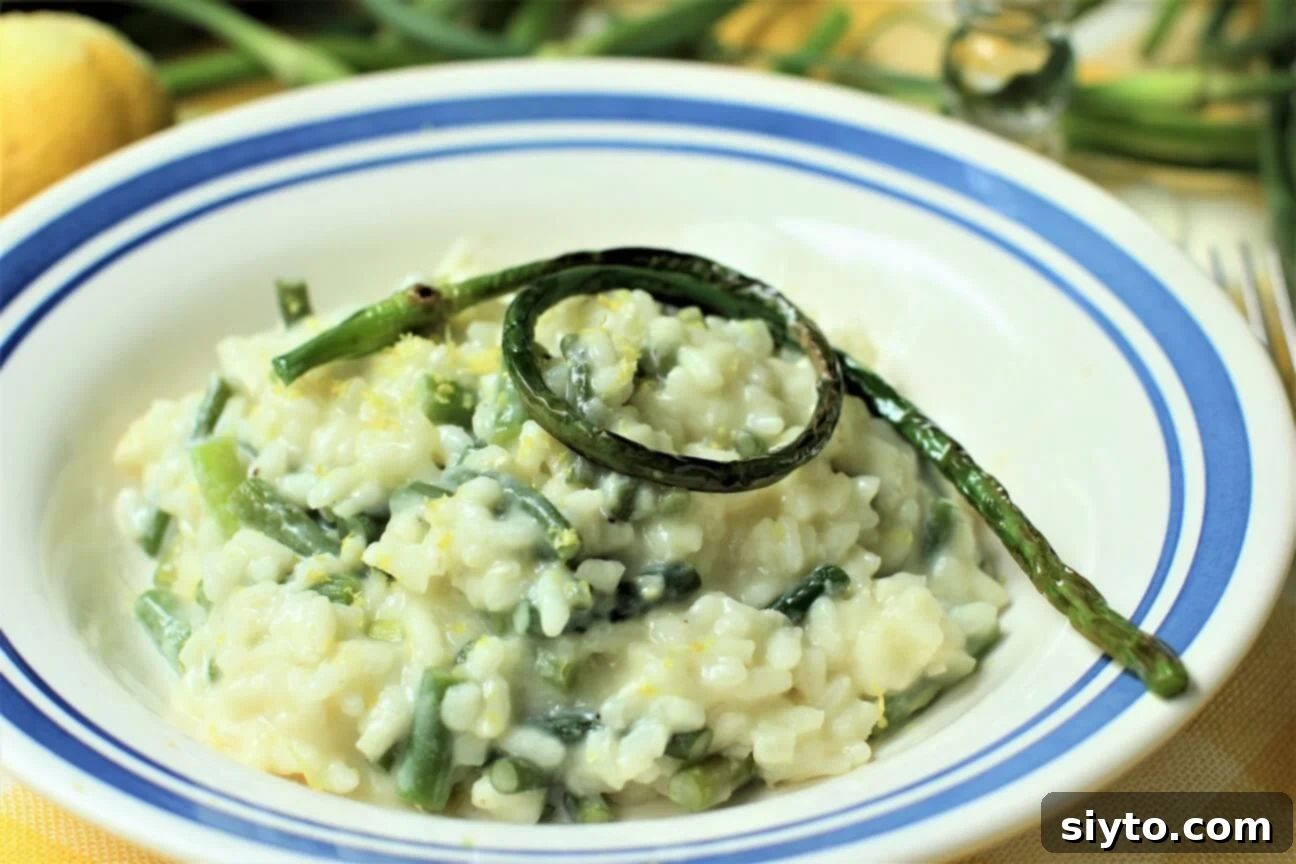
Garlic Scape Risotto
- 6 cups (1.45 liters) chicken stock, either homemade or a good quality purchased brand
- 2 tablespoons olive oil, divided
- 2 tablespoons water
- 3 tablespoons unsalted butter, divided
- 2 cups (250gms) trimmed and chopped garlic scapes, cut into 1-inch (2.5cm) lengths
- Optional: a few extra garlic scapes for garnish (stringy tip trimmed off)
- 1 medium onion, finely chopped (yielding approximately 1 cup)
- 2 cloves garlic, minced
- ½ teaspoon salt
- ¼ teaspoon black pepper, freshly ground
- 1½ cups (300gms) Carnaroli rice (or Arborio rice)
- ½ cup (120ml) dry white vermouth (or a crisp dry white wine)
- Zest of one lemon (plus additional lemon for zesting onto the finished risotto for garnish, if desired)
- ⅔ cup (80gms) finely grated Parmesan cheese, plus extra for serving
Pour the chicken stock into a medium saucepan and place it on the stove over low heat. Bring it to a gentle simmer and keep it simmering throughout the entire risotto cooking process. Maintaining warm stock is crucial for the rice to absorb liquid evenly without shocking it.
In a large, heavy-bottomed Dutch oven or a high-sided sauté pan, heat 1 tablespoon of the olive oil and the 2 tablespoons of water over medium-high heat. Add the chopped garlic scape pieces and sauté them, stirring frequently, until they become tender but still retain a slight crispness (this usually takes 3 to 4 minutes), and the water has completely evaporated. Remove the cooked scapes to a bowl and set them aside. If you plan to use whole garlic scapes for garnish, sauté them in the same skillet until lightly browned in spots, then also set them aside to top the risotto later.
Melt 1 tablespoon of the butter in the same pan used for the scapes, and add the remaining 1 tablespoon of olive oil. Add the finely chopped onion, minced garlic, salt, and pepper. Cook for about two minutes, stirring frequently, until the onions become translucent and softened. Reduce the heat to medium.
Add the risotto rice to the pan. Cook and stir continuously for 2 to 3 more minutes, ensuring that each grain of rice is well coated with the oil and butter mixture. You’ll notice some of the grains turning opaque and lightly toasting in a few spots – this is the ‘tostatura’ phase, which helps the rice absorb liquid evenly.
Pour in the vermouth or white wine. Continue to cook and stir until the liquid has completely evaporated, which typically takes about 1 minute. The alcohol will cook off, leaving behind a rich, complex flavor.
Begin adding the simmering stock, one soup ladle full (approximately ½ cup) at a time. After each addition, stir frequently as the risotto gently bubbles and cooks. It’s important not to add the next ladleful of stock until most of the previous stock has been absorbed by the rice. A good indicator is when you scrape your spoon down the center of the pan, it leaves a clean path with the liquid slowly oozing back in to refill it. Never allow the risotto to cook completely dry. While frequent stirring is key to releasing the starches for creaminess, you don’t necessarily have to stir constantly; a gentle stir every 30 seconds to a minute is sufficient.
Continue this process of adding stock, cooking, and stirring until you have used all but the last ½ cup of the stock. This entire process should take approximately 20 to 25 minutes (around 20 minutes for Arborio rice, and closer to 25 minutes for Carnaroli rice). At this point, the rice should still have a firm, al dente bite at the center of each grain, while the outside should be creamy and soft. Stir in the reserved cooked garlic scapes and cook for another minute or two, just until they are thoroughly heated through.
Remove the pan from the heat. Add the remaining 2 tablespoons of butter, the fresh lemon zest, and the finely grated Parmesan cheese. Stir vigorously to incorporate these ingredients; this final stirring, known as ‘mantecatura,’ is what creates the incredibly creamy, velvety texture. Taste the risotto and add more salt if needed (though I often find it’s not necessary, as both Parmesan and good quality stock contribute sufficient saltiness).
Finally, stir in the last ½ cup of hot stock to achieve the perfect consistency. The finished risotto should be loose and flowing, with a bit of liquid visibly pooling and swirling between the rice kernels – this is the desirable ‘all’onda’ consistency.
Serve immediately, ideally with additional fresh lemon zest grated over the top and a few sautéed garlic scapes for an elegant garnish, if desired.
Serves 4 as a main course (or 6 as a side dish).
Guten Appetit!
Want to receive new Kitchen Frau recipes directly to your email? Sign up here and you’ll get a handy and useful kitchen tip along with each recipe, too. (No spam ever.)
If you like my recipes, follow me on Instagram, Pinterest, Twitter, and Facebook. You’d make my day!
PIN IT HERE to save the recipe for later:
You might also like:
Wild Mushroom Risotto
Springtime Spinach Risotto
Mediterranean Fried Rice
Lentil Rice Bowl with Candied Pecans, Cranberries, and Knock-Your-Socks-Off Tahini-Miso Dressing