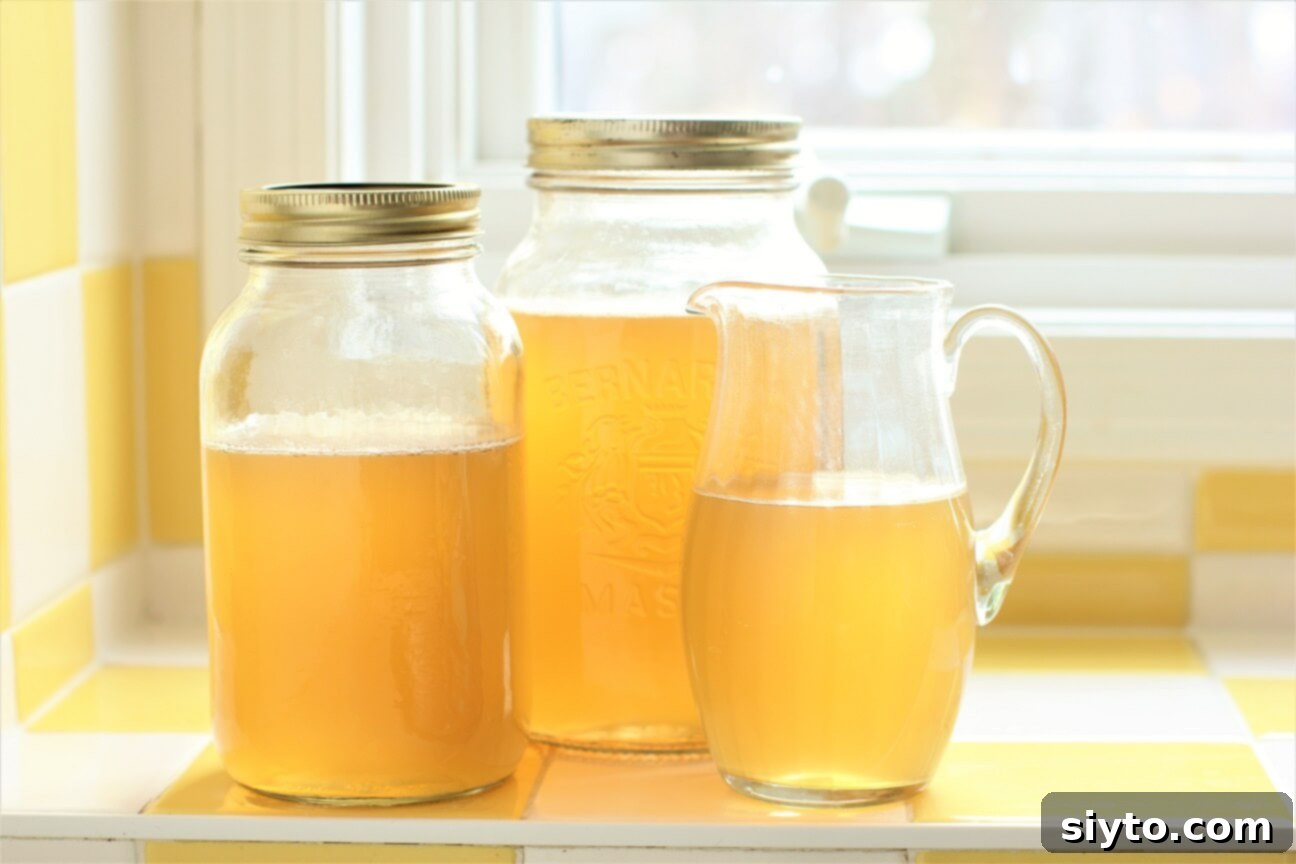
Ultimate Instant Pot Chicken Broth: Clear, Flavorful & Easy Homemade Stock
Making your own chicken broth in an Instant Pot is an incredibly straightforward process that yields a remarkably clear, deeply flavorful, and incredibly versatile liquid. Whether you plan to sip it warm, transform it into a nourishing soup, or use it as a foundational ingredient in your favorite recipes, this homemade broth elevates any dish. Plus, by preparing it in larger batches, you can freeze it to have this liquid gold readily available whenever inspiration strikes.
For years, I meticulously crafted chicken stock and broth using traditional stovetop methods or slow cookers. While these techniques are perfectly viable, the Instant Pot has undoubtedly revolutionized my approach. This pressure cooking method significantly reduces cooking time compared to both the stovetop and slow cooker, eliminating the need for constant monitoring or stirring. The most striking advantage, however, is the unparalleled clarity of the resulting broth – it’s light and sparkling, yet retains every bit of the rich flavor characteristic of longer simmering methods. The Instant Pot efficiently extracts flavor and nutrients, delivering a superior product with minimal effort.
Understanding the Essentials: Chicken Broth vs. Chicken Stock vs. Bone Broth
While often used interchangeably in everyday cooking, there are subtle yet important distinctions between chicken broth, chicken stock, and bone broth. Knowing these differences can help you choose the best base for your culinary needs and achieve desired textures and flavors.
Chicken Stock: The Foundation of Flavor
- Primary Ingredients: Typically made predominantly from bones, often roasted for deeper flavor. A small amount of meat scraps might be included, but bones are the star.
- Cooking Time: Generally simmered for a longer duration, ranging from 4 to 8 hours (or even more on the stovetop/slow cooker), to thoroughly extract collagen, gelatin, and minerals from the bones. This extended cooking time is crucial for its distinct properties.
- Texture: A hallmark of good stock is its ability to gel when cooled. This gelling is due to the high concentration of collagen released from the bones, which converts to gelatin. This gives stock a rich, silky mouthfeel when hot.
- Culinary Use: Its neutral yet rich flavor and gelling properties make it an ideal base for sauces, gravies, risottos, and highly flavored soups where it contributes body and depth without overpowering other ingredients.
- Seasoning: Often made without significant salt or added vegetables/aromatics, as these elements are typically incorporated later in the final recipe. This allows for greater flexibility in seasoning.
Chicken Broth: A Savory Sip
- Primary Ingredients: Made from a combination of chicken meat and bones. The presence of meat contributes to its distinct, more savory flavor profile.
- Cooking Time: Cooked for a shorter period, usually 1 to 2 hours. This prevents the meat from becoming overly tough while still extracting ample flavor. If a recipe calls for longer cooking, the meat can be removed once tender, and bones can continue to simmer.
- Texture: Remains liquid when cooled, as it contains less collagen than traditional stock due to the shorter cooking time and higher meat content.
- Flavor Profile: Typically includes a range of vegetables (like carrots, celery, onions), aromatics (like bay leaves, peppercorns), and seasonings, resulting in a more complete, ready-to-use flavor. It is also usually well-salted.
- Culinary Use: Excellent for drinking straight as a comforting hot beverage, or as a base for lighter soups, stews, and dishes where a well-rounded, seasoned liquid is desired.
Bone Broth: The Nutrient Powerhouse
- Primary Ingredients: Made almost exclusively from bones, often with connective tissues. The name “Bone Broth” has become popular, though it’s technically a type of stock distinguished by its preparation.
- Cooking Time: Cooked for an exceptionally long duration, typically 12 to 48 hours (in a slow cooker or on the stovetop). This extended simmering ensures maximum extraction of collagen, gelatin, amino acids, and minerals from the bones. Bones often become soft and pliable after this long cook time.
- Added Acids: An acidic component like vinegar (apple cider or white wine), lemon juice, or even a splash of wine is frequently added at the beginning of cooking. This acid helps to break down the bones and draw out more nutrients and minerals into the liquid.
- Seasoning & Use: Can be made with or without added vegetables, aromatics, and seasonings. It is often seasoned and consumed for its perceived nutritional and health benefits, but also serves as a robust base for specific recipes.
My recipe for Instant Pot Chicken Broth bridges the gap between traditional stock and broth. It primarily utilizes bones, much like a stock, to ensure a good release of collagen for body. However, I incorporate aromatic vegetables and seasonings characteristic of a broth, yielding a deeply flavorful liquid. The Instant Pot’s high-pressure cooking significantly speeds up this process; a 1-hour high-pressure cook in the Instant Pot effectively achieves results comparable to a 3-hour simmer on the stovetop.
Crafting the Perfect Pot: What Goes Into Your Instant Pot Chicken Broth?
The beauty of homemade chicken broth lies in its flexibility. You can customize ingredients based on what you have on hand, always aiming for a rich and aromatic liquid.
The Essential Chicken Component
The foundation of any great chicken broth is, of course, the chicken. You can begin with either raw or cooked chicken carcasses, assorted bony parts, or a combination of both. I often prepare large roasting chickens from local farmers once a year, portioning them for freezing. During this process, I meticulously save the carcasses, wing tips, and necks from each chicken in separate freezer bags, specifically for making future batches of stock. Alternatively, if I don’t have raw bones available, I frequently utilize carcasses from store-bought rotisserie chickens. After we’ve enjoyed the meat, I simply freeze the bones (and yes, I confess to collecting any leftover bones from plates, rinsing them, and adding them to my freezer bag of carcasses!). Once I accumulate two or three rotisserie carcasses, it’s the perfect time to make a fresh batch of Instant Pot chicken broth. Any time you have leftover bones, wing tips, or necks from cooking, or even an extra chicken thigh or leg, consider saving them in the freezer to add to your next broth. For those starting from scratch, you can easily purchase 1½ to 2 lbs (700-900gms) of chicken parts specifically for stock. Bone-in, skin-on pieces are generally preferred, with chicken wings being particularly excellent as they contribute a significant amount of collagen, leading to the richest, silkiest broth.
The Aromatic Vegetable Ensemble
The classic aromatic trio of onions, carrots, and celery forms the backbone of a flavorful chicken broth. For added color and depth, leave the peels on the onions. Beyond these staples, feel free to experiment with other root vegetables like leeks, green onions, shallots, fennel, parsnips, or even celery root (celeriac) and parsley roots or stems. A clever kitchen habit is to maintain a “veggie scrap bag” in your freezer. Every time you prepare vegetables, toss the clean peelings, ends, or herb stems into this bag. When it’s broth-making time, simply add a handful of these frozen scraps directly to the pot. However, exercise moderation; if you have an abundance of vegetable scraps, it’s often better to make a dedicated vegetable stock to avoid overwhelming the chicken flavor.
One type of vegetable to use sparingly in chicken broth is brassicas (such as cabbage, broccoli, cauliflower, Brussels sprouts, kale, or kohlrabi). While a few small pieces are acceptable, adding too many can impart a slightly bitter flavor to your finished broth, which can detract from its delicate profile.
A Note on Garlic: Personally, I choose not to add garlic to my chicken stock or broth, as I find its robust flavor can easily dominate and mask the subtle, delicate taste of chicken. While many people do include it, I prefer to save garlic for beef or vegetable broths where its strong notes complement the overall flavor profile.
My Two Essential “Secret” Ingredients for an Exceptional Chicken Broth
To elevate your homemade Instant Pot chicken broth from excellent to truly outstanding, I incorporate two special ingredients that add unique depth and complexity without overpowering the natural chicken flavor:
- Dried Shiitake Mushrooms: Adding 2 or 3 dried shiitake mushrooms to your chicken broth dramatically boosts its umami richness. Umami is often described as a savory, earthy flavor, and shiitake mushrooms are renowned for this quality. They impart a deeper, more complex savory note that enhances the chicken without making the broth taste distinctly mushroomy. You can easily find dried shiitake mushrooms in the Asian food aisle of larger supermarkets or at specialty Asian import stores. These mushrooms have a long shelf life, making them a worthwhile investment not just for chicken broth but also for beef or vegetable stocks.
- Star Anise: This is a cherished family secret. I always add 1 or 2 whole star anise pods to my chicken stocks. This spice introduces a wonderfully unique and subtly complex flavor that is both intriguing and comforting. My mother always prepared her chicken stock with star anise, and I’ve continued the tradition. My family has grown so accustomed to this special hint of flavor that they genuinely notice its absence. If you’ve never tried it, I encourage you to add just one pod the next time you make chicken stock and see what you think. You can always adjust the quantity in future batches if you desire a stronger presence.
Step-by-Step Guide: How to Make Instant Pot Chicken Broth
Making chicken broth in your Instant Pot is incredibly simple and efficient, yielding fantastic results every time.
Begin by gathering all your chosen ingredients—the chicken bones or carcass, vegetables, aromatics, and your optional secret ingredients—and place them directly into the inner pot of your Instant Pot. Fill the pot with cold water up to the maximum fill line indicated on the insert. This ensures you have ample liquid for a generous batch of broth without exceeding the safe operating capacity of your pressure cooker.
Secure the lid on your Instant Pot, ensuring it’s properly sealed, and turn the steam release valve to the “Sealing” position. Select the “Manual” mode (or “Pressure Cook” on newer models) and set the pressure to “High.” For a balanced, flavorful broth, I typically set the cooking time for 1 hour. If you’re aiming for a richer, more collagen-dense stock, you can extend the cooking time up to 2 hours. (Note: For traditional bone broth, which requires even longer extraction times, a slow cooker or stovetop simmer is usually recommended.) Once the cooking cycle is complete, allow a natural pressure release for at least 30 minutes. This crucial step helps to deepen the flavor and safely reduce pressure. After 30 minutes, if any pressure remains, carefully turn the valve to the “Venting” position to release the rest before opening the lid.
After the pressure cooking and natural release, all the wonderful flavors and nutrients from your ingredients will have been thoroughly infused into the liquid, leaving behind spent solids.
Carefully strain the hot broth through a colander placed over a large bowl or a second pot. This will separate the liquid from the solids. If you wish, you can pick off any larger pieces of cooked chicken meat from the bones to use in other dishes, like soups or sandwiches. Discard the remaining ingredients, as they have now fully contributed their flavor and nutrients. For an exceptionally clear broth, consider a second straining pass. Line a fine-mesh sieve with a clean cloth (such as a tea towel or muslin) or several layers of cheesecloth, and pour the liquid through it. This extra step removes even the finest particulates, resulting in a beautifully clear broth, especially desirable for delicate soups or consommés.
Efficient Storage: Can You Freeze Chicken Stock or Broth?
Absolutely! Freezing chicken broth or stock is an excellent way to preserve its freshness and convenience for future use. The finished broth freezes wonderfully, maintaining its quality and flavor for an extended period. Here are several effective methods for freezing your homemade broth:
- Freezer Containers: Pour the cooled broth into freezer-safe containers with tight-fitting lids. Remember to leave a small amount of headspace at the top, as liquids expand when they freeze.
- Silicone Muffin Pans: For convenient portioning, freeze the broth in ½-cup or 1-cup portions using silicone muffin pans. Once frozen solid, simply pop out the broth blocks and transfer them to heavy-duty zip-top freezer bags. This method creates easily accessible, pre-measured portions.
- Ice Cube Trays: For even smaller quantities, perfect for deglazing a pan or adding a touch of flavor to a sauce, freeze the broth in ice cube trays (silicone or regular). Once frozen, transfer the cubes to freezer bags.
- Recipe-Specific Portions: If you frequently make a particular recipe that calls for chicken broth (like a specific risotto or stew), measure out the exact amount needed for that recipe and freeze it in a labeled plastic container. This streamlines your meal prep significantly.
- Flat Freezer Bags: For space-saving storage, pour measured amounts of cooled broth into heavy-duty freezer bags. To do this, place the opened bag inside a measuring cup, tall bowl, or mug to stabilize it. Fill with the desired amount of broth, carefully press out as much air as possible before sealing tightly, and then lay the bags flat in the freezer. This method creates flat, stackable blocks that optimize freezer space. To defrost, you can either cut the bag away from the frozen block and defrost it in a bowl, or add the frozen block directly to a pot for soups or stews.
While frozen chicken broth or stock retains its best quality for up to 6 months, if kept consistently frozen at 0°F (-18°C), it will remain safe indefinitely. Always label your containers or bags with the date of freezing for optimal freshness tracking.
Guten Appetit!
* * * * *

Instant Pot Chicken Broth (or Stock)
Margaret Bose Johnson
Save to Pinterest
Equipment
- Instant Pot or slow cooker
Ingredients
- 1 large raw chicken carcass or bony chicken parts – wings, backs, necks, 1½-2 lbs (700-900gms), or use 2 carcasses from rotisserie chickens
- 1 large onion
- 1 large or 2 medium carrots
- 2 stalks celery or a chunk of celery root celeriac
- 2 bay leaves
- 1 teaspoon whole black peppercorns
- 10 cups (2.4 litres) water
Optional Ingredients:
- 1 to 2 teaspoons fine sea salt
- 2 or 3 dried shiitake mushrooms
- 1 or 2 star anise pods
- a handful of parsley stems or other herb or vegetable scraps
Instructions
- Roughly cut the onion into halves or quarters (there’s no need to peel it unless there are any moldy spots, as the peel adds color). Slice the carrots and celery into approximately 2-inch lengths (peeling the carrots is optional).
- Carefully place all the prepared ingredients into the inner pot of your Instant Pot.
- Secure the lid on the Instant Pot and ensure the steam release valve is set to the ‘Sealing’ position.
- Set the Instant Pot to ‘Manual’ Mode (or ‘Pressure Cook’ on newer models) on High Pressure for 60 minutes. (If you prefer a richer, more concentrated stock, you can set the time to 90 to 120 minutes.) Once the cooking cycle is complete, allow the pressure to naturally release for 30 minutes. After 30 minutes, carefully turn the vent to the ‘Venting’ position to release any remaining pressure, then open the lid.
- Using a slotted spoon or a straining spider, carefully scoop out the larger pieces of carcass and vegetables and transfer them into a colander positioned over a large pot or bowl. Pour the remaining contents of the Instant Pot insert into the colander to thoroughly drain the liquid. If desired, you can pick off any usable bits of meat from the bones for use in soups or sandwiches. Discard all other solid ingredients from the colander.
- For an exceptionally clear broth, strain the liquid once more through a fine-mesh strainer that has been lined with a clean tea towel, muslin cloth, or several layers of cheesecloth.
- Allow the finished broth to cool completely before using it immediately or transferring it to airtight containers for storage. If you plan to freeze the broth, ensure you leave adequate headspace in the containers to account for expansion during freezing. The broth can be safely refrigerated for up to 1 week, or frozen for up to 1 year for optimal quality.
- This recipe typically yields 10 cups or more of delicious chicken broth.
Notes
*How to Make Chicken Broth or Stock in a Slow Cooker: For slow cooker preparation, use approximately 12 cups of water, or fill your slow cooker to about 2 inches from the top. Cook on low for 8 to 10 hours for a flavorful broth, or for 12 to 24 hours to achieve a richer, more gelatinous stock.
For Bone Broth (Slow Cooker Method): If your goal is to make a nutrient-dense bone broth, a slow cooker is the ideal appliance. Add 1 to 2 tablespoons of white wine vinegar or apple cider vinegar, or 2 tablespoons of white wine, or half a lemon (with the peel) along with your bones and water. Cook on low for an extended period, typically 12 hours up to 48 hours. The acidic component helps to further break down the bones and extract more collagen and minerals. However, for bone broths cooked for 24 hours or longer, the sheer duration of cooking will often suffice to extract ample nutrients, even without the addition of an acid.
Want to receive new Kitchen Frau recipes directly to your email? Sign up here and you’ll get a handy and useful kitchen tip along with each recipe, too. (No spam ever.)
If you like my recipes, follow me on Instagram, Pinterest, Twitter, and Facebook. You’d make my day!
PIN IT HERE to save the recipe for later:
You might also like:
Homemade Chicken or Turkey Stock and Comforting Chicken Soup
How to Cut Up a Chicken
Make-Ahead Gluten Free Turkey Gravy
Maple & Mustard Glazed Roast Turkey with Killer Gravy
Healing Turmeric Broth and Soup