Mastering Gluten-Free Baking: Your Essential All-Purpose Flour Blend for Flawless Results
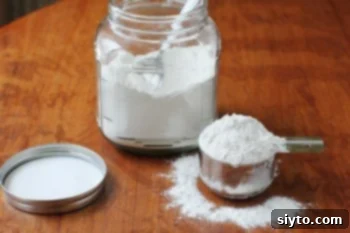
Unlock the secrets to consistently delicious gluten-free baking with this versatile all-purpose flour mix. Say goodbye to dense, crumbly results and hello to light, fluffy baked goods! (Skip to recipe.)
For many years, the phrase “gluten-free baking” often conjured up images of dense, dry, and distinctly unappetizing results. I used to be one of those who believed gluten-free baking was a perpetual struggle, a culinary compromise where taste and texture were always sacrificed. However, in the five years since I first embarked on the journey of baking without traditional wheat flour, my perspective has dramatically shifted. What once felt like a frustrating limitation has blossomed into a fascinating exploration of culinary science and ingredient alchemy.
I’ve embraced the challenge, learning the intricate dance of flours, liquids, and binders, meticulously tweaking ratios and methods until I achieve perfection. It’s a journey that often finds me in the kitchen resembling a mad scientist—muttering to myself, hair askew, and face dusted with various flours, all in pursuit of that elusive, perfectly textured gluten-free creation. The satisfaction of transforming what once seemed impossible into genuinely delightful treats is incredibly rewarding.
One of the most daunting aspects of entering the world of gluten-free baking is the overwhelming array of flour options and pre-made mixes. Stepping into the gluten-free aisle can feel like standing before a colossal paint swatch rack—a dizzying spectrum of choices, each promising to be “the best.” A quick internet search for gluten-free flour blends yields an endless stream of recipes, each author swearing theirs is the ultimate solution. This abundance, while seemingly helpful, often leads to confusion and inconsistent results for home bakers.
The Quest for the Perfect Gluten-Free Flour Mix
My kitchen has seen countless experiments with different gluten-free flour combinations. I’ve tried many blends, some performing admirably, others failing spectacularly. Some yielded wonderfully light and airy baked goods, while others produced hockey pucks that were more suited for sport than consumption. When developing recipes for the blog, I often prefer to specify individual flours for particular recipes. This approach ensures consistent results because I know exactly how each component will behave. Relying on an unspecified “gluten-free flour mix” from readers can be a gamble, as every store-bought or homemade blend varies, potentially leading to vastly different outcomes.
However, the reality of everyday baking often calls for simplicity. Constantly pulling out numerous bags and packages of specialty flours can be time-consuming and cumbersome. There are times when I simply want to reach into my flour tin, scoop out what I need, and get baking—no fuss, no muss. This is precisely why having a dependable, all-purpose gluten-free flour mix ready in your pantry is an absolute game-changer for any gluten-free kitchen. It streamlines the baking process, making it less daunting and far more enjoyable.
My Go-To Gluten-Free Flour Blend: An Adapted Recipe
Through all my experimentation, I continually return to a foundational gluten-free flour mix originally shared by Jeanne at ‘art of gluten-free BAKING.’ This blend serves as an excellent base for most baking applications, producing results that rival their gluten-containing counterparts. (It’s important to note that yeast breads are a unique challenge in gluten-free baking and typically require specialized flour combinations not covered by this general-purpose mix.)
I’ve made a slight but significant adaptation to Jeanne’s original recipe. I found the initial version a little too heavy on rice flour, which, while useful, can impart a distinct rice flavor that can overpower subtle dishes like spätzle, dumplings, or biscuits. To achieve a more neutral, wheat-like taste and texture, I substituted a substantial portion of the brown rice flour with sorghum flour. Sorghum flour, also known as sweet white sorghum flour, is a fantastic addition to gluten-free blends due to its mild flavor and fine texture, making it an ideal choice for mimicking traditional wheat flour. While I’ve experimented with other flours like millet, I find sorghum consistently delivers the best results. Millet, for some, can leave a slightly bitter aftertaste, which I prefer to avoid in my all-purpose blend.
The Power of Superfine Flours
Another key to this blend’s success is the use of superfine white rice flour. Unlike regular white rice flour, which can sometimes lead to a gritty texture in baked goods, superfine white rice flour creates a much lighter and smoother consistency. Its fine grind eliminates that undesirable grittiness, resulting in a more pleasant mouthfeel. When using superfine white rice flour, you may need to adjust by volume, as its lighter, fluffier nature means you’ll use slightly more by volume to achieve the same weight as regular rice flour.
I highly recommend sourcing Asian white rice flour, which is readily available in Asian markets and often in the international aisles of larger supermarkets. It is typically milled to a superfine consistency and is incredibly economical, usually costing less than a dollar for a 400-gram bag. A word of caution: Asian markets often stock glutinous rice flour (also known as sweet rice flour) right next to white rice flour in similar packaging. While both are used in this recipe, ensure you carefully check the labels to distinguish between them.
Precision is Key: The Advantage of Weighing Ingredients
In gluten-free baking, precision is paramount. The weights of different flours can vary significantly, even from batch to batch or brand to brand. Furthermore, measuring cups themselves can differ in size, and the way you scoop, shake, or level your flour can drastically impact the actual amount used. These inconsistencies are magnified in gluten-free recipes, where the balance of ingredients is critical to success.
For these reasons, if you’re serious about gluten-free baking and want consistently excellent results, investing in an inexpensive kitchen scale is highly recommended. A digital kitchen scale allows you to measure all your flours by weight, providing unparalleled accuracy. You can easily reset the scale to zero after each addition, weighing all the flours directly into one bowl without needing multiple measuring cups. This simple tool is a worthwhile investment, typically costing under $20, and will elevate your gluten-free baking game significantly.
With a batch of this reliable gluten-free all-purpose flour mix stored conveniently in my cupboard, my perception of gluten-free baking has transformed. It no longer feels like a chore or a compromise; instead, it has become an enjoyable and truly fun culinary adventure!
* * * * *
Kitchen Frau Notes: Essential Tips for Your Gluten-Free Flour Blend
Understanding Sweet Rice Flour: Sweet rice flour, distinct from regular white rice flour, is an essential component of this blend. It’s often referred to as glutinous rice flour or ‘mochiko’ in Asian markets. Despite its name, ‘glutinous’ refers to its sticky texture when cooked, not the presence of gluten. It is entirely gluten-free and plays a crucial role in providing elasticity and preventing crumbliness in gluten-free baked goods. You can typically find it at health food stores, Asian import stores, and increasingly in the gluten-free section of larger supermarkets.
Scaling Up for Larger Batches: To maximize convenience and ensure you always have this versatile blend on hand, I highly recommend preparing larger batches. When scaling up the recipe, especially for quantities beyond the initial small batch, it becomes even more critical to rely on weight measurements rather than volume. The margin of error with volume measurements increases significantly with larger amounts. A digital kitchen scale will be your best friend here, ensuring consistent and precise ratios every time. I personally like to make a batch that’s five times the original recipe, which saves me from frequent mixing. You can easily whisk up these larger quantities in a huge mixing bowl, a clean food-grade pail, a large stock pot, a roasting tin, or a sturdy plastic tub with a tight-fitting lid.
My Favourite All-Purpose Gluten-Free Flour Mix
adapted from the art of gluten-free BAKING
This carefully balanced blend combines a variety of gluten-free flours, each contributing unique properties to create a versatile mix that performs beautifully in a wide range of recipes. The combination ensures a delicate texture, a neutral flavor profile, and excellent structure, making it a reliable substitute for traditional wheat flour in most baking applications. Using a blend of different flours helps to mitigate the challenges often associated with single-flour gluten-free baking, such as dryness or a sandy texture.
- 1¾ cups (205 grams) superfine white rice flour* or 1¼ cups (205 grams) regular white rice flour (like Bob’s Red Mill) – Provides structure and a light texture. Superfine is preferred for less grittiness.
- 1 cup (165 grams) sweet rice flour – Adds chewiness and acts as a binder, preventing crumbling.
- 1 cup (120 grams) tapioca flour/starch – Contributes to a light, crisp texture and elasticity.
- ¾ cup (100 grams) sorghum flour (also called sweet white sorghum flour) – Offers a mild, slightly sweet, and “wheaty” flavor, enhancing overall taste and nutrition.
- ½ cup (70 grams) brown rice flour – Adds a subtle nuttiness and whole-grain fiber, contributing to a balanced blend.
- 2 teaspoons (7 grams) xanthan gum – Essential for mimicking gluten’s elasticity and binding properties, providing structure and preventing crumbly baked goods.
Instructions for Mixing:
Combine all the measured ingredients into a large mixing bowl. Using a sturdy whisk, thoroughly mix all components until they are evenly distributed and no clumps remain. Alternatively, if using a large tub or container with a tight-fitting lid, measure all ingredients into it, secure the lid, and shake vigorously until well combined. The goal is to ensure that every flour and the xanthan gum are uniformly mixed throughout the blend.
Storage Recommendations:
Store your freshly made gluten-free flour mix in an airtight container at room temperature in a cool, dark pantry. It will maintain its freshness for as long as the shortest expiry date of any individual flour used in the blend. For extended freshness, especially in warmer climates or if storing for several months, consider refrigerating or freezing the mix. Freezing can significantly prolong its shelf life, preserving the quality and flavor of the flours.
How to Use Your Gluten-Free Flour Mix:
This versatile all-purpose gluten-free flour mix is designed to be a direct, cup-for-cup substitute for regular wheat flour in most recipes. However, if you’ve opted for the lighter, superfine Asian white rice flour in your blend, you’ll want to use a slightly heaping cupful (or approximately 140 grams/5 oz.) for each cup of flour specified in your recipe, as it’s less dense by volume. For the most consistent and accurate results, especially in sensitive gluten-free recipes, always weigh the flour. This practice eliminates variability due to packing or scooping differences, ensuring perfect outcomes every time.
This recipe yields approximately 4½ to 5 cups (650 grams) of prepared gluten-free flour mix.
TO MAKE LARGER QUANTITIES: (Always use weight measures for the most precise and consistent results, especially when making larger batches, as volume errors multiply.)
Times 2 – Makes approximately 10 cups / 1.3 kg (2.9 lbs)
- 410 grams (3½ cups) superfine white rice flour* or 410 grams (2½ cups) regular white rice flour (like Bob’s Red Mill)
- 330 grams (2 cups) sweet rice flour
- 240 grams (2 cups) tapioca flour/starch
- 200 grams (1½ cups) sorghum flour (also called sweet white sorghum flour)
- 140 grams (1 cup) brown rice flour
- 14 grams (4 teaspoons) xanthan gum
Times 4 – Makes approximately 20 cups / 2.6 kg (5.7 lbs) – Use weight measures for best results
- 820 grams (7 cups) superfine white rice flour* or 820 grams (5 cups) regular white rice flour (like Bob’s Red Mill)
- 660 grams (4 cups) sweet rice flour
- 480 grams (4 cups) tapioca flour/starch
- 400 grams (3 cups) sorghum flour (also called sweet white sorghum flour)
- 280 grams (2 cups) brown rice flour
- 28 grams (2 tablespoons + 2 teaspoons) xanthan gum
Times 5 – Makes approximately 25 cups / 3.3 kg (7.3 lbs) – Use weight measures for best results
- 1025 grams (8¾ cups) superfine white rice flour* or 1025 grams (6¼ cups) regular white rice flour (like Bob’s Red Mill)
- 825 grams (5 cups) sweet rice flour
- 600 grams (5 cups) tapioca flour/starch
- 500 grams (3¾ cups) sorghum flour (also called sweet white sorghum flour)
- 350 grams (2½ cups) brown rice flour
- 35 grams (3 tablespoons + 1 teaspoon) xanthan gum
Happy Baking! With this reliable gluten-free flour blend, your baking adventures are sure to be a success.
Stay connected and never miss out on delicious recipes! Sign up here to receive new Kitchen Frau recipes directly to your email inbox, along with a handy and useful kitchen tip accompanying each recipe.
If you enjoy my recipes and culinary insights, I’d be absolutely delighted if you followed me on social media! Find me on Instagram, Pinterest, Twitter, and Facebook. Your support makes my day!
You might also like these delightful gluten-free friendly recipes:
High Protein Pancakes
Waffles with Chicken (a savory twist!)
Delicious Make Ahead Breakfast Cookies
Hearty Gluten-Free Irish Soda Bread