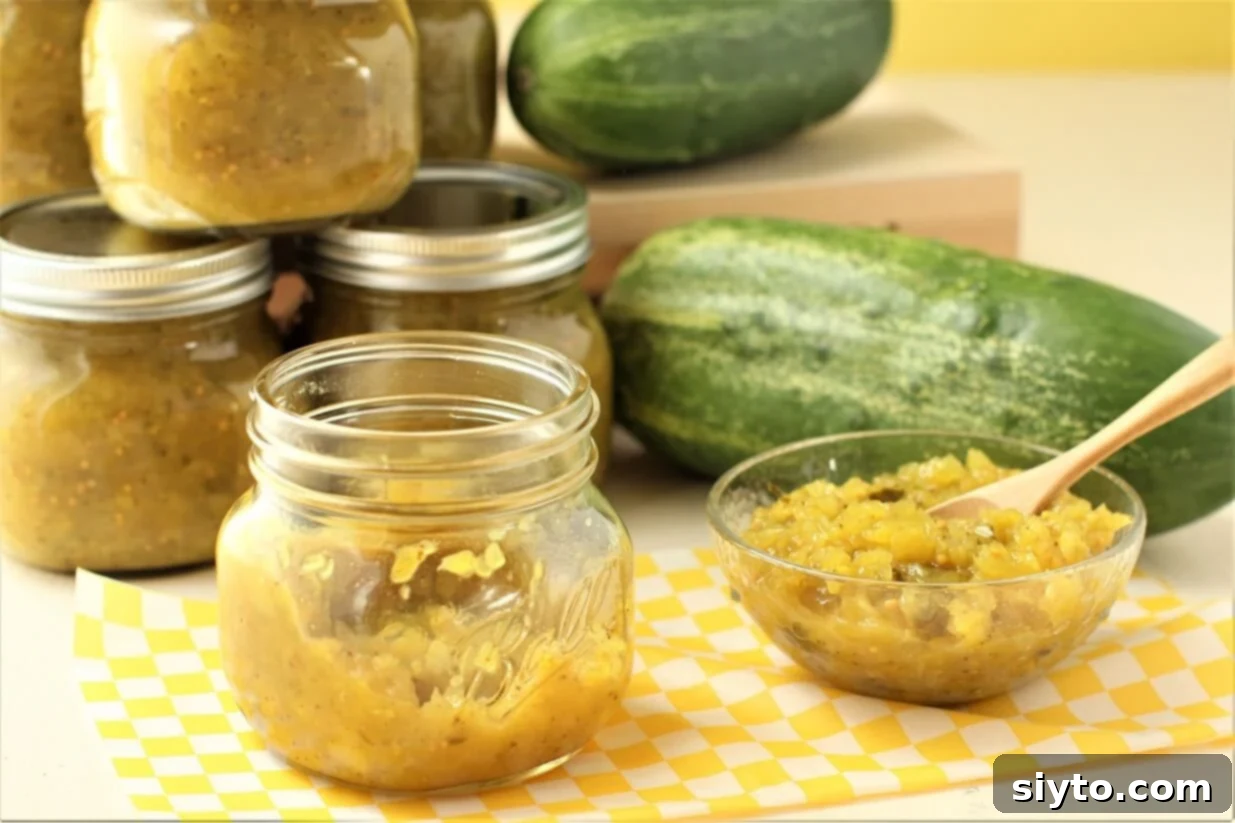
Transforming Garden Abundance: The Best Sweet & Tangy Overripe Cucumber Relish Recipe
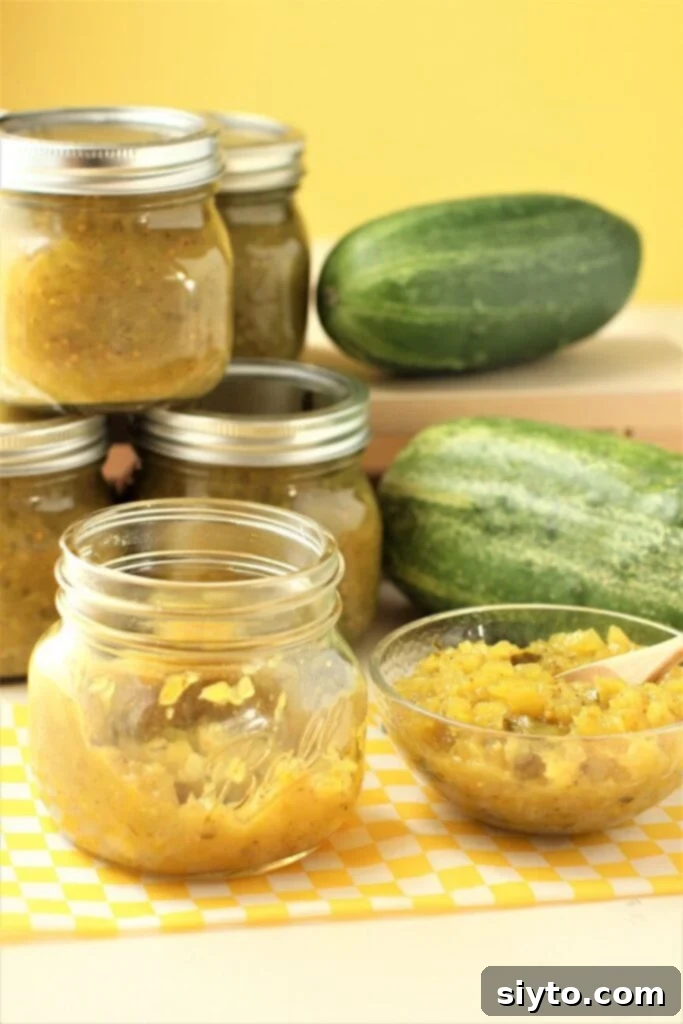
Turn those sprawling, oversized cucumbers from your garden into a vibrant, zippy cucumber relish that will elevate everything from hot dogs and hamburgers to sandwiches and grilled meats. This easy-to-follow recipe harmoniously blends overripe cucumbers with crisp apples and pungent onions, creating a delightfully sweet, tangy, and subtly mustardy condiment that hits all the right notes. It’s the perfect way to capture the essence of summer and enjoy it year-round.
Embracing the Abundance of a Thriving Garden
It’s that glorious time of year again when the garden bursts forth in a riot of lush greenery and bountiful harvests. Despite a surprisingly hot summer that required us to water for the first time in years, our garden didn’t just survive; it truly thrived! This season has been particularly generous, yielding an impressive array of vegetables. We’ve harvested an abundance of carrots, potatoes, and beets as big as fists, while zucchinis playfully hid like an army of green soldiers beneath their vast leaves. Our pumpkins are ripening to a rich orange on the vines, and hundreds of pounds of tomatoes continue to ripen daily. Everywhere you look, there’s verdant growth and the promise of delicious preserves.

This year has been exceptionally kind to our cucumbers, allowing me to make my favorite easy oven dill pickles once more. Even with a mild first frost that only just kissed the basil and the tips of our zucchini leaves, new blossoms continue to emerge, proving the garden’s resilience. The harvest has been so robust that preserving has become a daily ritual, transforming the vibrant produce into shelf-stable delights for the colder months.


Protecting this bounty has been a significant task. We installed a deer fence this year, but those persistent visitors, audaciously returning, forced us to extend it another foot higher, reaching over 6 feet. Finally, plugging a sneaky hole under the apple tree branches secured our efforts. It was a triumphant “Gotcha!” moment, allowing us to truly savor the fruits of our labor. While we appreciate wildlife, sharing our garden’s harvest with deer is not on our hospitality list (though we do occasionally enjoy a bit of venison ourselves 😉).

The Unexpected Harvest: Overripe Cucumbers
This year, our cucumbers decided to emulate their zucchini cousins, performing the classic “blimp act” right under my nose! A few days without checking beneath the dense vines, and there they were: enormous, yellowing, bloated cucumber balloons, cheekily concealed. These aren’t the slender, crisp cucumbers ideal for salads or quick pickles. But don’t despair! These oversized beauties are perfect for a different kind of culinary magic.
Don’t Throw Out Those Overripe Cucumbers!
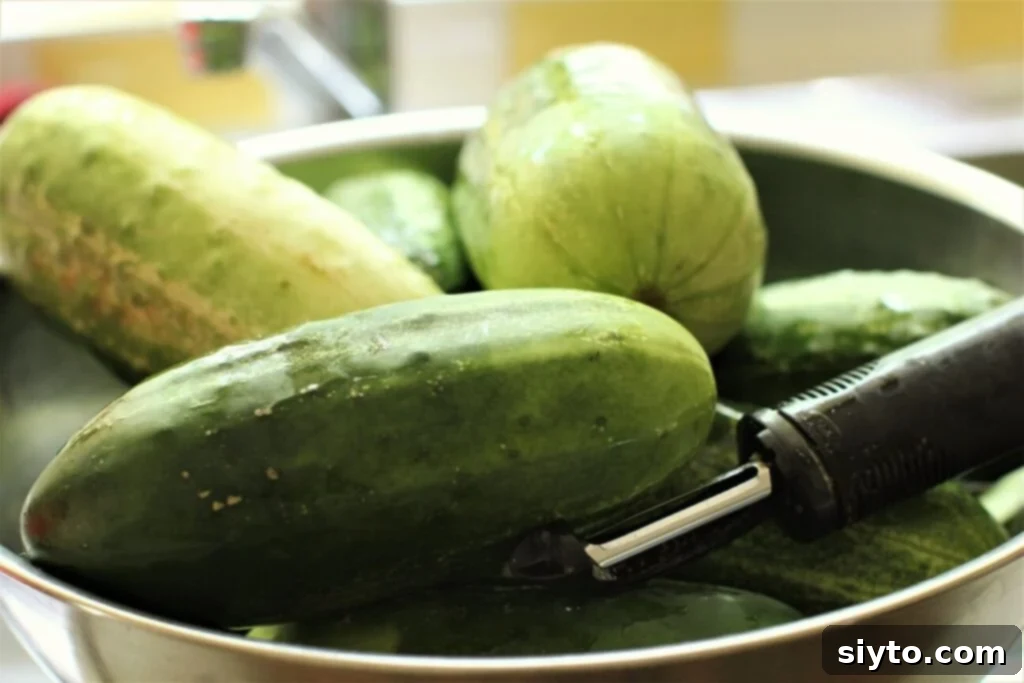
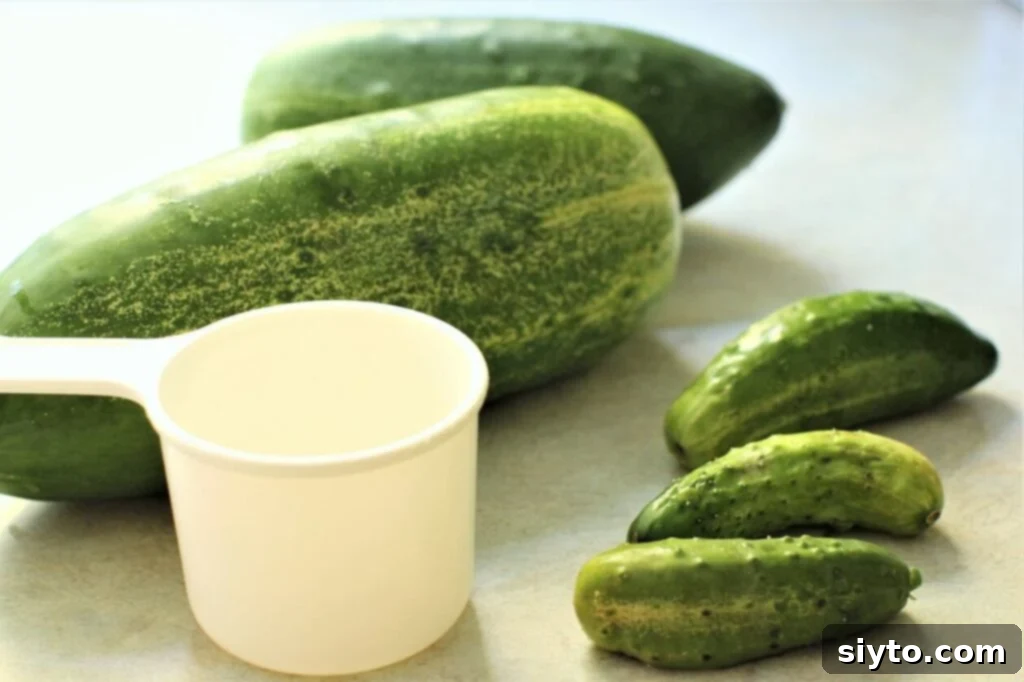
When faced with a box overflowing with big, overripe cucumbers, the best course of action is to perform a culinary Rumpelstiltskin: transform them into gold! Specifically, into a vibrant, tangy golden pickle relish that will become a staple in your pantry. These seemingly past-their-prime cucumbers are perfect for relish because their flesh is still firm, and their milder flavor (after removing the seeds) allows the pickling spices and aromatics to shine through beautifully.
Crafting the Perfect Zippy Cucumber Relish
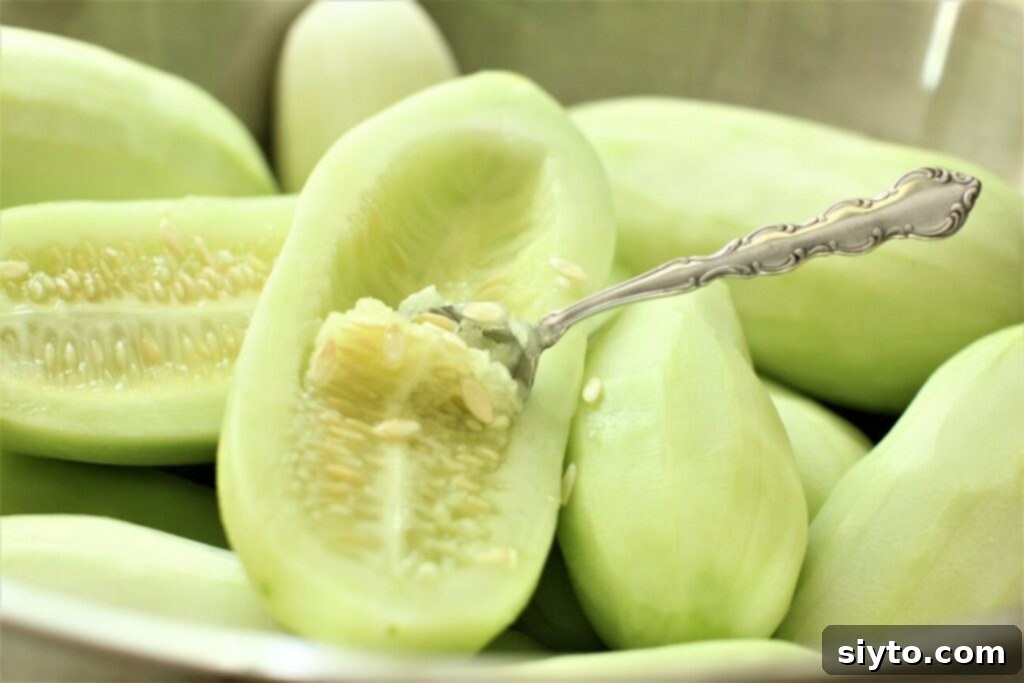
The transformation begins with a few simple steps. First, prepare your cucumbers: carefully scrape out their watery seeds, as these can make your relish too dilute. The firm, crunchy flesh that remains is your key ingredient. A food processor makes quick work of grinding the cucumbers, along with fresh onions and apples, into the ideal relish consistency. Aim for fine chunks, avoiding over-processing into a mush. The apples, left unpeeled, add a subtle sweetness, pectin for thickening, and a lovely textural contrast to the cucumber and onion.
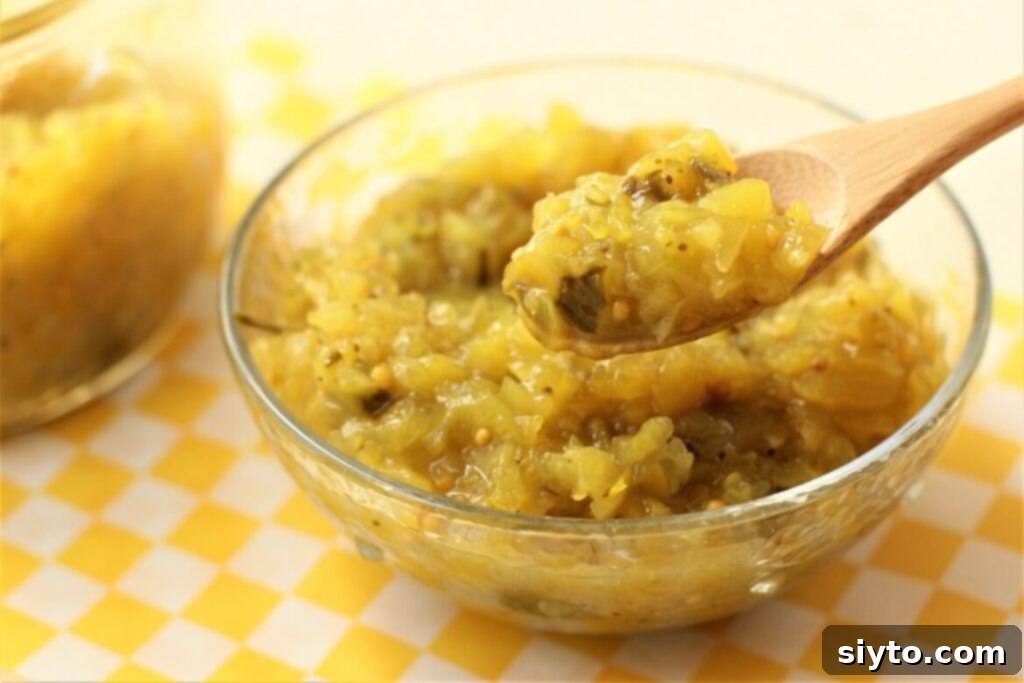
Next, the prepared mixture undergoes a crucial step: a salt soak. This process draws out excess moisture from the cucumbers and onions, concentrating their flavor and ensuring a crispier relish. After a good soak and strain, the magic truly happens as you combine the drained vegetables with a flavorful brine of vinegar, sugar, and a blend of aromatic spices. Turmeric lends its signature golden hue and earthy warmth, while ginger adds a subtle zing. Yellow mustard seeds and celery seeds contribute that classic pickle relish flavor, making this condiment irresistibly “mustardy and tangy and just right.”
Versatile Uses for Your Homemade Relish
Once perfected, this zesty cucumber relish transforms ordinary meals into something extraordinary. Forget store-bought; your homemade relish is a game-changer! It’s the ultimate accompaniment for a classic hot dog or a juicy hamburger, adding a bright, tangy burst of flavor that cuts through richness. But its versatility doesn’t stop there:
- **Sandwiches and Wraps:** Spread a generous layer onto your favorite sandwiches or wraps to add a vibrant, zesty punch. It pairs beautifully with turkey, ham, or even a simple cheese sandwich.
- **Condiment for Meats:** Serve a spoonful alongside grilled chicken, roasted pork, or even cold cuts. The sweet and tangy notes perk up any meat dish.
- **Potato and Tuna Salads:** Stir it into potato salad or tuna salad for an extra layer of flavor and texture that will have everyone asking for your secret ingredient.
- **Deviled Eggs:** A spoonful mixed into the yolk filling of deviled eggs adds a delightful tang and unexpected crunch.
- **Cheese Boards:** Offer it as a unique accompaniment on a cheese board, contrasting beautifully with creamy cheeses and crusty bread.
- **Dips and Spreads:** Blend it into creamy dips or spreads for an appetizer that’s sure to impress.
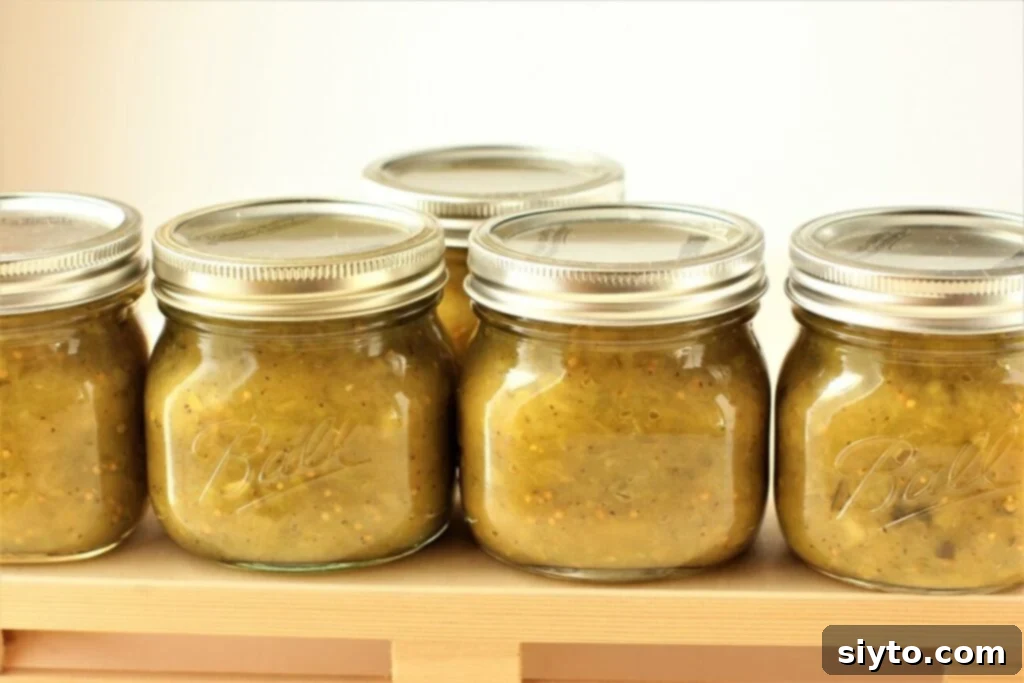
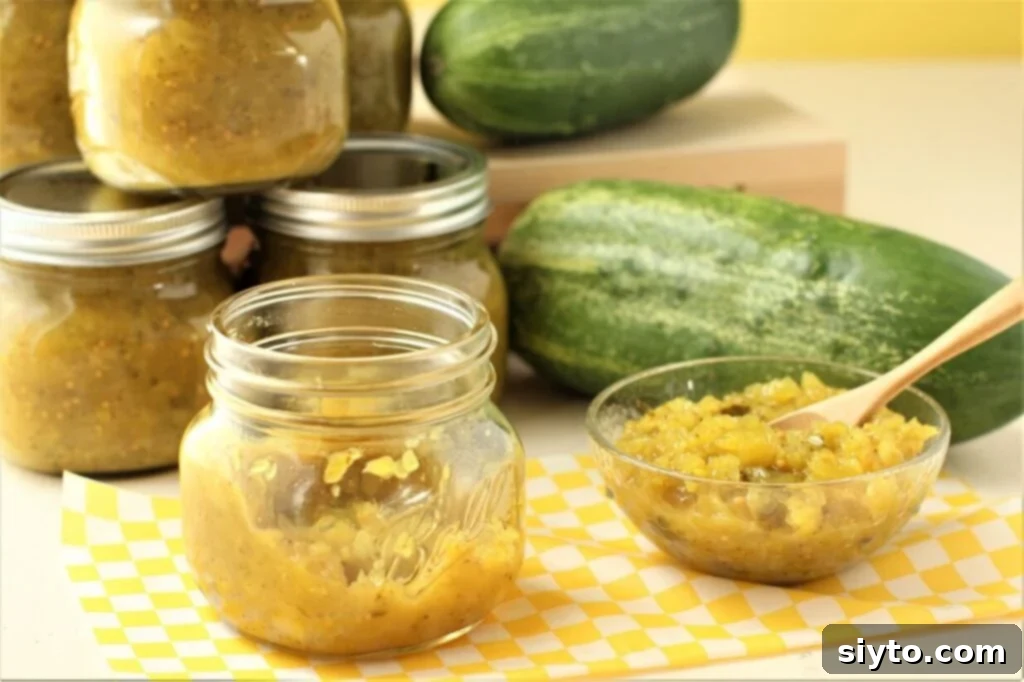
There’s immense satisfaction in looking at shelves lined with homemade preserves. A good cucumber year truly is a gift, and now our basement shelves boast rows of crisp dill pickles alongside a healthy stash of this vibrant, tangy cucumber relish, ready to be enjoyed throughout the winter months. It’s a taste of summer, preserved perfectly for when you need a little sunshine.
* * * * *
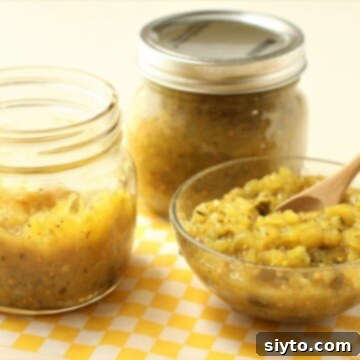
Pickle Relish Made with Overripe Cucumbers
Margaret Bose Johnson
Save to Pinterest
Ingredients
- 8 large overripe cucumbers about 7 lbs/3.2 kg total weight (16 cups when peeled, seeded, and cut into slices)
- ¼ cup (70gms) pickling salt
- 2 large onions 400gms total weight, peeled
- 2 large apples 400gms total weight, unpeeled
- 1½ cups (300gms) sugar
- 2 teaspoons ground turmeric
- 2 teaspoons ground ginger
- 1 teaspoon white pepper
- 2 tablespoons yellow mustard seeds
- 1 tablespoon celery seeds
- 3 cups (720ml) distilled white vinegar
- 1½ cups (360ml) unsweetened apple juice, divided
- 2 tablespoons cornstarch
Instructions
- Peel all but one of the cucumbers (a small amount of peel adds nice flecks of green color and texture). Cut all cucumbers in half lengthwise, then use a teaspoon to thoroughly scoop out the seeds, which can make the relish watery. Cut the resulting cucumber halves into lengthwise strips, then crosswise into ½-inch (1 cm) slices. You will need 16 cups of these slices.
- In batches, pulse the cucumber slices in a food processor until they are chopped into fine, uniform chunks – be careful not to over-process into a mush. Transfer the ground cucumbers to a large plastic, enamel, or glass bowl (avoid stainless steel for overnight salting as it can corrode). Add the pickling salt, stirring it in thoroughly to coat the cucumbers evenly.
- Cut the onions into chunks and process them in the food processor to similar-sized small chunks. Stir these into the cucumber mixture.
- Quarter and core the apples, leaving the peel on for color and pectin. Process them to similar-sized chunks immediately. Stir them into the cucumber and onion mixture right away, ensuring they are well combined and coated by the salty juices to prevent browning.
- Let the salted vegetable and apple mixture sit uncovered on the counter for at least 8 hours, or preferably overnight, to draw out excess moisture.
- In the morning, pour the entire mixture into a large colander and allow it to strain for 30 minutes. Do not press down on the mixture, allowing gravity to do its work. Discard the strained liquid. Transfer the strained mixture into a large, heavy-bottomed stock pot.
- To the stock pot, add the sugar, ground turmeric, ground ginger, white pepper, yellow mustard seeds, celery seeds, distilled white vinegar, and 1 cup (240ml) of the unsweetened apple juice.
- In a small separate bowl, whisk together the remaining ½ cup (120ml) of apple juice and the cornstarch to create a smooth slurry. Set this aside.
- Bring the relish mixture in the stock pot to a rolling boil over medium-high heat, then reduce the heat to medium and let it gently cook, uncovered, for 15 minutes.
- Stir the cornstarch slurry again (as the starch will have settled) and slowly pour it into the simmering relish, stirring continuously to ensure it disperses evenly and thickens the relish. Bring the relish back to a boil, stirring constantly, until it visibly thickens.
- For detailed instructions on how to sterilize, fill, and process canning jars, please refer here.
- Ladle the hot relish into hot, sterilized pint (500ml) or half-pint (250ml) canning jars, leaving ½ inch (1 cm) of headspace from the top. Use a butter knife or non-metallic tool to run along the inside edges of the jars to release any trapped air bubbles. Wipe the rims of the jars meticulously with a clean, damp cloth to ensure a perfect seal. Center hot, sterilized snap lids on each jar and screw on the lid rings until they are fingertip-tight (only as tight as you can get them using just your thumb and index finger).
- Process the filled jars in a boiling water bath canner for 10 minutes. Adjust for altitude as necessary.
- Carefully remove the jars from the canner and place them on a clean towel on the counter to cool completely, undisturbed, for 12-24 hours. Check seals (lids should be concave and not flex when pressed). Store properly sealed jars in a cool, dark place. For optimal flavor development, allow the relish to age for at least one week before opening and enjoying.
- This recipe yields approximately 6 pint jars, plus a small amount leftover to keep in the fridge for immediate enjoyment.
Notes
Guten Appetit!
Want to receive new Kitchen Frau recipes directly to your email? Sign up here and you’ll get a handy and useful kitchen tip along with each recipe, too. (No spam ever.)
If you like my recipes, follow me on Instagram, Pinterest, Twitter, and Facebook. You’d make my day!
PIN IT HERE to save the recipe for later:
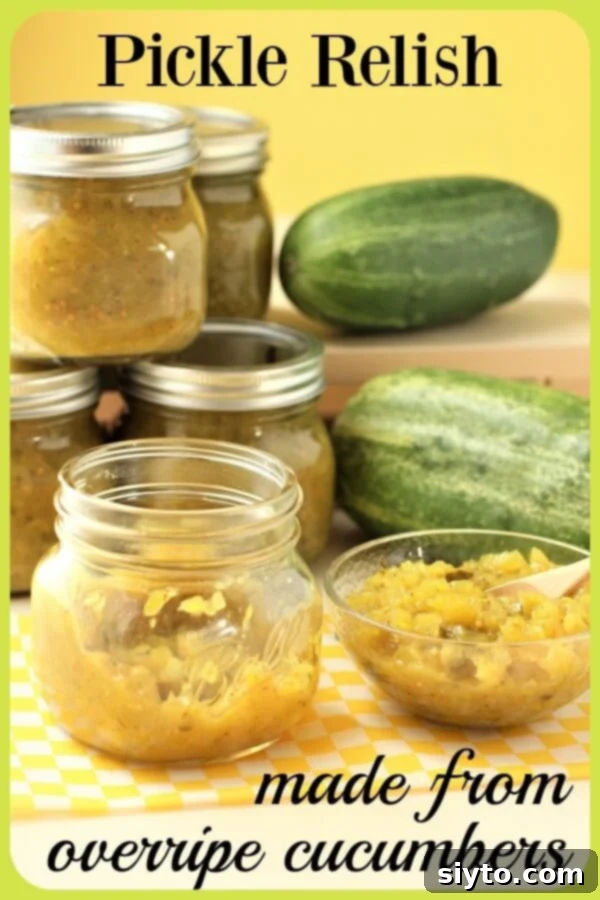
You might also like these preservation recipes:
Sweet Corn Relish
Sweet ‘n Tangy Zucchini Relish
Smoky Peach Salsa
Spicy Zucchini Salsa