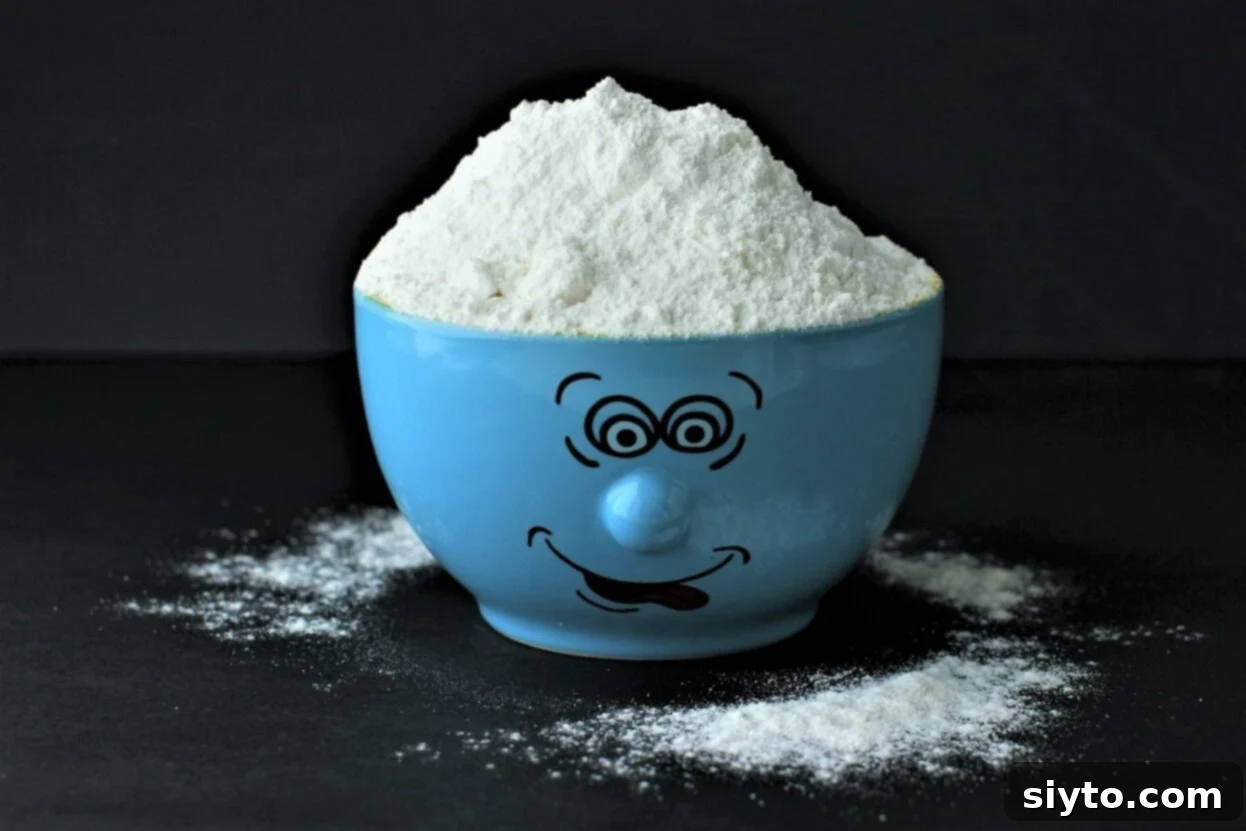
Master the Art of Gluten-Free Baking with Our Ultimate Homemade All-Purpose Flour Blend
Embark on a culinary journey to rediscover the joy of baking with my perfected homemade gluten-free flour blend. This exceptional mix is meticulously crafted to perform flawlessly as a cup-for-cup substitute for conventional wheat flour across a wide array of baked goods. From delicate cakes and chewy cookies to rustic biscuits, fluffy pancakes, tender muffins, and flaky pastries, this blend delivers consistent, outstanding results every time. Keep a canister of this versatile flour in your pantry, and you’ll unlock a world of reliable and delicious gluten-free treats, transforming your baking experience from challenging to wonderfully rewarding. (Jump straight to the recipe!)
(This post has been updated with an even more refined recipe, building upon my original gluten-free flour blend, first shared in 2016. This latest iteration represents years of refinement and dedicated experimentation.)
“Gluten-free baking sucks.” That used to be my unwavering declaration. For years, the mere thought of baking without traditional wheat flour filled me with dread, often leading to dense, crumbly, or otherwise disappointing results. However, in the 11 years since I first embarked on this gluten-free journey, my perspective has dramatically shifted. I’ve traversed a long and winding road of experimentation, learning the intricate nuances that make gluten-free baking not just tolerable, but truly enjoyable. The process has become a fascinating dive into the science of ingredients – meticulously adjusting ratios of flours, starches, and liquids until the perfect harmony is achieved. There are moments in my kitchen when I truly feel like a mad scientist, complete with murmurs of concentration, wild hair, and a flour-streaked face, as I relentlessly tweak and refine recipes. While there have certainly been numerous culinary catastrophes along the way (much to the delight of my ever-eager chickens!), each “dud” has served as a valuable lesson, guiding me closer to consistent gluten-free perfection.
The quest for the ideal gluten-free flour blend can feel akin to standing before an overwhelming wall of color samples at a paint store. The internet is awash with countless recipes for GF flour mixes, each boldly proclaimed as “the best.” This sheer volume of choices can be dizzying, making it incredibly difficult to know where to begin. Adding to the challenge is the undeniable fact that commercially prepared gluten-free flour blends are often prohibitively expensive, making frequent gluten-free baking a costly endeavor for many households.
In my extensive experience, I believe I’ve sampled nearly every type of gluten-free flour blend imaginable. Some perform admirably, yielding satisfactory results, while others fall spectacularly short. Certain blends have a knack for producing wonderfully light and airy baked goods, while others consistently result in dense, unpalatable hockey pucks. It’s often a frustrating game of Russian roulette. When developing recipes for this blog, I usually prefer to specify individual flours or a custom blend tailored for that particular recipe. This approach helps ensure consistent results for my readers, eliminating the variability that comes with relying on a generic, store-bought gluten-free flour mix, which can drastically alter the outcome depending on the brand used.
However, it’s undeniable that having a reliable, ready-to-use homemade gluten-free all-purpose flour mix significantly streamlines life in a gluten-free kitchen. For a mere fraction of the cost of commercial blends, you can create a custom, superior blend that consistently delivers excellent results across most baking applications. This homemade solution not only saves money but also provides peace of mind, knowing exactly what ingredients are in your flour.
I’ve relied on my homemade gluten-free flour blend for many years, and it has proven effective in nearly all types of baking. (It’s worth noting that yeast breads represent a different category, often requiring specialized flours and techniques due to their unique rise and texture requirements.) Despite its proven track record, my passion for perfection led me to continuously tweak and refine the recipe. A few years ago, I experimented by incorporating a small amount of potato flour (distinct from potato starch) into the blend. This addition was a game-changer; it noticeably increased the “stickiness” and cohesion of the dough, resulting in even more consistent, beautifully textured baked goods. The enhanced performance was so remarkable that I knew it was time to share this improved version with you, enabling fellow gluten-free bakers to achieve their best results yet.
This particular gluten-free flour blend is an absolute dream to work with. While it does require stocking a handful of different flours, once you have them on hand, whipping up a batch of this exceptional blend is incredibly quick and simple. I’ve experimented with simpler blends using only two or three different flours and starches, but I’ve consistently found them to be lacking in overall performance and versatility. The secret to a truly effective gluten-free all-purpose flour lies in understanding that each individual gluten-free flour or starch possesses distinct properties. To create a mixture that most closely mimics the texture, structure, and binding capabilities of conventional wheat flour, a diverse array of these specialized gluten-free flours is essential. This combination allows for a balanced blend that can handle various baking tasks with grace.
For optimal results and a superior texture, I strongly recommend using superfine white rice flour instead of its regular counterpart. The superfine grind produces a much lighter, more delicate texture in baked goods, effectively eliminating the common grittiness often associated with standard white rice flour. However, be aware that because it’s lighter and fluffier, you’ll need to use a slightly higher volume when measuring by cups to achieve the same weight. Superfine rice flours can often be conveniently ordered online, found in specialized Asian import stores, or sometimes located in the Asian section of larger, well-stocked supermarkets.
Sweet rice flour, which is distinct from regular white rice flour, is another crucial component of this blend. You can typically source it at health food stores, Asian import markets, and occasionally within the dedicated gluten-free sections of larger supermarkets. In Asian markets, it’s often labeled as ‘mochiko’ sweet rice flour or ‘glutinous rice flour.’ It’s important to clarify that despite being derived from glutinous, or sticky, rice, this flour contains absolutely no gluten, making it perfectly safe for gluten-free diets. Its unique sticky property is what contributes to the improved texture and binding in our blend.
For those who bake frequently or wish to save time, I’ve provided measurements for making larger batches of this flour blend below. When preparing larger quantities, the precision of weighing ingredients becomes even more critical, as any slight margin of error is magnified across the increased volume. A digital kitchen scale is an indispensable tool for accurate results. I personally prefer to prepare a batch five times the original recipe size; this way, I avoid the constant need to mix smaller quantities. I typically whisk it together in a generously sized bowl, but a clean pail, a large stock pot, or a spacious plastic tub with a tight-fitting lid would also work perfectly for mixing and storage.
The weight of a cup of flour can be surprisingly inconsistent due to several factors. Variations in measuring cup sizes, differences in how one scoops (whether lightly spooning, scooping and shaking, or compacting), and even the brand or grind of the flour itself can lead to significant discrepancies. For serious gluten-free bakers, investing in an inexpensive yet reliable kitchen scale is a game-changer. With a scale, you can easily tare (reset to zero) between each ingredient, allowing you to weigh all your flours directly into one bowl without the need for multiple measuring cups. This small investment, usually under $20, will pay dividends in consistent, professional-quality baking results. It eliminates guesswork and brings scientific precision to your kitchen.
Important Note on Measuring: If you opt for regular ground white rice flour and sweet rice flour, this gluten-free flour blend can be used as a straightforward cup-for-cup substitute for regular all-purpose flour. However, if you use superfine ground white rice flour and sweet rice flour (like the specific Asian brand I prefer), the blend will inherently be a bit lighter and fluffier by volume. In this case, you’ll need to use a slightly more generous, or “heaped,” cupful to effectively substitute for regular flour by volume. This is precisely why I advocate for using a digital scale and relying on weight measurements for all my recipes. When you measure by weight, the specific volume or your scooping technique becomes irrelevant – the consistency of your flour blend will always be precise and repeatable, leading to better baking outcomes.
How Much Does a Cup of Flour Really Weigh?
It’s a surprisingly complex question with no universal consensus within the baking community: how much does a single cup of flour actually weigh? The reported range can be quite broad, varying from 120 grams (as suggested by reputable sources like King Arthur Flour) to 150 grams per cup of all-purpose flour (as seen with bakers like Anna Olson), even among official and highly respected culinary sites! While this discrepancy might seem negligible for recipes requiring only a cup or two of flour, when you scale up to larger proportions, the difference can significantly impact the texture, structure, and overall success of your baked goods. The variability stems from several factors: the method of filling a measuring cup (e.g., scoop and shake, scoop and level with a knife, or fluffing and spooning into the cup), leading to considerable human variation. How much do you tap or shake the cup to level it? How densely packed is your flour? Furthermore, different brands of measuring cups can vary in size, and different brands of flour can be heavier or lighter depending on the fineness of their grind or how compressed they are in their packaging. Even environmental factors like humidity can influence flour weight. This confluence of variables underscores why using a reliable kitchen scale and precise weight measurements for flour (and indeed, many other ingredients) is the most effective way to achieve truly consistent and professional-level results in all your baking endeavors.
Through extensive testing and consistent application across all my recipes, I’ve found that using 135 grams or 140 grams as a standard weight measurement per cup of flour yields the most optimal and reliable results.
With a well-stocked jar of this reliable homemade gluten-free all-purpose flour blend always at the ready in my cupboard, the phrase “gluten-free baking sucks” has become a distant, forgotten memory. Instead, it has transformed into an enjoyable and highly rewarding part of my culinary life! (And as a delightful side effect, my chickens now have to be content with their regular feed, no longer benefiting from my baking mishaps.) Embrace this blend, and prepare to fall in love with gluten-free baking all over again.
* * * * *
Kitchen Frau Notes: It’s crucial to understand the distinction between potato flour and potato starch, as they are not interchangeable in baking. Potato flour is produced from whole potatoes that are dehydrated and then finely ground, retaining the full nutritional profile and fiber of the potato. In contrast, potato starch is simply the isolated starch extracted from potatoes, offering a different texture and binding property. While this flour blend will still perform well if you choose to omit the potato flour, its inclusion genuinely elevates the blend, contributing to an optimum gluten-free texture and structure. It adds a subtle stickiness and moisture retention that makes a noticeable difference in the final baked good.
My Updated Favourite Gluten-Free All-Purpose Flour Blend
- 1¾ cups (205 grams) superfine white rice flour* or 1¼ cups (205 grams) regular white rice flour
- 1 cup (165 grams) sweet rice flour (also commonly known as ‘glutinous’ rice flour or ‘mochiko’ in Asian markets)
- 1 cup (120 grams) tapioca flour/starch (provides elasticity and chewiness)
- ¾ cup (100 grams) sorghum flour (also referred to as sweet white sorghum flour, adds a light, neutral flavor and tender crumb)
- ½ cup (70 grams) brown rice flour (contributes to structure and a slight nutty flavor)
- 3 tablespoons (33 grams) potato flour (ensure it’s potato flour, not potato starch, for improved binding and moisture)
- 2 teaspoons (7 grams) xanthan gum (essential for binding and mimicking gluten’s elasticity, preventing crumbling)
Simple Instructions for Preparation: Measure all the specified ingredients into a generously sized bowl and whisk them together thoroughly until uniformly combined. Alternatively, for a mess-free method, you can measure the ingredients into a large tub with a tight-fitting lid and shake vigorously until the mixture is completely blended. This ensures all components are evenly distributed throughout the blend, ready for perfect baking.
Storage Guidelines: Store your freshly mixed gluten-free flour blend in a tightly sealed, airtight container at room temperature in a cool, dark pantry. For optimal freshness, it will keep well until the earliest expiry date of any individual flour used in the blend. To significantly extend its shelf life, consider refrigerating or freezing the blend, especially if you’ve made a large batch or if your kitchen tends to be warm.
How to Use This Versatile Blend: Utilize this exceptional gluten-free flour mix as a direct cup-for-cup substitute for regular all-purpose flour in most recipes. If you’ve opted for the superfine Asian rice flour variant, remember that it’s lighter by volume, so use a slightly heaping cupful to compensate. For the most precise and consistent baking results, I highly recommend weighing your flour; measure 140 grams (approximately 5 oz.) to substitute for each cup of regular flour called for in your recipes. Weighing eliminates common volumetric inconsistencies and ensures your baked goods turn out perfectly every time.
Yield: This recipe makes approximately 4½ to 5 cups (680 grams) of homemade gluten-free flour blend.
TO MAKE LARGER QUANTITIES FOR THE AVID BAKER:
For convenience and efficiency, especially if you bake frequently, preparing larger batches of this versatile gluten-free flour blend is highly recommended. For the most accurate and consistent results across these scaled-up recipes, always prioritize using weight measurements over volumetric cups.
Times 2: Yields approximately 10 cups (1.3 kg) of blend
- 410 grams (3½ cups) superfine white rice flour* or 410 grams (2½ cups) regular white rice flour
- 330 grams (2 cups) sweet rice flour
- 240 grams (2 cups) tapioca flour/starch
- 200 grams (1½ cups) sorghum flour
- 140 grams (1 cup) brown rice flour
- 66 grams (6 tablespoons) potato flour (not potato starch)
- 14 grams (4 teaspoons) xanthan gum
Times 4: Yields approximately 20 cups (2.7 kg) of blend
- 820 grams (7 cups) superfine white rice flour* or 820 grams (5 cups) regular white rice flour
- 660 grams (4 cups) sweet rice flour
- 480 grams (4 cups) tapioca flour/starch
- 400 grams (3 cups) sorghum flour
- 280 grams (2 cups) brown rice flour
- 132 grams (¾ cup) potato flour (not potato starch)
- 28 grams (2 tablespoons + 2 teaspoons) xanthan gum
Times 5: Yields approximately 25 cups (3.4 kg) of blend
- 1025 grams (8¾ cups) superfine white rice flour* or 6¼ cups (1025 grams) regular white rice flour
- 825 grams (5 cups) sweet rice flour
- 600 grams (5 cups) tapioca flour/starch
- 500 grams (3¾ cups) sorghum flour
- 350 grams (2½ cups) brown rice flour
- 165 grams (1 cup minus 1 tablespoon) potato flour (not potato starch)
- 35 grams (3 tablespoons + 1 teaspoon) xanthan gum
Happy Baking with Your Perfected Gluten-Free Flour Blend!
Want to receive new Kitchen Frau recipes directly to your email? Sign up here and you’ll also get a handy and useful kitchen tip along with each recipe. (No spam, ever—just delicious inspiration!)
If you enjoy my recipes and find them helpful, I would be absolutely delighted if you would follow me on Instagram, Pinterest, Twitter, and Facebook. Your support truly makes my day!
PIN IT HERE to effortlessly save this invaluable gluten-free flour blend recipe for all your future baking adventures:
You might also find these related gluten-free recipes delightful:
The Best Ever Light and Flaky Gluten-Free Biscuits
Delectable Zucchini Chocolate Cake (Gluten-Free Friendly)
My Favourite Moist & Delicious Banana Bread Recipe (Easily Adaptable for GF)
Irresistible Pizza Muffins (A Gluten-Free Snack Idea)