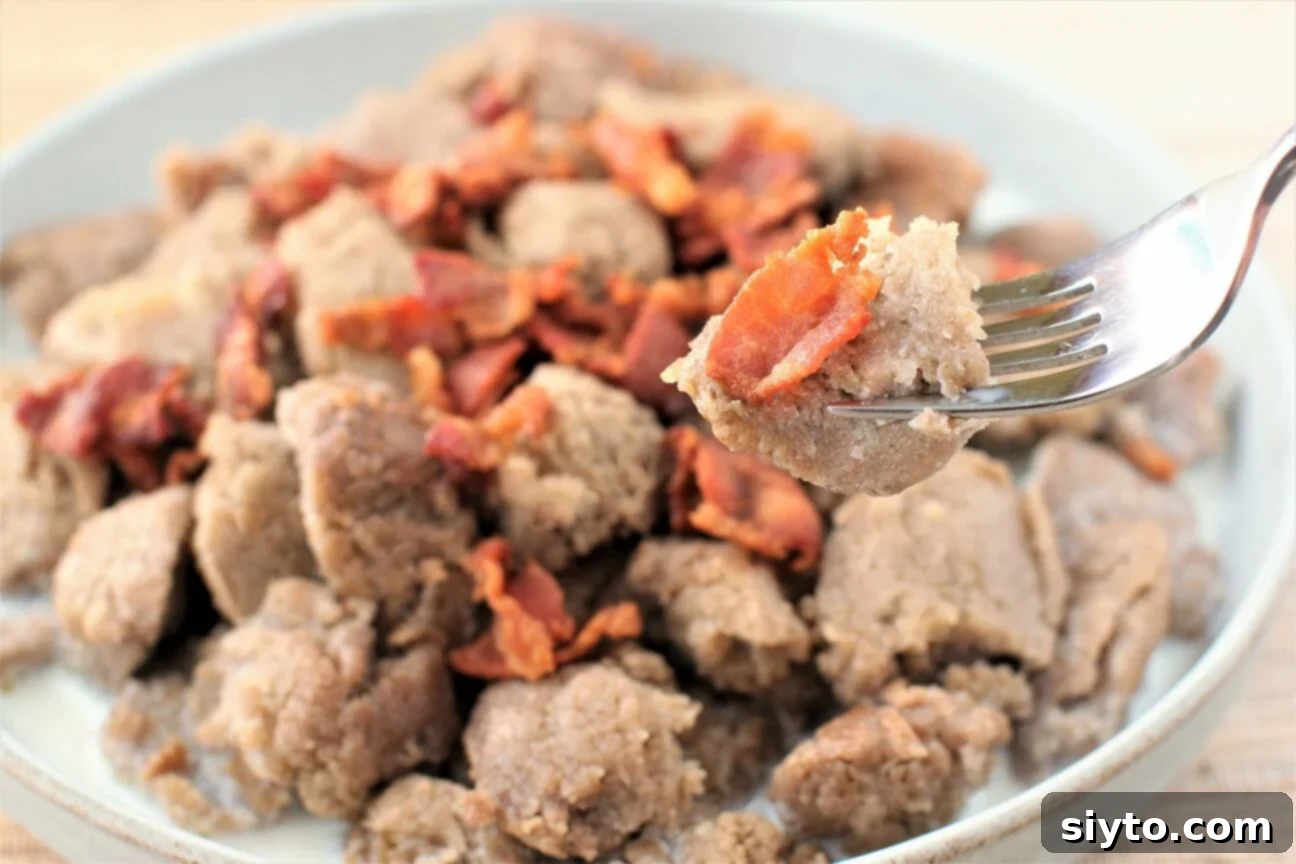
Discover Stäerzelen: Authentic, Easy-to-Make Luxembourg Buckwheat Dumplings
Soft, pillowy, and delightfully rustic, Stäerzelen are spoonful-sized dumplings deeply rooted in Luxembourgish culinary tradition. Crafted with surprising simplicity from just buckwheat flour and water, these unique dumplings are prepared using an unconventional method that sets them apart. Their distinctively nutty flavor makes them an excellent, versatile side dish or transforms into a wonderfully comforting main course when enhanced with crispy bacon and a pour of warm milk. (Jump to the full recipe below.)
This month, our culinary adventure for the Eat the World recipe challenge takes us to a charming, often-overlooked gem nestled in the heart of Europe: Luxembourg. Officially known as the Grand Duchy of Luxembourg, this fascinating country, with Luxembourg City as its picturesque capital, might be small in size but boasts an impressive profile. It stands as one of Europe’s wealthiest nations, yet maintains a cozy population of just over six hundred thousand inhabitants. Bordered by Belgium, France, and Germany, Luxembourg is a vibrant melting pot of cultures, reflected in its three official languages—Luxembourgish (a West Germanic language), French, and German—and its delightful cuisine, which harmoniously blends French and German culinary traditions. Beyond its economic prowess, Luxembourg captivates visitors with its breathtaking natural beauty and a staggering number of historical sites, including over 100 castles. It’s truly a destination high on many travel wish lists, including mine!
While delving into the vast world of Luxembourgish cuisine for a dish to try, I stumbled upon a type of dumpling that instantly captivated my interest: Stäerzelen. This traditional dish originates from the Ösling peasants in the Ardennes Mountains, located in the northern region of Luxembourg. These plump, humble dumplings possess an undeniable rustic charm and an utterly delightful texture—soft, tender, and exquisitely pillowy. Their flavor is rich and inherently nutty, making them superb when simply served with melted butter. However, their versatility shines when they become a wonderful base for melting cheese or pairing with your favorite sauces. If this is what “peasant food” tastes like, then count me in!
The intriguing name of these hearty buckwheat dumplings, Stäerzelen, derives from the word stäerzel, which translates to ‘a spoonful’. This directly refers to their unique method of formation: scooping out individual spoonfuls of dough. What truly sets Stäerzelen apart is not just their simple composition of buckwheat flour, salt, and water, but their distinctive cooking technique. Unlike most dumplings that are formed raw and then boiled, Stäerzelen dough is cooked first, and then the dumplings are shaped from this prepared mass. This innovative approach means there’s no need for boiling the formed dumplings in water, making the entire process incredibly quick and efficient. The dough itself cooks in less than a minute, and once ready, you simply scoop and shape the dumplings, making them almost instantly ready to savor.
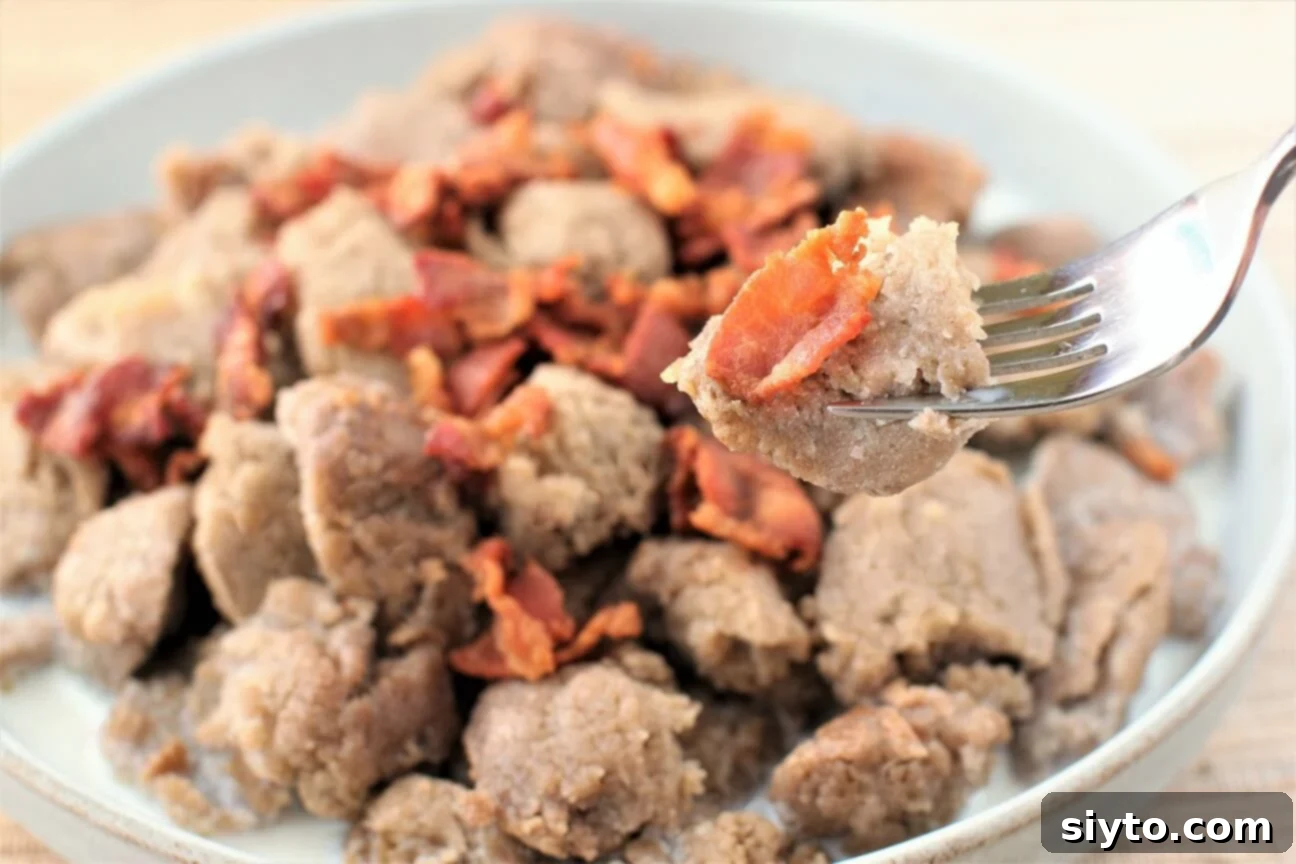
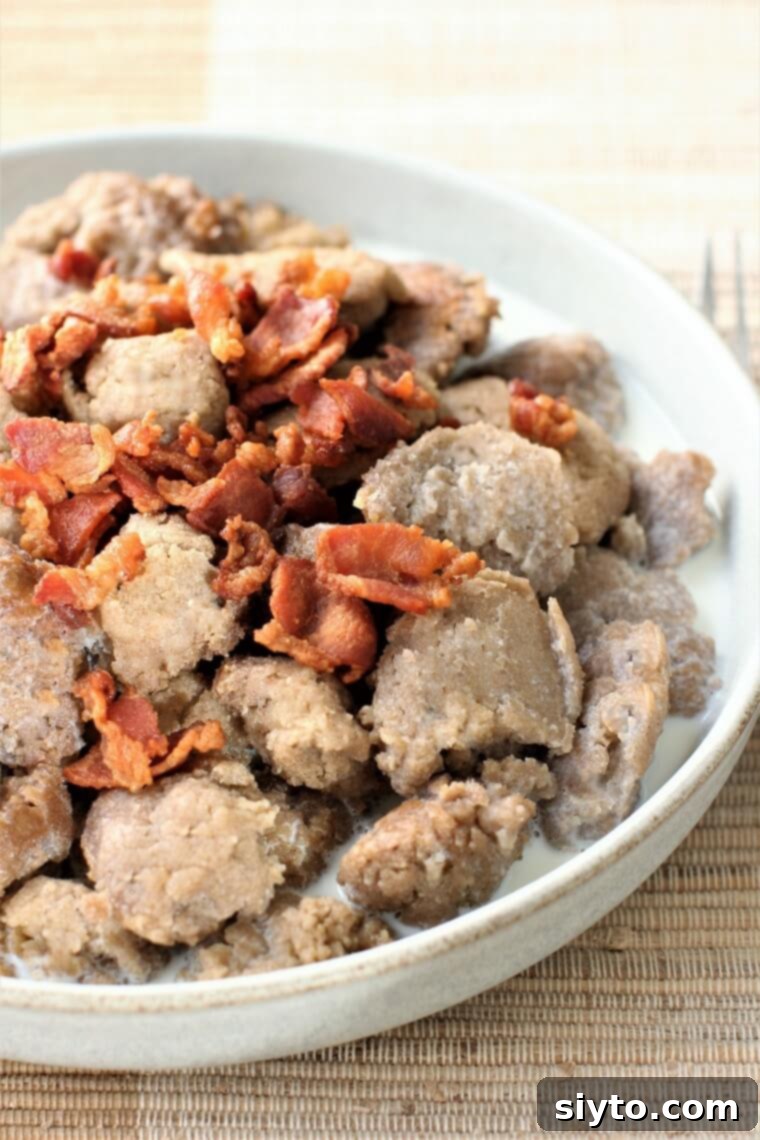
In Luxembourg, Stäerzelen are traditionally presented mounded on a plate, generously drizzled with hot milk or cream, and then scattered with savory pieces of cooked bacon or speck. This classic preparation creates a dish that is both toothsome and utterly delicious, providing a truly comforting culinary experience.
What’s the Buzz About Buckwheat? A Nutritional Powerhouse
These little buckwheat dumplings are not just soft, tender, and incredibly tasty; they are also surprisingly good for you, thanks to their primary ingredient: buckwheat flour. Buckwheat, often considered an underdog in Western diets, is a nutritional powerhouse loaded with numerous health benefits. It’s important to clarify that despite its name, buckwheat contains no wheat whatsoever. It is, in fact, the seed of a plant botanically related to rhubarb and sorrel, classifying it as a “pseudocereal.” This means it’s used culinarily like a grain but isn’t a true cereal grain. This remarkable little seed is exceptionally rich in antioxidants, including powerful compounds like rutin, catechin, and quercetin, which are known for their anti-inflammatory and protective properties. Furthermore, buckwheat is an excellent source of dietary fiber, crucial for digestive health, and provides an array of other essential nutrients. Uniquely, it stands out as a complete protein, offering all nine essential amino acids—a rarity for plant-based foods—with approximately 6 grams of protein per cup of cooked buckwheat groats.
Buckwheat has been a staple crop and food source for centuries across Asia and Eastern Europe, where its nutritional value and versatility are widely appreciated. However, its use in Western cuisine has historically been less common. I believe it’s high time to change that perception and embrace this fantastic ingredient more broadly. Buckwheat flour serves as a superb gluten-free alternative to traditional wheat flours, making it ideal for those with gluten sensitivities or celiac disease. Beyond flour, its groats (which become “kasha” when roasted) offer a deliciously nutty texture and flavor, adding depth to soups, salads, casseroles, and serving as a satisfying side dish on their own. Incorporating buckwheat into your diet is an easy and delicious way to boost your nutritional intake.
Making Stäerzelen Buckwheat Dumplings – as Easy as 1-2-3
Creating these delightful Stäerzelen dumplings requires minimal ingredients and an astonishingly quick process. You’ll only need buckwheat flour, water, a pinch of salt, and a touch of butter for shaping. Because of how rapidly the dough comes together, it’s highly recommended to have all your ingredients measured and ready (mise en place) before you begin.
First, bring the specified amount of water and salt to a rolling boil in a medium-sized saucepan. While the water heats, measure your buckwheat flour into a spouted container or a bowl that allows for quick pouring. Having a warm skillet or a heated bowl nearby on low heat is also helpful for keeping the finished dumplings warm.
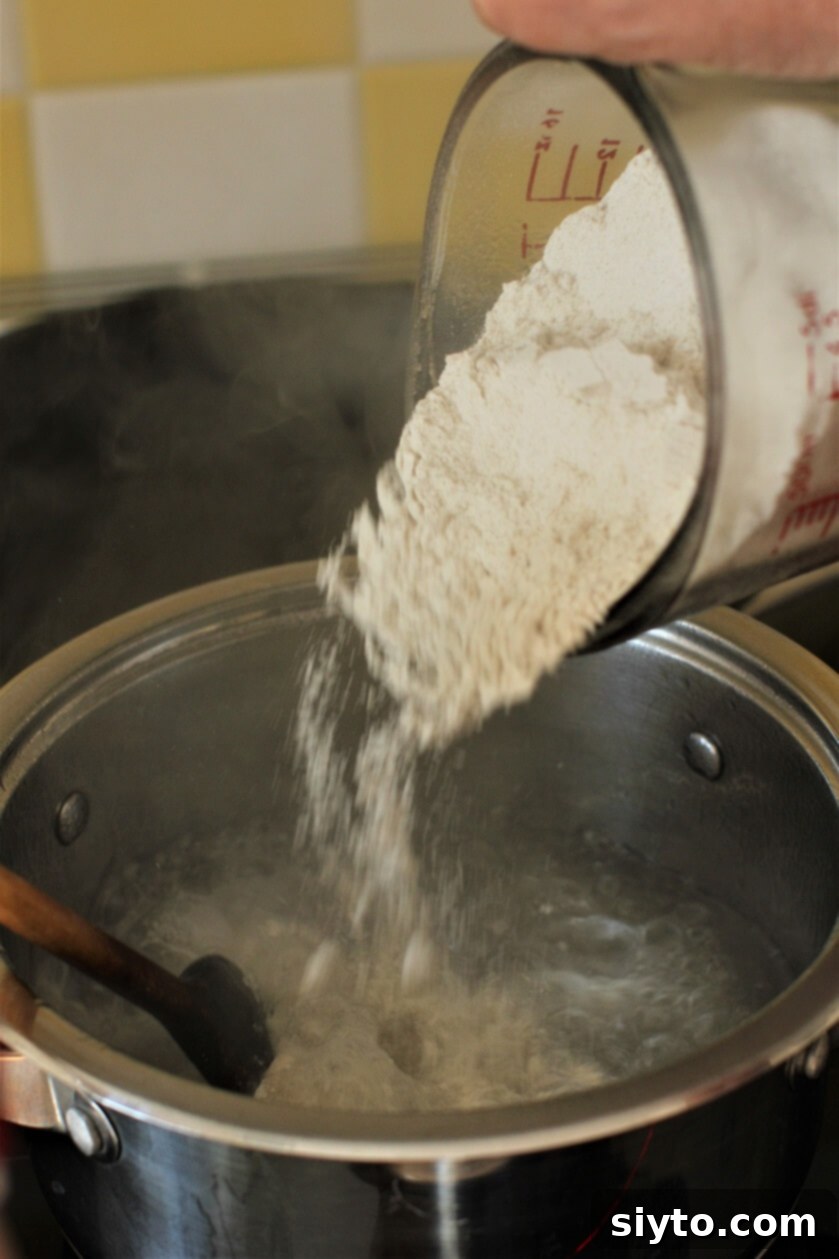
As soon as the water reaches a vigorous boil, swiftly pour the buckwheat flour into the water in a steady, thick stream. Simultaneously, stir vigorously and continuously with a sturdy wooden spoon. You’ll notice almost instantly that the mixture will seize up and transform into a thick, stiff mass. It’s quite a magical transformation! Continue stirring the dense ball of dough for just a few more seconds until all the flour is fully moistened and incorporated. Once smooth, reduce the burner heat to very low. Tada! Your dumpling dough is now perfectly cooked and ready for shaping.
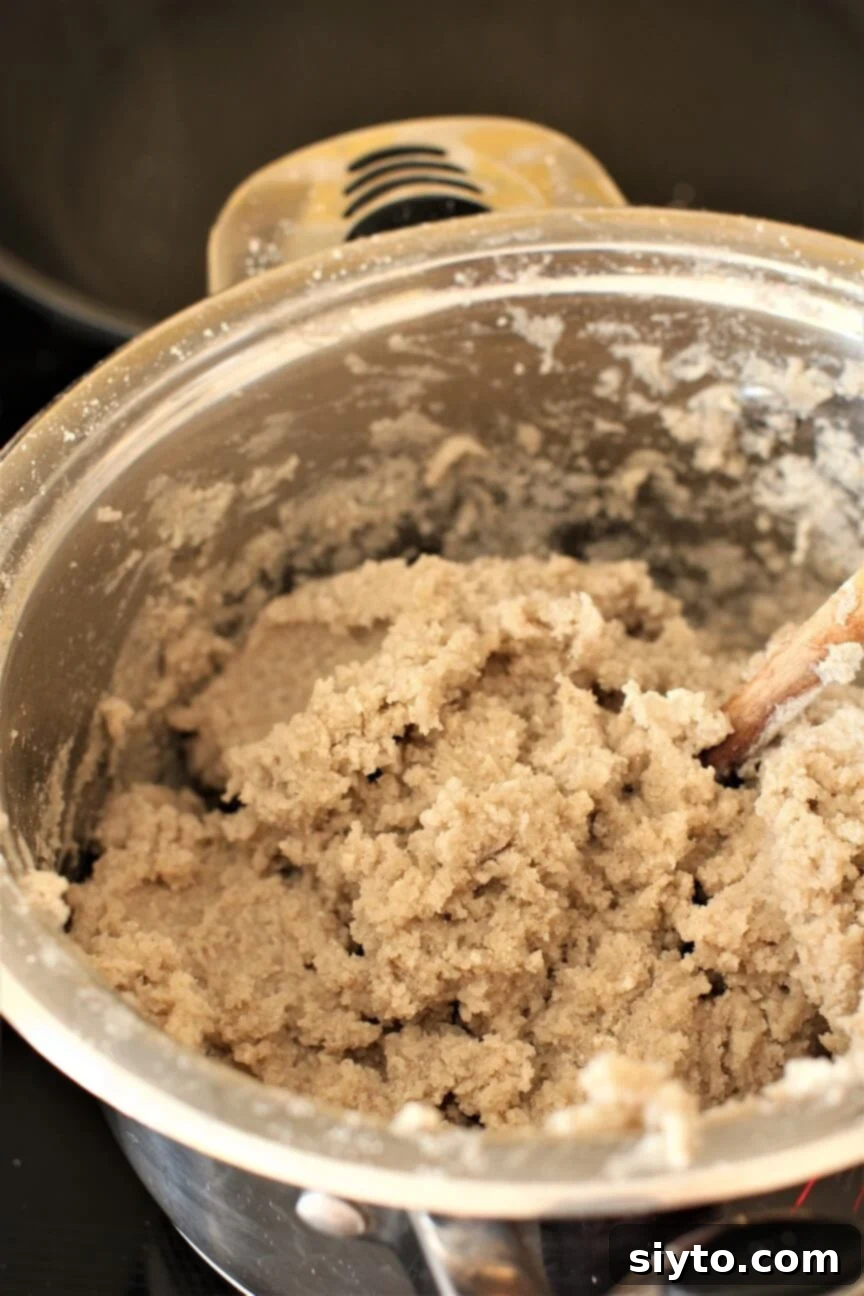
Now comes the shaping process. Take a metal teaspoon and dip it into the melted butter (or any preferred fat you’re using). The butter not only adds flavor but also prevents the dough from sticking to the spoon. Use the buttered spoon to scoop out a slightly heaped spoonful of the hot dough—this portion is your stäerzel. While the traditional form is rustic, if the edges appear too ragged, you can gently shape the top of the dumpling with your fingers. Precision isn’t the goal here; the charm lies in their authentic, imperfect appearance. Place the freshly formed dumpling directly into your preheated skillet or warm bowl.
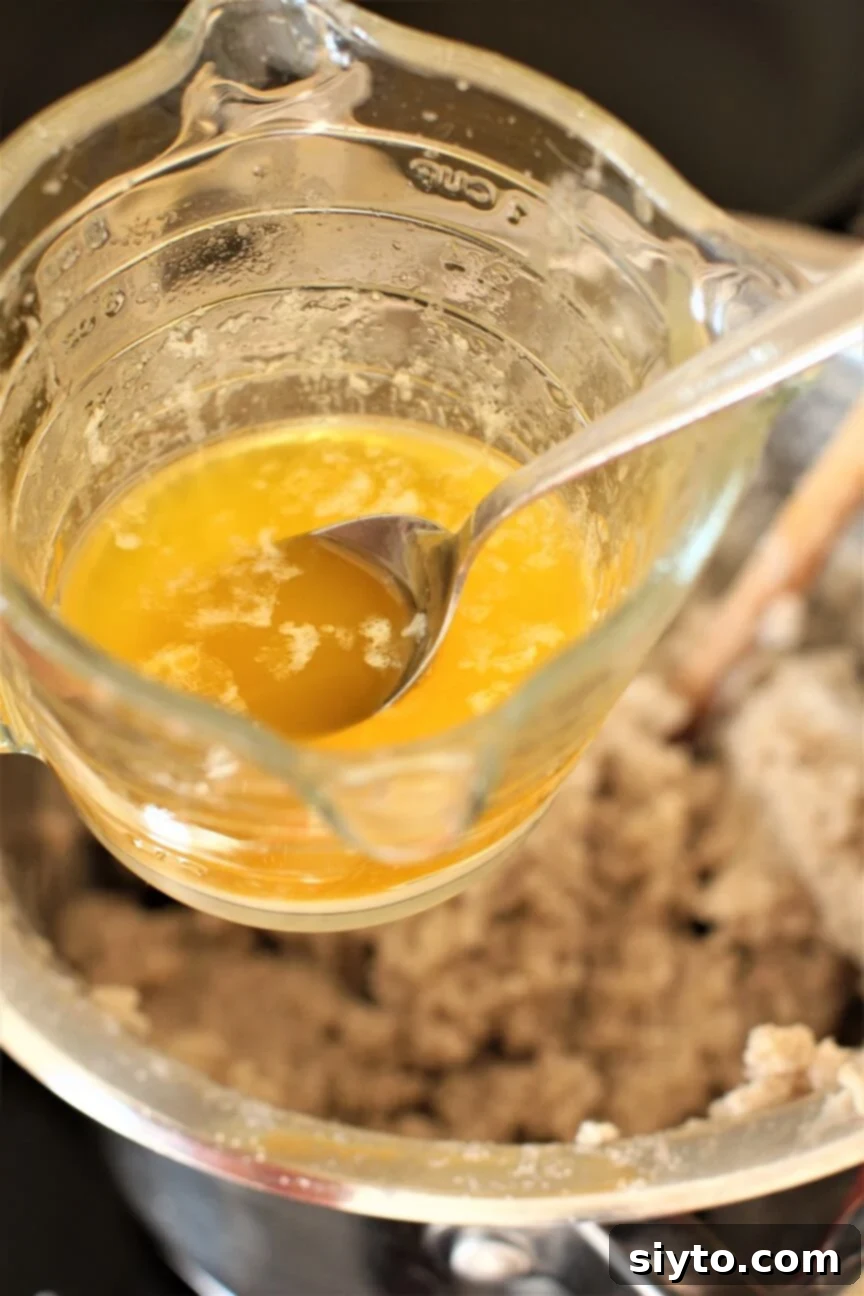
Continue this rhythmic process of dipping the spoon into butter and scooping out dough, forming each stäerzel, until all the dough is used up. This method ensures each dumpling is perfectly portioned and ready for serving.
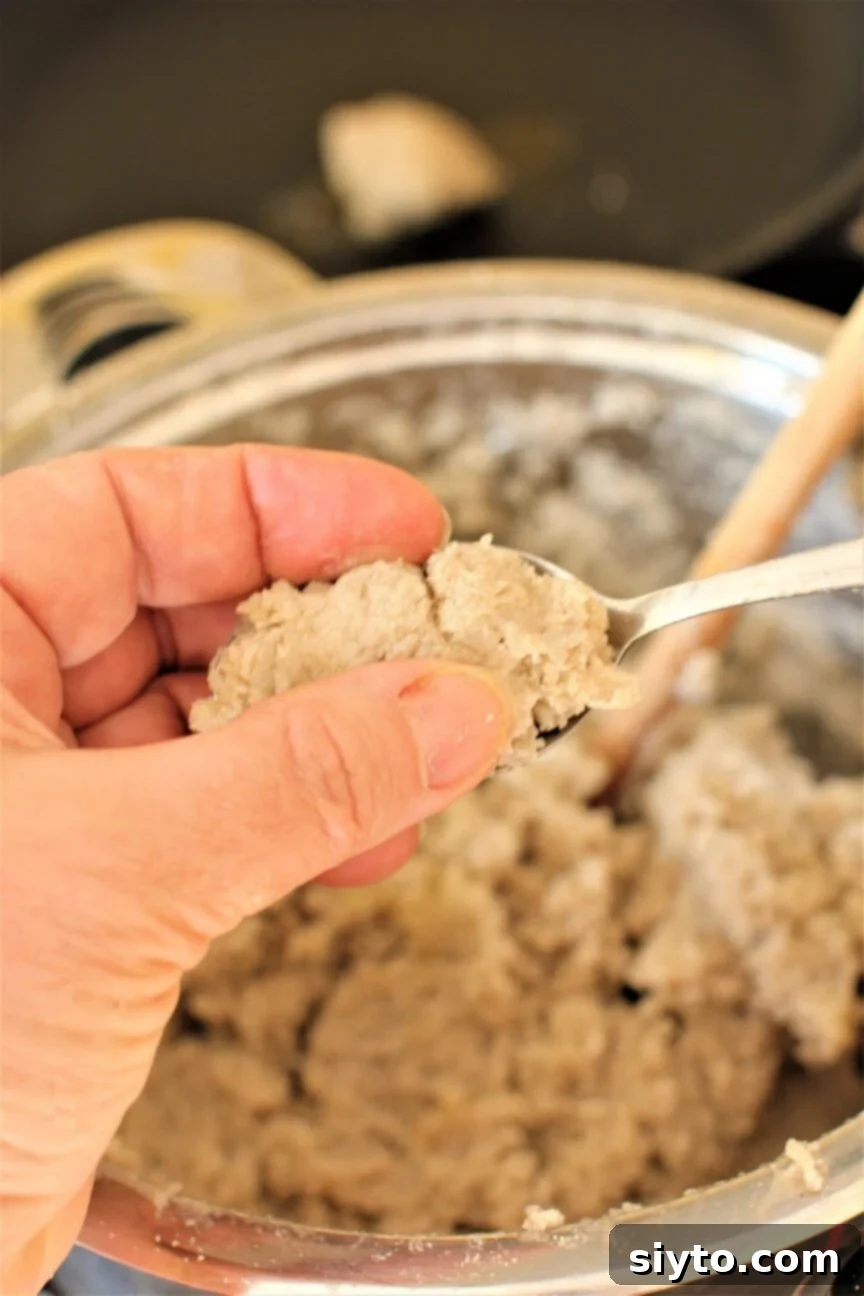
And just like that, they’re done!
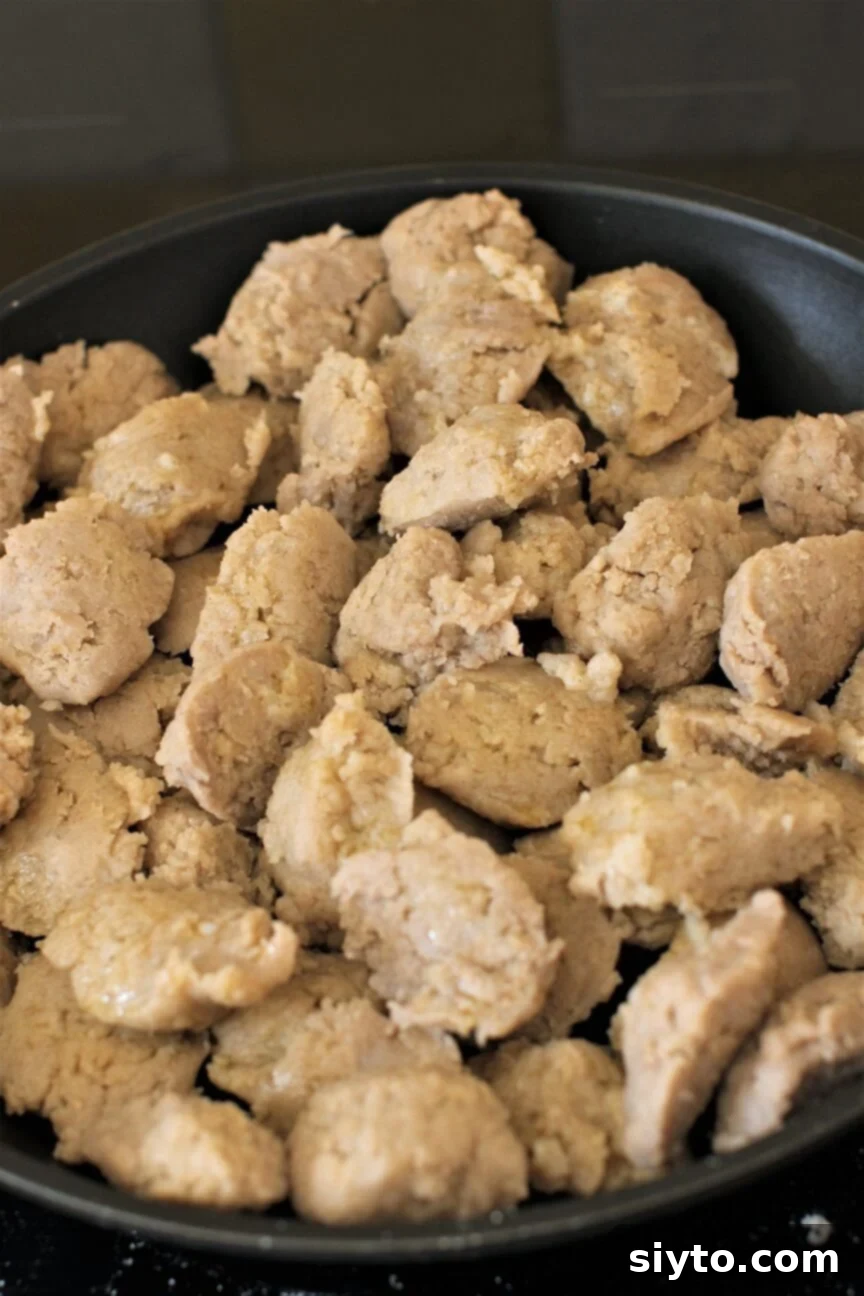
Once all the Stäerzelen are shaped, keep them warm in a skillet and pour any remaining melted butter over them. These dumplings are inherently soft and pillowy, boasting a rich, slightly nutty flavor that makes them a fantastic side dish. For an extra layer of flavor and texture, you can turn up the heat slightly and sauté the dumplings for a few minutes, gently flipping them until some surfaces achieve a light golden crispness.
If you’re aiming to serve them as a hearty main course, arrange them generously in flat bowls, then lavishly splash them with a generous amount of hot milk or cream. Finish with a handful of crumbled, crispy cooked bacon or speck for an authentic Luxembourgish touch. Alternatively, think of Stäerzelen as you would gnocchi; they pair wonderfully with your favorite savory sauces or topped with grated cheese, allowing it to melt into their cracks and crannies. Any leftover dumplings are equally delicious when gently fried in butter the following day, offering a quick and satisfying meal.
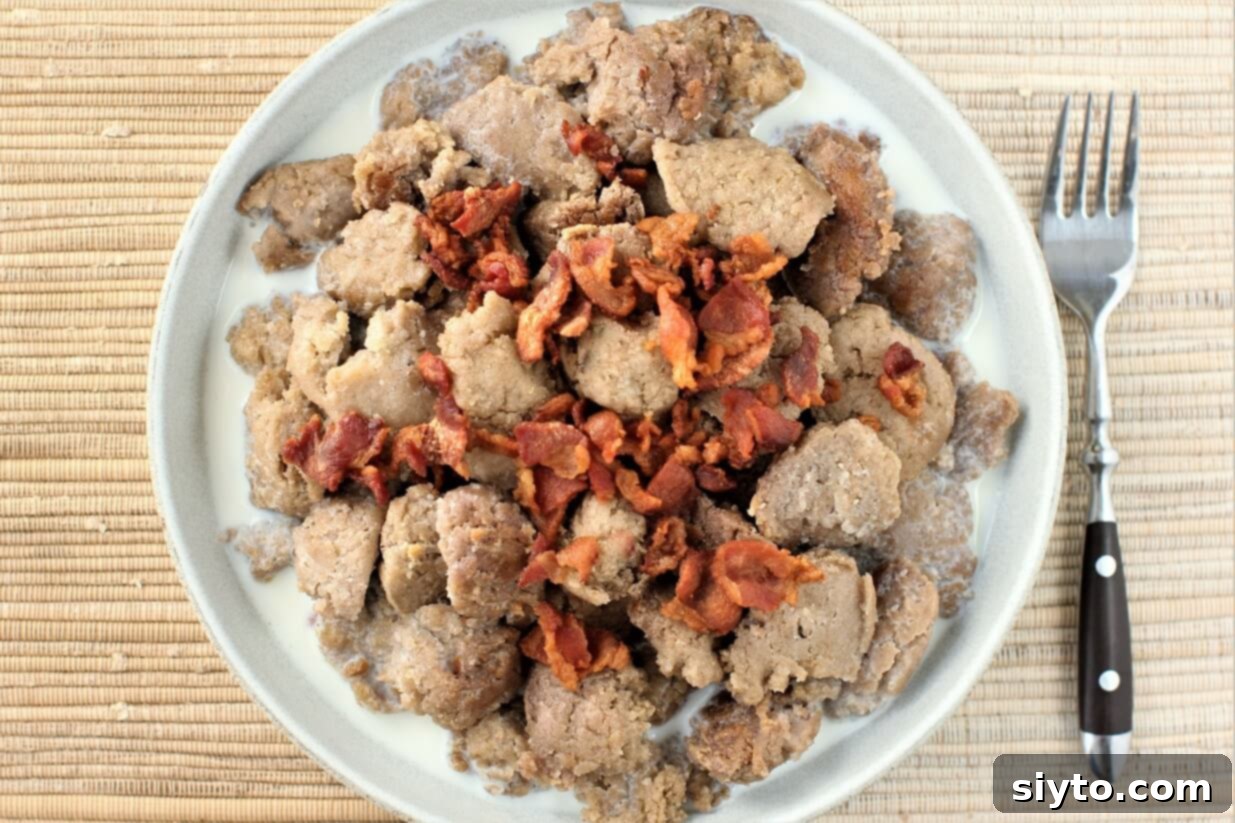
Hearty, delicious, and incredibly good for you—there’s so much to love about Stäerzelen. I truly enjoy experiencing the culinary traditions of Luxembourg!
* * * * *
Kitchen Frau Notes: Stäerzelen can be prepared using either light or dark buckwheat flour. The dumplings featured in these photos were made with light buckwheat flour, resulting in a paler appearance. If you opt for dark buckwheat flour, your dumplings will have more visible dark flecks, but their delightful taste and texture will remain equally superb.
For those seeking a specific recommendation, I personally enjoy using this light buckwheat flour (this is a personal preference and not a sponsored endorsement).
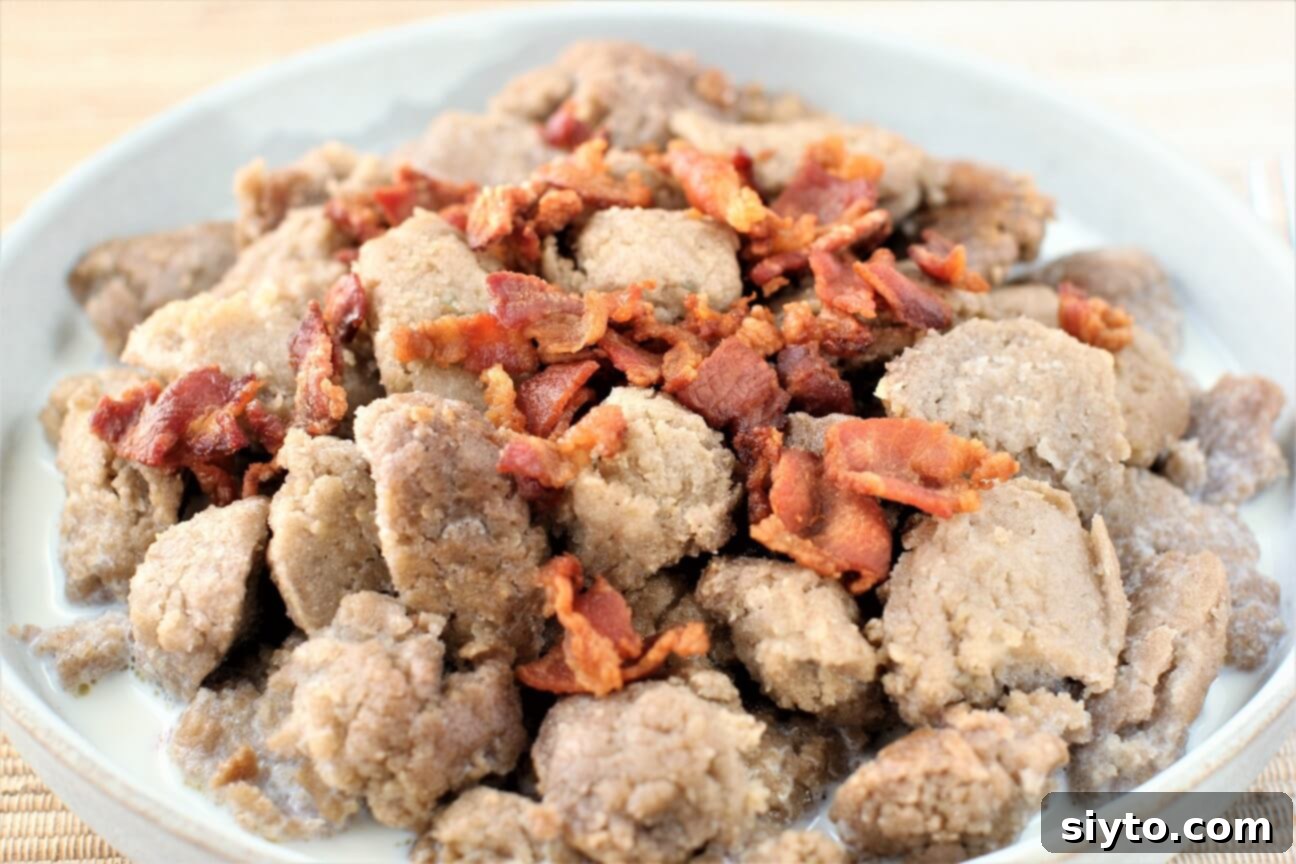
Stäerzelen (Buckwheat Dumplings)
- 2½ cups (600ml) water
- 1 teaspoon fine sea salt
- 2 cups (300 gms) buckwheat flour (light or regular)
- ¼ cup (60ml) melted butter
Optional, to serve:
- Hot milk or cream
- Crumbled cooked bacon (about 4 slices)
Bring the water and salt to a vigorous boil in a medium-sized saucepan. While the water heats, set a skillet onto a neighboring stove burner and turn it to low heat, or have a heat-retaining serving bowl ready nearby.
Measure the buckwheat flour into a pouring vessel with a spout or a bowl, ensuring it is ready for quick addition to the boiling water.
Once the water reaches a full, rolling boil, swiftly pour the buckwheat flour into the water in a thick, continuous stream. Simultaneously, use a sturdy wooden spoon to stir the mixture vigorously with your other hand. The flour will absorb the water almost instantly and seize up, forming a very thick and stiff mass of dough. Continue stirring this dense ball of dough for a few more seconds until all the flour is fully moistened and thoroughly incorporated, creating a uniform texture. Immediately reduce the burner heat to its lowest setting.
Take a metal teaspoon and dip it into the melted butter. Then, use this buttered spoon to scoop out a slightly heaped spoonful (a “Stäerzel”) of the hot dumpling dough. If the edges of the dumpling appear too ragged, you can gently shape the top with your fingers to make it a bit neater, but don’t worry about achieving perfect uniformity; these dumplings are traditionally rustic. Carefully place the formed dumpling into the preheating skillet on the stovetop or into your warmed serving bowl.
Continue this process of scooping out dough and shaping more Stäerzelen, ensuring you dip the spoon into the melted butter each time before scooping, until all the dough has been used up.
Once all the dumplings are formed, pour any remaining melted butter evenly over the Stäerzelen. At this point, they are perfectly ready to be served as a side dish. Alternatively, if you prefer a slight crispness, you can increase the heat under the skillet to medium-low and gently sauté the buckwheat dumplings for a few minutes, carefully flipping them until some of their surfaces turn lightly golden and develop a delicate crust.
If you are preparing Stäerzelen as a satisfying main dish, mound them generously in individual flat bowls. Drizzle a liberal amount of hot cream or milk over the top, then sprinkle with a handful of crispy, cooked, and crumbled bacon or speck for authentic flavor. As an alternative, you can top them with your favorite grated cheese or serve them with a complementary sauce, much like you would gnocchi.
Serves 4 as a side dish, or 2 as a fulfilling main dish.
Guten Appetit!
Check out all the wonderful Luxembourg dishes prepared by fellow Eat the World members and share with #eattheworld. Click here to find out how to join and have fun exploring a country a month in the kitchen with us!
Tara’s Multicultural Table: Kniddelen (Luxembourgish Dumplings)
Radha: Gromperekichelcher
Sugarlovespices: Luxembourg Sweet Love Pretzels
Palatable Pastime: Chicken in Riesling
Amy’s Cooking Adventures: Bouchée à la Reine (Vol-au-Vent)
Pandemonium Noshery: Bouneschlupp – Luxembourg Green Bean Soup
Culinary Adventures with Camilla: Bou’neschlupp
Kitchen Frau: Stäerzelen (Buckwheat Dumplings)
A Day in the Life on the Farm: Gromperekichelcher (Potato Pancakes)
Sneha’s Recipe: Gromperekichelcher-Luxembourg Potato Fritters
Making Miracles: Coq Au Riesling
Want to receive new Kitchen Frau recipes directly to your email? Sign up here and you’ll get a handy and useful kitchen tip along with each recipe, too. (No spam ever.)
If you like my recipes, follow me on Instagram, Pinterest, Twitter, and Facebook. You’d make my day!
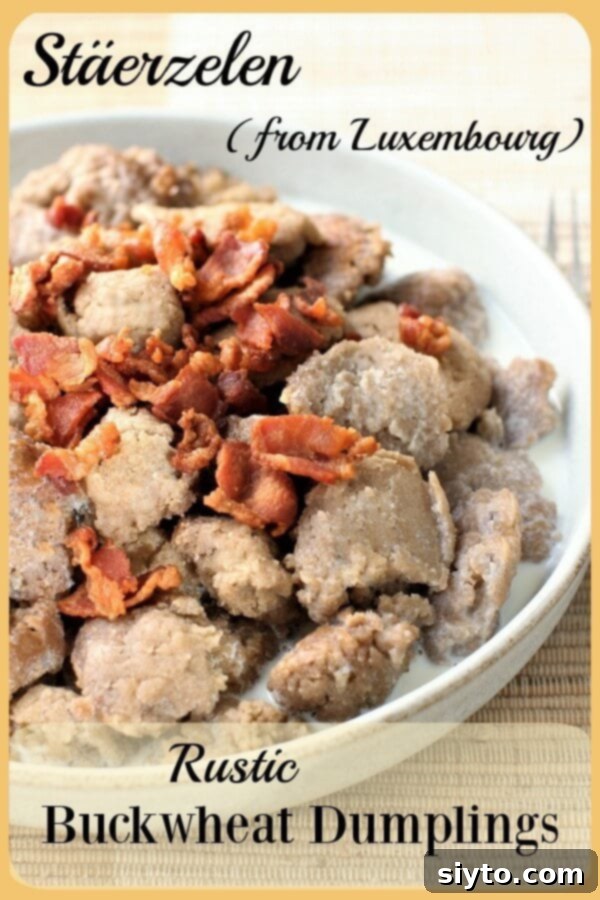
Don’t forget to PIN IT to save the recipe:
Check out my past ‘Eat the World’ Recipe Challenge posts:
(in alphabetical order)
- Argentina: Red Chimichurri Sauce
- Bangladesh: Chingri Masala (Shrimp Curry)
- Bulgaria: Patatnik (Savoury Potato and Cheese Pie)
- Cambodia: Noum Kong (Cambodian Rice Flour Doughnuts)
- Colombia: Pan de Yuca (Warm Cheese Buns)
- Egypt: Fava Beans and Feta
- England: Gluten Free Fish and Chips and Mushy Peas
- Ethiopia: Four Ethiopian Recipes for a Fantastic Feast
- Fiji: Spiced Sweet Potato and Banana Salad
- Finland: Lohikeitto (Creamy Salmon, Potato, and Dill Soup)
- France: Axoa d’Espelette (A Simple Stew from the Basque Country)
- Georgia: Charkhlis Chogi (Beets with Sour Cherry Sauce)
- Hungary: Túrós Csusza (Pasta Scraps with Cottage Cheese)
- India: Kerala Upma (Fluffy, Kerala Style Breakfast Upma Recipe)
- Iraq: Tepsi Baytinijan (Eggplant & Meatball Casserole)
- Ireland: Dublin Coddle (A tasty Sausage and Potato Stew)
- Israel: Cucumber, Feta, and Watermelon Salad
- Jamaica: Rice and Peas (Coconut Rice and Red Beans)
- Kenya:Maharagwe with Ugali (Red Beans with Cornmeal Slice)
- Laos: Ping Gai (Lao Grilled Chicken Wings)
- Mexico: Cochinita Pibil Tacos (Pit Barbecued Pig to Make in Your Oven)
- Netherlands: Boerenkool Stamppot (Kale-Potato Mash with Sausages & Pears)
- New Zealand: Classic Pavlova
- Poland: Polish Honey Cake
- Portugal: Tuna and Sardine Pâtés
- Puerto Rico: Piña Colada Cocktail
- Senegal: Mafé (Beef and Peanut Stew)
- Sudan: Peanut Butter Creamed Spinach & Peanut Meringue Cookies
- Sweden: Swedish Meatballs with Cream Gravy
- Switzerland (Christmas): Basler Leckerli Cookies
- Thailand: Shrimp Laksa (Khung)
- Trinidad & Tobago: Peanut Butter Prunes
- Ukraine: Buckwheat Kasha with Beef
- United States (Soul Food): Smothered Pork Chops
- Vietnam: Caramelized Pork Rice Bowls