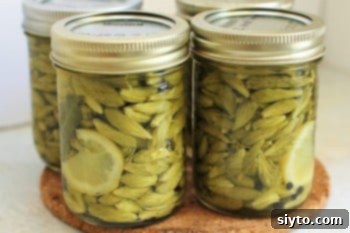
Delicious Pickled Spruce Tips: Your Guide to Foraging, Preserving & Culinary Uses
Delicate Pickled Spruce Tips are a truly special seasonal treat, offering a unique burst of flavor reminiscent of capers with a distinctive piney-citrus twist. Preserving these vibrant green buds when spruce trees are budding in spring allows you to enjoy them year-round, transforming everyday dishes into gourmet experiences. Use them to elevate cheese platters, add zest to sandwiches, brighten salads, or garnish soups, cocktails, and appetizers. Their tangy, zippy mouthful of flavor is an unexpected delight in any meal. (Jump directly to the recipe.)
Embracing the Season: Foraging for Spruce Tips
Foraging for spruce tips is a delightful springtime ritual, but timing is everything. In many northern locales and cooler, shaded microclimates, the spruce trees might still be in the perfect stage for harvesting their tender new growth, even when other areas have already seen their tips unfurl into feathery fronds. For example, I often find that while trees in more open, sun-drenched areas have moved past their prime, the spruce buds on the north sides of my trees remain delightfully tight and ready for picking. This short window of opportunity is easy to miss, so if you’re reading this when your season is over, be sure to bookmark or pin this post so you’re ready next spring!
The new buds can be harvested from the ends of branches of almost any spruce, fir, or pine species. All offer a wonderfully resiny flavor base with bright, fresh, citrusy overtones, though specific species may present subtle variations in their flavor profile. It’s crucial to avoid yew trees, as they are poisonous; thankfully, they typically don’t grow in our northern climate. The common spruce trees found in local forests and even many yards are often the easiest to identify and access. Imagine having such a delicate specialty right at your fingertips, just waiting to be transformed!
Ideal Stages for Harvesting
Spruce tips are versatile and can be picked at different stages of growth. They are perfect when still in tight buds, encased in their protective papery coverings. Alternatively, you can harvest them once they’ve just opened into vibrant, lime-green new growth. For pickling, the relatively tight buds are preferred, as they offer the best texture and concentrated flavor. Older, more mature needles can also be used in certain recipes, but due to their tougher texture, they usually require chopping, steeping, or cooking to release their essence.
Don’t be concerned that harvesting spruce tips will harm the tree. In fact, by carefully picking the tips, you are essentially pruning the tree, encouraging it to produce more tips and become even bushier in the following year. The key is sustainable harvesting: spread your picking around the entire tree, rather than stripping one concentrated area. It’s also vital to avoid picking the very top tip, or “leader,” off a young spruce tree, as this can stunt its growth or cause it to develop a misshapen form in the future.
The Remarkable Health Benefits of Spruce Tips
Beyond their culinary appeal, spruce tips are tiny powerhouses of health-promoting goodness. They are exceptionally high in vitamin C; indigenous peoples historically chewed on them to prevent scurvy and also used them to soothe sore throats and relieve lung congestion. They also serve as a good source of carotenoids, which are beneficial antioxidants, and are remarkably rich in essential minerals such as magnesium and potassium. Drinking water infused with fresh or dried spruce or fir tips provides a natural source of electrolytes, offering a much healthier alternative to commercial sugary and artificial color-laden electrolyte drinks. Preserving the tips by drying them allows you to make a healing tea long after the fresh foraging season has ended, ensuring a continuous supply of their beneficial compounds.
Crafting Your Own Pickled Spruce Tips
Preserving these vibrant tips is surprisingly quick and easy, requiring just a couple of small jars and a simple brine. Once pickled, allow them to age for at least a week to let the flavors meld and deepen. The result is a jar full of tangy, aromatic wonders ready to add a jolt of flavor and intrigue to countless dishes.
The Distinctive Flavor Profile
Do you enjoy the briny tang of olives, the sharp bite of pickles, or the salty floral notes of capers? Then you are sure to fall in love with pickled spruce tips. Their unique flavor profile combines the earthy, slightly resinous essence of pine with bright, clean citrus notes and a delightful tang from the pickling brine. This complex taste makes them an incredibly versatile ingredient, capable of cutting through richness and adding an unexpected layer of flavor to a wide array of meals.
Endless Culinary Possibilities
Think of pickled spruce tips as your new favorite caper alternative, but with an exciting wild twist. Their adaptability in the kitchen is truly remarkable:
- Appetizers & Platters: They shine as a bright and unusual addition to a mixed cheese platter. Arrange a selection of different cheeses, a few handfuls of dried fruits and nuts, and a small dish of these tangy tips. Their zippy flavor perfectly complements rich cheeses, creating a delightful contrast. Pop one onto each deviled egg for a gourmet touch.
- Salads: Chop them into tuna salad, egg salad, or potato salad for an unexpected burst of flavor. Mince them finely and whisk into salad dressings to add a herbaceous, citrusy note. Incorporate them whole or chopped into green salads or hearty bean salads for extra texture and tang.
- Main Dishes: Garnish the top of a grilled fish fillet, especially salmon, where their acidity cuts through the richness beautifully. Use them to brighten up roasted vegetables or incorporate them into marinades for poultry or pork.
- Sandwiches & Wraps: Add a couple of tips to your favorite sandwich or wrap for a delightful zing that transforms the ordinary.
- Soups & Stews: Float them on a creamy soup as an elegant and flavorful garnish, adding visual appeal and a refreshing bite.
- Cocktails: Get creative with beverages! Use a bit of the pickled spruce tip brine in a Caesar cocktail for an earthy, savory twist, and garnish the drink with a couple of tips. Or, for a truly unique experience, concoct a spruce tip martini.
As you can see, the possibilities for these zippy little pickled buds are truly endless, limited only by your imagination!
More Ways to Enjoy Spruce Tips
* * * * *
Spruce tips are incredibly versatile in both savory and sweet applications. Here are some other fantastic recipes to inspire you:
- Buttery Sautéed Mushrooms with Spruce Tips and Chives
- Spruce Tip Baked Rhubarb Compote over Silky Swedish Cream
- Potatoes with Cream and Spruce Tips (Plus How to Make Spruce Tip Salt and Spruce Tip Vinegar)
- Roasted Asparagus with Garlic and Spruce Tips
- Stuffed Pork Tenderloin with Spruce Tips and Orange Glaze
- Green Salad with Spruce Tips – a Springtime Treat
- Rhubarb and Spruce Tip Galette
- Citrus Spruce Tip Salad
* * * * *
Essential Tips for Successful Pickling
Achieving perfectly pickled spruce tips is straightforward, but a few key considerations will ensure the best results:
- Vinegar Choice: You have flexibility here! White wine vinegar or apple cider vinegar are excellent choices, imparting a pleasant flavor. If those aren’t available, plain white vinegar will also work.
- Rinsing Spruce Tips: Generally, if you’ve picked the spruce tips with clean hands and they weren’t near a dusty road, there’s no need to rinse them. However, if you have any doubts about their cleanliness, give them a gentle rinse and drain them thoroughly before packing.
- Brine Quantity: The brine recipe provided is designed to be enough for one half-pint jar, with a small amount likely left over, depending on how tightly you pack your spruce tips. If you’re making multiple jars, simply fill each jar with the specified solid ingredients (peppercorns, bay leaf, lemon, salt, spruce tips), then multiply the vinegar and water solution by the number of jars you are preparing.
- Water Quality for Brining: For pickling, using filtered or distilled water is highly recommended. The chlorine or certain minerals found in some city or well water can sometimes cause pickles to discolor or become soft over time. If you don’t have a home filtration system (like a Brita jug), distilled water can be easily purchased at most grocery stores. However, if you’ve successfully made pickles with your tap water in the past without issues, it’s likely safe to continue doing so.
- Preservation Methods: Processing your pickled spruce tips in a boiling water bath ensures a long shelf life, allowing them to be stored for several years in a cool, dark place. If you’re only making one jar and plan to use it up within approximately six months, you can simply screw the jar shut and keep it refrigerated without canning.
- Aging for Flavor: Patience is a virtue in pickling! Allow the spruce tips to age for at least a week before using them. This crucial period gives the vinegar sufficient time to fully penetrate and flavor the buds, developing their distinct tangy profile. For even deeper flavor, a month of aging is ideal for refrigerated jars.
Recipe: Pickled Spruce Tips
Ingredients
For each half-pint (250ml) jar:
- 6 whole black peppercorns
- 1 bay leaf
- 1 slice of fresh lemon
- 1 teaspoon sea salt
- 1 heaping cup (250ml) of spruce tips
For the brine (enough for 1 jar):
- ¼ cup (60ml) white wine vinegar
- ¼ cup (60ml) filtered or distilled water
Instructions
- Into each very clean and well-rinsed half-pint (1 cup/250ml) jar, place the 6 peppercorns, 1 bay leaf, 1 slice of lemon (cut in half), and 1 teaspoon of sea salt. For an attractive presentation, you can hold the lemon slice and bay leaf against the side of the jar as you fill it, so they are visible from the outside.
- Carefully clean the spruce tips, removing any remaining brown papery husks. This can be a slightly sticky task. Pack the cleaned spruce tips firmly into the jars, leaving about ½ inch (1 cm) of headspace from the tops of the jars.
- In a small saucepan, combine the white wine vinegar and filtered or distilled water. Heat this brine mixture just until it reaches a gentle boil.
- Carefully pour the hot brine over the packed spruce tips and salt in each jar until it also reaches ½ inch (1 cm) from the top of the jar. Observe as the bright green spruce tips beautifully transform to an olive green hue upon contact with the hot brine.
- Prepare new snap lids for the jars by placing them in a small pot of simmering water for 5 minutes; this softens the sealing compound, ensuring a proper seal.
- Wipe the top rims of the jars with a clean, damp cloth to remove any brine or debris, which could interfere with the seal.
- Place the softened snap lids onto the jars, followed by the metal screw rings. Tighten the rings until they are “finger tight” – meaning securely snug but not overly forced.
- For boiling water bath canning: Lay a clean dishcloth in the bottom of a large saucepan that is taller than your jars. This cloth prevents the jars from clanking and breaking during the boiling process. Carefully place the sealed jars onto the dishcloth.
- Fill the saucepan with hot tap water until the water level reaches just below the metal screw rings of the jars. Cover the saucepan with a lid and bring the water to a full, rolling boil over high heat.
- Once the water is vigorously boiling, reduce the heat slightly to maintain a steady boil without boiling over. Begin timing for 10 minutes.
- After 10 minutes, carefully remove the jars from the hot water bath using a jar lifter or pot holder. Place them on a clean dishtowel laid out on your counter, ensuring they are undisturbed as they cool.
- As the jars cool, you should hear a “pop” as the metal lids seal and suction down. Once completely cool, check the seals by pressing on the center of each lid. If the lid is still bowed slightly upward or gives when pressed, the jar has not sealed properly. These unsealed jars should be stored in the refrigerator and consumed within six months (after allowing them to age for at least one month for optimal flavor).
- Upon cooling, the spruce tips may float to the top of the jars. A gentle shake of each jar will help disperse them evenly again.
- Sealed jars of pickled spruce tips will last for several years when stored in a cool, dark place. Remember to leave the jars for at least a week before using them to allow the brine ample time to fully flavor the spruce tips.
Guten Appetit!
Sign up here to receive new Kitchen Frau recipes directly to your email inbox, and get a handy and useful kitchen tip with each recipe.
If you like my recipes, follow me on Instagram, Pinterest, Twitter, and Facebook. You’d make my day!
Don’t forget to PIN IT to save the recipe:
You might also like these other delicious pickle recipes:
Magic Method for Never-Fail Dill Pickles
Pickled Beets
Watermelon Pickles
The Pickleback – a New Drink Craze