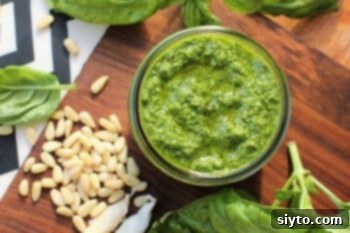
Authentic Homemade Basil Pesto: Your Guide to Fresh Genovese Flavor
Few culinary creations capture the essence of Italian summer quite like a vibrant, homemade basil pesto. This iconic sauce is a symphony of intensely fresh, herbal, rich, and garlicky flavors that can elevate almost any dish from ordinary to extraordinary. Whether you’re a seasoned gardener blessed with an abundance of basil or simply a lover of exquisite Italian cuisine, mastering the art of classic basil pesto is a rewarding experience. It’s a culinary staple that promises a burst of sunshine and garden-fresh taste, perfect for livening up countless meals. Forget store-bought jars; once you taste the difference of freshly made pesto, there’s no going back. Prepare to immerse yourself in the simple joy of creating this green gold, a true king among sauces. (Jump to the full recipe)
Understanding Basil: The Royal Herb Behind Pesto
A Note on Pronunciation
Whether you pronounce it “bay-zil” or “bah-zil,” one thing is universally true: basil is a beloved herb across cultures. While pronunciation preferences often vary by region – with “bah-zil” being more common in the UK and Europe, and “bay-zil” frequently heard in North America – its exquisite flavor remains undisputed. For our purposes, we’ll simply celebrate the herb itself, leaving linguistic debates aside to focus on its culinary magic.
The King of Herbs: Characteristics and Flavor Profile
Derived from the Greek word “basilikón,” meaning “royal,” basil truly lives up to its name as the “king of herbs.” It’s a remarkably delicate plant, thriving in warm climates and sensitive to cold, which causes its leaves to blacken rapidly when exposed to low temperatures, heat, freezing, or even acid. This fragility also means it loses much of its aromatic potency when dried, which is precisely why fresh basil is paramount for vibrant dishes like pesto.
The flavor of sweet basil, particularly the Genovese variety preferred for traditional pesto, is complex and captivating. It offers a unique blend of herbal notes, often described as slightly sweet, with hints of licorice or anise, and a distinctly pungent, almost peppery finish. This intricate profile is what makes fresh basil irreplaceable in Mediterranean and, especially, Italian cuisine. It’s best used fresh, or added towards the very end of cooking, to preserve its delicate oils and ensure its full aromatic impact shines through.
Beyond Genovese: A World of Basil Varieties
While Sweet Basil (Ocimum basilicum), often referred to as Genovese basil, is the star of Italian cooking and the cornerstone of classic pesto, the basil family is surprisingly diverse. Other popular varieties include:
- Thai Basil: With its distinct anise and spicy notes, often used in Southeast Asian curries and stir-fries.
- Lemon Basil: Offering a citrusy aroma, perfect for fish, poultry, and salads.
- Holy Basil (Tulsi): Revered in Indian Ayurvedic practices for its medicinal properties and unique peppery, clove-like flavor, frequently used in teas and spiritual ceremonies.
- Cinnamon Basil: As its name suggests, it carries a warm, spicy undertone.
Each variety brings its own unique character to the table, but for the authentic, bright green, and intensely flavored pesto we’re creating today, Genovese sweet basil is your undisputed champion. It’s the verdant heart of countless Italian dishes, from simple caprese salads to rich tomato sauces, and, of course, the vibrant soul of pesto.
What is Pesto? Origins and Evolution of a Culinary Icon
While basil contributes its distinctive flavor to countless Italian culinary delights, from seasoning mixes to tomato sauces, its most celebrated role is arguably as the star of pesto. Specifically, Pesto Genovese, a staple of Ligurian cuisine, stands out as a triumph of fresh, simple ingredients coming together to create something profoundly delicious. This vibrantly green, intensely garlicky, slightly cheesy, and wonderfully pungent sauce, imbued with the unmistakable herbal sweetness of fresh basil leaves, is a testament to the power of fresh ingredients.
The very word “pesto” is derived from the Italian verb “pestare,” meaning “to pound” or “to crush.” Traditionally, pesto was made using a mortar and pestle, a painstaking process that gently bruised the basil leaves, releasing their aromatic oils while incorporating the other ingredients into a rustic, emulsified paste. This method, passed down through generations, required significant physical effort and patience, resulting in a unique texture and flavor often revered by purists.
Today, while the traditional mortar and pestle method is still cherished for its authentic results, modern convenience has introduced the food processor as a widely accepted alternative. This “lazy” method allows for the rapid transformation of fresh basil, garlic, nuts, cheese, and olive oil into a smooth, emulsified sauce in mere minutes. While some argue that the rapid blades of a food processor can slightly alter the basil’s delicate flavor and oxidize it more quickly, the convenience and consistent results make it an indispensable tool for home cooks looking to enjoy homemade pesto without the intense labor. Whether you pound or process, the goal remains the same: to capture the unparalleled freshness of basil in a versatile, delectable sauce.
Beyond Pasta: Endless Culinary Uses for Homemade Basil Pesto
Having a jar of fresh basil pesto on hand is like possessing a secret weapon in your kitchen. Its intensely aromatic and savory profile instantly elevates a myriad of dishes, transforming everyday meals into gourmet experiences. While its most iconic pairing is undoubtedly with pasta – a simple yet profoundly satisfying dish like spaghetti al pesto – the versatility of this green elixir extends far beyond.
Here are just a few ways to incorporate homemade basil pesto into your cooking:
- Pasta Perfection: Toss it with your favorite pasta shape – penne, fettuccine, linguine, or orecchiette – for a quick and flavorful meal. A little pasta water helps to create a luscious sauce.
- Bread and Spreads: Spread it onto crusty bread, bruschetta, or crostini for an irresistible appetizer. Mix it into softened butter for a savory compound butter for grilled steak or corn on the cob.
- Vegetable Enhancer: Drizzle over roasted vegetables like asparagus, zucchini, or bell peppers. Toss with steamed new potatoes or green beans for a vibrant side dish.
- Protein Power-Up: Use it as a marinade or topping for grilled chicken, fish (especially salmon or cod), shrimp, or even tofu. Stir a spoonful into scrambled eggs or an omelet for a fragrant breakfast.
- Pizza and Sandwiches: Replace traditional tomato sauce with pesto on your next homemade pizza for a fresh twist. Layer it into sandwiches, wraps, or burgers for an added punch of flavor.
- Soups and Stews: Swirl a dollop into a bowl of minestrone, tomato soup, or vegetable broth just before serving for an aromatic finish.
- Salad Dressings and Dips: Whisk a spoonful into your homemade vinaigrette or mayonnaise for a herbaceous dressing. Combine with Greek yogurt or sour cream for a quick and flavorful dip.
- Flavorful Garnish: Use it as a vibrant garnish for almost any savory dish, adding both visual appeal and a burst of flavor.
With basil pesto in your repertoire, the possibilities are truly limited only by your imagination. It’s a condiment, a sauce, a marinade, and a flavoring agent all rolled into one, promising to infuse every bite with the irresistible taste of fresh Italian goodness.
From Garden Bounty to Green Gold: Making Your Own Pesto
While my own garden provides a modest supply of basil – just enough for a fresh salad or a flavorful sandwich – I often dream of an endless bounty, enough to truly luxuriate in its intoxicating aroma. So, imagine my delight when a wonderfully generous friend arrived with a large bag overflowing with freshly picked basil from her own flourishing garden! The scent alone was enough to send me into a blissful “basil-stupor,” and I knew instantly what culinary adventure awaited: a batch of glorious, homemade Genovese basil pesto.
Tips for Crafting the Perfect Basil Pesto
Making basil pesto is wonderfully forgiving, and while a recipe provides a great starting point, don’t be afraid to trust your culinary instincts. Here are a few “Kitchen Frau Notes” to ensure your pesto turns out perfectly, every time:
- Basil Quantity: Don’t get hung up on exact measurements for basil leaves. “Lightly packed” or “tightly packed” can be subjective. Aim for a generous amount – anywhere from 2 to 4 cups of fresh leaves will work beautifully. If you find yourself with an abundance, simply add a touch more olive oil at the end to achieve the desired consistency.
- Ingredient Flexibility: The beauty of pesto lies in its adaptability. While traditional pesto uses pine nuts, walnuts or even almonds can be excellent substitutes, offering a slightly different flavor profile. The same goes for Parmesan cheese; a good quality Pecorino Romano can also be used, or a blend of both. Adjust the salt and garlic to your personal preference – a little more or less can dramatically change the outcome. Always taste and adjust!
- Quality Olive Oil: Since olive oil is a foundational ingredient, opt for a good quality extra virgin olive oil. Its flavor will significantly impact the final taste of your pesto.
- Preventing Oxidation: Basil pesto has a tendency to oxidize and turn darker (even black) on the surface when exposed to air. While perfectly safe to eat, it doesn’t look as appealing. A thin layer of extra virgin olive oil drizzled on top of your stored pesto creates a protective seal, maintaining its vibrant green color.
- Food Processor vs. Mortar and Pestle: As discussed, a food processor offers speed and convenience, producing a smooth pesto quickly. If you prefer a more rustic texture and have the time and energy, a mortar and pestle will yield a pesto with a slightly different mouthfeel and potentially a more intense basil flavor, as the leaves are bruised rather than chopped.
With these tips in mind, you’re ready to create a basil pesto that’s not just delicious, but truly tailored to your taste!
Making homemade basil pesto is surprisingly simple, especially with the help of a food processor. In just a few minutes, you can have a batch of this flavorful sauce ready to enhance your meals or to freeze for later enjoyment. Here’s how to create your own authentic classic basil pesto:
Classic Genovese Basil Pesto Recipe
Ingredients:
- Approximately 3 cups lightly packed fresh basil leaves (about 100g), with thick stems removed
- ½ cup (60g) freshly grated Parmesan cheese (or a mix of Parmesan and Pecorino Romano)
- ¼ cup (35g) pine nuts (lightly toasted for deeper flavor, or substitute with walnuts/almonds)
- 2 cloves garlic, peeled and roughly chopped
- ½ teaspoon fine sea salt (adjust to taste)
- ¼ teaspoon freshly ground black pepper
- ½ cup extra virgin olive oil, plus additional for sealing jars
Instructions:
- Prepare Ingredients: Ensure your basil leaves are clean and dry. Gently pat them with a paper towel if washed. Gather all other ingredients.
- Initial Processing: Place the fresh basil leaves, grated Parmesan cheese, pine nuts, garlic, sea salt, and black pepper into the bowl of your food processor. Pulse a few times until the ingredients are coarsely chopped and combined.
- Emulsify with Oil: With the food processor running on a low speed, slowly drizzle in the ½ cup of extra virgin olive oil through the feed tube. Continue processing until the pesto reaches a smooth, emulsified consistency with a slight chunky texture from the nuts and basil. Avoid over-processing, which can make the pesto too warm and diminish the basil’s freshness.
- Taste and Adjust: Stop the processor, scrape down the sides, and taste the pesto. Adjust salt, pepper, or garlic if needed. If it’s too thick, add another drizzle of olive oil.
- Store Fresh: Transfer the fresh pesto into clean jars or airtight containers. Smooth the surface with the back of a spoon. Drizzle a small amount of extra virgin olive oil on top to create a protective layer. Swirl the jar gently to ensure the oil coats the entire surface of the pesto. This crucial step helps prevent oxidation and keeps your pesto vibrant green. Store in the refrigerator for up to one week.
Storage and Freezing Pesto for Later
Basil pesto is wonderfully versatile, and equally amenable to preservation, ensuring you can enjoy the taste of summer even in the colder months. Properly stored, fresh pesto can last for up to a week in the refrigerator. However, for longer preservation, freezing is an excellent option.
To Freeze Pesto:
- Ice Cube Trays: A popular and convenient method is to spoon the pesto into ice cube trays. Once frozen solid, pop the pesto cubes out and transfer them to a freezer-safe bag or container. These individual portions are perfect for adding to sauces, soups, or even thawing quickly for a single serving of pasta. Frozen pesto cubes will retain their quality for up to six months.
- Small Jars or Containers: Alternatively, fill small freezer-safe jars or containers with pesto, leaving about a half-inch headspace at the top. Pour a thin slick of olive oil over the surface of the pesto before sealing. This additional layer of oil acts as a barrier against freezer burn and helps preserve the vibrant color and flavor. Label with the date and freeze for up to one year.
With these storage methods, you’ll always have homemade basil pesto at your fingertips, ready to transform any meal.
This recipe yields approximately 1 and ⅓ cups (320ml) of delightful homemade basil pesto.
Guten Appetit!
Earlier this year I also created and froze a batch of incredible garlic scape pesto (using the same convenient food processor method), so now I have a wonderful selection of pestos tucked away in the freezer. If you have an abundance of parsley, you might also enjoy the zesty Argentinian chimichurri sauce – another fantastic, green-power flavor blaster!
* * * * *
Don’t miss out on more delicious recipes and helpful kitchen tips! Sign up here to receive new Kitchen Frau recipes directly to your email inbox, along with a handy and useful kitchen tip with each recipe.
If you enjoy my culinary creations, I’d be thrilled if you followed me on Instagram, Pinterest, Twitter, and Facebook. Your support makes my day!
To save this wonderful recipe for later, don’t forget to PIN IT:
You might also like these related recipes:
Garlic Scape Pesto – Summer Magic
Chimichurri Sauce – on Steak, Salmon, Potatoes and Just About Anything Else!
Romesco Sauce – Fantastic on Grilled Chicken
Simple Marinara Sauce
Beet Hummus