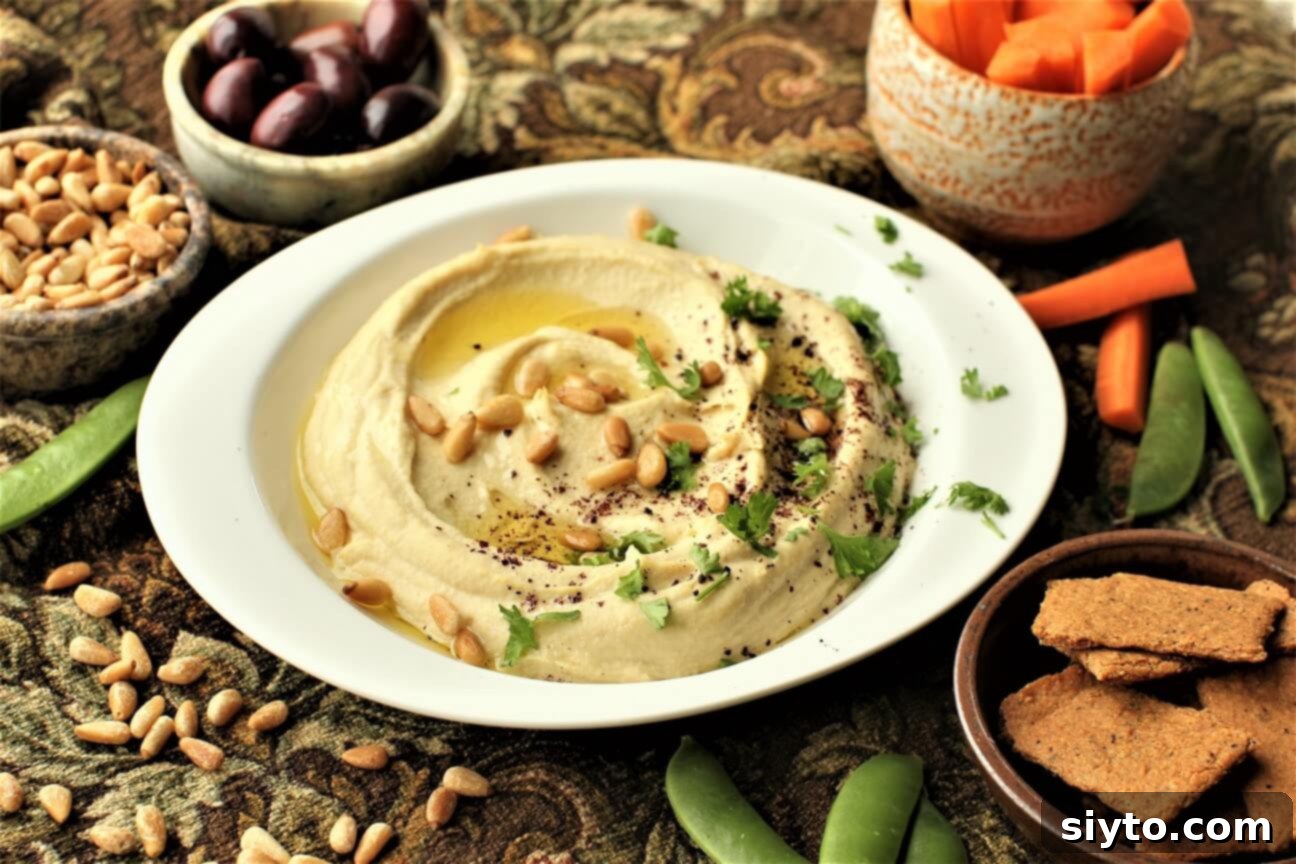
The Ultimate Creamy Hummus Recipe: Homemade, Healthy & Easy
Rich, velvety smooth, and utterly delightful – hummus is a true culinary masterpiece cherished across the globe. This iconic chickpea dip, with its signature nutty, subtly tangy, and perfectly garlicky flavor, transcends simple snack status. While most often paired with warm pita bread or crisp fresh vegetables for dipping, its versatility knows no bounds. Imagine it generously slathered on burgers, elevating sandwiches and wraps, spread on toast, dolloped onto baked potatoes, or simply savored by the spoon as a wholesome side dish. Forget store-bought versions; crafting your own homemade hummus is remarkably quick, easy, and yields a flavor and texture that is undeniably superior. Prepare to fall in love with homemade hummus! (Jump to the Recipe)
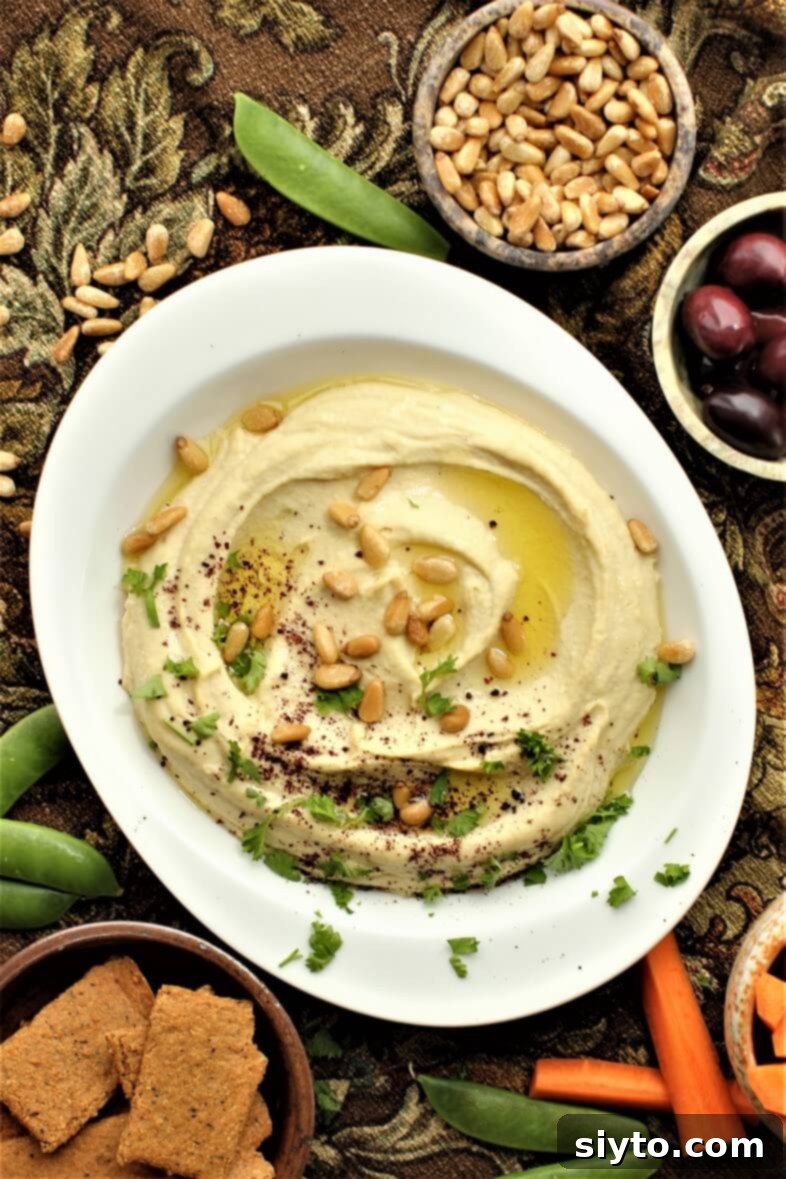
Why Homemade Hummus is Always Best
Every home chef deserves a go-to, basic hummus recipe – one that can be whipped up in minutes and promises fantastic results every single time. A truly exceptional hummus strikes the perfect balance of nutty tahini, bright lemon tang, and aromatic garlic. This beloved Middle Eastern chickpea dip isn’t just a delicious treat; it’s a staple for a myriad of occasions, from effortless appetizers and convenient lunchbox additions to hearty picnic spreads and satisfying everyday snacking. The added benefit? It’s packed with nourishing goodness.
While supermarket shelves are brimming with countless hummus brands, none truly compare to the freshness and vibrant flavor of a homemade batch. When you make hummus from scratch, you have complete control over the quality of each ingredient, ensuring purity and freshness. The process is surprisingly quick, transforming humble chickpeas into a luscious dip in mere minutes with the aid of a food processor or high-speed blender. The key difference lies not just in taste, but in texture and the wholesome satisfaction of knowing exactly what goes into your food. No questionable additives, just pure, simple goodness that tastes infinitely better.
The Nutritional Powerhouse: Health Benefits of Hummus
Hummus is not only incredibly delicious but also boasts an impressive nutritional profile, making it a healthy choice for almost any diet. It’s a fantastic source of plant-based protein and dietary fiber, primarily thanks to its main ingredients: chickpeas and tahini (a paste made from roasted sesame seeds). Fiber is crucial for digestive health, helps regulate blood sugar levels, and contributes to a feeling of fullness, aiding in weight management. The robust protein content makes it a satisfying option, especially for vegetarians and vegans seeking to incorporate more plant-based protein into their meals.
Furthermore, the extra virgin olive oil used in hummus is rich in monounsaturated fatty acids, known for their heart-healthy benefits and potent anti-inflammatory properties. Hummus also provides essential vitamins and minerals, including folate, iron, magnesium, phosphorus, and B vitamins. This nutrient-dense combination makes hummus an excellent choice for a balanced diet, supporting overall wellness. You can feel good about indulging liberally. (Just remember to keep it away from eager furry friends, as some ingredients like garlic can be harmful to pets!)
Mastering the Art of Creamy Hummus: The Blending Secret
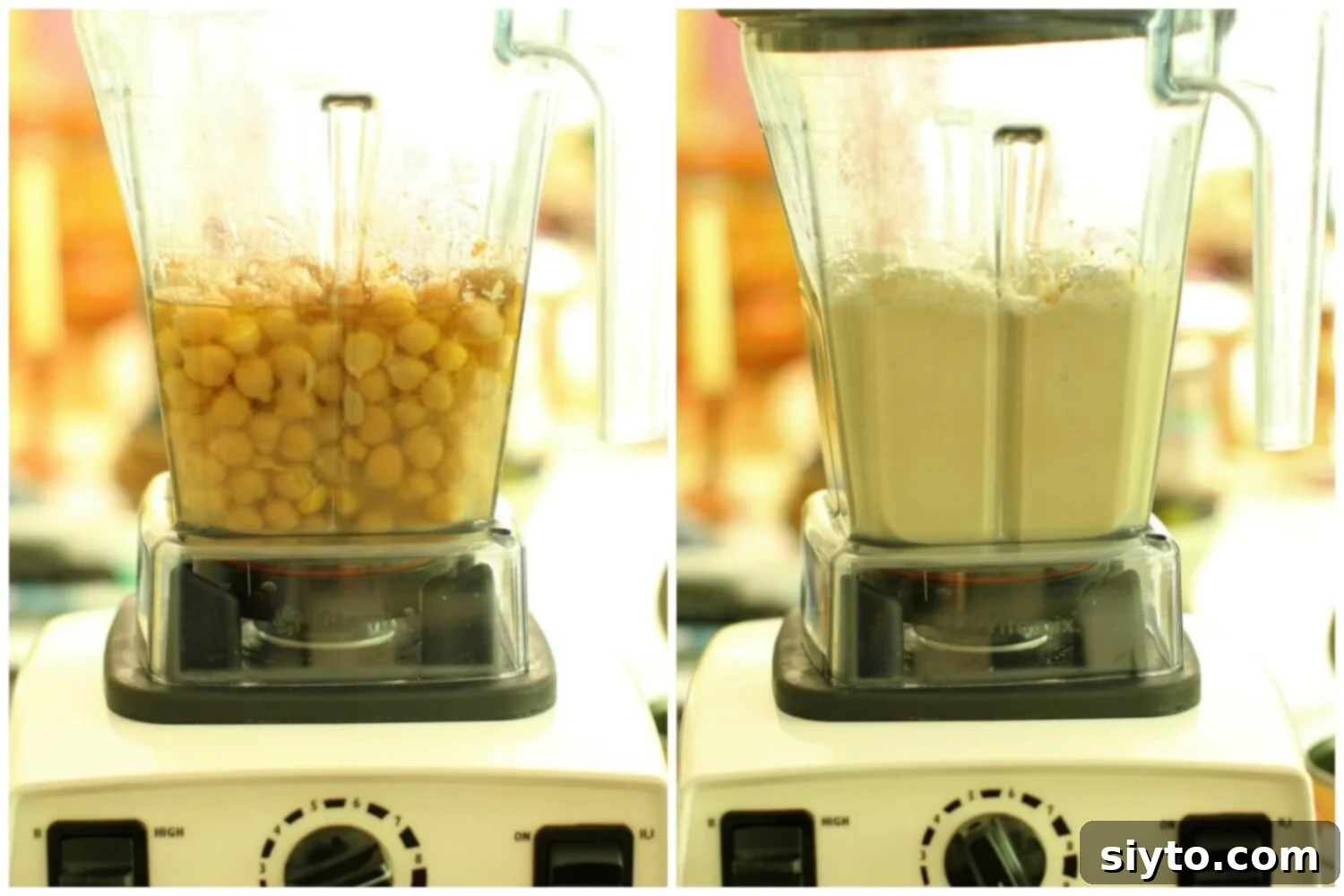
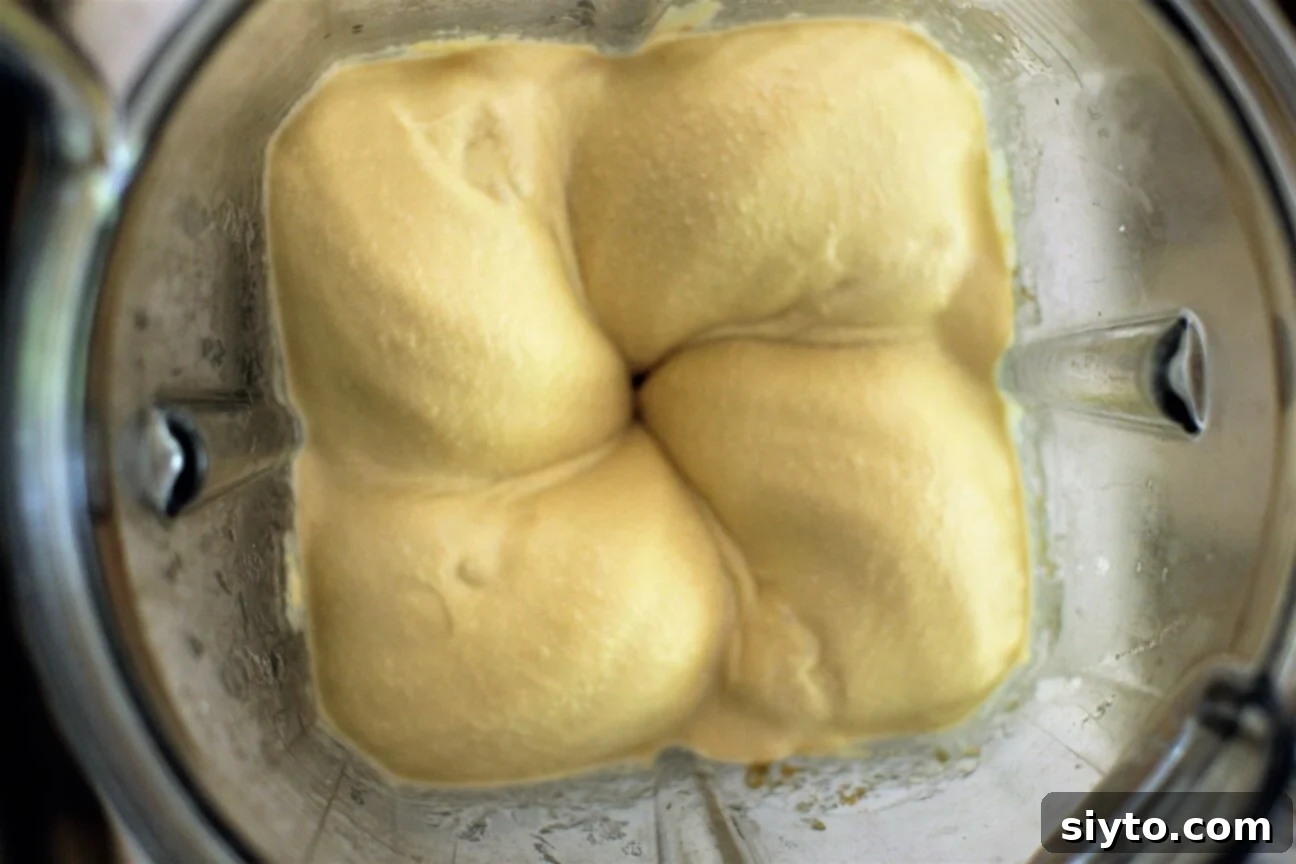
There are numerous tips and tricks circulating for achieving the perfect hummus texture, but I’ve discovered one game-changer: the secret to fantastically creamy, unbelievably smooth hummus lies in extended blending. Whether you use a high-speed blender or a food processor, whipping the mixture for longer than you might initially think is paramount. This prolonged blending process allows for thorough emulsification, creating a light, airy, and truly silken texture that elevates homemade hummus above all others.
I personally swear by my Vitamix for achieving a luxuriously smooth and creamy consistency in just a few minutes. A powerful blender thoroughly pulverizes the chickpea skins, eliminating the need for the tedious and often debated step of peeling them – a common suggestion in many traditional recipes. The blender does all the hard work, transforming tough chickpea components into a silky submission, saving you precious time and effort without compromising on smoothness.
Key Ingredients for Exceptional Hummus
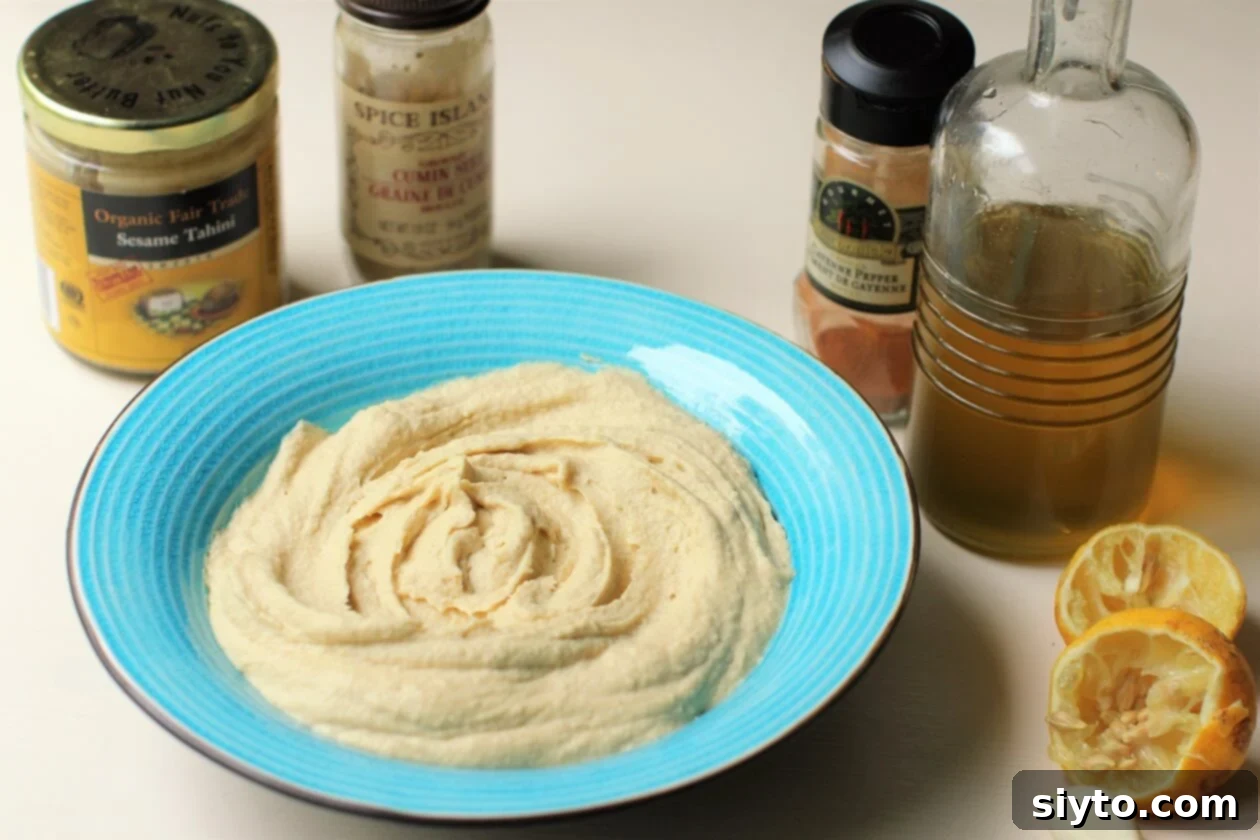
The foundation of any truly great homemade hummus lies in its ingredients. While the process of blending is crucial, the quality of what you put in makes an undeniable difference. Here’s a closer look at each component and why it matters:
- Chickpeas (Garbanzo Beans): You have the choice of using canned chickpeas for ultimate convenience or cooking your own from dried beans for potentially richer flavor. The most critical factor, regardless of source, is that they must be cooked very soft – almost mushy – for the smoothest possible hummus. Using the liquid from canned or cooked chickpeas (often called aquafaba) is an excellent way to add extra flavor, nutrition, and helps achieve that desirable silky texture without diluting the taste or requiring plain water.
- Extra Virgin Olive Oil (EVOO): This is where quality truly shines. While the type of chickpeas might not drastically alter the flavor, a good quality extra virgin olive oil, preferably first cold pressed, makes a noticeable and delightful impact. A generous amount not only enriches the flavor but significantly enhances the creaminess of the dip, contributing to its luxurious mouthfeel and a subtle peppery finish. Opt for a brand you enjoy drizzling on salads.
- Tahini: Made from toasted sesame seeds, tahini provides the quintessential nutty depth and a pleasant, subtle bitterness that defines authentic hummus. Investing in a good quality, organic tahini is paramount. Poor quality tahini can be overly bitter, thick, or, like any nut or seed butter, can go rancid if too old. Always check for freshness; it should have a smooth, pourable consistency when stirred and a pleasant, toasted sesame aroma, not a harsh or acrid smell.
- Fresh Lemon Juice: This vibrant ingredient brings a crucial zing and brightness to the hummus. Freshly squeezed lemon juice is vastly superior to bottled versions, offering a more complex, lively flavor profile and retaining natural enzymes. Its acidity also helps to balance the richness of the tahini and olive oil, cutting through the richness to create a perfectly balanced bite.
- Fresh Garlic: Absolutely essential for that characteristic garlicky punch. One large clove is usually sufficient for a balanced flavor that doesn’t overpower, but feel free to adjust to your personal preference for a milder or more robust garlic presence. For a more mellow, sweet garlic flavor, consider using roasted garlic instead.
- Cumin and Cayenne: These spices, used in small amounts, are not overtly dominant but add a subtle layer of complexity, warmth, and depth that elevates the overall flavor. The cayenne, in particular, offers a hint of gentle heat that awakens the palate without overwhelming it.
- Salt: A touch of fine sea salt is the crucial finishing touch, bringing all the flavors into harmony and making them truly sing. Always taste and adjust, especially if using unsalted canned beans or cooking your own without salt.
Mastering Your Hummus Flavor Profile
Just as there are countless Middle Eastern and Mediterranean cooks, there are endless variations for the ingredient ratios in hummus. The beauty of making your own is the freedom to experiment until you discover the exact flavor profile that tantalizes your taste buds. This recipe provides an excellent foundational starting point for a truly delicious, basic hummus – one that disappears quickly in our home! Feel free to use it as a springboard, adjusting ingredients to suit your preferences. Perhaps you prefer it a bit more lemony for extra zest, intensely garlicky for a bolder kick, or with different amounts of salt or spice to fine-tune the savory notes. You might even find this smooth and creamy version to be perfectly aligned with your taste from the very first bite, requiring no adjustments at all.
Creative Customization: Endless Hummus Possibilities
Beyond the classic rendition, hummus is incredibly adaptable, inviting a world of delicious add-ins and toppings to spark new flavor excitement and cater to any craving:
- Garlic Variations: For a deeper, sweeter, and less pungent flavor, replace fresh garlic with a few cloves of mellow roasted garlic.
- Savory Toppings: Elevate your hummus bowl with richly caramelized onions, diced roasted red peppers for a smoky sweetness, or a vibrant swirl of homemade pesto. These additions bring layers of complex flavor.
- Nutty Crunch: Introduce a delightful textural contrast with toasted pine nuts, or experiment with other chopped toasted nuts of your choice, like walnuts, almonds, or pistachios.
- Fresh Herbs & Veggies: Stir in a handful of finely chopped fresh herbs such as parsley, cilantro, mint, or dill for a burst of freshness. Incorporate chopped black olives, sun-dried tomatoes (drained from oil), or chopped, marinated artichoke hearts for an authentic Mediterranean flair.
- Spice It Up: For those who love a bit of heat, increase the pinch of cayenne pepper or add a dash of chili flakes for a more pronounced spicy kick. You can even top it with crispy spicy roasted chickpeas for extra texture and warmth.
- Vibrant Colors & Flavors: For a stunning presentation and unique taste, purée some cooked red beets directly into the hummus for a beautiful magenta hue and earthy sweetness, then top with chopped dill and crumbled feta cheese. Or explore other delightful versions like our beloved golden beet hummus or the fresh and lively minted green pea hummus.
Beyond the Dip: Creative Ways to Enjoy Hummus
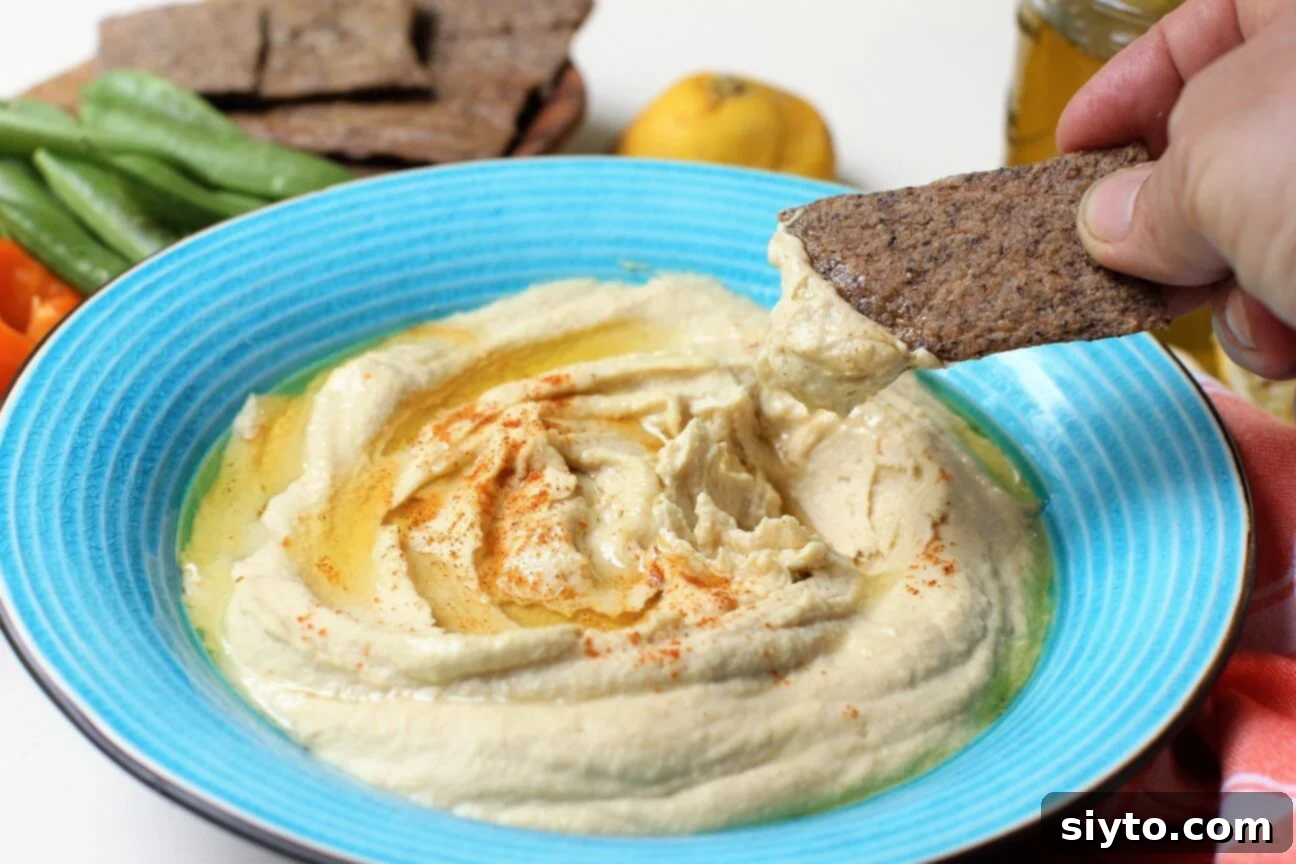
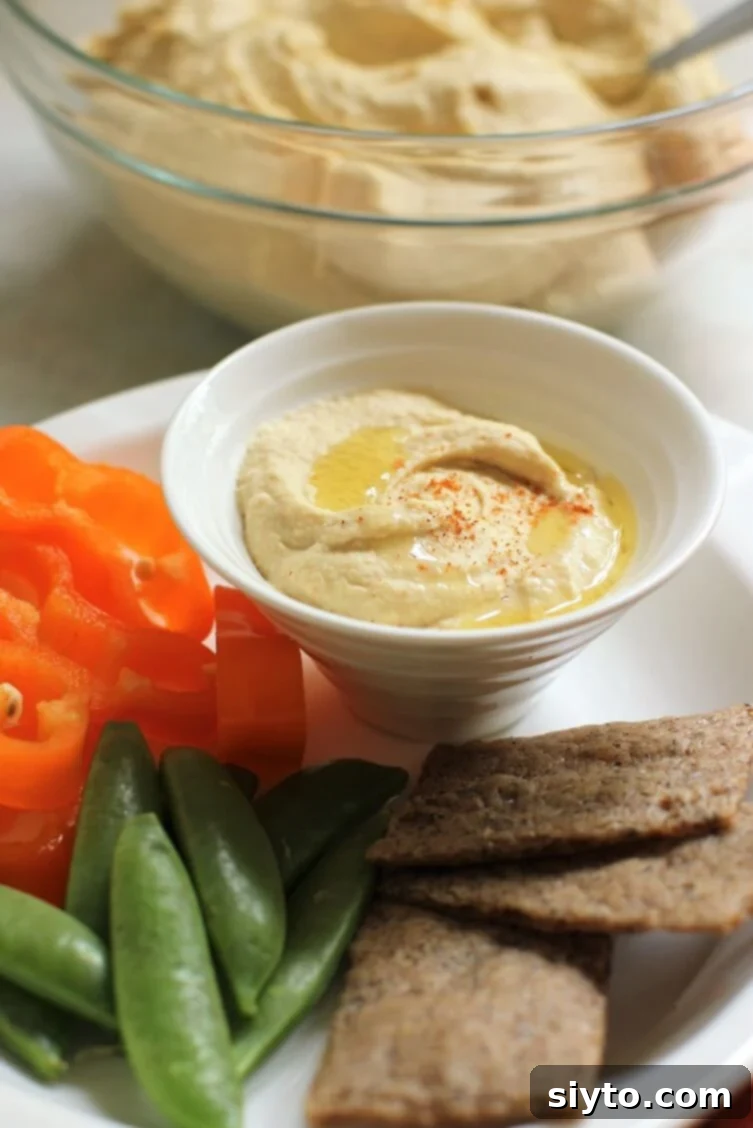
Hummus is truly the workhorse of the appetizer, dip, and spread world, earning its place as a kitchen essential. This nutritious and filling spread is equally at home gracing a platter of crisp fresh vegetables, an assortment of crackers, or crunchy pita chips for dipping. But its utility extends far beyond the traditional dip, making it an incredibly versatile component for any meal:
- Sandwich & Wrap Enhancer: Generously slather it onto sandwiches, wraps, or burgers as a flavorful, healthy alternative to mayonnaise or other condiments. It adds moisture, richness, and a welcome boost of plant-based protein, transforming an ordinary sandwich into a gourmet experience.
- Meal Builder: Dollop it onto a warm baked potato alongside some sautéed vegetables and a balsamic drizzle for a wholesome and satisfying meal. Stuff it inside warm pita bread with a medley of fresh or roasted veggies for a quick, nutritious, and incredibly flavorful lunch.
- Base for Main Dishes: Use it as a flavorful base beneath spiced meats and roasted vegetables, creating a vibrant and savory foundation for your main course. Its creamy texture pairs beautifully with grilled chicken, lamb, or even falafel.
- Salad Dressing: For a lighter application, thin out your hummus with a bit of extra lemon juice, olive oil, and water to create a creamy, tangy, and absolutely delicious salad dressing. It’s a fantastic way to add a burst of flavor and nutrition to any green salad.
- Breakfast Boost: Try spreading hummus on toast or bagels instead of cream cheese or butter, then top with avocado slices, everything bagel seasoning, or a poached egg for a savory and satisfying start to your day.
With its incredible versatility, hummus effortlessly elevates everything from simple snacks to elaborate meals, making it a beloved staple in any kitchen. It’s a testament to how simple, wholesome ingredients can come together to create something truly extraordinary and endlessly adaptable.
Preparing Chickpeas from Scratch (Instant Pot Method)
For those who prefer to cook their chickpeas from dried, here’s a simple and efficient method using an Instant Pot, ensuring they are perfectly tender for your hummus:
- Ingredients: You will need 1 lb (454 grams / approximately 2¼ cups) of dried, unsoaked chickpeas and 6 cups of water.
- Instructions: Place the dried chickpeas and water into the Instant Pot. Securely seal the lid, press the ‘Manual’ (or ‘Pressure Cook’ on newer models) button, and set the timer to 50 minutes.
- Post-Cooking: Once the cooking time is complete, allow the pressure to release naturally. This crucial step is important to prevent the chickpea skins from splitting, which contributes significantly to achieving a smoother hummus texture.
- Cooling & Storage: For best results, let the chickpeas cool completely in their cooking water if time permits. This further ensures tenderness and reduces skin splitting. Then, drain them. This method typically yields about 6 cups of perfectly cooked chickpeas. Any remainder can be frozen in airtight containers or bags for up to 3 months, ready for your next batch of homemade hummus or other recipes.
If you don’t have an Instant Pot, stovetop cooking also works wonderfully. Simply soak dried chickpeas overnight, then simmer them in plenty of fresh water for 1.5-2 hours, or until they are exceptionally tender and soft. Remember, the softer the chickpeas, the smoother and creamier your homemade hummus will be!
Embrace the joy of healthy snacking and meal preparation with this wholesome and satisfying homemade hummus.
* * * * *
Tips for a Perfect Homemade Hummus
Kitchen Frau Notes:
- Canned Chickpea Sizes: Canned beans typically come in two common sizes: 14 oz. (400ml) and 19 oz. (540ml). This recipe is specifically formulated for the larger 19 oz. can of chickpeas, which provides a generous base for the proportions of other ingredients. If you opt for a smaller 14 oz. can, remember to proportionally reduce the amounts of all other ingredients (olive oil, tahini, lemon juice, garlic, spices) to maintain the perfect balance of flavors and consistency.
- Cooked Chickpea Softness is Key: If using freshly cooked chickpeas from dried, ensure they are cooked until they are very soft – beyond al dente, almost mushy to the touch. Overcooking them slightly is actually desirable for hummus, as it helps achieve that incredibly smooth and creamy texture without any grittiness. Harder chickpeas will result in a grainy hummus.
- Adjusting Consistency: Don’t hesitate to add a little more chickpea liquid (aquafaba) or water, a tablespoon at a time, during blending if your hummus appears too thick or isn’t blending smoothly. The goal is a luxuriously creamy, yet easily spoonable consistency.
- Resting Time for Flavor: Allowing the hummus to rest for at least 30 minutes at room temperature before serving lets the flavors meld and deepen beautifully. This short resting period often results in an even more harmonious and complex taste.
Really Good Basic Hummus Recipe
Prep time: Approximately 5 minutes
Cook time: 0 minutes (if using canned chickpeas); refer to Instant Pot instructions for dried chickpeas
Yields: Approximately 2½ cups (enough for 6-8 servings as a dip)
Ingredients:
- 1 can (19 oz / 540gms) chickpeas/garbanzo beans or 2 cups (480ml) cooked chickpeas, drained (IMPORTANT: save the liquid from the can or from cooking)
- ¼ cup (60ml) cold pressed, extra virgin olive oil (plus more for garnishing)
- ¼ cup (60ml) tahini (ensure it’s good quality and organic for best flavor and smooth texture)
- 3 tablespoons (45ml) fresh lemon juice (~1 medium lemon for vibrant flavor)
- 3 tablespoons liquid from canned beans, bean cooking liquid, or water (plus more if needed for optimal consistency)
- 1 large clove garlic, minced or crushed (adjust to your preference for garlic intensity)
- ½ teaspoon ground cumin
- ½ teaspoon fine sea salt (adjust to taste; consider more if using unsalted beans)
- Pinch of cayenne pepper (optional, for a subtle warmth and gentle kick)
- To Garnish (optional): A generous drizzle of extra virgin olive oil, a sprinkle of cayenne, sumac, or paprika, and finely chopped fresh parsley or toasted sesame seeds or pine nuts.
Instructions:
- Combine Ingredients: Begin by placing all the core hummus ingredients (chickpeas, olive oil, tahini, lemon juice, 3 tablespoons of chickpea liquid/water, garlic, cumin, salt, and cayenne) into the canister of a high-speed blender or the bowl of a food processor.
- Blending for Creaminess (High-Speed Blender Method):
- Start your high-speed blender on the slowest speed and gradually increase the speed as the chickpeas begin to break down and purée. Continue blending until the mixture is utterly smooth and silky.
- Periodically pause to scrape down the sides of the blender canister with a spatula, ensuring all ingredients are fully incorporated and no chunks remain.
- If the hummus appears too thick or struggles to blend smoothly, add an additional tablespoon or two of chickpea liquid or water, one at a time, until the desired creamy consistency is achieved. With a high-speed blender, you should be able to achieve a smooth blend without constant use of the tamper.
- Blend for approximately 1 to 2 minutes. The hummus is ready when it starts to feel slightly warm from the blending friction and has a visibly smooth, lustrous, and silky texture.
- Blending for Creaminess (Food Processor Method):
- Begin by processing the ingredients until the chickpeas are chunky but mostly broken down. Stop and scrape down the sides of the food processor bowl thoroughly.
- Continue to blend for a significantly longer duration than you might expect – aim for 3 to 4 full minutes. This extended blending time is crucial for achieving a fluffy and smooth hummus when using a food processor, as it emulsifies the mixture more completely.
- If the mixture becomes too thick, drizzle in an additional tablespoon or two of chickpea liquid (or water) while the processor is running, until it reaches your desired creamy yet spoonable consistency.
- Taste and Adjust: Whichever method you use, taste the freshly blended hummus and adjust seasonings as needed. You might want a little more salt to enhance flavors, a brighter lemon tang, or an extra pinch of spice to deepen its character.
- Resting Period for Optimal Flavor: For optimal flavor development, allow the hummus to rest for at least 30 minutes at room temperature before serving. This brief period allows the flavors to meld and deepen beautifully, resulting in an even more harmonious taste.
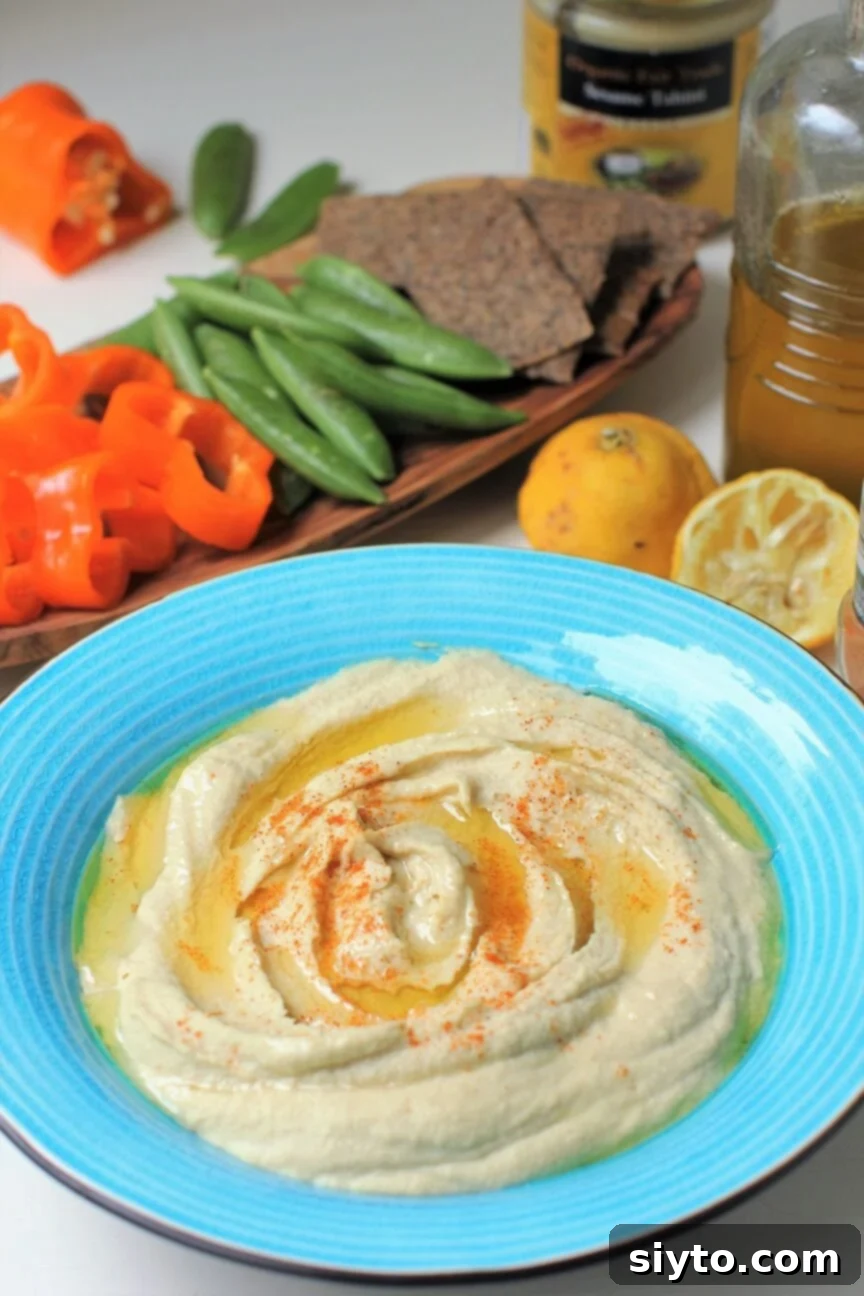
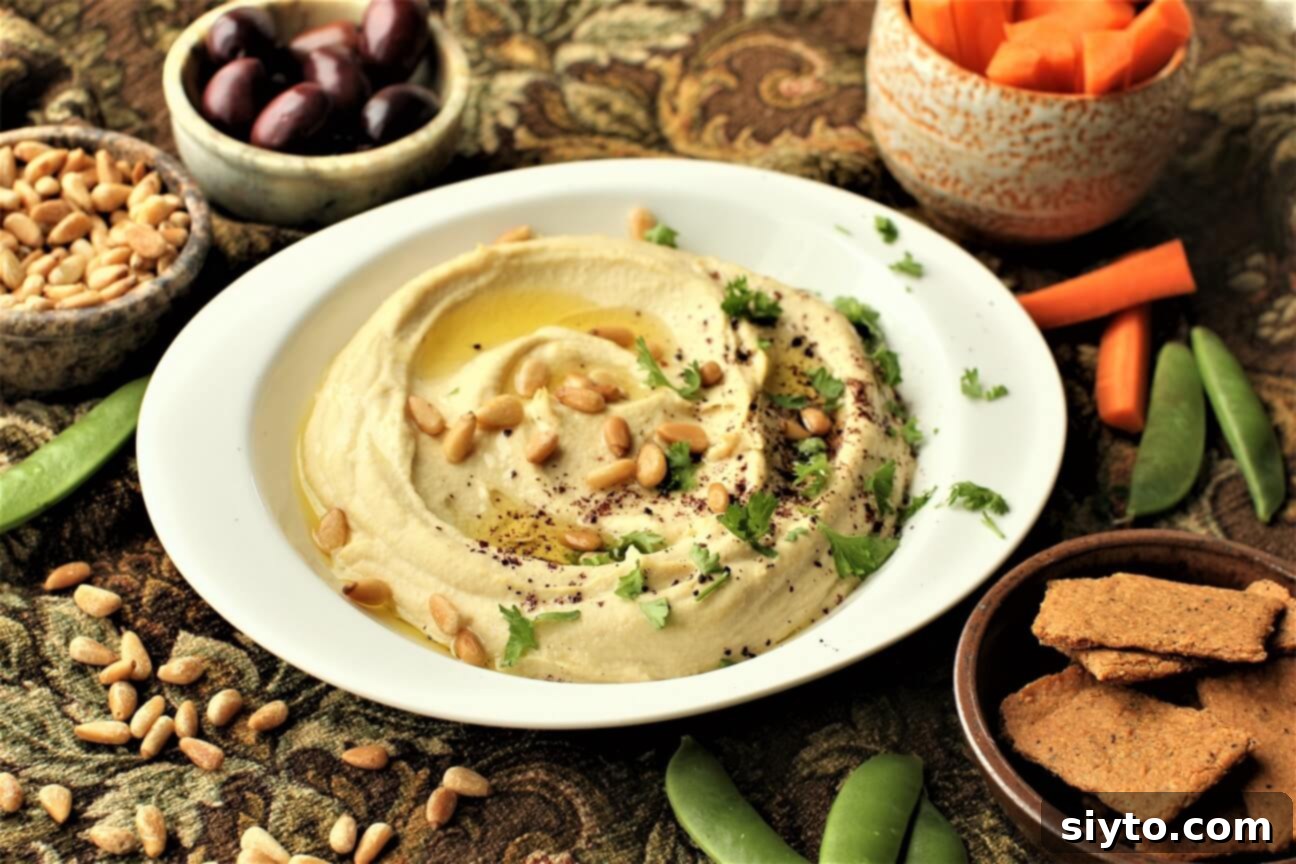
- Serve and Garnish: Spoon the hummus into a shallow serving bowl. Use the back of a spoon to create attractive swirls and ridges on the surface – these are perfect for catching the olive oil and garnishes. Lightly sprinkle with sumac (for a lovely tangy note), paprika, or a touch of cayenne pepper. Finish with a generous drizzle of good quality extra virgin olive oil, and if desired, scatter with chopped fresh parsley, toasted sesame seeds, or toasted pine nuts for added flavor and visual appeal.
- Storage: Store any leftover homemade hummus in an airtight container in the refrigerator for up to one week. Its flavor may even deepen slightly over time.
Guten Appetit!
Want to receive new Kitchen Frau recipes directly to your email? Sign up here and you’ll get a handy and useful kitchen tip along with each recipe, too. (No spam ever.)
If you like my recipes, follow me on Instagram, Pinterest, Twitter, and Facebook. You’d make my day!
PIN IT HERE to save the recipe for later:
You might also like these delicious dips and spreads:
Golden Beet Hummus
Minted Green Pea Hummus
7 Layer Dip
Easy Baked Caponata