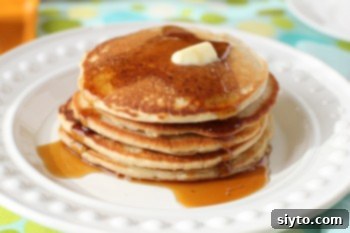
Embrace the Fluff: Crafting Classic Canadian Oat Flour Pancakes from Scratch
The Canadian Food Experience Project, which commenced on June 7, 2013, has been a beautiful journey of discovering and sharing Canada’s diverse culinary landscape. As participants, we weave our collective narratives, spanning the vastness of our nation, through our unique regional food experiences. Our mission is to illuminate Canada’s distinct culinary identity on a global stage, echoing the rhythm of our united Canadian voice. This month’s theme, in March 2014, delves into “Another Regional Canadian Food: in Alberta.” While pancakes aren’t exclusive to Alberta, they are undeniably a cherished staple across Canadian homes, embodying a significant part of our comfort food culture.
The Canadian Food Experience: Discovering Our Culinary Roots
When I ponder what truly constitutes “Canadian food” for me, my thoughts often drift to the many European visitors who have graced our home over the years. Their observations and reactions to our cuisine provided a fascinating lens through which to view our own food identity. While not always exclusively Canadian, many dishes they encountered were distinctly “North American” in their eyes. For instance, corn on the cob, a summer delight for us, was initially met with curiosity by my German relatives, who primarily considered it animal feed. An uncle even took some corn seeds back to Germany, eager to see if he could cultivate this peculiar crop. Marshmallows and Rice Krispies were also deemed rather strange, yet Rice Krispie squares quickly became a celebrated treat. Our national fondness for all things peanut butter also proved an interesting cultural note. And then, there are pancakes.
Beyond the Syrup: Pancakes as a Cultural Emblem
Most European variations of pancakes tend to be thinner, more akin to crêpes. They are typically enjoyed as a dessert, perhaps with a sprinkle of sugar and a squeeze of lemon juice, or a dollop of Nutella. Or they serve as a casual snack, much like the crêpes sold from bustling street stalls in Paris. Our Canadian tradition of eating pancakes for breakfast, generously adorned with melting butter and drenched in rich maple syrup, often accompanied by fried eggs and crispy bacon, has historically struck our German guests as unique and decidedly “Canadian.” However, as the world becomes increasingly interconnected through travel and readily accessible information, cross-cultural food knowledge has expanded exponentially. Recent visitors are far less surprised by a platter of these fried, fluffy disks for breakfast, having likely encountered them on television or through global cuisine trends.
While pancakes are not indigenous to Canada, their presence and popularity here are undeniable. We even have entire establishments devoted to this humble dish – aptly named “pancake houses.” The “breakfast for dinner” meal, a beloved tradition in many Canadian households, especially those with children, almost invariably features pancakes (who, after all, yearns for oatmeal at dinnertime?). It’s also easy to imagine that early North American settlers heavily relied on various forms of fried dough, cooked over crackling campfires in cast iron skillets or on wood stoves in log cabins and bunkhouses, as a crucial source of sustenance. This simple yet satisfying batter has truly endured the test of time, becoming intertwined with our history and daily lives.
The Endlessly Adaptable Pancake: From Simple to Sublime
Pancakes are truly a blank culinary canvas, offering endless possibilities for customization. They can be served simply, with a melting pat of butter and a generous drizzle of golden syrup. Or they can be transformed into an indulgent treat, mounded high with fresh fruits or luscious berries, crowned with whipped cream, drizzled with chocolate sauce, or even paired with a scoop of ice cream. For those who prefer their add-ins cooked right into the batter, options abound: plump blueberries, crisp apple chunks, sweet raisins, or decadent chocolate chips. A hint of cinnamon or a touch of nutmeg can also elevate the flavor profile, adding warmth and spice. This versatility is undoubtedly a key reason for their enduring appeal and status as a breakfast favorite.
A Taste of Home: My Mom’s Fluffy Pancake Tradition
My mother, a true kitchen virtuoso, always insisted on making her pancakes entirely from scratch. Pancake mixes were reserved for special occasions like camping trips, a convenience born of necessity rather than preference. Mom’s approach involved the meticulous separation of eggs, beating the whites until stiff peaks formed, and then gently folding them into the batter. This technique was her secret to achieving those distinctively thick, puffy rounds of fried deliciousness. When I called her, eager to transcribe her recipe, she admitted she didn’t have it written down. Her culinary magic stemmed from memory and intuition, meaning the recipe was never precisely the same twice. She hadn’t made them in several years, she confessed, making the details a little hazy, and I had to make educated guesses for some measurements.
However, one detail she recounted with absolute certainty was that her pancakes were the dish always requested by my Onkel Julius, my father’s eldest brother, during his visits from Germany. Onkel Julius had a different favorite meal prepared by each of his eight siblings living in Canada. But when he stayed at our home, his unwavering request to my mom, Annette, was always for “those pancakes of yours, Annette – the big fluffy ones.” For him, they were a taste of Canada, a delightful experience he simply couldn’t replicate back home in Germany. This anecdote powerfully reinforces my belief that pancakes, in their uniquely fluffy and generously served Canadian style, truly embody a Canadian food experience. They represent a culinary tradition adopted by immigrants and settlers, a food that quickly became a cherished family favorite, even if it wasn’t part of their original heritage.
* * * * *
Kitchen Frau’s Guide to Perfect Fluffy Pancakes
Ingredient Insights: Oat Flour vs. All-Purpose Flour
Kitchen Frau Notes: When making these pancakes, the choice of flour can subtly influence the final result. If you opt for regular all-purpose white flour, you’ll likely notice the pancakes rising a bit higher. This is due to the gluten content in all-purpose flour, which provides more structure and elasticity to the batter, allowing it to trap more air and expand further during cooking. However, for a delightfully tender texture and a naturally gluten-free option, oat flour is an excellent choice. If you don’t have pre-made oat flour, it’s incredibly easy to make your own. Simply take rolled oats (not instant oats) and whiz them in a high-speed blender or food processor until they reach a fine, flour-like consistency. Ensure there are no large pieces remaining for the best texture in your pancakes. The slightly nutty flavor of oat flour also adds a wonderful dimension to the pancakes.
Mom’s Fluffy Oat Flour Pancakes: The Recipe
Ingredients
- 4 large eggs, separated
- 1 cup (240ml) milk (whole milk recommended for richness)
- ¼ cup (60ml) melted unsalted butter or a neutral oil (like canola or grapeseed)
- 2 tablespoons granulated sugar
- ½ teaspoon fine sea salt
- 1 teaspoon pure vanilla extract
- 2 cups (240gms) oat flour (ensure it’s certified gluten-free if necessary, or make your own from rolled oats)
- Alternatively, use 1 and ⅔ cups (240gms) of a good quality gluten-free flour blend or all-purpose wheat flour
- 2 teaspoons baking powder (ensure it’s fresh for maximum lift)
- Additional butter, oil, or coconut oil for cooking the pancakes
- Optional serving suggestions: extra butter, warm maple syrup, fried eggs, crispy bacon, fresh berries, whipped cream
Instructions for Unforgettable Pancakes
- Begin by separating your eggs. Carefully crack each egg and allow the white to fall into the very clean bowl of an electric mixer (or a large bowl if beating by hand), ensuring no yolk contaminates the whites. Place the yolks into a separate, medium-sized bowl.
- In the bowl with the egg yolks, add the milk, melted butter or oil, sugar, salt, and vanilla extract. Whisk these ingredients together vigorously until they are well combined and the sugar has dissolved. This forms the wet base of your batter.
- To the yolk mixture, add the chosen flour (oat flour, gluten-free blend, or all-purpose flour) and the baking powder. Whisk just until the mixture is smooth and no dry streaks of flour remain. Be careful not to overmix at this stage, as over-developing the gluten in wheat flour or overworking any flour can lead to tough pancakes.
- Now, turn your attention to the egg whites. Using an electric mixer fitted with a whisk attachment (or a hand whisk and considerable effort), beat the egg whites on medium-high speed. Continue beating until they transform into stiff, glossy peaks. This means that when you lift the whisk, the peaks of egg white stand upright without collapsing. This aeration is crucial for the incredible fluffiness of these pancakes.
- Place a heavy skillet or griddle over medium heat on your stovetop. Allow it to heat thoroughly for a few minutes. Add a small knob of butter, a swirl of oil, or a spoonful of coconut oil to the hot pan. Let it heat until the butter is melted and slightly foamy, or the oil begins to ripple gently. Butter or coconut oil will impart the most delicious flavor to your pancakes.
- Gently scrape the prepared pancake batter (the yolk mixture) into the bowl with the beaten egg whites. Using a rubber spatula, begin to fold the batter into the whites. The key here is extreme gentleness. Fold until the mixture is about three-quarters combined. You should still see distinct streaks of white and large, marble-sized blobs of beaten egg white that are not fully incorporated into the batter. If you overmix at this stage, you will deflate the egg whites, losing the precious air that contributes to the pancakes’ signature fluffiness.
- Immediately after folding, pour large spoonfuls of the batter into the preheated skillet. The exact size is up to your preference, but aim for consistent rounds. If you’re using regular all-purpose flour, the batter will be somewhat thicker, and you might need to spread it around slightly with the back of your spoon to form an even circle. Cook the pancakes for 2-3 minutes on the first side, or until the undersides are beautifully golden brown and small bubbles begin to appear on the surface of the uncooked side.
- With a thin spatula, carefully flip the pancakes. Cook the second side for another 1-2 minutes, or until it is also golden brown and the pancake is cooked through. You can gently press on the center of the pancake; if it springs back, it’s likely done.
- It is crucial not to let the batter sit for an extended period before cooking, as the air incorporated into the egg whites will gradually deflate, resulting in less fluffy pancakes. For each subsequent batch of pancakes, add a fresh knob of butter or a bit more oil to the pan to ensure even browning and prevent sticking.
This recipe typically yields about 12 (4½ inch/12cm) pancakes when using all-purpose flour, and approximately 14 slightly thinner ones with oat flour. Serve them warm, generously topped with butter and decadent maple syrup, alongside your favorite breakfast accompaniments. Enjoy this truly Canadian breakfast delight!
Guten Appetit!
Want to receive new Kitchen Frau recipes directly to your email? Sign up here and you’ll get a handy and useful kitchen tip along with each recipe, too. (No spam ever.)
If you like my recipes, follow me on Instagram, Pinterest, Twitter, and Facebook. You’d make my day!
You might also like:
High Protein Pancakes
Rollpfannkuchen is Just Another Name for Crepes
A Warm and Cozy Breakfast – Baked Oatmeal
Yogurt, Honey and Walnuts – Beautiful Breakfast Simplicity
What’s For Breakfast? Ham ‘n Green Onion Egg-Buns
Connect with Kitchen Frau & Explore More Canadian Flavors
View past Canadian Food Experience Project entries here:
- June, 2013: My First Authentic Canadian Food Memory: Buttery Sautéed Mushrooms with Spruce Tips and Chives
- July, 2013: A Regional Canadian Food: Saskatoon Roll or Saskatoon Cobbler and How to Freeze Saskatoon Berries
- August, 2013: A Canadian Food Hero in Northern Alberta, and Pickled Beets and Creamed Vegetables
- September, 2013: My Cherished Canadian Recipe: Evans Sour Cherries in Brandy
- October, 2013: Preserving, Our Canadian Food Tradition – Sweet and Spicy Apple Butter
- November, 2013: The Canadian Harvest: Quinoa Harvest and Recipes (Quinoa Onion Frittata & Honey Vanilla Quinoa Pudding)
- December, 2013: A Canadian Christmas: Gumdrop Fruitcake
- January, 2014: A Canadian Resolution: Wild Rice and Mushrooms
- February, 2014: My Canadian Love Affair: Kransekage, a Danish Wedding Cake and a Canadian Love Story